April 18, 2026

Year: 2025

Exploring the world of a crypto company office reveals a dynamic environment where technology and creativity converge. Having a physical office is essential for crypto businesses as it fosters trust, encourages collaboration, and enhances brand visibility. In an industry that thrives on innovation, the right office space can significantly impact a company’s success.

A well-designed office not only reflects the company’s ethos but also facilitates effective operations through essential technological infrastructure. With the right layout and culture, crypto companies can promote teamwork and ensure that their team feels valued and motivated.

Importance of a Physical Office for Crypto Companies

In the ever-evolving world of cryptocurrency, establishing a physical office may seem outdated to some. However, the significance of having a dedicated space cannot be overstated, especially when it comes to building trust and credibility. A physical presence allows clients and partners to engage in face-to-face interactions, creating a sense of reliability that online-only interactions often lack.

Building Trust Through Physical Presence

Crypto.com Introduces Bitcoin to a New Token Infrastructure

A physical office serves as a tangible representation of a crypto company’s commitment to transparency and professionalism. Clients often feel more secure when they know there is a location they can visit or contact directly. This assurance can lead to stronger business relationships and increased client retention.

In-Person Collaboration Advantages

Collaboration is essential in any tech-driven industry, particularly in cryptocurrency, where rapid innovation is key. In-person teamwork fosters creativity and brainstorming, allowing teams to build off each other’s ideas more effectively than through virtual meetings alone. This kind of collaboration can lead to breakthrough ideas and solutions that might not surface in remote setups.

Enhancing Brand Visibility

Having a physical office can significantly enhance a crypto company’s visibility in the market. A dedicated space not only highlights the brand’s presence but also opens up networking opportunities. Hosting events, workshops, or meetups in a physical location allows companies to build relationships with other industry players, potential clients, and key stakeholders.

Key Features of a Crypto Company Office

Designing a suitable office for a crypto company involves more than just choosing a location. It’s crucial to create an environment that stimulates creativity, promotes effective operations, and ensures security for sensitive information.

Design Elements for Creativity

Crypto.com Executive Goes to Washington

To foster innovation, an office should incorporate several design elements that inspire creativity. Open spaces encourage communication, while areas designated for relaxation can help recharge employees’ minds. Bright colors and unique artwork can create an engaging atmosphere that motivates teams.

Technological Infrastructure

The technological backbone of a crypto office is vital for seamless operations. High-speed internet, reliable servers, and advanced cybersecurity measures are essential. Additionally, tools for collaboration, such as video conferencing platforms and project management software, should be readily available to support remote and in-office team members alike.

Creating a Secure Office Environment

Given the sensitive nature of cryptocurrency transactions, security must be a priority. Implementing biometric access controls, secure server rooms, and data encryption measures can help protect critical information. Regular training sessions on cybersecurity best practices for employees also play a significant role in maintaining a secure work environment.

Location Considerations for Crypto Company Offices

Choosing the right location for a crypto company can greatly influence its success. Factors such as the regulatory environment, talent availability, and infrastructure are crucial in this decision-making process.

Regulatory Environment Impact

The regulatory landscape of a location can either support or hinder crypto operations. Areas with clear and supportive regulations can offer a more favorable environment for business growth, while regions with strict or unclear policies may pose challenges.

Urban vs. Suburban Settings

The choice between an urban or suburban office setting can impact a crypto company’s operations. Urban locations provide access to a larger talent pool and networking opportunities, while suburban offices may offer space at lower costs and a quieter atmosphere. Companies must weigh these factors based on their specific needs and goals.

Emerging Markets for Crypto Operations

Several emerging markets are becoming increasingly attractive for crypto business operations. Countries with favorable regulations, strong tech infrastructure, and a growing interest in digital currencies are prime candidates for expansion. For instance, regions in Southeast Asia and Eastern Europe are showing promising growth in the crypto sector.

Office Culture and Team Dynamics in Crypto Companies

A strong office culture is vital for employee satisfaction and productivity, particularly in the fast-paced world of cryptocurrency. Companies need to actively cultivate an environment that supports collaboration and acknowledges achievements.

Influencing Employee Satisfaction

Office culture can significantly impact how employees feel about their work. An inclusive and supportive atmosphere encourages team members to share ideas and take risks, which can lead to higher job satisfaction and retention rates.

Fostering Teamwork in Decentralized Environments

In a decentralized work setup, promoting teamwork can be challenging but is essential. Regular team-building activities, both virtual and in-person, can help create stronger bonds among employees. Establishing clear communication channels and collaborative tools is also crucial for maintaining team dynamics.

Celebrating Achievements

Recognizing and celebrating milestones—whether big or small—can boost morale and motivate employees. Companies can implement reward programs, shout-outs during meetings, or team outings as ways to acknowledge hard work and successes.

Designing Functional Workspaces for Crypto Teams

Creating functional workspaces is essential for enhancing workflow and productivity among crypto teams. A thoughtful layout can accommodate various work styles and needs.

Collaborative Workspace Layout

A successful layout for a crypto office should include collaborative zones equipped with technology that encourages brainstorming and idea sharing. Open seating arrangements, breakout areas, and comfortable meeting spaces should all be incorporated to facilitate teamwork.

Designated Zones for Different Work Styles

It’s important to allocate specific zones within the office to cater to diverse work styles. Quiet areas for focused work, comfortable lounges for informal discussions, and well-equipped meeting rooms play essential roles in supporting various tasks and preferences.

Importance of Flexible Workspaces

Flexibility in workspace design allows for adaptation to the evolving needs of crypto professionals. As projects change and grow, the office layout should be adjustable, enabling teams to reconfigure spaces for collaborative work, meetings, or individual tasks as required.

Sustainability in the Crypto Company Office

Implementing sustainable practices in the office is not just beneficial for the environment, but it can also enhance a company’s reputation and efficiency.

Eco-Friendly Daily Operations

Adopting eco-friendly practices can include reducing paper usage, employing energy-efficient lighting, and encouraging recycling. Small changes, such as using digital documents instead of printed ones, can make a significant impact over time.

Benefits of Sustainable Materials

Utilizing sustainable materials in office design not only minimizes environmental impact but can also improve indoor air quality and employee well-being. Additionally, showcasing a commitment to sustainability can attract environmentally-conscious clients and partners.

Measuring Environmental Impact

Crypto companies can create a guide to measure their environmental impact by tracking energy usage, waste production, and resource consumption. This data can help identify areas for improvement and promote sustainability initiatives within the organization.

Future Trends in Crypto Office Spaces

The future of office spaces in the crypto industry is likely to be shaped by changing work patterns and technological advancements. Companies must stay ahead of these trends to remain competitive.

Influence of Remote Work on Office Design

As remote work becomes more prevalent, the layout of crypto offices will likely evolve to accommodate flexible work arrangements. This could mean creating more collaborative zones for team members who do come into the office while providing robust technological support for remote employees.

Technological Advancements Reshaping Environments

Advancements in technology will continue to revolutionize how crypto offices are structured. From virtual reality meeting spaces to AI-enhanced collaboration tools, the integration of cutting-edge technology will enhance productivity and engagement.

The Role of Co-Working Spaces

Co-working spaces are becoming increasingly popular in the crypto industry, providing flexible options for companies without the commitment of long-term leases. These spaces foster networking and collaboration among diverse startups, creating a vibrant ecosystem for growth and innovation.

Ultimate Conclusion

In conclusion, the importance of a thoughtfully designed crypto company office cannot be underestimated. As the industry evolves, embracing sustainable practices and innovative workspace designs will shape the future of work in the crypto space. By prioritizing both employee satisfaction and environmental responsibility, crypto companies can position themselves for long-term success.

FAQ Section

Why is a physical office important for crypto companies?

A physical office helps build trust with clients and stakeholders by demonstrating commitment and professionalism.

What key features should a crypto company office have?

Essential features include creative design elements, robust technological infrastructure, and secure environments for data protection.

How does office culture impact employee productivity?

A positive office culture enhances employee satisfaction, leading to increased productivity and collaboration within teams.

What factors influence the location of a crypto company office?

Key factors include the regulatory environment, availability of talent, and the comparison between urban and suburban settings.

How can crypto companies implement sustainable practices?

Companies can use eco-friendly materials, promote energy-efficient operations, and measure their environmental impact regularly.

Top finance news today sets the stage for this enthralling narrative, offering readers a glimpse into a story that is rich in detail and brimming with originality from the outset. As we delve into the current market trends, economic indicators, and corporate earnings, we’ll uncover the vital connections between various financial sectors and the broader global landscape.

This overview not only showcases the latest stock market movements and sector performances but also reflects on the implications of central bank policies and geopolitical events that shape our financial environment. With insights into investment strategies and personal finance tips, this discussion aims to equip readers with the knowledge to navigate today’s complex financial terrain.

Current Market Trends

The stock market is currently experiencing noteworthy fluctuations, influenced by various economic indicators and investor sentiments. Recent developments highlight the performance of major indices, reflecting both optimism and caution among traders.

Stock Market Indices Developments

Major stock market indices such as the S&P 500 and NASDAQ have shown significant movements recently, with some reaching record highs while others experience volatility. This mixed performance indicates varying investor confidence levels. The tech sector, in particular, has seen robust growth, although traditional industries like retail are facing challenges due to shifting consumer behaviors.

Sectors Performing Well and Challenges

The current landscape reveals a clear distinction between thriving sectors and those encountering obstacles.

  • Technology: Continues to lead with innovations driving demand.
  • Healthcare: Benefiting from increased focus on medical advancements.
  • Energy: Faces instability due to fluctuating oil prices.
  • Retail: Struggling as e-commerce rises and consumer preferences change.

Global Market Influences

Global markets are increasingly interconnected, and local economies are not immune to external pressures. Factors such as international trade agreements and geopolitical tensions significantly influence market dynamics. For instance, trade policies between major economies can have ripple effects, impacting everything from supply chains to stock valuations.

Economic Indicators

Recent economic data releases serve as critical indicators of market health and investor confidence. Metrics such as GDP growth, unemployment rates, and inflation figures provide insights into the economy’s direction, shaping financial market expectations.

Overview of Recent Economic Data

Recent reports indicate a mixed economic landscape, with GDP growth showing signs of recovery while unemployment rates remain a concern.

  • GDP Growth: Recent data suggest a moderate increase, indicating a potential rebound.
  • Unemployment: Although slightly decreasing, remains higher than pre-pandemic levels.
  • Inflation: Continues to pose challenges, affecting purchasing power and spending.

Trends in Consumer Spending and Business Investment

Consumer spending is gradually picking up, reflecting increased confidence, while business investment is also on the rise. However, inflationary pressures are causing caution among investors, leading to a focus on sectors that can withstand economic fluctuations.

Central Bank Policies

Central banks around the globe are making pivotal decisions that shape monetary policy and impact financial markets. Recent actions have sparked discussions about the implications of shifting interest rates on economic growth.

Recent Central Bank Decisions

Key central banks have recently adjusted interest rates, influencing borrowing and spending behaviors significantly.

  • Federal Reserve: Announced plans to maintain low interest rates for the foreseeable future.
  • European Central Bank: Signaled potential rate hikes in response to rising inflation.
  • Bank of England: Balancing economic recovery with inflation control measures.

Comparative Monetary Policies

The monetary policies of different nations reveal stark contrasts, impacting global finance. Countries adopting aggressive stimulus measures often see quicker recoveries, while those focused on inflation control may face slower growth.

Corporate Earnings Reports

Corporate earnings reports are crucial for assessing market health and investor confidence. Recent releases have provided insights into the financial performance of various industries.

Highlights from Recent Corporate Earnings

Earnings season has unveiled mixed results across sectors, with some companies exceeding expectations while others fell short.

  • Tech Giants: Reported robust growth driven by increased digital adoption.
  • Energy Firms: Struggled with fluctuating commodity prices affecting profit margins.
  • Consumer Goods: Some firms showed resilience, adapting successfully to changing demands.

Comparison of Earnings Performance

Analyzing earnings performance among key players reveals significant trends within specific sectors, offering insights into competitive strengths and challenges.

Geopolitical Events

Geopolitical events have profound impacts on financial markets. Recent developments have influenced investor strategies and overall market stability.

Influence of Geopolitical Events

Recent geopolitical tensions have led to increased market volatility, with investors reassessing risks.

  • Trade Disputes: Have created uncertainty, impacting stock prices across sectors.
  • Political Stability: Nations with stable political environments have shown better market performance compared to those with unrest.

Economic Ramifications of Trade Agreements

Trade agreements can enhance market opportunities but also present challenges. Understanding the economic ramifications is crucial for investors looking to navigate these complexities.

Investment Strategies

In light of current market conditions, investors are exploring various strategies to maximize returns while mitigating risks.

Emerging Investment Opportunities

Identifying new investment avenues can be advantageous, although potential risks must be carefully considered.

  • Emerging Markets: Present opportunities but come with higher risks.
  • Green Investments: Increasingly popular as sustainability becomes a priority.

Asset Allocation Strategies

Investors should consider diverse asset allocation strategies tailored to current market realities, focusing on balancing risk and reward.

Financial Technology Innovations

The financial sector is undergoing a transformation driven by technological advancements that disrupt traditional finance practices.

Latest Advancements in Financial Technology

Innovations in fintech are enhancing investment and banking services, offering unparalleled convenience to consumers.

  • Blockchain Technology: Revolutionizing transaction processes with increased security.
  • Robo-Advisors: Making investment management accessible to a broader audience.

Trends in Fintech Startups

The fintech landscape is evolving, with startups challenging established institutions, driving competition, and improving customer experiences.

Personal Finance Tips

Managing personal finances effectively is essential, especially during uncertain economic times.

Practical Financial Advice

Individuals can benefit from strategic financial management practices.

  • Budgeting Strategies: Create a realistic budget to navigate economic uncertainty.
  • Emergency Funds: Prioritize building an emergency fund for unexpected expenses.

Importance of Savings Options

Exploring various savings options can help individuals secure their financial future. Understanding interest rates and terms is crucial for making informed decisions.

Last Recap

In conclusion, today’s finance news encapsulates a dynamic interplay of market trends, economic signals, and strategic opportunities that are crucial for investors and individuals alike. By understanding these elements, one can better position themselves in the ever-evolving financial landscape. With the right insights and strategies, navigating through the challenges ahead becomes a more manageable task.

Questions Often Asked

What are the main factors influencing market trends today?

Key factors include economic indicators like GDP and inflation rates, central bank policies, and major geopolitical events.

How can I stay updated with the latest finance news?

Following reputable financial news websites, subscribing to newsletters, and using financial apps can help you stay informed.

What should I consider when investing during uncertain times?

Diversifying your portfolio, focusing on stable sectors, and having a clear investment strategy are essential during volatility.

How do corporate earnings reports affect the stock market?

Positive earnings can boost stock prices, while disappointing results may lead to declines, affecting investor sentiment.

What are some effective personal finance strategies?

Creating a budget, building an emergency fund, and investing in retirement accounts are key strategies for managing personal finances.

Crypto company kaisi hai opens the door to a fascinating world where digital currencies and blockchain technology are reshaping the financial landscape. As these companies emerge, they not only innovate but also challenge traditional finance, making them a pivotal part of today’s economy. With an array of services and an ever-evolving market, understanding the dynamics of crypto companies is crucial for anyone interested in the future of finance.

From crypto exchanges to wallet providers, these companies offer diverse functionalities that cater to different user needs. Their evolution has been rapid, with successful examples influencing market trends and creating new investment opportunities. This overview will explore what crypto companies are all about, their services, the regulations governing them, and future trends that could define the industry.

Overview of Crypto Companies

Crypto companies have emerged as significant players in the modern financial landscape, playing a pivotal role in the adoption and integration of cryptocurrencies into mainstream finance. A crypto company can be defined as any business that facilitates the use, exchange, or investment in digital currencies and blockchain technology. These companies range from exchanges and wallet providers to blockchain developers and mining operations.

Over the years, the evolution of crypto companies has been marked by rapid technological advancements and increasing regulatory scrutiny, leading to a more structured and secure environment for users.Successful crypto companies like Coinbase, Binance, and Kraken have reshaped the market by providing innovative solutions and services, generating billions in revenues and paving the way for more investors to enter the cryptocurrency space.

This impact has not only benefited individual users but has also influenced traditional financial markets, encouraging established institutions to explore blockchain technology.

Types of Crypto Companies

The crypto industry is diverse, comprising various types of companies that serve distinct purposes. These can be broadly categorized into:

  • Exchanges: Platforms where users can buy, sell, or trade cryptocurrencies.
  • Wallet Providers: Companies that offer digital wallets for securely storing cryptocurrencies.
  • Mining Operations: Firms that engage in the process of validating transactions and generating new coins.
  • Payment Processors: Services that facilitate crypto payments for merchants.

A comparison table of features offered by various crypto exchanges showcases the uniqueness of each platform:

Exchange Trading Pairs Fees Security Features
Coinbase BTC, ETH, LTC, etc. Varies based on transaction Two-factor authentication, insurance
Binance 500+ pairs 0.1% trading fee Cold storage, user fund insurance
Kraken 50+ pairs 0.16% taker, 0.26% maker Two-factor authentication, PGP/GPG support

Blockchain technology plays a critical role in different crypto businesses by ensuring transparency, security, and decentralization, which are fundamental to the functioning of cryptocurrencies.

Services Offered by Crypto Companies

Chart: The Crypto Projects Stealing from Their Investors | Statista

Crypto companies offer a plethora of services that cater to the diverse needs of users. Some of the primary services include:

  • Trading: The ability to buy and sell cryptocurrencies on exchanges.
  • Staking: Allowing users to earn rewards by participating in network operations.
  • Lending: Facilitating loans backed by cryptocurrency assets.

User-friendly features of popular crypto platforms include:

  • Intuitive interfaces for easy navigation.
  • Mobile applications for trading on-the-go.
  • Educational resources to help new users learn about cryptocurrency.
  • Customer support services to assist with issues and inquiries.

These services cater to different types of users, with retail investors often seeking trading and staking opportunities, while institutional clients may be more interested in lending and custody solutions.

Regulation and Compliance

Crypto Trading Royalty Free Stock SVG Vector and Clip Art

The regulatory landscape surrounding crypto companies varies significantly across regions, reflecting the ongoing evolution of laws and guidelines governing digital currencies. In the United States, for example, the SEC and CFTC have established regulatory frameworks that require crypto companies to register and comply with specific reporting standards. Conversely, some countries have embraced a more lenient approach, fostering innovation and attracting new businesses.Compliance requirements for crypto businesses often include anti-money laundering (AML) measures, know your customer (KYC) protocols, and adherence to data protection regulations.

These compliance measures are crucial for building trust with users and regulators alike.The implications of regulation on the growth of crypto companies are profound. While stringent regulations can pose challenges, they also provide a framework for legitimacy, leading to increased investment and institutional participation in the crypto market.

Security Aspects of Crypto Companies

Security is a paramount concern for crypto companies, as they handle significant amounts of digital assets. To protect user assets, many companies implement robust security measures, including:

  • Cold storage solutions to keep the majority of funds offline.
  • Two-factor authentication (2FA) for user accounts.
  • Regular security audits and penetration testing to identify vulnerabilities.
  • Insurance policies to protect against potential breaches.

Common security threats faced by crypto businesses include:

  • Phishing attacks aimed at stealing user credentials.
  • Hacks targeting exchanges and wallets.
  • Malware designed to access user devices and steal information.

Best practices for users to ensure their safety while interacting with crypto companies involve using secure passwords, enabling 2FA, and being cautious of unsolicited communications.

Future Trends in the Crypto Industry

Emerging trends and innovations in the crypto space continue to reshape the industry. Key trends include the rise of decentralized finance (DeFi), the growing interest in non-fungible tokens (NFTs), and the adoption of blockchain technology across various sectors.Potential challenges for crypto companies moving forward include regulatory hurdles, market volatility, and cybersecurity threats. However, these challenges also present opportunities for innovation and growth as companies adapt and evolve.A summary of predictions for the future of various crypto sectors may highlight:

Sector Prediction
DeFi Continued growth, potentially surpassing traditional financial sectors.
NFTs Expansion into various industries beyond art and collectibles.
Blockchain Adoption Increasing integration in supply chain, healthcare, and finance.

Community and User Engagement

Community involvement is crucial for the success and sustainability of crypto companies. A strong community enhances brand loyalty, encourages user feedback, and fosters a sense of belonging among users.Successful crypto companies engage their user base through various strategies:

  • Hosting community events and webinars to educate users.
  • Incorporating user feedback into product development.
  • Creating incentive programs that reward community participation.

Social media plays a significant role in shaping the reputation of crypto companies, providing a platform for communication, marketing, and addressing user concerns in real-time. By actively engaging with users on platforms like Twitter and Reddit, companies can build trust and credibility, which are essential for long-term success.

Conclusive Thoughts

In summary, navigating the landscape of crypto companies reveals not only their potential but also the challenges they face. As they continue to grow and adapt, staying informed about their functions, security measures, and regulatory environment is vital for users and investors alike. The future of crypto companies is bright yet filled with uncertainties, making it an exciting time to delve into this dynamic field.

FAQ Section

What is a crypto company?

A crypto company is a business that engages in activities related to cryptocurrencies, such as trading, providing wallets, or developing blockchain technology.

How do crypto companies ensure security?

They implement various security measures, including encryption, multi-factor authentication, and regular audits to protect user assets.

What types of services do crypto companies offer?

Services can include trading, staking, lending, and asset management, catering to both retail and institutional investors.

Are crypto companies regulated?

Yes, the regulatory landscape varies by region, with many countries implementing compliance requirements for crypto businesses to ensure consumer protection.

What are the future trends for crypto companies?

Emerging trends include increased institutional adoption, advancements in blockchain technology, and greater focus on regulatory compliance and security measures.

As crypto companies san diego takes center stage, this vibrant city is quickly becoming a hub for innovation and technological advancement in the cryptocurrency space. With a blend of established firms and dynamic startups, San Diego’s crypto landscape is evolving rapidly, reflecting both the challenges and opportunities that come with this cutting-edge industry.

From its historical roots to the latest investment trends, San Diego is home to numerous players making waves in the blockchain ecosystem. Notably, local incubators and partnerships with universities are fostering a supportive environment for entrepreneurs, encouraging the development of unique solutions and the growth of a thriving community centered around cryptocurrency.

Overview of Crypto Companies in San Diego

San Diego has emerged as a notable hub for cryptocurrency and blockchain technology, showcasing a vibrant landscape of innovative companies. The region’s mild climate, coupled with a strong tech talent pool and a supportive entrepreneurial ecosystem, has attracted an array of crypto businesses. This article delves into the current crypto landscape, identifying key players and tracing the historical development of crypto ventures in San Diego.

Current Landscape of Crypto Companies

The San Diego crypto market is diverse, featuring a mix of startups, established firms, and various service providers. Key players include companies focusing on blockchain solutions, decentralized finance (DeFi), and cryptocurrency exchanges. The historical development of this sector in the region kicked off in the early 2010s when the first wave of startups began to explore the potential of blockchain technology.

Over the years, the market has matured, leading to increased collaboration among companies, educational institutions, and local government.

Notable Crypto Startups in San Diego

San Diego is home to several innovative crypto startups that are making waves in the industry. These companies are not only contributing to the local economy but also pushing the boundaries of technology and finance.

Prominent Startups and Unique Offerings

1. Coinbase

Although headquartered in San Francisco, Coinbase has a significant presence in San Diego, offering a user-friendly platform for buying and selling cryptocurrencies.

2. Ternio

This blockchain company specializes in providing a high-speed payment processing solution, enabling businesses to accept cryptocurrency seamlessly.

3. Forte

Forte focuses on integrating blockchain technology into gaming, allowing developers to create decentralized games that leverage digital assets.These startups have achieved notable milestones, including securing substantial funding rounds and developing innovative solutions that address market needs.

Ecosystem Supporting Crypto Companies

The supportive ecosystem in San Diego is critical for the growth of crypto companies. Local incubators, accelerators, and partnerships with educational institutions play a pivotal role.

Local Incubators and Accelerators

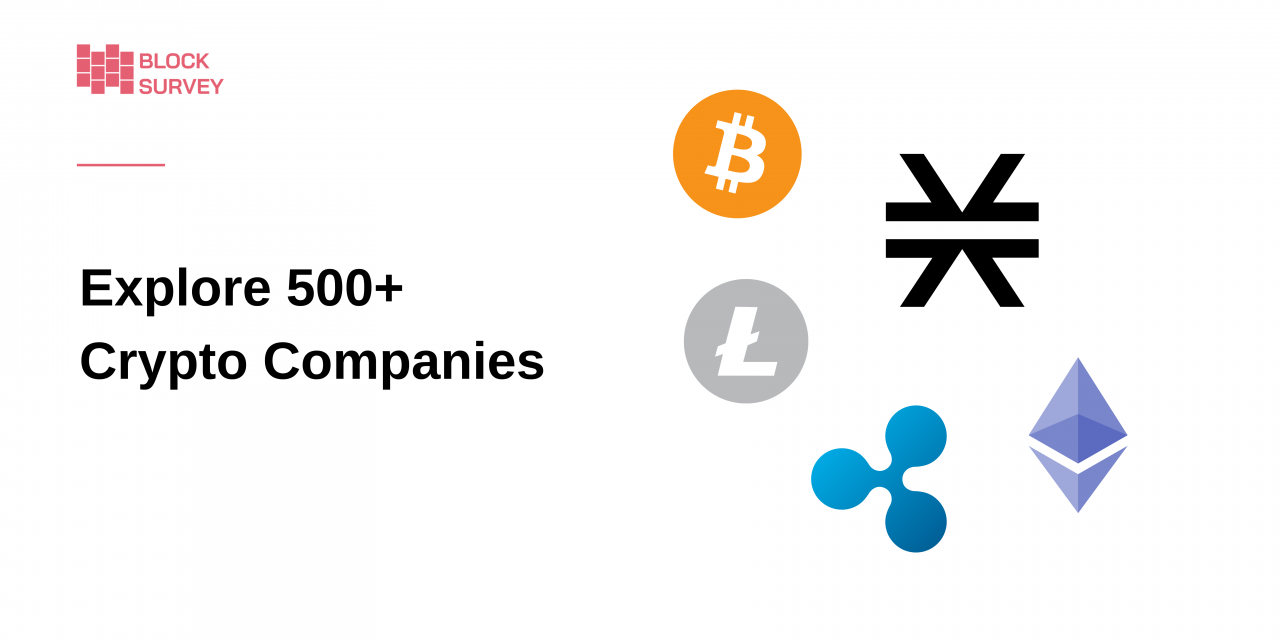
Crypto Companies List | BlockSurvey

San Diego boasts several organizations dedicated to helping crypto startups thrive. These include:

Techstars

A well-known accelerator that provides mentorship and funding to early-stage companies, including those in the crypto space.

The San Diego Innovation Council

This initiative fosters innovation by connecting entrepreneurs with resources, funding, and mentorship.

Partnerships with Universities

Local universities, such as UC San Diego, have begun collaborating with crypto firms to enhance research and development in blockchain technology. These partnerships facilitate knowledge exchange and help train the next generation of tech professionals.

Regulatory Environment for Crypto Companies

Understanding the regulatory landscape is essential for any business in the crypto sector. San Diego’s regulations have evolved to address the unique challenges posed by cryptocurrencies.

Impact of Local Regulations

San Diego’s regulatory environment reflects a blend of state and federal laws governing cryptocurrency operations. Local authorities have implemented guidelines to promote transparency while ensuring consumer protection. These regulations can differ significantly from those in other regions, creating both challenges and opportunities for businesses.

Investment Trends in Crypto Sector

The investment landscape for crypto companies in San Diego has become increasingly active, with venture capital showing strong interest.

Recent Funding Trends

Recent funding rounds have seen local crypto startups attract millions in investments. Notable examples include:

  • Ternio, which raised $20 million to expand its blockchain payment solutions.
  • Forte, securing $185 million to develop its gaming platform.

This influx of capital indicates a growing confidence in the local crypto market and highlights emerging areas that are attracting investor attention.

Community Engagement and Events

San Diego’s crypto community is vibrant, with numerous events and initiatives aimed at fostering collaboration and education.

Major Crypto Events and Conferences

How crypto companies can go public in 2021, explained

The city hosts several significant crypto-related events, such as:

San Diego Blockchain Week

An annual event featuring panels, workshops, and networking opportunities for industry professionals and enthusiasts.

Crypto Meetups

Regular gatherings where individuals can share insights and connect with others in the crypto space.These initiatives promote blockchain education and adoption, helping to build a knowledgeable and engaged community.

Future Prospects of Crypto in San Diego

Looking ahead, the future of crypto in San Diego appears promising, with several anticipated trends on the horizon.

Anticipated Trends and Innovations

Emerging technologies, such as decentralized finance (DeFi) and non-fungible tokens (NFTs), are expected to gain traction in the local market. Additionally, regulatory frameworks may continue to evolve, providing clearer guidelines for crypto businesses.However, potential challenges, such as market volatility and competition from other regions, could arise. Nevertheless, the opportunities for growth and collaboration within San Diego’s crypto ecosystem remain substantial, positioning the region as a leader in the blockchain space.

Last Word

In conclusion, the future of crypto companies san diego looks bright as the region continues to attract talent and investment. With innovative startups and a robust support system in place, San Diego is poised to play a significant role in the global crypto market. As we look ahead, the combination of opportunities and challenges will undoubtedly shape the landscape, making it an exciting space to watch.

Helpful Answers

What types of services do crypto companies in San Diego offer?

They provide a range of services including trading platforms, blockchain development, crypto wallets, and consultancy.

How can I invest in crypto companies in San Diego?

Investing can be done through venture capital firms, direct investments, or participating in crowdfunding campaigns launched by startups.

Are there networking events for crypto enthusiasts in San Diego?

Yes, there are numerous meetups and conferences held regularly that focus on blockchain and cryptocurrency topics.

How are crypto companies in San Diego regulated?

They must comply with state and federal regulations, which can vary significantly from those in other regions.

What are some challenges faced by crypto businesses in San Diego?

Challenges include regulatory hurdles, market volatility, and competition from other tech hubs.

Bitcoin leverage meaning opens up a thrilling avenue for traders seeking to amplify their investment potential. By utilizing leverage, traders can control larger positions in Bitcoin than their initial capital would typically allow. This approach not only enhances profit opportunities but also introduces unique risks that necessitate a solid understanding of how it works in the fast-paced world of cryptocurrency.

In this discussion, we delve into the definition of leverage in Bitcoin trading, explore the various types of leverage available, and highlight the associated risks and benefits. Additionally, we’ll provide practical strategies for effective leverage use and touch upon regulatory aspects and future trends that could shape the landscape of leveraged trading.

Definition of Bitcoin Leverage

Leverage in Bitcoin trading refers to the use of borrowed funds to increase the potential return on investment. This concept allows traders to control larger positions than their actual capital would permit. In the context of cryptocurrency markets, leverage can significantly amplify gains or losses, making it a popular yet risky strategy among traders.In leveraged trading, a trader borrows capital from a broker or exchange to increase their trading position.

For instance, if a trader uses 10x leverage, they can control $10,000 worth of Bitcoin with just $1,000 of their own funds. This means that if Bitcoin’s price increases by 10%, the trader’s profit would be $1,000, representing a 100% return on their initial investment. However, the reverse is also true; if the price drops by 10%, the trader would incur a $1,000 loss, wiping out their initial investment.Key terms associated with leveraged trading include:

  • Margin: The amount of money a trader needs to deposit to open a leveraged position.
  • Equity: The total value of a trader’s account, including both the initial capital and any profits or losses from open positions.
  • Liquidation: The process by which a broker closes a trader’s position if their equity falls below a certain threshold, often due to a significant loss.

Types of Leverage in Bitcoin Trading

Traders can access various levels of leverage depending on their trading strategy and the platform used. Different exchanges offer different leverage options, ranging from as low as 2x to as high as 100x.The primary distinctions between high leverage and low leverage trading strategies are the risk and potential reward associated with each. High leverage can lead to significant profits but also increases the likelihood of substantial losses.

Conversely, lower leverage tends to be safer, allowing for steadier gains over time.Several platforms provide diverse leverage options for Bitcoin trading, including:

  • Binance: Offers leverage up to 125x.
  • BitMEX: Allows trading with leverage as high as 100x.
  • Kraken: Provides up to 5x leverage on various crypto assets.

Risks Associated with Bitcoin Leverage

Utilizing leverage in Bitcoin trading can lead to significant risks, primarily due to the volatile nature of cryptocurrency markets. High leverage can result in rapid losses and trigger liquidation events if the market moves against a trader’s position.Statistics highlight the consequences of high leverage trading. For example, during a market downturn, traders using 100x leverage can experience liquidation much faster than those using lower leverage, often within minutes.

The risk of losing the entire investment is very real and should be carefully considered before engaging in leveraged trading.To mitigate these risks, traders should implement sound risk management strategies, such as:

  • Setting Stop-Loss Orders: Automatically close positions at predetermined loss levels.
  • Diversifying Trades: Spreading investments across different assets to reduce exposure.
  • Using Lower Leverage: Opting for more manageable levels of leverage can help protect against rapid market movements.

Benefits of Using Leverage in Bitcoin Trading

Leverage offers several advantages that can maximize trading profits when used judiciously. One of the most significant benefits is the potential for higher returns on investment, allowing traders to amplify their gains on successful trades.Successful leverage trades in Bitcoin can lead to impressive profits. For instance, if a trader buys Bitcoin at $30,000 using 10x leverage and the price rises to $40,000, the return would be substantial, showcasing the power of leverage when the market moves favorably.A comparison between trading with and without leverage highlights key differences:

Without Leverage With Leverage (10x)
Initial Investment: $1,000 Initial Investment: $1,000
Bitcoin Price Increase: 10% Bitcoin Price Increase: 10%
Profit: $100 Profit: $1,000

How to Use Leverage Effectively in Bitcoin Trading

Setting up leveraged trades on popular trading platforms involves a few straightforward steps. Firstly, traders need to create an account on an exchange that supports leverage. After verifying their identity, they can deposit funds and select the amount of leverage they wish to use.Monitoring leverage positions is crucial, especially in a volatile market. Traders should regularly check market trends and adjust their positions accordingly to safeguard their investments.

Additionally, understanding when to scale back leverage in response to changing market conditions is vital for long-term success.Some tips for choosing the right leverage for different trading strategies include:

  • Assessing Risk Tolerance: Determine how much risk you are willing to take on before selecting leverage levels.
  • Setting Clear Goals: Align leverage with specific trading objectives, whether short-term or long-term.
  • Experimenting with Different Levels: Try various leverage options on demo accounts to find the most comfortable level.

Regulatory Aspects of Bitcoin Leverage

The regulations governing leveraged trading in Bitcoin vary significantly across jurisdictions. Some countries have strict rules that limit the amount of leverage available, while others have more lenient regulations.Regulatory changes can impact Bitcoin leverage trading by affecting how exchanges operate and the maximum leverage they can offer. Traders must stay informed about these changes as they can directly influence trading strategies.Key regulatory bodies overseeing cryptocurrency trading include:

  • Commodity Futures Trading Commission (CFTC): Regulates cryptocurrency derivatives in the United States.
  • Financial Conduct Authority (FCA): Oversees derivatives and leveraged trading in the UK.
  • European Securities and Markets Authority (ESMA): Provides guidelines for trading across EU member states.

Future Trends in Bitcoin Leverage Trading

Emerging trends in leveraged trading within the cryptocurrency space indicate a growing sophistication among traders. As technology continues to advance, automated trading systems and algorithms are becoming more prevalent, allowing for more refined leverage strategies.The potential impact of technological advancements on Bitcoin leverage trading strategies is substantial, enabling traders to react swiftly to market changes and optimize their positions. Moreover, shifts in market sentiment, influenced by news, regulations, and economic factors, will likely shape future leverage options.As the market matures, traders can expect more innovative leverage products that cater to diverse investment strategies and risk appetites.

The landscape of Bitcoin leverage trading is evolving rapidly, with opportunities and challenges arising for both new and experienced traders.

Last Recap

In conclusion, understanding bitcoin leverage meaning is essential for any trader looking to navigate the intricate world of cryptocurrency trading. While leveraging can significantly boost potential profits, it carries inherent risks that must be carefully managed. By equipping oneself with knowledge and strategies discussed here, traders can make more informed decisions and potentially enhance their trading success.

Commonly Asked Questions

What is leverage in Bitcoin trading?

Leverage in Bitcoin trading allows traders to control larger positions with a smaller amount of capital by borrowing funds from a broker.

How does margin work in leveraged trading?

Margin is the amount of money that a trader needs to deposit to open a leveraged position; it acts as collateral for the borrowed funds.

What are the typical leverage ratios available for Bitcoin trading?

Leverage ratios can vary widely, typically ranging from 2x to 100x, depending on the trading platform and regulatory environment.

What is liquidation in leveraged trading?

Liquidation occurs when a trader’s position is forcibly closed by the broker due to insufficient margin to cover potential losses, preventing further losses.

Can leverage increase trading losses?

Yes, while leverage can amplify gains, it equally amplifies losses, making risk management crucial for leveraged trading.

Buying and sending Bitcoin with a debit card is becoming increasingly popular. This method offers convenience and accessibility, but it’s crucial to understand the security considerations and the various platforms available. The process, while straightforward, involves careful navigation of the digital landscape.

This comprehensive guide delves into the specifics of using debit cards for Bitcoin transactions, covering everything from the initial purchase to secure sending. It provides a detailed comparison with alternative methods, highlighting the pros and cons of each. Security is paramount, and we’ll examine the measures taken by reputable exchanges to protect user funds.

Introduction to Bitcoin Transactions with Debit Cards

Buying and sending Bitcoin using a debit card is a convenient method for accessing the cryptocurrency market. This approach simplifies the process for individuals unfamiliar with traditional cryptocurrency exchanges or wallets. However, understanding the nuances of this method, including the steps involved and the associated security considerations, is crucial for a smooth and secure transaction.

Purchasing Bitcoin with a Debit Card

The process of purchasing Bitcoin using a debit card typically involves a platform that facilitates the exchange. Users initiate the transaction through a user-friendly interface on the platform. This interface often displays real-time exchange rates, allowing users to monitor the value of their Bitcoin purchases.

Security Considerations in Bitcoin Transactions

Security is paramount in cryptocurrency transactions. Users should prioritize platforms with robust security measures, including encryption and multi-factor authentication. Furthermore, they should scrutinize the platform’s reputation and user reviews before engaging in any transaction. Using strong passwords, enabling two-factor authentication, and keeping software updated are also crucial. Protecting sensitive information, such as debit card details, is paramount.

Transaction Steps

This table Artikels the typical steps involved in a Bitcoin purchase using a debit card, highlighting the user interface elements:

Step User Interface Element Action
1 Platform Login Log in to the Bitcoin platform using your registered credentials.
2 Bitcoin Purchase Screen Select the “Buy Bitcoin” option. The screen will display the current Bitcoin price and available options for purchasing.
3 Amount Input Field Enter the desired amount of Bitcoin to purchase.
4 Payment Method Selection Select “Debit Card” as the payment method.
5 Debit Card Information Entry Enter the debit card details, including card number, expiry date, and CVV.
6 Review and Confirmation Review the transaction details, including the amount, exchange rate, and total cost. Confirm the purchase.
7 Transaction Confirmation The platform will display a confirmation message and process the transaction. Upon successful completion, the user’s Bitcoin wallet will be credited with the purchased amount.

Comparison of Bitcoin Purchase Methods

Purchasing Bitcoin offers various avenues, each with its own set of advantages and disadvantages. Understanding these options is crucial for making informed decisions. This comparison will explore the nuances of buying Bitcoin with debit cards, contrasting it with alternative methods like bank transfers and peer-to-peer transactions. We’ll analyze the strengths and weaknesses of each approach, focusing on factors like transaction fees, processing time, and security.

Debit Card vs. Other Purchase Methods

Different methods for acquiring Bitcoin cater to various needs and preferences. Debit cards provide a convenient way to purchase Bitcoin instantly, while bank transfers often offer lower fees but involve longer processing times. Peer-to-peer (P2P) exchanges can be attractive for potentially lower fees but may present higher security risks.

Pros and Cons of Using Debit Cards for Bitcoin Transactions

Using debit cards for Bitcoin purchases presents distinct advantages and drawbacks.

  • Pros: Ease of use, often instant transactions, and integration with existing payment systems. Debit card transactions are typically processed quickly, allowing for immediate access to Bitcoin holdings.
  • Cons: Potentially higher transaction fees compared to other methods, and security concerns remain a consideration. Debit card transactions may incur higher fees compared to other options like bank transfers, and there’s a possibility of fraud or unauthorized access to the card.

Types of Bitcoin Exchanges Accepting Debit Cards

Numerous Bitcoin exchanges support debit card transactions. Some well-known platforms facilitating Bitcoin purchases using debit cards include Coinbase, Kraken, and Gemini. The selection of exchanges accepting debit cards can vary by location and the specific card issuer.

Transaction Fees and Processing Times

The table below Artikels typical transaction fees and processing times for various Bitcoin purchase methods. It’s important to note that these are estimates, and actual figures may vary depending on the specific exchange, payment processor, and individual circumstances.

Method Transaction Fees Processing Time
Debit Card 0.5%

2% (or a fixed amount) + potential network fees

Instant (usually)

a few minutes

Bank Transfer 0%

0.5% (often very low) + potential bank fees

1-3 business days (or longer)
Peer-to-Peer (P2P) Variable (often lower than other methods) + potential fees from intermediary Instant (usually)

a few hours

Note: Fees and processing times can vary greatly between exchanges, payment processors, and even the time of year. Always confirm with the specific exchange or provider for precise details before initiating a transaction.

Security and Privacy in Bitcoin Transactions

Bitcoin transactions, while offering a decentralized alternative to traditional finance, still carry inherent security and privacy concerns. Understanding these risks and the measures taken by exchanges is crucial for users to make informed decisions. A robust understanding of security protocols and the potential pitfalls is paramount to a safe experience.Security measures employed by reputable Bitcoin exchanges accepting debit cards are multifaceted.

They often leverage industry-standard encryption techniques to protect user data and transactions. These methods, including TLS/SSL encryption, safeguard sensitive information during transmission. Furthermore, these exchanges often utilize advanced fraud detection systems to identify and mitigate potential risks.

Security Measures by Bitcoin Exchanges

Bitcoin exchanges frequently implement robust security measures to protect user funds and data. These measures often include multi-layered security protocols, firewalls, and intrusion detection systems. They are crucial to maintaining the integrity and security of the platform and its users.

  • Encryption: Data encryption, typically using TLS/SSL, protects user data during transmission between the user’s device and the exchange’s servers. This process scrambles the information, making it unreadable to unauthorized parties.
  • Two-Factor Authentication (2FA): 2FA adds an extra layer of security, requiring users to provide a second form of verification, beyond a password. This can be a code sent to a mobile phone, a security token, or an authenticator app. This significantly reduces the risk of unauthorized access, even if a password is compromised.
  • Advanced Fraud Detection: Exchanges utilize sophisticated algorithms and systems to detect unusual transaction patterns, potentially indicating fraudulent activity. This proactive approach helps to identify and prevent fraudulent transactions before they occur. For example, a sudden spike in large transactions from a single account might trigger an alert.

Importance of Strong Passwords and 2FA

Strong passwords and 2FA are fundamental security measures for all online accounts, including those used for Bitcoin transactions. Choosing strong passwords and enabling 2FA is crucial to preventing unauthorized access to your accounts.

  • Strong Passwords: A strong password is more than just a few letters or numbers. It’s a combination of uppercase and lowercase letters, numbers, and symbols, ideally with a length of 12 characters or more. Avoid using easily guessable words or phrases, your name, or other personal information.
  • Two-Factor Authentication (2FA): Using 2FA significantly enhances security. If a hacker gains access to your password, they still won’t be able to access your account without the second verification factor. This added layer of security is a crucial defense against unauthorized access.

Risks Associated with Using Debit Cards for Bitcoin Transactions

Using debit cards for Bitcoin transactions introduces specific risks, including potential issues with transaction fees, fraud, and data breaches. Understanding these risks is important to mitigating them.

  • Debit Card Fraud: Fraudulent activity targeting debit card transactions can occur. Users should be vigilant about suspicious requests and maintain up-to-date antivirus software and firewalls to protect against malware.
  • Transaction Fees: Debit card transaction fees can vary, impacting the overall cost of purchasing Bitcoin. It’s essential to compare fees across different exchanges and platforms.

Privacy Implications of Using Debit Cards for Cryptocurrency Transactions

Using debit cards for cryptocurrency transactions introduces privacy considerations. While Bitcoin transactions themselves are pseudonymous, linking them to a specific debit card potentially exposes the user’s financial history.

  • Debit Card Information: The exchange might have access to your debit card information, which could potentially raise privacy concerns. It’s essential to choose exchanges with strong privacy policies and data security measures.

Best Practices for Secure Bitcoin Transactions

Following best practices is crucial to mitigate risks and ensure a safe and secure experience.

Best Practice Explanation
Use strong passwords Strong passwords are crucial to preventing unauthorized access to your accounts.
Enable 2FA 2FA provides an additional layer of security.
Review transaction details Carefully review transaction details before confirming any purchase.
Choose reputable exchanges Select exchanges with proven track records and strong security protocols.
Monitor your accounts Regularly monitor your accounts for any suspicious activity.

Regulations and Legal Aspects

The regulatory environment surrounding Bitcoin purchases using debit cards is complex and varies significantly across jurisdictions. Navigating these differences is crucial for both consumers and businesses involved in facilitating these transactions. This section examines the legal implications, compliance requirements, and the diverse regulatory landscapes impacting Bitcoin transactions.

Regulatory Landscape by Region

The legal framework for Bitcoin transactions is not uniform globally. Countries have varying degrees of acceptance and regulation, impacting how Bitcoin purchases and transfers using debit cards are treated. Some countries have embraced Bitcoin more openly, while others have imposed stricter regulations or outright prohibitions.

Legal Implications of Bitcoin Purchases

The legal implications of buying and sending Bitcoin with a debit card depend heavily on the specific jurisdiction. In some regions, Bitcoin transactions are treated as similar to traditional financial transactions, subject to existing financial regulations. In others, the decentralized nature of Bitcoin presents unique challenges to traditional legal frameworks. A crucial aspect is determining whether the exchange or platform facilitating the transaction adheres to the local legal requirements.

These regulations often involve issues of money laundering, taxation, and consumer protection.

Compliance Requirements for Bitcoin Exchanges

Bitcoin exchanges operating in regulated jurisdictions face stringent compliance requirements. These requirements often include Know Your Customer (KYC) procedures to verify user identities and Anti-Money Laundering (AML) measures to prevent illicit activity. Exchanges must comply with local regulations concerning reporting and record-keeping, ensuring transparency and accountability. This compliance can involve extensive documentation and ongoing monitoring to prevent illicit activities.

Legal Frameworks Governing Bitcoin Transactions

The regulatory landscape for Bitcoin transactions varies significantly across the globe. Below is a table highlighting the legal frameworks in various countries, but it’s crucial to note that regulations are constantly evolving, and this information is not exhaustive.

Country Legal Framework Key Considerations
United States A mix of federal and state regulations, often applied to financial institutions and businesses operating within the country. Clarity on the exact classification of Bitcoin as property or currency is still evolving. Navigating the diverse approaches of various states and the evolving federal regulations is a key challenge for both consumers and businesses.
European Union EU regulations such as the Payment Services Directive (PSD2) and the Fifth Anti-Money Laundering Directive (5AMLD) are applicable to Bitcoin exchanges and related activities. Compliance with EU regulations is mandatory for exchanges operating within the EU, covering aspects like KYC and AML measures.
Japan Japan has a relatively progressive approach, treating Bitcoin as a form of property with established regulatory frameworks in place. Bitcoin transactions are generally treated as similar to traditional financial transactions, with specific rules concerning taxation and reporting.
China China has a complex regulatory landscape that has seen periods of both openness and restrictions towards Bitcoin. The regulatory stance on Bitcoin and cryptocurrencies has been inconsistent, often leading to periods of prohibition and relaxation.

User Experience and Interface Design

A seamless user experience is crucial for the adoption of Bitcoin purchases using debit cards. Intuitive interfaces and streamlined processes are key to encouraging user engagement and minimizing friction. A well-designed platform fosters trust and confidence, making the entire process approachable for newcomers and experienced users alike.The design of the user interface for Bitcoin exchanges accepting debit cards should prioritize clarity, security, and ease of use.

Clear prompts, readily accessible information, and visually appealing layouts contribute to a positive user experience. A well-structured platform ensures that users can easily navigate through the process of purchasing and sending Bitcoin.

User Experience for Bitcoin Purchases

A positive user experience begins with a clear understanding of the steps involved. Users should be able to easily initiate a transaction, review details, and complete the purchase with minimal effort. This includes providing a comprehensive overview of transaction fees and potential risks, presenting the information in a transparent and straightforward manner. Security measures should be prominently displayed, reassuring users of the platform’s commitment to their safety.

Interface Design for Bitcoin Exchanges

The user interface of a Bitcoin exchange accepting debit cards should be designed with user-friendliness in mind. A clean layout, organized sections, and intuitive navigation are essential for a positive experience. The design should be adaptable across different devices, ensuring a consistent and responsive experience for users regardless of their platform of choice. Error messages should be clear and actionable, helping users resolve any issues quickly and efficiently.

Improving Efficiency Through UI Design

Streamlined workflows and clear visualizations significantly enhance efficiency. Using progress bars during transactions provides users with a real-time understanding of the transaction status. Visual cues, such as highlighting important information or visually separating sections, can also aid in comprehension. Implementing interactive elements, such as tooltips or context-sensitive help, allows users to readily access information without disrupting their workflow.

User Interface Elements for Bitcoin Exchanges

Element Description
Transaction Initiation Clear buttons or fields for initiating a purchase or sending transaction. The interface should present a list of available payment methods, clearly identifying the debit card option.
Payment Information Input Secure fields for entering debit card details. Implementing tokenization or other security measures should be clearly stated. The fields should be clearly labeled and visually separated.
Transaction Review A comprehensive overview of the transaction, including the amount, transaction fees, recipient address, and relevant transaction details. This section should clearly display the Bitcoin amount and the equivalent currency value.
Confirmation and Completion A clear confirmation message or a summary page, confirming the transaction details and acknowledging the successful transaction. This should include a unique transaction ID or reference number.
Security Indicators Visually prominent indicators of security measures, such as encryption protocols or secure connection status. Clear warnings for potentially risky transactions should be presented.

Alternatives to Buying Bitcoin

Beyond using debit cards, several methods exist for acquiring Bitcoin. These alternatives cater to different needs and preferences, offering varying degrees of convenience, security, and cost. Understanding these options allows users to choose the method best suited to their individual circumstances.

Alternative Acquisition Methods

Various methods exist for acquiring Bitcoin beyond direct debit card purchases. These include peer-to-peer transactions, using gift cards, and leveraging exchanges or brokers. Each method presents unique advantages and disadvantages.

Peer-to-Peer Transactions

Peer-to-peer (P2P) exchanges facilitate direct transactions between buyers and sellers. This often involves using a dedicated platform or app that allows users to meet and negotiate transactions directly.

  • Advantages: P2P exchanges can offer potentially lower fees compared to centralized exchanges. They can also provide greater control over the transaction process for both buyer and seller.
  • Disadvantages: P2P transactions can be more time-consuming due to the need for direct negotiation and meeting arrangements. Security risks are higher due to the direct interaction between parties, requiring greater caution to ensure legitimacy and avoid scams.
  • Example: LocalBitcoins is a popular P2P platform enabling users to buy and sell Bitcoin directly with local contacts.

Using Gift Cards

Some Bitcoin platforms accept gift cards as payment for Bitcoin purchases. This can provide an alternative payment method for users who wish to avoid using traditional bank accounts or debit cards.

  • Advantages: Gift card transactions can be convenient for users who do not wish to expose their bank details. They may also be useful for users with limited or restricted bank accounts.
  • Disadvantages: Gift card transactions may be subject to restrictions or limitations imposed by the gift card provider. Additionally, the availability of gift card options might be limited, depending on the platform.
  • Example: Certain Bitcoin exchanges might accept gift cards from retailers like Amazon or other providers.

Utilizing Exchanges and Brokers

Exchanges and brokers provide a platform to buy and sell Bitcoin. They typically offer more features and functionalities compared to P2P platforms.

  • Advantages: Exchanges often provide a wider range of payment methods and a secure platform for trading Bitcoin. They also frequently offer various tools and educational resources for users.
  • Disadvantages: Exchanges may charge higher fees compared to P2P transactions. Security is paramount, and users must understand the security protocols and risks associated with each platform.
  • Example: Coinbase and Kraken are popular exchanges offering Bitcoin purchases with various payment options.

Comparison Table

Method Advantages Disadvantages Examples
P2P Transactions Potentially lower fees, greater control Time-consuming, higher security risks LocalBitcoins
Gift Cards Convenience, avoids bank details Restrictions, limited availability Specific Bitcoin exchange platforms
Exchanges/Brokers Wider payment methods, security features Higher fees, platform security risks Coinbase, Kraken

Bitcoin Transactions for Beginners

Understanding Bitcoin transactions is crucial for anyone wanting to use this digital currency. These transactions are fundamentally different from traditional banking, relying on a decentralized network rather than banks or financial institutions. This section will explain the basic concepts, steps, and technical aspects of Bitcoin transactions, enabling you to confidently send and receive Bitcoin using a wallet.

Fundamental Concepts of Bitcoin Transactions

Bitcoin transactions are based on cryptographic principles. Each transaction involves a transfer of value from one Bitcoin address to another. This transfer is recorded on a public ledger called the blockchain. Crucially, this ledger is distributed across a network of computers, making it secure and transparent. The fundamental concepts of Bitcoin transactions are the address, the transaction itself, and the blockchain.

Steps Involved in Sending and Receiving Bitcoin

Sending and receiving Bitcoin involves several steps, generally following this process:

  • Generating a Bitcoin wallet: A Bitcoin wallet is a software or hardware application that acts as your digital vault for storing and managing your Bitcoin. It provides a unique address for receiving Bitcoin and a private key for authorizing transactions.
  • Adding funds to your wallet: Fund your Bitcoin wallet by purchasing Bitcoin from an exchange or a service that supports buying Bitcoin with a debit card. The funds are then stored within your wallet, ready for transaction.
  • Verifying the recipient’s address: Double-check the recipient’s Bitcoin address to ensure accuracy. A single typo can result in the Bitcoin being sent to the wrong address and lost permanently.
  • Sending the Bitcoin: Enter the amount of Bitcoin you wish to send and confirm the transaction using your wallet’s interface.
  • Confirming the transaction: The transaction will be broadcast to the Bitcoin network. Confirmation occurs when the transaction is validated by the network, typically taking several confirmations to ensure finality. The confirmation number reflects the validation status and is a key factor in understanding transaction status.
  • Receiving the Bitcoin: The recipient’s wallet will receive the Bitcoin once the transaction is confirmed.

Technical Aspects of Bitcoin Transactions

Bitcoin transactions are digitally signed using cryptography. A unique cryptographic hash is generated for each transaction, acting as a digital fingerprint, ensuring its integrity and preventing unauthorized modification. This hash is then added to the blockchain, a continuously growing public ledger.

The blockchain is a distributed, immutable ledger that records all Bitcoin transactions.

This ensures transparency and security. The technical aspects of Bitcoin transactions are complex but, importantly, are underpinned by the underlying cryptographic principles.

Using a Bitcoin Wallet for Transactions

Different Bitcoin wallets offer various interfaces for managing transactions. The process typically involves these steps:

  1. Accessing the wallet: Open the Bitcoin wallet application on your computer or mobile device.
  2. Navigating to the transaction section: Find the section dedicated to sending or receiving Bitcoin. The layout and functionality vary among wallet types.
  3. Entering recipient details: Input the recipient’s Bitcoin address. Double-check for accuracy to avoid errors.
  4. Specifying the transaction amount: Enter the desired amount of Bitcoin to be sent.
  5. Reviewing and confirming: Carefully review the transaction details, including the amount, recipient address, and fees. Confirm the transaction once you’re satisfied with all details.

Buying Bitcoin – General Overview

Buy and send bitcoin with debit card

Bitcoin, a decentralized digital currency, is purchased through various methods. Understanding these methods, along with their associated advantages and disadvantages, is crucial for making informed decisions. This overview provides a comprehensive understanding of the process and available platforms.Purchasing Bitcoin involves interacting with exchanges and services, often requiring a debit or credit card, bank transfer, or other payment methods. Each approach presents a unique trade-off between speed, security, and cost.

Different Methods for Buying Bitcoin

Several methods facilitate the acquisition of Bitcoin. These methods vary in complexity and convenience, influencing the overall experience for the user.

  • Using a Debit or Credit Card: This is a common and straightforward method for purchasing Bitcoin, enabling immediate transactions. Users can directly connect their bank accounts to designated platforms, streamlining the process. However, this method might involve higher fees and may not always be available globally.
  • Bank Transfer: This method often necessitates a waiting period for the funds to be processed by the exchange. While generally lower in fees compared to card transactions, it might be less convenient for users seeking immediate access to Bitcoin. This method is preferred by many users seeking the lowest possible fees.
  • P2P Exchanges: Peer-to-peer (P2P) exchanges connect buyers and sellers directly, facilitating transactions outside traditional exchange platforms. This approach often offers more control over the transaction process, potentially leading to lower fees. However, it also necessitates a higher degree of due diligence to ensure the security and legitimacy of the transaction.
  • Cryptocurrency Exchanges: Dedicated cryptocurrency exchanges offer a wide array of cryptocurrencies, including Bitcoin, alongside trading services. These exchanges frequently have various features, including charting tools and advanced order types, for experienced users. However, they might come with higher fees and require a higher level of technical understanding.

Advantages and Disadvantages of Each Method

The selection of a specific Bitcoin purchase method depends on various factors. Understanding the strengths and weaknesses of each method helps in making informed decisions.

  • Debit/Credit Card:
    • Advantages: Immediate purchase, user-friendly interface.
    • Disadvantages: Higher fees, potential security risks if not conducted on reputable platforms.
  • Bank Transfer:
    • Advantages: Potentially lower fees, greater control over transaction timing.
    • Disadvantages: Longer processing times, less immediate access to Bitcoin.
  • P2P Exchanges:
    • Advantages: Potential for lower fees, direct interaction with sellers.
    • Disadvantages: Higher risk of scams or fraudulent activity, requires careful scrutiny of sellers.
  • Cryptocurrency Exchanges:
    • Advantages: Wide range of cryptocurrencies, advanced trading tools.
    • Disadvantages: Potential for higher fees, requires more technical knowledge.

Comparison of Bitcoin Purchase Platforms

A comparative table highlights the key features of various platforms used for buying Bitcoin.

Platform Ease of Use Fees Security Availability
Coinbase High Moderate High Wide
Gemini High Moderate High Wide
Kraken Medium Low to Moderate High Wide
LocalBitcoins Medium Variable Moderate Variable
Binance Medium Low to Moderate High Wide

Detailed Information on Bitcoin

Bitcoin, a decentralized digital currency, has revolutionized the financial landscape. Its unique approach to transactions and security has attracted both enthusiasts and skeptics. Understanding its history, technology, and network is crucial for anyone navigating the world of cryptocurrencies.

History and Development of Bitcoin

Bitcoin emerged from a whitepaper published in 2008 by a person or group known as Satoshi Nakamoto. This document Artikeld a system for peer-to-peer electronic cash transactions. The initial launch of the Bitcoin network occurred in 2009. This innovative approach challenged traditional financial systems by eliminating intermediaries like banks. Key milestones in its development include the increasing adoption by businesses and individuals, along with ongoing technological advancements.

The development has been characterized by periods of rapid growth, volatility, and regulatory scrutiny.

Underlying Technology Behind Bitcoin

Bitcoin relies on cryptography to secure transactions and control the creation of new coins. A key concept is the blockchain, a distributed ledger that records every transaction. This ensures transparency and immutability. Bitcoin’s cryptographic hashing algorithm secures the integrity of the blockchain, making tampering with transactions practically impossible.

Overview of the Bitcoin Network

The Bitcoin network operates as a decentralized system, with no single entity controlling its operation. Millions of computers around the world participate in validating transactions and adding them to the blockchain. This consensus mechanism ensures the integrity and security of the network. Nodes, or computers, communicate and validate transactions to maintain the network’s integrity. Bitcoin mining is a critical process within this network, responsible for adding new blocks of transactions to the blockchain.

Comparison of Different Bitcoin Blockchains

Different Bitcoin blockchains, while sharing the fundamental principles, can exhibit variations in their technical implementation and features.

Blockchain Key Differences Example
Bitcoin Mainnet The original and most widely used blockchain. Known for its stability and security, although transaction speeds can be slower. The majority of Bitcoin transactions occur on this blockchain.
Bitcoin Cash A hard fork of Bitcoin, aiming to improve transaction throughput by increasing the size of blocks. Bitcoin Cash aims to support faster transactions by accommodating larger blocks.
Bitcoin SV Another hard fork, prioritizing data integrity and block size to accommodate more data. Bitcoin SV focuses on maintaining the integrity of the chain.

Note: Hard forks represent alternative implementations of the Bitcoin protocol that deviate from the original chain. This often leads to different blockchains with varying characteristics.

Final Wrap-Up

In conclusion, buying and sending Bitcoin with a debit card can be a convenient option for many users. However, understanding the security measures and regulatory landscape is essential. This guide has provided a thorough overview of the process, including comparisons with other methods and crucial security considerations. By understanding the nuances of this digital transaction, users can navigate the Bitcoin world with greater confidence.

Expert Answers

What are the typical transaction fees for buying Bitcoin with a debit card?

Transaction fees vary by exchange and the amount being transferred. It’s crucial to review the fees on the specific platform you’re using before initiating a transaction.

How do I choose a secure Bitcoin exchange?

Look for exchanges with strong security measures, such as two-factor authentication and robust encryption protocols. Read reviews and compare different exchanges before making a decision.

What are the risks associated with using a debit card for Bitcoin transactions?

Potential risks include unauthorized access to your debit card information, and if you don’t choose a secure platform, your Bitcoin funds might be at risk. Thorough research and careful consideration of security protocols are paramount.

What are the different types of Bitcoin wallets?

Different types of wallets exist, each with varying levels of security and usability. Software wallets are user-friendly, while hardware wallets are more secure but can be less convenient. A secure wallet is key for protecting your Bitcoin assets.

Business marketing research is a crucial element that fuels informed decision-making and strategic planning in today’s competitive landscape. It acts as a compass, guiding businesses through the intricate maze of market demands and consumer preferences, ultimately shaping their product offerings and marketing strategies.

By delving into various research methods, such as qualitative and quantitative techniques, businesses can gather invaluable insights. Understanding customer needs and preferences allows for a more tailored approach, ensuring that products resonate with their target audience.

Importance of Business Marketing Research

In today’s competitive business landscape, understanding the market is crucial for making informed decisions. Market research plays a vital role in guiding companies through the complexities of consumer behavior, preferences, and emerging trends. It serves as the backbone for strategic planning, product development, and effective marketing strategies.Marketing research significantly impacts business decision-making by providing insights that help organizations identify opportunities and mitigate risks.

A well-conducted market research study can illuminate gaps in the market, leading to innovative product development that resonates with customers. Furthermore, understanding customer needs and preferences through marketing research enables businesses to tailor their offerings, ensuring higher satisfaction rates and loyalty.

Significance of Market Research in Business Decision-Making

Market research is essential for effective business decision-making. It provides data-driven insights that guide executives in crafting strategies. Without this information, companies risk making uninformed choices that could jeopardize their growth and profitability.

Impact on Product Development

Product development is heavily influenced by market research. By analyzing consumer feedback and market trends, companies can create products that meet specific needs. This process minimizes the risk of product failure and enhances market fit.

Understanding Customer Needs and Preferences

Understanding customers is at the core of marketing research. By gathering data on consumer behavior, preferences, and pain points, businesses can tailor their marketing efforts. This alignment between offerings and customer expectations fosters trust and loyalty.

Types of Business Marketing Research

There are various methods of conducting market research, each serving unique purposes and providing different insights. Recognizing these different types allows businesses to choose the most effective approach to gather relevant data.

Market Research Methods

Market research can be categorized into qualitative and quantitative methods.

  • Qualitative Research: This method focuses on understanding the underlying reasons and motivations behind consumer behavior. Techniques include interviews and focus groups.
  • Quantitative Research: This method involves collecting numerical data that can be analyzed statistically. Surveys are a common tool used in quantitative research.

Primary and Secondary Research

Research can also be classified as primary or secondary.

  • Primary Research: This involves gathering new data directly from sources, such as conducting surveys or interviews. It provides firsthand insights specific to the business’s needs.
  • Secondary Research: This utilizes existing data from published sources like reports, studies, and articles. It helps in gaining a broader understanding of market trends.

Exploratory, Descriptive, and Causal Research

Different research types serve distinct purposes:

  • Exploratory Research: Used for uncovering potential issues or opportunities. It provides insights for further investigation.
  • Descriptive Research: Focuses on describing characteristics of the population or market. It often utilizes surveys for detailed insights.
  • Causal Research: Aims to identify cause-and-effect relationships, helping businesses understand how changes in one aspect can impact another.

Methods of Conducting Business Marketing Research

Conducting effective marketing research requires employing various methodologies to gather and analyze data. Each method has its own strengths and weaknesses.

Surveys and Questionnaires

Surveys and questionnaires are popular tools for collecting quantitative data. They allow businesses to reach a larger audience and gather structured information.

Focus Groups and Interviews

Focus groups and interviews provide qualitative insights.

  • Focus Groups: These involve guided discussions with a small group of participants, offering rich insights into consumer attitudes.
  • Interviews: One-on-one conversations that delve deeper into individual consumer experiences and opinions.

Observational Research Techniques

Observational research involves watching consumers in their natural environment to gain insights into behavior. This method can reveal preferences that may not be disclosed in surveys. Techniques include ethnography and contextual inquiry.

Analyzing Data from Marketing Research

The analysis phase is crucial as it transforms raw data into actionable insights. Proper data collection and organization is essential for effective analysis.

Data Collection and Organization

Organizing collected data is key to facilitating easy analysis. Data should be classified and stored systematically to ensure accuracy and accessibility.

Statistical Methods for Data Analysis

Various statistical methods are employed to analyze marketing research data. Techniques such as regression analysis, correlation, and ANOVA help in understanding relationships and trends within the data.

Interpreting Research Findings

Interpreting research findings requires contextual understanding. Businesses must connect the dots between data and strategies to make informed decisions that align with market demands.

Implementing Findings from Marketing Research

Once research findings are analyzed, the next step is implementation. Integrating insights into marketing strategies is crucial for achieving desired outcomes.

Strategies for Integration

Businesses can utilize research data to craft targeted marketing campaigns. Tailoring messages based on consumer insights ensures higher engagement and conversion rates.

Adjusting Product Offerings

Market research insights often lead to necessary adjustments in product offerings. By aligning products with consumer preferences, companies can enhance satisfaction and loyalty.

Monitoring Marketing Effectiveness

Monitoring the effectiveness of marketing strategies is essential for continuous improvement. Businesses should establish metrics that align with research insights to evaluate success.

Challenges in Business Marketing Research

While market research is invaluable, it is not without challenges. Identifying these obstacles enables businesses to develop strategies to overcome them.

Common Obstacles

Businesses face various challenges when conducting market research, including budget constraints, time limitations, and difficulties in accessing respondents.

Overcoming Difficulties

To gather accurate data, businesses should employ diverse methods and prioritize transparency in research processes. Building rapport with respondents can also enhance data quality.

Best Practices for Ethical Research

Ensuring ethical considerations in research methodologies is paramount. This includes obtaining informed consent and guaranteeing confidentiality to build trust with participants.

Future Trends in Business Marketing Research

The landscape of marketing research is evolving, driven by technological advancements and changing consumer behavior.

Emerging Technologies

Technologies such as AI and machine learning are transforming market research methodologies, enabling faster data analysis and deeper insights.

Importance of Data Analytics

Data analytics has become increasingly important in marketing research. Businesses that leverage analytical tools can make data-driven decisions that enhance performance.

The Role of Social Media

Social media platforms have emerged as powerful tools for understanding consumer behavior. By analyzing interactions and feedback on these platforms, companies can gather real-time insights into market trends and preferences.

Final Wrap-Up

In conclusion, business marketing research serves not just as a tool for assessment, but as a vital component for growth and innovation. By effectively analyzing data and implementing findings, businesses can enhance their market presence and adapt to ever-changing consumer behaviors, paving the way for sustained success.

FAQ Summary

What is business marketing research?

Business marketing research involves the systematic gathering, recording, and analyzing of data related to marketing products and services to enhance decision-making.

Why is market research important?

Market research is essential as it provides insights into customer preferences, market trends, and competitive landscape, enabling businesses to make informed decisions.

What are common challenges in conducting market research?

Common challenges include gathering accurate data, ensuring participant engagement, and maintaining ethical standards throughout the research process.

How can businesses ensure ethical practices in marketing research?

Businesses can ensure ethical practices by obtaining informed consent, maintaining confidentiality, and being transparent about the research objectives.

What role does technology play in marketing research?

Technology enhances marketing research through tools for data collection, analysis, and visualization, providing more accurate and actionable insights.

Bitcoin flashing meaning represents a fascinating phenomenon within the cryptocurrency realm, capturing the attention of traders and enthusiasts alike. In essence, this term refers to a quick and noticeable change or activity related to Bitcoin transactions and market movements, often signaling potential opportunities or risks in trading. As Bitcoin continues to evolve, understanding this concept becomes crucial for anyone looking to navigate the ever-changing landscape of digital currencies.

The term ‘bitcoin flashing’ emerged alongside the rise of Bitcoin itself, highlighting moments of rapid price shifts or unusual transaction activity. Examples of this can be observed during market surges or crashes, where traders must be vigilant, making split-second decisions to capitalize on or protect against fluctuations. As we delve deeper into the mechanisms, implications, and community perspectives surrounding bitcoin flashing, a clearer picture will emerge for both novice and seasoned investors.

Introduction to Bitcoin Flashing

Bitcoin flashing is a term that has emerged in the cryptocurrency sphere, often used to describe rapid price movements or fluctuations in Bitcoin’s value. This phenomenon is significant for traders and investors alike, as it can lead to considerable financial implications. The term ‘flashing’ suggests a quick, possibly erratic change, fitting the unpredictable nature of cryptocurrency markets. Historically, this term gained traction as Bitcoin became more mainstream, particularly during periods of heightened market activity, such as bull runs or significant news events.The emergence of bitcoin flashing is often associated with sudden news releases, regulatory changes, or technological advancements in the blockchain space.

For instance, during significant market events, such as the announcement of institutional investments or regulatory approvals, Bitcoin can experience a rapid surge or drop in value. Scenarios where bitcoin flashing is referenced include trading sessions during major economic announcements or volatile market corrections.

Mechanisms Behind Bitcoin Flashing

The technical processes involved in bitcoin flashing are primarily driven by market demand and supply dynamics. When there is a sudden influx of buy or sell orders, it can lead to rapid price adjustments. This is where the role of blockchain technology becomes crucial. The decentralized nature of the blockchain allows for real-time transaction processing, which contributes to the speed at which prices can change.Transactions that lead to bitcoin flashing often involve high volatility and may include large sell-offs or bulk purchases.

For example, if a major investor decides to liquidate a significant portion of their Bitcoin holdings, it can trigger a cascade of selling that impacts the market price dramatically. Conversely, if news surfaces about a major company adopting Bitcoin, the subsequent buying frenzy can lead to a quick price spike.

Implications of Bitcoin Flashing

The financial implications of bitcoin flashing for traders and investors can be substantial. Rapid price changes can create both opportunities and risks. On one hand, traders can capitalize on these fluctuations through strategic buying or selling. On the other hand, the volatility associated with bitcoin flashing can result in significant losses if positions are not managed properly.Risks associated with bitcoin flashing include market volatility, which can lead to sharp price declines just as quickly as they rise.

Comparatively, bitcoin flashing can be likened to other cryptocurrency trends such as pump-and-dump schemes, where price manipulations occur, often leading to devastating losses for unwary investors. Awareness of these risks is crucial for anyone participating in the cryptocurrency market.

Strategies for Responding to Bitcoin Flashing

Traders can adopt several strategies to respond effectively during instances of bitcoin flashing. Firstly, it is essential to establish a clear trading plan that Artikels entry and exit points based on market conditions. This plan should be flexible to adapt to sudden market movements.Analyzing market trends related to bitcoin flashing can be facilitated through tools such as technical analysis and charting software.

Indicators such as moving averages and Relative Strength Index (RSI) can help traders gauge market sentiment and make informed decisions.Risk management is paramount when engaging in scenarios of flashing bitcoin. Traders should set stop-loss orders to limit potential losses and diversify their portfolios to mitigate risks. Additionally, staying informed about market news and trends can significantly enhance decision-making during volatile periods.

Community Perspectives on Bitcoin Flashing

The cryptocurrency community’s perspectives on bitcoin flashing vary widely. While some view it as a natural part of the crypto trading landscape, others express concern about its impact on market integrity. Many traders discuss tactics for navigating these fluctuations on platforms like Reddit and various crypto forums, where they share insights and experiences.Opinions regarding the legitimacy of bitcoin flashing are often polarized.

Some community members argue that it reflects genuine market interest and activity, while others believe it may foster an environment for manipulation. Active discussions in online forums highlight the diversity of views on the topic and its significance within the broader cryptocurrency ecosystem.

Future of Bitcoin Flashing

The future of bitcoin flashing is likely to evolve as the market continues to mature. Trends such as increased institutional adoption and regulatory developments could influence the frequency and intensity of flashing events. As more traditional financial entities enter the cryptocurrency space, the market dynamics may shift, potentially stabilizing some of the volatility currently associated with bitcoin flashing.Technological advancements, such as improved trading algorithms and AI-driven market analysis tools, may also play a role in shaping the future landscape of bitcoin flashing.

Industry experts predict that as the market becomes more sophisticated, the occurrences of extreme price movements may become less frequent, allowing for a more stable trading environment.In summary, the significance of bitcoin flashing is expected to persist as a notable feature of the cryptocurrency market, driving ongoing discussions and analyses among traders and investors alike.

Last Word

In summary, understanding bitcoin flashing meaning provides invaluable insights for traders and investors looking to navigate the complexities of cryptocurrency. By analyzing the mechanisms behind this phenomenon, recognizing its implications, and staying attuned to community perspectives, individuals can better position themselves in the market. As the cryptocurrency landscape continues to evolve, monitoring trends like bitcoin flashing will be essential for making informed decisions in the future.

FAQs

What is bitcoin flashing?

Bitcoin flashing refers to rapid changes in Bitcoin market activity, often indicating significant price movements or trading opportunities.

How does bitcoin flashing affect traders?

It can create opportunities for profit but also introduces risks due to market volatility, requiring traders to react quickly.

What role does blockchain play in bitcoin flashing?

Blockchain technology facilitates the transactions that lead to bitcoin flashing, ensuring transparency and security in the market.

Are there specific tools for analyzing bitcoin flashing?

Yes, traders often utilize market analysis tools and indicators to track price movements and identify potential bitcoin flashing events.

Is bitcoin flashing a reliable indicator for trading?

While it can provide insights, relying solely on bitcoin flashing is risky; it should be considered alongside other market factors.

Bitcoin and crypto DeFi wallet APKs are revolutionizing how we interact with digital currencies. This comprehensive guide explores the intricacies of these apps, from fundamental concepts to advanced security considerations. We’ll delve into the features that set them apart, compare them with traditional methods, and analyze their potential benefits and drawbacks.

The rise of decentralized finance (DeFi) has created a demand for secure and user-friendly mobile wallets. This guide will illuminate the technical aspects of these wallets, explaining the role of blockchain technology and the cryptographic principles that underpin their security. We’ll also examine the potential risks and provide practical strategies for mitigating them.

Introduction to Bitcoin and Crypto DeFi Wallet APKs

Bitcoin PNG transparent image download, size: 797x790px

Bitcoin is a decentralized digital currency, the first of its kind, that operates independently of central banks and governments. Its design emphasizes peer-to-peer transactions and a distributed ledger, offering users a way to send and receive value without intermediaries. Bitcoin’s role in the cryptocurrency market is foundational, influencing the development of other cryptocurrencies and blockchain technologies.Decentralized Finance (DeFi) leverages blockchain technology to create financial services that are accessible, transparent, and often cheaper than traditional systems.

Crypto wallets play a crucial role in DeFi by facilitating the storage and management of cryptocurrencies used in DeFi applications. These wallets, especially mobile APKs, offer convenient access to various DeFi platforms and services.

Bitcoin and the Cryptocurrency Market

Bitcoin’s emergence fundamentally changed the landscape of digital assets. Its revolutionary concept of a peer-to-peer electronic cash system, secured by cryptography, attracted significant interest and spurred the development of numerous other cryptocurrencies. The potential for global transactions without intermediaries is a key driver in its ongoing evolution.

DeFi and Crypto Wallets

DeFi applications rely heavily on secure crypto wallets for storing and managing crypto assets. These wallets often serve as interfaces for interacting with various DeFi protocols, enabling users to participate in decentralized lending, borrowing, trading, and other financial activities. The security of the wallet is paramount to protecting users’ assets in this environment.

DeFi Wallet APK Functionalities

A typical DeFi wallet APK provides functionalities for managing various cryptocurrencies, including Bitcoin. These functionalities often include secure storage, transaction history tracking, and access to a variety of DeFi applications. Users can typically send and receive cryptocurrencies, and in some cases, participate in decentralized exchanges or lending protocols directly within the wallet interface.

Crypto Wallet Types and Security

Different types of crypto wallets offer varying levels of security and convenience. The choice depends on the user’s needs and risk tolerance.

Wallet Type Description Pros (Security Focus) Cons (Security Focus)
Hardware Wallets Physical devices designed for secure cryptocurrency storage. High security due to offline storage and strong encryption. Often considered the most secure option. Can be more expensive and less convenient for frequent transactions. Requires specialized knowledge for setup and use.
Software Wallets Desktop or mobile applications that store private keys. Usually easy to use and accessible on various devices. Security depends heavily on the software’s robustness and the user’s security practices. Compromised software could lead to significant losses.
Mobile Wallets (APK) Mobile applications designed for storing and managing cryptocurrencies. Convenient access from smartphones. Vulnerability to malware or device compromises. User security practices are critical.

Hardware wallets, while expensive, provide the highest level of security by physically separating the private keys from the internet. Software wallets are generally more user-friendly but require vigilance to avoid vulnerabilities. Mobile wallets are convenient but pose a security risk if the device is compromised. Each option comes with a trade-off between convenience and security.

Features of Bitcoin and Crypto DeFi Wallet APKs

Bitcoin and crypto DeFi wallets are becoming increasingly popular for their ability to facilitate decentralized finance (DeFi) transactions. These mobile applications offer a convenient way to manage and interact with various cryptocurrencies, including Bitcoin, within a decentralized financial ecosystem. Understanding the features of these wallets is crucial for users looking to leverage the potential of DeFi.DeFi wallets, especially those focused on Bitcoin, offer a unique blend of features, surpassing the capabilities of traditional crypto wallets.

These wallets go beyond basic storage and transaction functions to encompass advanced functionalities designed for the decentralized finance ecosystem. Security, transaction methods, and user interfaces are key differentiators in the competitive landscape of DeFi wallet applications.

Key Differentiators of Bitcoin Wallets in a DeFi Context

Bitcoin wallets, particularly those integrated with DeFi functionalities, often include features beyond traditional Bitcoin wallets. They typically offer support for a broader range of cryptocurrencies and tokens, enabling users to participate in various DeFi protocols and applications. This broader scope allows users to leverage a wider range of investment opportunities and decentralized financial services.

Security Features

Robust security measures are paramount for any crypto wallet, especially in the DeFi space. Two-factor authentication (2FA) is a standard security measure, adding an extra layer of protection to prevent unauthorized access. Cold storage options, where private keys are stored offline, further enhance security by mitigating the risk of hacking or malware attacks. These measures significantly contribute to the safety and reliability of users’ assets within the wallet application.

Transaction Methods

Bitcoin and DeFi wallets offer a variety of transaction methods. These methods typically include options for sending and receiving Bitcoin and other cryptocurrencies, as well as facilitating transactions within DeFi protocols. This diversity allows users to interact with a wider array of DeFi services. For instance, some wallets might facilitate swapping tokens directly within the application, reducing the need for external platforms.

User Interface (UI) Elements

A user-friendly interface is crucial for a successful DeFi wallet application. The UI should be intuitive, allowing users to easily navigate and execute transactions. Clear displays of transaction history, balance information, and security status enhance user confidence. Visual cues and clear instructions contribute to a seamless user experience. The application should incorporate features such as customizable themes, intuitive navigation, and detailed transaction history to facilitate the user’s understanding and control.

Transaction Fees and Implications

Transaction Fee Type Description Implications
Network Fees Fees charged by the blockchain network for processing transactions. Higher network fees can result in longer transaction times, potentially impacting the speed and efficiency of DeFi activities.
Wallet Processing Fees Fees charged by the wallet application for facilitating transactions. These fees can vary based on the specific wallet and the complexity of the transaction. High wallet processing fees might discourage user adoption.
Gas Fees (DeFi) Fees associated with certain DeFi transactions, particularly on blockchains like Ethereum. Gas fees are dynamic and dependent on network congestion. High gas fees can hinder the execution of DeFi operations, making certain transactions impractical.

Higher transaction fees can impact the overall cost and time of completing transactions, especially in high-volume DeFi activities. Factors like network congestion and transaction complexity significantly affect the fee structure.

Security Considerations for Bitcoin and Crypto DeFi Wallet APKs

Downloading and using Bitcoin and DeFi wallet applications, while offering exciting opportunities, comes with inherent security risks. Users must be vigilant and understand the potential pitfalls to protect their digital assets. A comprehensive understanding of these risks, coupled with proactive security measures, is crucial for safe and successful participation in the cryptocurrency ecosystem.

Potential Security Risks

The allure of decentralized finance (DeFi) and Bitcoin can attract malicious actors targeting vulnerable applications. Potential risks include compromised APKs, malicious code disguised as legitimate updates, and phishing attempts. These risks can lead to unauthorized access to user funds, data breaches, and the theft of private keys. Careless downloading practices and a lack of verification procedures can expose users to significant financial loss.

Strategies for Mitigating Risks

Thorough verification of app sources is essential. Always download from official app stores or trusted, verified developers. Look for verifiable developer information and user reviews to gauge the app’s trustworthiness. Regular app updates are vital, as they often incorporate security patches to address known vulnerabilities. Failing to update applications leaves devices exposed to potentially harmful exploits.

App Verification and Regular Updates

Verifying the source of an APK is crucial. Users should prioritize official app stores and only download from verified developers. Verify the developer’s credentials and look for reputable user reviews. Regularly updating applications is paramount to maintaining security. Updates often include critical security patches that address known vulnerabilities, protecting against potential threats.

Importance of Strong Passwords and Private Keys

Robust passwords and secure management of private keys are paramount. Use a strong, unique password for your wallet and avoid reusing passwords across different accounts. Never share your private keys with anyone, as they grant complete control over your assets. Employ secure password managers to help generate and store strong passwords, and consider using hardware wallets for enhanced security.

Common Scams Related to Bitcoin and DeFi Wallets

Phishing scams are prevalent in the crypto space. Be wary of emails, messages, or websites impersonating legitimate platforms. Never click on suspicious links or provide personal information to unknown entities. Fake wallet applications are another common tactic. Be extremely cautious about downloading from unverified sources.

Always confirm the legitimacy of an application before installing it.

Scam Type Description
Phishing Imposters posing as legitimate platforms to trick users into revealing private information.
Fake Wallet Apps Malicious applications designed to steal user funds and private keys.

Buying Bitcoin

Bitcoin, a decentralized digital currency, is accessible through various methods. Understanding these methods, along with the security considerations and tax implications, is crucial for safe and informed participation in the cryptocurrency market.Purchasing Bitcoin involves several steps and choices, from selecting a platform to understanding the associated costs and regulations. This section details the process of buying Bitcoin, comparing different platforms, and highlighting critical security and tax aspects.

Methods for Buying Bitcoin

Various methods allow individuals to acquire Bitcoin. Direct interaction with other users (peer-to-peer) or utilizing established exchanges are common approaches.

  • Exchanges: Centralized platforms that facilitate the buying and selling of cryptocurrencies. These platforms typically offer a wide range of trading options and are generally considered more convenient for beginners. Notable exchanges include Coinbase, Kraken, and Binance, each with unique features and fees.
  • Peer-to-peer (P2P) platforms: These platforms connect buyers and sellers directly, often enabling transactions outside traditional financial systems. This approach can provide flexibility in terms of pricing and transaction speed but may involve higher risk due to the lack of a central intermediary.

Bitcoin Exchanges: Comparison and Selection

Choosing a reliable Bitcoin exchange is vital for a secure and efficient trading experience. Factors like security measures, transaction fees, and user interface influence the selection process.

Exchange Features Security Fees
Coinbase User-friendly interface, strong security measures, regulated in many jurisdictions. Multi-factor authentication, cold storage, insurance Variable, often tiered based on trading volume.
Kraken Advanced trading tools, wider range of cryptocurrencies, strong reputation for security. Multi-factor authentication, cold storage, insurance Variable, often tiered based on trading volume.
Binance Large trading volume, diverse selection of cryptocurrencies, competitive fees. Robust security infrastructure, multi-factor authentication, cold storage Competitive, often tiered based on trading volume.

Choosing the right exchange depends on individual needs and preferences. Factors such as trading volume, security protocols, and user experience should be considered.

Security Measures When Buying Bitcoin

Protecting your Bitcoin holdings is paramount. Robust security measures, including strong passwords and multi-factor authentication, are crucial.

  • Strong Passwords: Using complex and unique passwords for your exchange accounts is essential to prevent unauthorized access. Consider using a password manager for safe and secure password management.
  • Multi-Factor Authentication (MFA): Enabling MFA adds an extra layer of security, requiring a secondary verification method beyond your password. This significantly enhances the protection of your account.
  • Secure Storage: Storing your Bitcoin in a secure wallet, either on your computer or a hardware wallet, is essential for safeguarding your assets from theft or loss. Hardware wallets are typically more secure.

Tax Implications of Bitcoin Trading

Understanding the tax implications of Bitcoin transactions is crucial for compliance. Governments worldwide have implemented regulations regarding cryptocurrency taxation.

  • Capital Gains Tax: Profits from buying and selling Bitcoin are typically subject to capital gains tax. The specific tax rate varies depending on the jurisdiction and the holding period of the Bitcoin.
  • Tax Reporting: It’s vital to accurately report all Bitcoin transactions for tax purposes, following local regulations. Failure to do so can result in penalties or legal issues.
  • Consult a Tax Professional: Seeking guidance from a tax professional specializing in cryptocurrency taxation is highly recommended for accurate and compliant reporting.

Use Cases and Benefits of Bitcoin and Crypto DeFi Wallet APKs

Bitcoin and crypto DeFi wallets, accessible via mobile applications, offer a compelling alternative to traditional financial systems. These wallets leverage blockchain technology and decentralized finance (DeFi) protocols to provide users with greater control and flexibility over their digital assets. This accessibility, combined with the potential for reduced fees and enhanced security, has sparked a growing interest in these mobile solutions.These applications democratize access to financial tools and services, previously often limited to those with sophisticated financial knowledge or established accounts.

The ease of use and readily available information inherent in mobile applications allows users to engage in financial transactions and manage their crypto holdings in a user-friendly manner.

Diverse Use Cases of Bitcoin and DeFi Wallets

The applications of Bitcoin and DeFi wallets extend beyond basic transactions. They facilitate a wide range of financial activities, from peer-to-peer (P2P) payments to complex DeFi protocols. This versatility makes them suitable for various individuals and use cases.

  • P2P Transactions: Bitcoin and DeFi wallets enable seamless P2P transactions, reducing reliance on intermediaries and potentially lowering transaction costs compared to traditional banking systems. For instance, individuals can easily send and receive Bitcoin to each other without needing a bank or payment processor.
  • Decentralized Finance (DeFi) Activities: These wallets allow users to participate in various DeFi activities, such as lending, borrowing, and yield farming. This opens opportunities for generating returns on their crypto holdings. For example, users can deposit their Bitcoin into a DeFi lending platform and earn interest, or engage in yield farming strategies.
  • Cross-Border Transactions: Bitcoin’s decentralized nature allows for faster and cheaper cross-border transactions compared to traditional methods. This can be beneficial for international remittances or businesses operating across borders.

Financial Transaction Examples

Using Bitcoin and DeFi wallets for financial transactions is straightforward. Users can initiate transactions through the app’s interface, providing the necessary information and confirming the details. This is typically done via a secure connection, ensuring the confidentiality of the user’s financial information.

  • Sending Bitcoin to a Friend: A user can initiate a Bitcoin transaction by specifying the recipient’s Bitcoin address. The transaction is processed on the blockchain, and the Bitcoin is sent to the designated address. This process can be done within minutes.
  • Borrowing Crypto: A user can leverage a DeFi lending platform accessible through the wallet. The user deposits crypto assets, and the platform lends out the crypto to other users. The user receives interest on the deposited amount.
  • Yield Farming: Users can stake their crypto assets in specific DeFi protocols to earn rewards. This is often facilitated by the wallet application, making the process seamless and user-friendly.

Benefits of Bitcoin and DeFi Wallet APKs Over Traditional Methods

Bitcoin and DeFi wallet APKs offer several advantages over traditional financial methods. These advantages include reduced transaction fees, increased security, and enhanced accessibility.

  • Reduced Transaction Fees: Transaction fees associated with Bitcoin and DeFi transactions are often lower than those levied by traditional financial institutions. This is because these transactions occur directly between parties, eliminating intermediaries and their associated fees.
  • Enhanced Security: Bitcoin and DeFi wallets leverage cryptographic security measures to protect user funds. These measures often surpass the security protocols of traditional banking systems, significantly reducing the risk of fraud or theft.
  • Increased Accessibility: Bitcoin and DeFi wallets offer financial services to a wider range of users, particularly those in regions with limited access to traditional banking systems.

Cost and Benefit Comparison

Feature Bitcoin and DeFi Wallets Traditional Methods
Transaction Fees Potentially lower Potentially higher
Security Cryptographically secure Varying security levels
Accessibility Wider accessibility Limited accessibility in some regions
Transaction Speed Fast (often within minutes) Variable (can take days)

Scenarios Where Bitcoin and DeFi Wallets are Beneficial

Bitcoin and DeFi wallets are particularly beneficial in specific scenarios. These scenarios highlight the unique advantages offered by these digital financial tools.

  • International Remittances: Sending money internationally through Bitcoin and DeFi wallets can be significantly cheaper and faster than traditional wire transfers. This is beneficial for individuals sending money across borders.
  • Cross-border E-commerce: Businesses operating in international e-commerce can leverage Bitcoin and DeFi wallets to process payments and facilitate transactions across borders with reduced costs and improved speed.
  • Financial Inclusion: In regions with limited access to traditional banking services, Bitcoin and DeFi wallets offer a practical solution for financial transactions and management.

Comparison with Traditional Wallets

Bitcoin and DeFi wallets, accessible via APKs, offer a compelling alternative to traditional bank accounts. They represent a shift in how individuals manage and interact with their finances, introducing a new paradigm of decentralized control and potential for greater financial autonomy. However, this shift also presents a contrasting landscape of advantages and disadvantages compared to established financial systems.Traditional bank accounts, while ubiquitous, provide a structured framework for financial management.

These systems offer a level of security and regulatory oversight that has been built over decades, providing stability and familiar processes for a large portion of the population. Bitcoin and DeFi wallets, on the other hand, operate outside of this traditional framework, often requiring a higher level of user education and understanding of associated risks.

Advantages of Bitcoin and DeFi Wallets

Bitcoin and DeFi wallets offer several advantages over traditional bank accounts. Decentralization is a key differentiator, offering users more control over their assets. The inherent transparency of blockchain technology can facilitate greater trust and accountability in transactions. Additionally, the global reach of these networks often surpasses geographical limitations imposed by traditional banking systems. The potential for faster and lower-cost cross-border transactions is another enticing aspect.

Disadvantages of Bitcoin and DeFi Wallets

While Bitcoin and DeFi wallets present opportunities, inherent risks are present. Security concerns remain a significant hurdle, as unauthorized access and loss of funds are real possibilities. The volatile nature of cryptocurrency markets can lead to significant fluctuations in asset values, potentially exposing users to substantial financial losses. Limited consumer protection measures and regulatory oversight pose challenges in comparison to traditional banking systems.

Advantages of Traditional Bank Accounts

Traditional bank accounts, on the other hand, benefit from robust security measures, established by decades of industry practices. They provide a secure and well-regulated environment for storing and managing funds. Regulations and protections for consumers are usually well-defined and enforced. Familiarity and ease of use are also significant factors, particularly for those less comfortable with emerging technologies.

Disadvantages of Traditional Bank Accounts

Traditional bank accounts are not without drawbacks. Transaction fees can accumulate, particularly for international transfers. Geographic limitations can hinder access to certain services, and sometimes, bureaucratic processes can be slow. Moreover, the centralization of funds can lead to a lack of control over one’s assets.

Key Differences

Feature Bitcoin and DeFi Wallets Traditional Bank Accounts
Security Potentially higher risk of hacking and loss; less consumer protection Established security protocols; regulated and insured by authorities
Regulation Varying levels of regulatory oversight across jurisdictions; often less stringent than traditional finance Highly regulated by financial authorities
Accessibility Potentially global accessibility; access to specific services can vary Geographic limitations may exist; services often tied to local branches
Transaction Speed Potentially faster transactions; lower fees in some cases Slower transactions; higher fees for international transfers
Control Decentralized control over assets Centralized control by financial institutions

Regulatory Landscape

The regulatory landscape surrounding Bitcoin and DeFi wallets is evolving rapidly. Jurisdictions worldwide are grappling with the unique challenges presented by these technologies. Regulations are often tailored to specific aspects of cryptocurrency usage, including exchanges, lending, and custody services. The lack of standardized global regulations is a significant hurdle for the widespread adoption of these technologies.

Future of Bitcoin and DeFi Wallets

The future of Bitcoin and DeFi wallets is likely to be shaped by several factors. Continued innovation in security protocols and user-friendly interfaces is essential for wider adoption. The development of robust regulatory frameworks will be crucial to mitigate risks and foster trust. Furthermore, integration with traditional financial systems could lead to greater mainstream acceptance. The emergence of new use cases and applications could further propel the development and integration of Bitcoin and DeFi wallets into everyday financial practices.

User Experience and Interface

A user-friendly interface is crucial for a Bitcoin and DeFi wallet application. A well-designed interface simplifies navigation, promotes trust, and encourages user engagement, ultimately leading to higher adoption rates. This section delves into the design considerations for a seamless user experience.

User Interface Design

A modern, intuitive design is paramount. The interface should be clean, visually appealing, and easy to navigate. Key elements include a clear display of account balances, transaction history, and pending transactions. Use of color-coding and visual cues can enhance readability and highlight important information. The use of icons should be consistent and easily recognizable, ensuring a seamless user experience across all features.

Visual hierarchy should guide users’ attention to the most important elements, facilitating quick access to information and actions.

Flowchart for Sending and Receiving Cryptocurrencies

The following flowchart Artikels the steps for sending and receiving cryptocurrencies within the application. [This flowchart illustrates a simple process: From the home screen, users can access the “Send” or “Receive” options. Choosing “Send” prompts for the recipient’s address, amount, and optional message. Input validation ensures the address is correct and the amount is permissible. After confirmation, the transaction is submitted to the blockchain.

The “Receive” option displays a unique QR code or address for receiving funds. Completion of these actions is indicated by appropriate visual feedback.]

Design Principles for a User-Friendly Interface

A user-friendly interface adheres to several key design principles:

  • Clarity and Simplicity: The interface should be straightforward, avoiding unnecessary complexity. Complex financial jargon should be explained in easily understandable language. Use of concise and direct language is key. Avoid overwhelming users with too much information on a single screen.
  • Accessibility: The application should be accessible to users with varying technical proficiency. Clear instructions and guidance should be provided at every stage. Ensuring the application is accessible to users with disabilities, including visual or auditory impairments, is critical.
  • Security Focus: The design should prioritize security by incorporating features like two-factor authentication and secure storage. Clear and concise warnings about potential security risks should be displayed to users.
  • Performance Optimization: The application should load quickly and respond promptly to user actions. This reduces frustration and enhances the user experience.

User Journey Example

A typical user journey within the application might involve:

  1. Account Creation: Users register an account with their preferred details and undergo a verification process. Verification methods must be transparent and secure.
  2. Funds Deposit: Users deposit funds into their wallet, either through a bank transfer or a cryptocurrency exchange.
  3. Sending Crypto: Users send cryptocurrency to another wallet address, specifying the amount and recipient details.
  4. Transaction History: Users review their transaction history to monitor all sent and received transactions.
  5. Support: Users access the help section to resolve any questions or issues.

User Roles and Access Levels

The following table Artikels different user roles and their corresponding access levels within the application.

User Role Access Level
Standard User View account balance, send/receive crypto, view transaction history
Premium User All standard user features, plus enhanced security features, faster transaction speeds, and priority customer support
Administrator Full access to all features, including user management, account settings, and system maintenance

Technical Aspects

Bitcoin and cryptocurrency DeFi wallets leverage sophisticated technology to facilitate secure and efficient transactions. Understanding the underlying blockchain, cryptographic principles, and API interactions is crucial for developers and users alike. This section delves into the technical intricacies of these applications.The technology underpinning these wallets is robust and intricate, relying on a combination of blockchain technology, cryptography, and secure coding practices.

Proper understanding of these aspects ensures safe and efficient usage of these digital assets.

Blockchain Technology

Blockchain technology serves as the foundational structure for Bitcoin and DeFi wallets. It’s a decentralized, distributed ledger that records and verifies transactions across a network of computers. This distributed nature enhances security and transparency. The immutability of blockchain records makes transactions verifiable and tamper-proof. Each block in the chain contains a set of transactions and is linked to the previous block, forming a chronological chain.

This structure ensures the integrity of the entire record.

Cryptocurrency Transactions

Cryptocurrency transactions involve transferring digital assets between users. These transactions are initiated and validated on the blockchain. The process typically includes creating a transaction, broadcasting it to the network, and waiting for confirmation by miners. Verification ensures the transaction adheres to the blockchain’s rules. Confirmation times vary depending on network congestion.

Cryptographic Principles

Cryptographic principles are essential for securing cryptocurrency transactions. These principles include encryption, hashing, and digital signatures. Encryption transforms data into an unreadable format, protecting sensitive information. Hashing creates unique fingerprints of data, ensuring data integrity. Digital signatures authenticate the sender of a transaction.

These cryptographic methods protect against unauthorized access and manipulation of transactions.

Secure Coding Practices

Secure coding practices are paramount for developing robust and reliable Bitcoin and DeFi wallet applications. Vulnerabilities in the application’s code can compromise user funds. Thorough code reviews, testing, and adherence to industry best practices are critical to mitigate security risks. This includes regular updates and patches to address potential vulnerabilities.

APIs in Crypto Wallet Interactions

APIs (Application Programming Interfaces) play a crucial role in facilitating interactions between different systems in the crypto ecosystem. They provide a standardized way for applications to communicate with each other. For example, a wallet application might use APIs to interact with an exchange for buying or selling cryptocurrencies. This standardized communication ensures interoperability and facilitates seamless interactions between different services.

Understanding these APIs is essential for developers working with crypto wallets.

Final Review

In conclusion, Bitcoin and crypto DeFi wallet APKs offer a compelling alternative to traditional financial systems. While security concerns are paramount, careful consideration of the available features, security measures, and the specific use cases can lead to a rewarding experience. The future of these wallets looks promising, poised to reshape the digital financial landscape.

Query Resolution

What are the common scams related to Bitcoin and DeFi wallets?

Phishing scams, fake wallet apps, and investment schemes are prevalent. Always verify the source of any download and be cautious of unsolicited offers or messages promising high returns.

What are the tax implications of buying and selling Bitcoin?

Tax laws regarding cryptocurrency vary by jurisdiction. Consult a tax professional to understand the specific regulations in your area.

How can I choose a reliable Bitcoin exchange?

Look for exchanges with strong security measures, transparent policies, and a good reputation within the cryptocurrency community. Read reviews and compare features before making a decision.

What are the different transaction methods available in a DeFi wallet APK?

Transaction methods can include various blockchain networks (e.g., Ethereum, Bitcoin), and some may allow for peer-to-peer transactions or other unique methods. The available options depend on the specific wallet.


Exploring business marketing job examples reveals a dynamic field filled with diverse opportunities that are crucial for driving growth across various industries. From shaping brand strategies to implementing digital campaigns, marketing roles play a vital part in a company’s success.

In this overview, we will delve into the spectrum of job titles available in business marketing, the essential qualifications you need, and the exciting responsibilities that come with these roles. Understanding these aspects can empower aspiring marketers to carve out their niche in an ever-evolving landscape.

Introduction to Business Marketing Jobs

Business marketing roles play a crucial part in driving growth and engagement across various industries. These positions focus on creating strategies that connect products and services with customers, ultimately influencing purchasing decisions. As businesses continue to evolve in a competitive landscape, marketing professionals are essential for identifying market trends and consumer needs. To thrive in business marketing, individuals must possess a unique blend of skills.

Strong communication, analytical thinking, creativity, and a deep understanding of market dynamics are essential. Furthermore, career paths in business marketing are diverse, ranging from entry-level positions to senior management roles, allowing for a variety of professional trajectories.

Types of Business Marketing Job Examples

The realm of business marketing encompasses a wide array of job titles, each with specific responsibilities and requirements. Common job titles include:

  • Marketing Manager
  • Brand Strategist
  • Digital Marketing Specialist
  • Market Research Analyst
  • Content Marketing Manager

Each of these roles contributes to the broader marketing strategy within an organization. Here are brief descriptions of some key positions:

Marketing Manager

Oversees marketing campaigns and strategies, ensuring alignment with business objectives.

Brand Strategist

Focuses on developing and maintaining a brand’s identity and positioning in the market.

Digital Marketing Specialist

Manages online marketing efforts, including social media, email campaigns, and .

Responsibilities and Qualifications

The responsibilities and qualifications for each role vary significantly. Below is a table outlining the primary responsibilities and qualifications needed for these titles.

Job Title Responsibilities Qualifications
Marketing Manager Develop marketing strategies, oversee campaigns, manage team. Bachelor’s in Marketing or related field, 5+ years of experience.
Brand Strategist Create brand strategies, conduct market research, analyze consumer behavior. Bachelor’s in Marketing, strong analytical skills.
Digital Marketing Specialist Implement digital campaigns, analyze performance metrics, optimize online presence. Degree in Marketing or IT, proficiency in digital tools.

Required Qualifications for Business Marketing Positions

When it comes to educational backgrounds, employers typically prefer candidates who hold a bachelor’s degree in marketing, business administration, or a related field. Advanced degrees, such as an MBA with a marketing focus, can also enhance one’s prospects in the industry.Certifications play an important role in showcasing a candidate’s expertise. Programs such as Google Analytics Certification, HubSpot Content Marketing Certification, and Facebook Blueprint can provide a competitive advantage in the job market.Essential skills that employers actively seek include:

  • Analytical skills
  • Creativity
  • Communication skills
  • Project management
  • Technical proficiency in marketing tools

Job Responsibilities in Business Marketing

Each business marketing role comes with distinct core responsibilities. For instance, Marketing Managers typically strategize and analyze market trends, while Digital Marketing Specialists focus on online engagement and data analytics.Daily tasks for marketing professionals might include:

  • Conducting market research to understand consumer needs.
  • Creating and managing marketing campaigns across various channels.
  • Analyzing performance metrics to optimize strategies.

When comparing responsibilities across entry-level and senior positions, the differences are notable:

  • Entry-level roles often focus on data collection and support tasks.
  • Senior roles involve strategic planning and high-level decision-making.

Advancements and Trends in Business Marketing Careers

Emerging trends are continuously shaping the landscape of business marketing. Notably, the rise of data analytics and marketing automation has transformed how companies engage with their audiences. Understanding these trends is crucial for anyone looking to advance in their marketing career.Technology’s impact on marketing roles cannot be overstated. Automation tools streamline repetitive tasks, allowing professionals to focus on strategy and innovation.

Staying updated on industry changes is vital; subscribing to marketing publications, attending webinars, and joining professional groups can facilitate ongoing learning and career advancement.

Networking and Professional Development in Business Marketing

Effective networking is essential for success in the marketing field. Building relationships with industry professionals can lead to new opportunities and insights. Engaging with peers through social media platforms like LinkedIn or attending industry events can significantly expand one’s network.Ongoing professional development opportunities are plentiful. Marketing professionals should consider attending workshops, webinars, and conferences that focus on the latest trends and skills in the industry.

Key industry events to consider include:

  • MarketingProfs B2B Forum
  • Content Marketing World Conference
  • Adobe Summit

Real-World Case Studies of Business Marketing Success

Examining successful business marketing strategies can provide valuable lessons. Companies like Nike and Apple have excelled through innovative marketing campaigns that resonate with their target audiences.For instance, Nike’s “Just Do It” campaign not only reinforced its brand identity but also connected emotionally with consumers, driving significant growth. A comparative analysis of different case studies reveals:

Company Marketing Strategy Outcome Lessons Learned
Nike Emotional branding campaigns Increased sales and brand loyalty Emotional connection is powerful in marketing.
Apple Minimalistic design and storytelling Strong brand recognition and customer loyalty Simplicity and storytelling can enhance brand appeal.

Job Search Strategies for Business Marketing Positions

Searching for marketing job opportunities requires strategic approaches. Utilizing platforms like LinkedIn, Glassdoor, and Indeed can yield fruitful results. Networking is equally important; leveraging connections can often lead to unadvertised positions.Tailoring resumes and cover letters to highlight relevant experiences and skills is crucial. Employers appreciate candidates who demonstrate a clear understanding of the role and industry.Preparing for job interviews in the marketing field involves several key steps:

  • Researching the company and its marketing strategies.
  • Practicing common marketing interview questions.
  • Showcasing your portfolio of work, if applicable.

Outcome Summary

In summary, business marketing offers a plethora of career paths characterized by innovation and adaptability. By staying informed about the latest trends and continuously enhancing your skills, you can position yourself for success in this thriving field. Whether you’re just starting or looking to advance, the opportunities in business marketing are plentiful and rewarding.

Common Queries

What are common entry-level positions in business marketing?

Common entry-level positions include Marketing Assistant, Social Media Coordinator, and Brand Marketing Intern.

How can I improve my qualifications for a business marketing job?

Consider obtaining relevant certifications, gaining practical experience through internships, and staying updated on marketing trends.

What skills are most valued by employers in business marketing?

Employers typically value analytical skills, creativity, communication abilities, and proficiency in digital marketing tools.

How important is networking in the business marketing field?

Networking is crucial as it opens up opportunities for mentorship, collaboration, and job referrals.

What role does technology play in business marketing jobs?

Technology enhances marketing through automation, data analytics, and digital channels, making it essential for modern marketing strategies.