June 2, 2026

Bitcoin que significa en español serves as a gateway to understanding one of the most revolutionary financial technologies of our time. As the world shifts toward digital currencies, Bitcoin stands out not only as a pioneer but also as a symbol of the potential for decentralized financial systems. This exploration delves into its origins, significance, and how it continues to impact economies, particularly in Spanish-speaking countries.

The narrative of Bitcoin is rich with technological advancements, socio-economic implications, and cultural interpretations. Understanding its meaning in Spanish sheds light on its relevance, adoption, and the evolving regulatory landscape that shapes its use in various regions.

Understanding Bitcoin

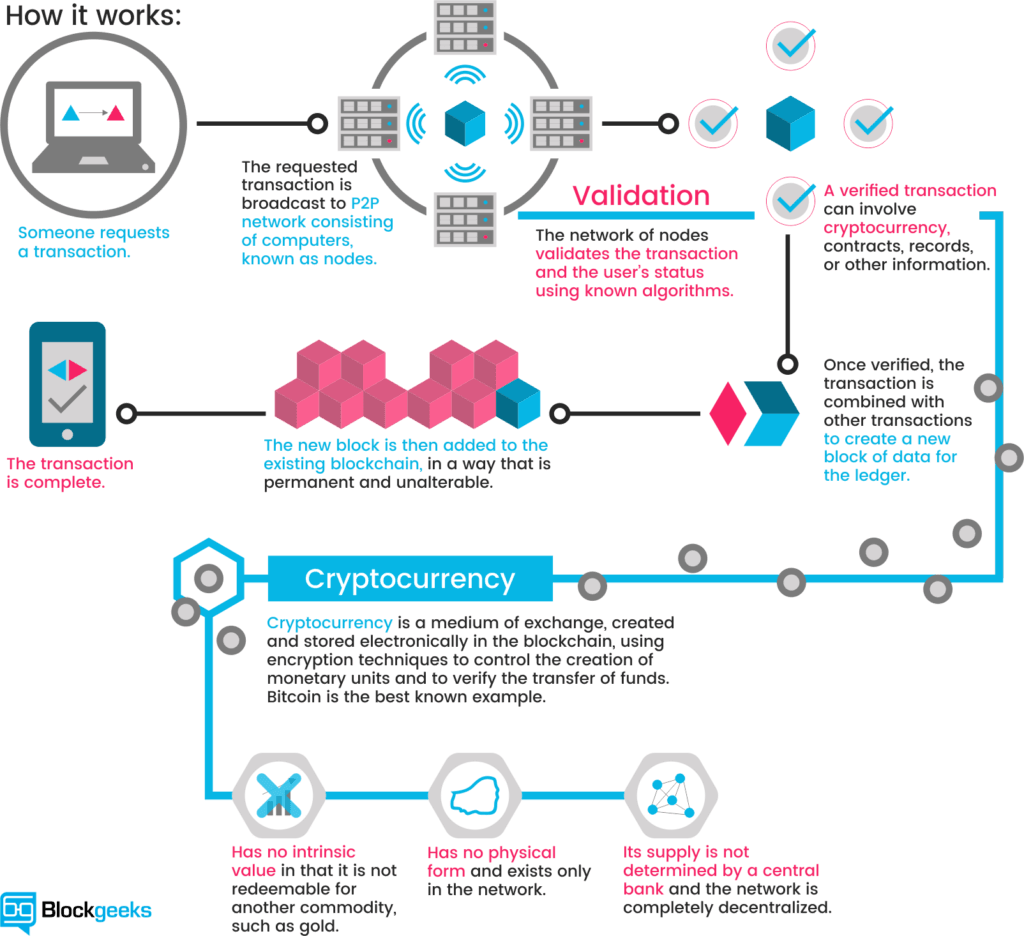
Bitcoin is a decentralized digital currency that was introduced in 2009 by an individual or group known as Satoshi Nakamoto. Its creation marked a significant step toward the modernization of financial transactions, enabling peer-to-peer exchanges without the need for a central authority or intermediary. The technological marvel behind Bitcoin is blockchain technology, a secure and transparent ledger that records all transactions across a network of computers.

Concept and Origin of Bitcoin

The idea behind Bitcoin was to create a currency that would operate independently of traditional financial institutions. This independence is made possible through blockchain technology, which allows for a tamper-proof record of transactions. Each transaction is verified by network nodes and recorded in a public distributed ledger. This system not only ensures the integrity of transactions but also provides transparency and reduces the risk of fraud.

Technological Framework

Blockchain technology serves as the backbone of Bitcoin, consisting of a chain of blocks, each containing transaction data. Each block is linked to the previous one, creating a secure chain that is virtually impossible to alter without consensus from the network. This innovation provides a level of security and trust that traditional currencies cannot offer.

Differences Between Bitcoin and Traditional Currencies

Bitcoin differs from traditional currencies in several key ways:

  • Decentralization: Unlike traditional currencies which are controlled by governments and central banks, Bitcoin operates on a decentralized network.
  • Supply Limit: Bitcoin has a capped supply of 21 million coins, contrasting with fiat currencies which can be printed in unlimited quantities.
  • Anonymity: Transactions made with Bitcoin can offer a degree of anonymity not found in traditional banking systems.
  • Global Accessibility: Bitcoin can be accessed by anyone with an internet connection, making it a valuable tool in regions with limited banking infrastructure.

The Meaning of Bitcoin in Spanish

In Spanish, “Bitcoin” is translated directly as “Bitcoin,” retaining its original name. However, the interpretation can vary depending on the context. In financial discussions, it often signifies innovation and investment opportunities, while in everyday conversations, it might represent a means of transaction or a speculative asset.

Relevance in Spanish-speaking Countries

Bitcoin holds significant relevance in many Spanish-speaking countries, particularly those facing economic instability or high inflation rates. Countries like Venezuela and Argentina have seen increased Bitcoin adoption as individuals seek alternatives to devaluing local currencies.

Common Spanish Terms Related to Bitcoin

Several Spanish phrases are commonly associated with Bitcoin:

  • Criptomoneda: Refers to cryptocurrencies in general, including Bitcoin.
  • Monedero Digital: Digital wallet used to store Bitcoin and other cryptocurrencies.
  • Minar: The process of mining Bitcoin, involving solving complex mathematical problems.

The Importance of Bitcoin

Bitcoin is becoming an increasingly important player in the global economy, shaping financial landscapes and investment strategies. Its decentralized nature and finite supply give it unique characteristics that set it apart from traditional currencies and other investments.

Significance in the Global Economy

Bitcoin’s market capitalization has grown exponentially, making it a significant asset class that attracts both institutional and retail investors. Its potential to act as a hedge against inflation is gaining recognition, especially in uncertain economic climates.

Changing the Financial Landscape

Bitcoin is changing the financial landscape by introducing new models of transaction and investment. It is disrupting traditional banking systems, fostering innovation in payment processing, and influencing how value is transferred globally.

Comparison with Other Cryptocurrencies

Compared to other cryptocurrencies, Bitcoin remains the most influential. It has set the standard for market impact and adoption rates. While newer cryptocurrencies often offer advanced features, Bitcoin’s first-mover advantage and established network effect keep it at the forefront of the market.

Bitcoin Usage and Adoption

Bitcoin adoption is on the rise globally, particularly in regions where traditional banking services are lacking. Understanding where and how Bitcoin is being utilized can provide insight into its growth trajectory.

Countries with High Adoption Rates

Countries exhibiting high Bitcoin adoption rates include:

  • Venezuela
  • Argentina
  • Mexico
  • Colombia

These nations have embraced Bitcoin as a means to bypass economic challenges and improve financial accessibility.

Integration into Business Operations

Businesses in Spanish-speaking regions are increasingly integrating Bitcoin into their operations. This includes accepting Bitcoin as payment, using it for remittances, and investing in Bitcoin as a long-term asset. This shift is indicative of a growing acceptance of cryptocurrencies in mainstream commerce.

Demographic Trends in Latin America

The demographic trends associated with Bitcoin users in Latin America reveal a diverse user base. Younger generations, particularly millennials and Gen Z, are more inclined to adopt Bitcoin, often driven by a desire for financial independence and innovation.

Bitcoin Regulations in Spanish-speaking Countries

Regulatory approaches to Bitcoin vary widely among Spanish-speaking countries, impacting how it is traded and used.

Summary of Regulatory Approaches

A summary of regulatory approaches includes:

  • Venezuela: The government has embraced cryptocurrency, facilitating the use of Petro while regulating Bitcoin trading.
  • Argentina: Bitcoin is largely unregulated but is recognized for tax purposes.
  • Mexico: The country has implemented a regulatory framework that includes anti-money laundering measures for cryptocurrency exchanges.

Implications of Regulations

Regulations can have significant implications on Bitcoin trading and usage, affecting market liquidity and investor confidence. Clear regulations can encourage institutional investment, while overly restrictive measures may stifle innovation and growth.

Successful Regulatory Frameworks

Examples of successful regulatory frameworks include:

  • Chile, which has established guidelines that promote innovation while protecting consumers.
  • Mexico, with regulations that support the operational integrity of exchanges.

Future of Bitcoin

The future of Bitcoin is a subject of much speculation and analysis among experts and investors alike.

Predictions on Future Trends

Predictions regarding the future trends of Bitcoin suggest that it may continue to gain traction as a legitimate form of currency and investment. As institutional adoption increases, Bitcoin could solidify its position in the financial mainstream.

Potential Challenges

Despite its promising future, Bitcoin faces potential challenges such as regulatory scrutiny, technological vulnerabilities, and competition from other cryptocurrencies. Addressing these challenges will be crucial for its sustained growth and acceptance.

Expert Opinions on Trajectory

Expert opinions on Bitcoin’s trajectory in Spanish-speaking economies highlight a mix of optimism and caution. While many experts foresee significant growth, they also emphasize the need for a balanced regulatory approach to maximize benefits while mitigating risks.

Resources for Learning about Bitcoin in Spanish

For those seeking to deepen their understanding of Bitcoin, a variety of resources are available in Spanish.

Books, Articles, and Websites

A compilation of resources includes:

  • Libros: “El Bitcoin: Una guía sencilla” by José Luis C. D. and “Criptomonedas para Dummies.”
  • Artículos: Financial news websites such as “El Economista” and “Forbes España” regularly cover Bitcoin topics.
  • Sitios web: Websites like “Cointelegraph en Español” and “CriptoNoticias” provide updates and in-depth information.

Online Courses and Webinars

Many online platforms offer courses in Spanish focusing on Bitcoin:

  • Coursera: Offers courses on blockchain and cryptocurrency basics.
  • Udemy: Features various courses tailored to Bitcoin investing and trading.

Bitcoin-related Podcasts

A guide to Bitcoin-related podcasts in Spanish includes:

  • Bitcoin en Español: A podcast focused on Bitcoin news and education.
  • Cripto Podcast: Discusses trends and developments in the cryptocurrency space.

Epilogue

In conclusion, Bitcoin que significa en español encapsulates a broader movement toward digital finance that is poised to alter how we perceive money and transactions globally. As we navigate through its implications, we recognize the importance of education and regulatory frameworks in ensuring its sustainable growth. The future of Bitcoin looks promising, especially in Spanish-speaking regions where its impact is increasingly felt.

General Inquiries

What does Bitcoin mean in Spanish?

Bitcoin translates directly to “Bitcoin” in Spanish, but it is often discussed in the context of its financial significance and technological impact.

Is Bitcoin legal in Spanish-speaking countries?

Legal status varies by country; some fully accept it, while others impose restrictions or outright bans.

How can I buy Bitcoin in Spanish-speaking regions?

You can purchase Bitcoin through cryptocurrency exchanges, peer-to-peer platforms, and Bitcoin ATMs available in various locations.

What are the risks of investing in Bitcoin?

Risks include market volatility, regulatory changes, and potential security issues related to online transactions.

Are there any Bitcoin education resources in Spanish?

Yes, there are numerous books, articles, courses, and podcasts available in Spanish dedicated to educating users about Bitcoin and cryptocurrency.


crypto coins ai sets the stage for this enthralling narrative, offering readers a glimpse into a world where digital currencies meet the cutting-edge technology of artificial intelligence. This intersection is not just a trend; it’s a revolution in how we understand, trade, and invest in crypto assets, blending innovation with investment strategies.

As we explore the dynamic landscape of crypto coins and AI, we’ll discover how these two powerful forces are reshaping the digital economy. From optimizing trading strategies to enhancing security measures in transactions, the synergy of AI and cryptocurrency is paving the way for unprecedented advancements in the financial sector.

Introduction to Crypto Coins and AI

The digital economy is rapidly evolving, with crypto coins at the forefront of this transformation. Crypto coins, or cryptocurrencies, are digital assets designed to work as a medium of exchange. They utilize cryptography to secure transactions, control the creation of additional units, and verify the transfer of assets. This decentralized nature allows for greater financial autonomy and innovation in monetary systems.Artificial intelligence (AI), on the other hand, refers to the simulation of human intelligence processes by machines, particularly computer systems.

These processes include learning, reasoning, and self-correction. AI is increasingly finding its way into various applications, from data analysis to automated customer service, enhancing productivity and decision-making.The intersection of crypto coins and AI technologies is creating new opportunities. By leveraging AI, the crypto sector can enhance trading strategies, improve security measures, and provide more sophisticated analysis of market trends. This synergy promises to not only bolster the performance of crypto assets but also redefine how we interact with digital currencies.

The Role of AI in Crypto Coin Trading

AI algorithms play a crucial role in enhancing trading strategies for crypto assets. These algorithms can analyze vast amounts of data at speeds unattainable by humans, providing traders with insights that can influence buy or sell decisions. AI analyzes market trends and price fluctuations through various methods, including:

  • Data Mining: AI systems scavenge historical price data to identify patterns and predict future movements.
  • Sentiment Analysis: By analyzing social media and news feeds, AI gauges public sentiment regarding specific cryptocurrencies, influencing market dynamics.
  • Algorithmic Trading: AI can execute trades based on predetermined criteria, optimizing entry and exit points in real-time.

Examples of AI tools used by traders in the crypto market include automated trading bots that utilize machine learning to adjust their strategies based on market conditions, and predictive analytics platforms that forecast price movements through advanced statistical models.

AI-Powered Crypto Coin Projects

A Beginner's Guide to Crypto AI Coins

Numerous crypto projects have started incorporating AI technology to enhance their functionalities. Some prominent AI-driven crypto initiatives include:

  • SingularityNET: A decentralized marketplace for AI services, allowing anyone to create, share, and monetize AI technologies.
  • Numerai: A hedge fund that uses AI to crowdsource predictions from data scientists around the world.
  • Fetch.ai: A platform leveraging AI to facilitate smart contracts and optimize decentralized applications.

AI brings several functionalities to these projects, such as improved decision-making processes, enhanced security protocols, and better user experience through personalization. Comparing various AI-driven crypto coins reveals unique features such as governance models and tokenomics that cater to their specific AI applications.

Benefits of Integrating AI with Cryptocurrency

Integrating AI with cryptocurrency offers several advantages, particularly in enhancing security and efficiency. One significant benefit is the use of AI for security in crypto transactions, where machine learning algorithms can detect anomalies and potential fraud, providing a robust defense against cyber threats.Additionally, AI optimizes the mining processes for crypto coins by predicting optimal mining conditions and implementing strategies that enhance energy efficiency.

This not only reduces costs but also maximizes output.Potential benefits AI presents to investors in the crypto space include:

  • Enhanced Data Analysis: AI can sift through extensive data sets to identify promising investment opportunities.
  • Risk Management: AI helps in assessing and managing risks associated with volatile cryptocurrencies.
  • Automated Decision-Making: AI can facilitate quicker responses to market changes, allowing for more agile investment strategies.

Challenges and Risks of AI in Crypto

While the integration of AI into cryptocurrency presents numerous advantages, it also comes with potential risks. Relying heavily on AI in trading might expose investors to algorithmic failures, which can lead to significant financial losses.Ethical concerns also surround AI algorithms in financial decision-making. Issues such as bias in data input and lack of transparency in algorithms can lead to unjust market practices and loss of trust among users.Case studies of failures in the cryptocurrency sector associated with AI include instances where poor algorithm design led to erroneous trades, causing market destabilization.

Such examples underscore the importance of cautious implementation and continuous monitoring of AI systems.

Future Trends in Crypto Coins and AI

Crypto coins ai

The future of AI technology within the cryptocurrency realm is poised for exciting developments. Predictions indicate a trend toward more sophisticated AI applications that will enhance predictive analytics and improve user interfaces for crypto platforms.Potential innovations emerging from the synergy of AI and crypto coins may include:

  • Smart Contracts: More intelligent and adaptable smart contracts that can autonomously modify terms based on real-world data.
  • Decentralized AI Models: AI models operating on decentralized networks, ensuring data privacy and security.
  • Cross-Chain AI Solutions: Solutions that allow AI applications to operate across multiple blockchain platforms for greater interoperability.

A speculative timeline for the development of AI applications in the crypto landscape suggests significant advancements in the next five to ten years, including the widespread adoption of AI-powered trading platforms and enhanced security protocols that are both innovative and resilient.

Concluding Remarks

In conclusion, the integration of AI into the realm of crypto coins is not merely an enhancement but a transformative force that promises to redefine our financial interactions. As we look to the future, the potential innovations and benefits are vast and exciting, making it an exhilarating time for investors and tech enthusiasts alike.

Essential FAQs

What are crypto coins?

Crypto coins are digital currencies that use cryptography for security and operate on decentralized networks, primarily blockchains.

How does AI improve crypto trading?

AI enhances crypto trading by analyzing market data, identifying trends, and optimizing trading strategies to increase profitability.

What are the risks of using AI in cryptocurrency?

Risks include reliance on flawed algorithms, ethical concerns regarding decision-making, and potential market manipulation.

Are there successful AI-driven crypto projects?

Yes, several projects successfully incorporate AI, offering unique functionalities such as predictive analytics and automated trading systems.

What is the future of AI in crypto?

The future looks promising with potential innovations like enhanced security protocols and improved trading efficiencies through advanced AI technologies.

Crypto courses London are shaping the landscape of finance as we know it, drawing in individuals eager to navigate the complexities of digital currencies. In an age where cryptocurrencies are becoming integral to financial discussions, these courses offer an essential gateway to understanding their mechanics and implications.

With a variety of formats including online, in-person, and hybrid options, aspiring learners can easily find a course that fits their lifestyle. From established universities to private institutions, London boasts a rich selection of educational opportunities tailored to different expertise levels, ensuring everyone from beginners to advanced practitioners can find their path in the crypto world.

Overview of Crypto Courses in London

In the rapidly evolving world of finance, cryptocurrency has emerged as a significant player, prompting a surge in the demand for education in this field. Crypto courses have become essential for individuals looking to understand the intricacies of digital currencies, blockchain technology, and the broader implications of these innovations on the global economy. Today, prospective students have various formats to choose from, including online, in-person, and hybrid courses, catering to different preferences and schedules.

Key institutions in London, such as universities and private colleges, are stepping up to offer comprehensive programs aimed at educating the next generation of finance professionals in the realm of cryptocurrency.

Types of Crypto Courses Offered

London's Mayoral Candidate Proposes 'LONDON Token' for Citywide Crypto ...

The variety of crypto courses available allows students to choose a path that best suits their current knowledge level and future aspirations. The courses can be categorized as follows:

  • Beginner Courses: These are designed for those new to the world of cryptocurrencies and cover fundamental concepts such as blockchain technology and the principles of cryptocurrency.
  • Intermediate Courses: Aimed at individuals who have a basic understanding, these classes delve deeper into market analysis, trading strategies, and investment tactics.
  • Advanced Courses: Tailored for seasoned professionals, these courses explore complex topics like advanced trading strategies, regulatory frameworks, and the technical aspects of blockchain development.

Specialized courses also exist that focus on either blockchain technology or trading strategies, allowing students to hone in on their specific interests. Certificate programs offer a quick route to gaining recognized qualifications, while degree programs provide a more comprehensive education over several years.

Leading Institutions for Crypto Education in London

London is home to several prestigious institutions offering crypto-related courses, catering to a growing interest in digital currencies. The following are notable examples:

  • Universities: Institutions like University College London (UCL) and King’s College London provide degree programs and specialized courses in blockchain and cryptocurrency.
  • Private Institutions: Organizations such as the Blockchain Academy and the London School of Economics (LSE) offer tailored programs that are recognized by industry leaders.
  • Testimonials: Alumni from these programs often share success stories, emphasizing how their education has transformed their careers in finance and technology.

Course Content and Curriculum Structure

Crypto courses generally share a common set of topics essential for a well-rounded understanding of the field. Typical subjects include:

  • Blockchain Fundamentals
  • Market Analysis Techniques
  • Trading Strategies
  • Regulatory Environments

A sample curriculum for a comprehensive crypto course might be structured as follows:

Beginner Level:

  • Introduction to Cryptocurrency
  • Basics of Blockchain Technology
  • Understanding Wallets and Exchanges

Intermediate Level:

  • Technical Analysis for Cryptocurrency Trading
  • Risk Management Strategies
  • Understanding ICOs and Tokenomics

Advanced Level:

  • Smart Contracts and DApps
  • Advanced Trading Algorithms
  • Future Trends in Blockchain Technology

Networking and Community Building

8 Top Crypto Trading Courses Available Online

Courses not only provide knowledge but also offer valuable networking opportunities. Students can connect with peers and industry professionals through various methods:

  • Networking Events: Many institutions host seminars and workshops that allow students to meet experts and fellow learners.
  • Online Communities: Platforms such as Discord and specialized forums are great for ongoing discussions and support.
  • Alumni Networks: Graduating from recognized programs often grants access to exclusive networking events and job boards.

Cost and Financial Considerations

Enrolling in a crypto course comes with various costs that aspiring students should consider:

  • Tuition Fees: Costs can range from a few hundred to several thousand pounds depending on the institution and course length.
  • Funding Options: Scholarships and financial aid may be available, particularly for students from underrepresented backgrounds.
  • Cost-Benefit Analysis: Individuals should weigh the potential return on investment against the costs of the courses when making decisions.

Trends and Future of Crypto Education

As the cryptocurrency landscape continues to evolve, so too does the need for education in this field. Emerging trends include:

  • Increased focus on regulatory compliance and ethical considerations in crypto education.
  • Integration of real-world case studies and practical applications in course content.
  • Predictions suggest a shift towards more hybrid learning models, combining online and in-person experiences.

With the growing demand for crypto knowledge, potential career paths for graduates include roles in blockchain development, cryptocurrency trading, and financial consulting. As the industry matures, educational programs will likely adapt to meet these new challenges and opportunities.

Epilogue

In conclusion, as the demand for cryptocurrency knowledge grows, so does the opportunity for personal and professional development through crypto courses in London. Whether you’re looking to deepen your understanding of blockchain technology or enhance your trading strategies, these courses present invaluable resources for navigating the future of finance.

User Queries

What prerequisites are needed for crypto courses?

Most courses have no strict prerequisites, though a basic understanding of finance and technology can be beneficial.

How long do these courses typically last?

The duration varies, ranging from a few weeks for short courses to several months for comprehensive programs.

Are online courses as effective as in-person ones?

Online courses can be equally effective, providing flexibility and access to a wide range of resources and networking opportunities.

Can I get financial aid for crypto courses?

Yes, many institutions offer scholarships or financial aid options for eligible students.

What career opportunities can arise from taking these courses?

Graduates can explore various roles like crypto analysts, blockchain developers, and financial consultants in the growing digital asset market.

Cryptocurrency training centre in ikeja lagos serves as a vital hub for individuals eager to dive into the world of digital currencies. These centres not only enhance financial literacy but also provide structured learning opportunities for both beginners and seasoned investors alike. With a variety of courses designed to cater to different learning needs, participants can expect a comprehensive education that aligns with the fast-paced developments in the cryptocurrency landscape.

Equipped with state-of-the-art facilities and skilled instructors, these training centres emphasize the importance of practical knowledge through advanced technological tools. Whether you’re looking to understand the basics or advance your trading skills, the cryptocurrency training centre in Ikeja offers a rich educational experience that prepares you for success in the ever-evolving market.

Overview of Cryptocurrency Training Centres

IMF Warns about Cryptocurrency - Economy news - Tasnim News Agency

Cryptocurrency training centres play a pivotal role in promoting financial literacy and understanding in the digital currency space. These institutions not only equip individuals with the necessary knowledge about cryptocurrencies but also foster a culture of informed investment within the community. With the rapid growth and adoption of cryptocurrencies, the importance of education cannot be overstated.The courses offered at these centres vary widely, catering to different levels of experience and interest.

From introductory classes focused on the basics of blockchain technology to advanced workshops on trading strategies, there is something for everyone. The target audience ranges from complete novices seeking foundational knowledge to seasoned investors looking to enhance their skills and strategies.

Features of Cryptocurrency Training Centres in Ikeja, Lagos

Ikeja, Lagos, is home to several cryptocurrency training centres equipped with modern facilities aimed at enhancing the learning experience. These centres often feature state-of-the-art classrooms, computer labs, and collaborative spaces that facilitate interactive learning.The trainers at these centres typically possess strong backgrounds in finance, technology, and cryptocurrency itself. Many have hands-on experience in the industry and hold relevant certifications, ensuring that participants receive quality education from knowledgeable professionals.Technological tools play a crucial role in the training process.

Centres utilize various software and applications to simulate trading environments and provide real-time data analysis, which enhances participants’ understanding and engagement with the material.

Curriculum and Course Structure

The curriculum at cryptocurrency training centres encompasses essential topics such as blockchain fundamentals, cryptocurrency trading, investment strategies, regulatory considerations, and security practices. Each course is designed to provide a comprehensive insight into the cryptocurrency landscape.Courses are typically structured in a way that accommodates both beginners and advanced learners. Beginners may start with modules focusing on the history of cryptocurrency, essential terminology, and basic trading concepts.

In contrast, advanced modules might cover complex trading strategies, risk management, and in-depth analysis of market trends.Assessment methods vary from practical exercises and quizzes to project work, allowing trainers to evaluate participants’ understanding effectively and ensuring they can apply what they’ve learned in real-world scenarios.

Benefits of Attending a Cryptocurrency Training Centre

Attending a formal cryptocurrency training centre offers numerous advantages over self-directed learning. Participants benefit from structured learning environments, access to experienced instructors, and the opportunity to engage with fellow learners, which enhances overall comprehension of the material.Success stories abound of individuals who have transformed their careers after completing training programs. Many have gone on to become successful traders, consultants, or educators themselves, showcasing the potential impact of formal education in the cryptocurrency space.Networking opportunities are another significant advantage of these centres.

Participants can connect with industry professionals, potential employers, and fellow enthusiasts, creating a valuable network that can support their career growth.

Choosing the Right Cryptocurrency Training Centre in Ikeja

Selecting the right training centre is crucial for a successful learning experience. Factors to consider include the centre’s reputation, the qualifications of instructors, the comprehensiveness of course offerings, and the flexibility of class schedules.Pricing structures can vary significantly between centres in Ikeja, making it essential for prospective students to compare costs against the value of the education offered. Some centres may offer financing options or scholarships to make courses more accessible.Accreditation is another important aspect when choosing a training centre.

Recognized institutions often provide more credibility and assurance in the quality of education received, which can be beneficial in the job market.

Community and Ongoing Support

Business Word Cloud Bitcoin · Free vector graphic on Pixabay

Community engagement is vital in enhancing the learning experience at cryptocurrency training centres. Many institutions foster a sense of belonging by organizing workshops, events, and discussion forums where learners can share insights and experiences.An effective alumni network can significantly support ongoing education and professional development. Alumni can assist current students with mentorship, job placements, and continuous learning opportunities, creating a dynamic support system.Resources for continued learning after course completion are abundant.

Participants can access online forums, webinars, and advanced courses to stay updated with the rapidly evolving cryptocurrency landscape, ensuring they remain competitive in the field.

Future Trends in Cryptocurrency Education

The landscape of cryptocurrency education is poised for substantial developments. As the industry matures, training programs are expected to evolve, incorporating new topics such as decentralized finance (DeFi) and non-fungible tokens (NFTs) into their curricula.Emerging technologies such as artificial intelligence and virtual reality are likely to shape training methodologies, creating more immersive and interactive learning experiences. These advancements will help students grasp complex concepts more intuitively.Trends in the cryptocurrency market, including regulatory changes and technological innovations, will also influence curriculum adaptations.

Staying abreast of these trends will ensure that training centres remain relevant and provide participants with the knowledge necessary to navigate the future of cryptocurrency successfully.

Last Point

In conclusion, enrolling in a cryptocurrency training centre in Ikeja, Lagos, is a strategic step towards mastering the complexities of digital currencies. With a focus on community support and ongoing education, these centres provide invaluable resources that extend beyond the classroom. As you embark on this educational journey, you’re not just learning about cryptocurrency; you’re joining a network of like-minded individuals committed to exploring the future of finance together.

Popular Questions

What types of courses are offered?

Courses range from beginner to advanced levels, covering essential topics such as blockchain technology, trading strategies, and investment analysis.

Who can benefit from these programs?

Anyone interested in cryptocurrency, from complete beginners to experienced traders looking to enhance their knowledge and skills.

How are the instructors qualified?

Instructors typically have extensive experience in the cryptocurrency sector, often holding relevant certifications and practical trading experience.

What resources are available for ongoing learning?

Many centres offer access to alumni networks, online resources, and workshops to support continued education after course completion.

How do I choose the right training centre?

Consider factors such as course offerings, instructor qualifications, accreditation, and student reviews when selecting a training centre.

Starting with crypto mining companies uk, this sector has rapidly evolved and reshaped itself, becoming a notable player in the UK’s economy. As digital currencies gain traction, the landscape of mining has expanded, showcasing both opportunities and challenges for those involved in this tech-driven field.

From understanding the historical context to exploring current trends, we delve into the major players in the market, the regulations that shape their operations, and the environmental considerations that come with this powerful technology. Join us as we explore how these companies impact the local economy and their potential future in a changing regulatory environment.

Overview of Crypto Mining in the UK

Cryptocurrency companies in the UK fail money laundering test ...

The landscape of crypto mining in the UK has undergone significant transformations since its inception. Initially, mining activities began as a niche endeavor, primarily conducted by enthusiasts using personal computers. Over time, as cryptocurrencies gained popularity, mining evolved into an organized industry with dedicated facilities and substantial investments.The current trends in the UK crypto mining market include a shift towards larger operations utilizing advanced technology and energy-efficient practices.

Companies are increasingly exploring renewable energy sources to minimize operational costs and environmental impact. The major cryptocurrencies mined in the UK include Bitcoin, Ethereum, and Litecoin, which dominate the market and remain popular among miners.

Leading Crypto Mining Companies in the UK

The UK is home to several leading crypto mining companies that have significantly influenced the industry. Here are some of the key players:

  • Argo Blockchain: This company focuses on sustainable mining practices and has established a strong presence in the sector by utilizing renewable energy sources.
  • Hive Blockchain Technologies: Known for its environmentally friendly approach, Hive operates large-scale mining facilities powered by clean energy.
  • Bitdeer: A prominent player in the cloud mining space, Bitdeer offers users the ability to mine cryptocurrencies without needing to manage hardware themselves.

These companies leverage various technologies, including ASIC miners and efficient cooling systems, to enhance their operations. Additionally, their performance metrics indicate a competitive market landscape, with Argo Blockchain recently reporting significant revenue growth and increased market share.

Regulations Impacting Crypto Mining in the UK

The regulatory framework governing crypto mining in the UK is evolving to address the unique challenges posed by the industry. Crypto mining activities must comply with existing laws related to energy consumption and taxation.Compliance requirements include obtaining necessary licenses and adhering to environmental standards. The UK government has also started to explore specific regulations targeting energy-intensive industries, which could directly impact mining operations.

Such policies are intended to balance economic growth with environmental sustainability, shaping the future of the crypto mining sector.

Economic Factors Influencing Crypto Mining

Operating a crypto mining company in the UK involves various cost factors that significantly affect profitability. The primary expenses include hardware acquisition, maintenance, and most notably, electricity costs. Electricity prices in the UK have fluctuated, influencing the profitability of mining operations. Companies are now looking for locations with lower energy costs, often considering regions with abundant renewable energy sources. Furthermore, potential financial incentives, such as government subsidies for green energy initiatives, can positively impact miners’ bottom lines.

Environmental Concerns of Crypto Mining

The environmental impact of crypto mining operations has garnered increasing attention. Concerns revolve around the substantial energy consumption associated with mining activities, contributing to carbon emissions.To address these concerns, some mining companies are adopting sustainable practices. Such initiatives include using renewable energy sources, like solar and wind power, which significantly reduce carbon footprints. Comparatively, companies that prioritize sustainability often report lower energy consumption rates, making them more appealing to eco-conscious investors.

Technological Advances in Mining Equipment

The mining industry in the UK has seen remarkable technological advancements, leading to enhanced efficiency and performance. Innovative mining hardware, such as the latest ASIC miners, has revolutionized the way companies operate.Cloud mining has also gained traction, allowing users to mine cryptocurrencies without the need for physical hardware. This model has expanded access to mining and reduced entry barriers. Looking ahead, ongoing advancements in mining technology promise to further optimize operations, drive down costs, and increase profitability.

Community and Economic Contributions

Crypto Mining Companies In The U.S. - EZ Blockchain

Crypto mining companies play a pivotal role in contributing to local economies. They not only create jobs but also foster skill development in technology and engineering fields.These companies often engage in community initiatives, demonstrating a commitment to corporate social responsibility. By investing in local projects and supporting educational initiatives, they enhance their reputation and establish positive relationships within the communities they operate.

Future Prospects of Crypto Mining in the UK

The future of crypto mining in the UK appears promising, with several emerging trends and growth areas. Continued advancements in technology and a growing emphasis on sustainability are likely to drive further investment in the sector.However, challenges such as regulatory scrutiny and fluctuating energy prices may pose risks to the sustainability of mining operations. As the regulatory landscape evolves, companies must stay informed and adapt to new policies that could shape the industry’s trajectory.

End of Discussion

In conclusion, crypto mining companies in the UK are not just about crunching numbers; they represent a fusion of technology, economics, and environmental responsibility. As they navigate regulations and strive for profitability, the future of these companies will likely be influenced by both market dynamics and societal expectations, making it an exciting space to watch.

Answers to Common Questions

What are the major cryptocurrencies mined in the UK?

The major cryptocurrencies mined in the UK include Bitcoin, Ethereum, and Litecoin, among others.

How does electricity pricing affect mining profitability?

Higher electricity prices can significantly decrease mining profitability, as energy costs are a major expense for mining operations.

Are there financial incentives for crypto miners in the UK?

Yes, there may be financial incentives like grants or subsidies aimed at promoting renewable energy use in mining operations.

What is cloud mining and is it popular in the UK?

Cloud mining allows users to rent mining power from remote data centers, and it has gained popularity in the UK for its lower barrier to entry.

How do crypto mining companies contribute to local economies?

Crypto mining companies create jobs, stimulate local businesses, and often engage in community initiatives, positively impacting local economies.

Exploring the world of a crypto company office reveals a dynamic environment where technology and creativity converge. Having a physical office is essential for crypto businesses as it fosters trust, encourages collaboration, and enhances brand visibility. In an industry that thrives on innovation, the right office space can significantly impact a company’s success.

A well-designed office not only reflects the company’s ethos but also facilitates effective operations through essential technological infrastructure. With the right layout and culture, crypto companies can promote teamwork and ensure that their team feels valued and motivated.

Importance of a Physical Office for Crypto Companies

In the ever-evolving world of cryptocurrency, establishing a physical office may seem outdated to some. However, the significance of having a dedicated space cannot be overstated, especially when it comes to building trust and credibility. A physical presence allows clients and partners to engage in face-to-face interactions, creating a sense of reliability that online-only interactions often lack.

Building Trust Through Physical Presence

Crypto.com Introduces Bitcoin to a New Token Infrastructure

A physical office serves as a tangible representation of a crypto company’s commitment to transparency and professionalism. Clients often feel more secure when they know there is a location they can visit or contact directly. This assurance can lead to stronger business relationships and increased client retention.

In-Person Collaboration Advantages

Collaboration is essential in any tech-driven industry, particularly in cryptocurrency, where rapid innovation is key. In-person teamwork fosters creativity and brainstorming, allowing teams to build off each other’s ideas more effectively than through virtual meetings alone. This kind of collaboration can lead to breakthrough ideas and solutions that might not surface in remote setups.

Enhancing Brand Visibility

Having a physical office can significantly enhance a crypto company’s visibility in the market. A dedicated space not only highlights the brand’s presence but also opens up networking opportunities. Hosting events, workshops, or meetups in a physical location allows companies to build relationships with other industry players, potential clients, and key stakeholders.

Key Features of a Crypto Company Office

Designing a suitable office for a crypto company involves more than just choosing a location. It’s crucial to create an environment that stimulates creativity, promotes effective operations, and ensures security for sensitive information.

Design Elements for Creativity

Crypto.com Executive Goes to Washington

To foster innovation, an office should incorporate several design elements that inspire creativity. Open spaces encourage communication, while areas designated for relaxation can help recharge employees’ minds. Bright colors and unique artwork can create an engaging atmosphere that motivates teams.

Technological Infrastructure

The technological backbone of a crypto office is vital for seamless operations. High-speed internet, reliable servers, and advanced cybersecurity measures are essential. Additionally, tools for collaboration, such as video conferencing platforms and project management software, should be readily available to support remote and in-office team members alike.

Creating a Secure Office Environment

Given the sensitive nature of cryptocurrency transactions, security must be a priority. Implementing biometric access controls, secure server rooms, and data encryption measures can help protect critical information. Regular training sessions on cybersecurity best practices for employees also play a significant role in maintaining a secure work environment.

Location Considerations for Crypto Company Offices

Choosing the right location for a crypto company can greatly influence its success. Factors such as the regulatory environment, talent availability, and infrastructure are crucial in this decision-making process.

Regulatory Environment Impact

The regulatory landscape of a location can either support or hinder crypto operations. Areas with clear and supportive regulations can offer a more favorable environment for business growth, while regions with strict or unclear policies may pose challenges.

Urban vs. Suburban Settings

The choice between an urban or suburban office setting can impact a crypto company’s operations. Urban locations provide access to a larger talent pool and networking opportunities, while suburban offices may offer space at lower costs and a quieter atmosphere. Companies must weigh these factors based on their specific needs and goals.

Emerging Markets for Crypto Operations

Several emerging markets are becoming increasingly attractive for crypto business operations. Countries with favorable regulations, strong tech infrastructure, and a growing interest in digital currencies are prime candidates for expansion. For instance, regions in Southeast Asia and Eastern Europe are showing promising growth in the crypto sector.

Office Culture and Team Dynamics in Crypto Companies

A strong office culture is vital for employee satisfaction and productivity, particularly in the fast-paced world of cryptocurrency. Companies need to actively cultivate an environment that supports collaboration and acknowledges achievements.

Influencing Employee Satisfaction

Office culture can significantly impact how employees feel about their work. An inclusive and supportive atmosphere encourages team members to share ideas and take risks, which can lead to higher job satisfaction and retention rates.

Fostering Teamwork in Decentralized Environments

In a decentralized work setup, promoting teamwork can be challenging but is essential. Regular team-building activities, both virtual and in-person, can help create stronger bonds among employees. Establishing clear communication channels and collaborative tools is also crucial for maintaining team dynamics.

Celebrating Achievements

Recognizing and celebrating milestones—whether big or small—can boost morale and motivate employees. Companies can implement reward programs, shout-outs during meetings, or team outings as ways to acknowledge hard work and successes.

Designing Functional Workspaces for Crypto Teams

Creating functional workspaces is essential for enhancing workflow and productivity among crypto teams. A thoughtful layout can accommodate various work styles and needs.

Collaborative Workspace Layout

A successful layout for a crypto office should include collaborative zones equipped with technology that encourages brainstorming and idea sharing. Open seating arrangements, breakout areas, and comfortable meeting spaces should all be incorporated to facilitate teamwork.

Designated Zones for Different Work Styles

It’s important to allocate specific zones within the office to cater to diverse work styles. Quiet areas for focused work, comfortable lounges for informal discussions, and well-equipped meeting rooms play essential roles in supporting various tasks and preferences.

Importance of Flexible Workspaces

Flexibility in workspace design allows for adaptation to the evolving needs of crypto professionals. As projects change and grow, the office layout should be adjustable, enabling teams to reconfigure spaces for collaborative work, meetings, or individual tasks as required.

Sustainability in the Crypto Company Office

Implementing sustainable practices in the office is not just beneficial for the environment, but it can also enhance a company’s reputation and efficiency.

Eco-Friendly Daily Operations

Adopting eco-friendly practices can include reducing paper usage, employing energy-efficient lighting, and encouraging recycling. Small changes, such as using digital documents instead of printed ones, can make a significant impact over time.

Benefits of Sustainable Materials

Utilizing sustainable materials in office design not only minimizes environmental impact but can also improve indoor air quality and employee well-being. Additionally, showcasing a commitment to sustainability can attract environmentally-conscious clients and partners.

Measuring Environmental Impact

Crypto companies can create a guide to measure their environmental impact by tracking energy usage, waste production, and resource consumption. This data can help identify areas for improvement and promote sustainability initiatives within the organization.

Future Trends in Crypto Office Spaces

The future of office spaces in the crypto industry is likely to be shaped by changing work patterns and technological advancements. Companies must stay ahead of these trends to remain competitive.

Influence of Remote Work on Office Design

As remote work becomes more prevalent, the layout of crypto offices will likely evolve to accommodate flexible work arrangements. This could mean creating more collaborative zones for team members who do come into the office while providing robust technological support for remote employees.

Technological Advancements Reshaping Environments

Advancements in technology will continue to revolutionize how crypto offices are structured. From virtual reality meeting spaces to AI-enhanced collaboration tools, the integration of cutting-edge technology will enhance productivity and engagement.

The Role of Co-Working Spaces

Co-working spaces are becoming increasingly popular in the crypto industry, providing flexible options for companies without the commitment of long-term leases. These spaces foster networking and collaboration among diverse startups, creating a vibrant ecosystem for growth and innovation.

Ultimate Conclusion

In conclusion, the importance of a thoughtfully designed crypto company office cannot be underestimated. As the industry evolves, embracing sustainable practices and innovative workspace designs will shape the future of work in the crypto space. By prioritizing both employee satisfaction and environmental responsibility, crypto companies can position themselves for long-term success.

FAQ Section

Why is a physical office important for crypto companies?

A physical office helps build trust with clients and stakeholders by demonstrating commitment and professionalism.

What key features should a crypto company office have?

Essential features include creative design elements, robust technological infrastructure, and secure environments for data protection.

How does office culture impact employee productivity?

A positive office culture enhances employee satisfaction, leading to increased productivity and collaboration within teams.

What factors influence the location of a crypto company office?

Key factors include the regulatory environment, availability of talent, and the comparison between urban and suburban settings.

How can crypto companies implement sustainable practices?

Companies can use eco-friendly materials, promote energy-efficient operations, and measure their environmental impact regularly.

Top finance news today sets the stage for this enthralling narrative, offering readers a glimpse into a story that is rich in detail and brimming with originality from the outset. As we delve into the current market trends, economic indicators, and corporate earnings, we’ll uncover the vital connections between various financial sectors and the broader global landscape.

This overview not only showcases the latest stock market movements and sector performances but also reflects on the implications of central bank policies and geopolitical events that shape our financial environment. With insights into investment strategies and personal finance tips, this discussion aims to equip readers with the knowledge to navigate today’s complex financial terrain.

Current Market Trends

The stock market is currently experiencing noteworthy fluctuations, influenced by various economic indicators and investor sentiments. Recent developments highlight the performance of major indices, reflecting both optimism and caution among traders.

Stock Market Indices Developments

Major stock market indices such as the S&P 500 and NASDAQ have shown significant movements recently, with some reaching record highs while others experience volatility. This mixed performance indicates varying investor confidence levels. The tech sector, in particular, has seen robust growth, although traditional industries like retail are facing challenges due to shifting consumer behaviors.

Sectors Performing Well and Challenges

The current landscape reveals a clear distinction between thriving sectors and those encountering obstacles.

  • Technology: Continues to lead with innovations driving demand.
  • Healthcare: Benefiting from increased focus on medical advancements.
  • Energy: Faces instability due to fluctuating oil prices.
  • Retail: Struggling as e-commerce rises and consumer preferences change.

Global Market Influences

Global markets are increasingly interconnected, and local economies are not immune to external pressures. Factors such as international trade agreements and geopolitical tensions significantly influence market dynamics. For instance, trade policies between major economies can have ripple effects, impacting everything from supply chains to stock valuations.

Economic Indicators

Recent economic data releases serve as critical indicators of market health and investor confidence. Metrics such as GDP growth, unemployment rates, and inflation figures provide insights into the economy’s direction, shaping financial market expectations.

Overview of Recent Economic Data

Recent reports indicate a mixed economic landscape, with GDP growth showing signs of recovery while unemployment rates remain a concern.

  • GDP Growth: Recent data suggest a moderate increase, indicating a potential rebound.
  • Unemployment: Although slightly decreasing, remains higher than pre-pandemic levels.
  • Inflation: Continues to pose challenges, affecting purchasing power and spending.

Trends in Consumer Spending and Business Investment

Consumer spending is gradually picking up, reflecting increased confidence, while business investment is also on the rise. However, inflationary pressures are causing caution among investors, leading to a focus on sectors that can withstand economic fluctuations.

Central Bank Policies

Central banks around the globe are making pivotal decisions that shape monetary policy and impact financial markets. Recent actions have sparked discussions about the implications of shifting interest rates on economic growth.

Recent Central Bank Decisions

Key central banks have recently adjusted interest rates, influencing borrowing and spending behaviors significantly.

  • Federal Reserve: Announced plans to maintain low interest rates for the foreseeable future.
  • European Central Bank: Signaled potential rate hikes in response to rising inflation.
  • Bank of England: Balancing economic recovery with inflation control measures.

Comparative Monetary Policies

The monetary policies of different nations reveal stark contrasts, impacting global finance. Countries adopting aggressive stimulus measures often see quicker recoveries, while those focused on inflation control may face slower growth.

Corporate Earnings Reports

Corporate earnings reports are crucial for assessing market health and investor confidence. Recent releases have provided insights into the financial performance of various industries.

Highlights from Recent Corporate Earnings

Earnings season has unveiled mixed results across sectors, with some companies exceeding expectations while others fell short.

  • Tech Giants: Reported robust growth driven by increased digital adoption.
  • Energy Firms: Struggled with fluctuating commodity prices affecting profit margins.
  • Consumer Goods: Some firms showed resilience, adapting successfully to changing demands.

Comparison of Earnings Performance

Analyzing earnings performance among key players reveals significant trends within specific sectors, offering insights into competitive strengths and challenges.

Geopolitical Events

Geopolitical events have profound impacts on financial markets. Recent developments have influenced investor strategies and overall market stability.

Influence of Geopolitical Events

Recent geopolitical tensions have led to increased market volatility, with investors reassessing risks.

  • Trade Disputes: Have created uncertainty, impacting stock prices across sectors.
  • Political Stability: Nations with stable political environments have shown better market performance compared to those with unrest.

Economic Ramifications of Trade Agreements

Trade agreements can enhance market opportunities but also present challenges. Understanding the economic ramifications is crucial for investors looking to navigate these complexities.

Investment Strategies

In light of current market conditions, investors are exploring various strategies to maximize returns while mitigating risks.

Emerging Investment Opportunities

Identifying new investment avenues can be advantageous, although potential risks must be carefully considered.

  • Emerging Markets: Present opportunities but come with higher risks.
  • Green Investments: Increasingly popular as sustainability becomes a priority.

Asset Allocation Strategies

Investors should consider diverse asset allocation strategies tailored to current market realities, focusing on balancing risk and reward.

Financial Technology Innovations

The financial sector is undergoing a transformation driven by technological advancements that disrupt traditional finance practices.

Latest Advancements in Financial Technology

Innovations in fintech are enhancing investment and banking services, offering unparalleled convenience to consumers.

  • Blockchain Technology: Revolutionizing transaction processes with increased security.
  • Robo-Advisors: Making investment management accessible to a broader audience.

Trends in Fintech Startups

The fintech landscape is evolving, with startups challenging established institutions, driving competition, and improving customer experiences.

Personal Finance Tips

Managing personal finances effectively is essential, especially during uncertain economic times.

Practical Financial Advice

Individuals can benefit from strategic financial management practices.

  • Budgeting Strategies: Create a realistic budget to navigate economic uncertainty.
  • Emergency Funds: Prioritize building an emergency fund for unexpected expenses.

Importance of Savings Options

Exploring various savings options can help individuals secure their financial future. Understanding interest rates and terms is crucial for making informed decisions.

Last Recap

In conclusion, today’s finance news encapsulates a dynamic interplay of market trends, economic signals, and strategic opportunities that are crucial for investors and individuals alike. By understanding these elements, one can better position themselves in the ever-evolving financial landscape. With the right insights and strategies, navigating through the challenges ahead becomes a more manageable task.

Questions Often Asked

What are the main factors influencing market trends today?

Key factors include economic indicators like GDP and inflation rates, central bank policies, and major geopolitical events.

How can I stay updated with the latest finance news?

Following reputable financial news websites, subscribing to newsletters, and using financial apps can help you stay informed.

What should I consider when investing during uncertain times?

Diversifying your portfolio, focusing on stable sectors, and having a clear investment strategy are essential during volatility.

How do corporate earnings reports affect the stock market?

Positive earnings can boost stock prices, while disappointing results may lead to declines, affecting investor sentiment.

What are some effective personal finance strategies?

Creating a budget, building an emergency fund, and investing in retirement accounts are key strategies for managing personal finances.

Crypto company kaisi hai opens the door to a fascinating world where digital currencies and blockchain technology are reshaping the financial landscape. As these companies emerge, they not only innovate but also challenge traditional finance, making them a pivotal part of today’s economy. With an array of services and an ever-evolving market, understanding the dynamics of crypto companies is crucial for anyone interested in the future of finance.

From crypto exchanges to wallet providers, these companies offer diverse functionalities that cater to different user needs. Their evolution has been rapid, with successful examples influencing market trends and creating new investment opportunities. This overview will explore what crypto companies are all about, their services, the regulations governing them, and future trends that could define the industry.

Overview of Crypto Companies

Crypto companies have emerged as significant players in the modern financial landscape, playing a pivotal role in the adoption and integration of cryptocurrencies into mainstream finance. A crypto company can be defined as any business that facilitates the use, exchange, or investment in digital currencies and blockchain technology. These companies range from exchanges and wallet providers to blockchain developers and mining operations.

Over the years, the evolution of crypto companies has been marked by rapid technological advancements and increasing regulatory scrutiny, leading to a more structured and secure environment for users.Successful crypto companies like Coinbase, Binance, and Kraken have reshaped the market by providing innovative solutions and services, generating billions in revenues and paving the way for more investors to enter the cryptocurrency space.

This impact has not only benefited individual users but has also influenced traditional financial markets, encouraging established institutions to explore blockchain technology.

Types of Crypto Companies

The crypto industry is diverse, comprising various types of companies that serve distinct purposes. These can be broadly categorized into:

  • Exchanges: Platforms where users can buy, sell, or trade cryptocurrencies.
  • Wallet Providers: Companies that offer digital wallets for securely storing cryptocurrencies.
  • Mining Operations: Firms that engage in the process of validating transactions and generating new coins.
  • Payment Processors: Services that facilitate crypto payments for merchants.

A comparison table of features offered by various crypto exchanges showcases the uniqueness of each platform:

Exchange Trading Pairs Fees Security Features
Coinbase BTC, ETH, LTC, etc. Varies based on transaction Two-factor authentication, insurance
Binance 500+ pairs 0.1% trading fee Cold storage, user fund insurance
Kraken 50+ pairs 0.16% taker, 0.26% maker Two-factor authentication, PGP/GPG support

Blockchain technology plays a critical role in different crypto businesses by ensuring transparency, security, and decentralization, which are fundamental to the functioning of cryptocurrencies.

Services Offered by Crypto Companies

Chart: The Crypto Projects Stealing from Their Investors | Statista

Crypto companies offer a plethora of services that cater to the diverse needs of users. Some of the primary services include:

  • Trading: The ability to buy and sell cryptocurrencies on exchanges.
  • Staking: Allowing users to earn rewards by participating in network operations.
  • Lending: Facilitating loans backed by cryptocurrency assets.

User-friendly features of popular crypto platforms include:

  • Intuitive interfaces for easy navigation.
  • Mobile applications for trading on-the-go.
  • Educational resources to help new users learn about cryptocurrency.
  • Customer support services to assist with issues and inquiries.

These services cater to different types of users, with retail investors often seeking trading and staking opportunities, while institutional clients may be more interested in lending and custody solutions.

Regulation and Compliance

Crypto Trading Royalty Free Stock SVG Vector and Clip Art

The regulatory landscape surrounding crypto companies varies significantly across regions, reflecting the ongoing evolution of laws and guidelines governing digital currencies. In the United States, for example, the SEC and CFTC have established regulatory frameworks that require crypto companies to register and comply with specific reporting standards. Conversely, some countries have embraced a more lenient approach, fostering innovation and attracting new businesses.Compliance requirements for crypto businesses often include anti-money laundering (AML) measures, know your customer (KYC) protocols, and adherence to data protection regulations.

These compliance measures are crucial for building trust with users and regulators alike.The implications of regulation on the growth of crypto companies are profound. While stringent regulations can pose challenges, they also provide a framework for legitimacy, leading to increased investment and institutional participation in the crypto market.

Security Aspects of Crypto Companies

Security is a paramount concern for crypto companies, as they handle significant amounts of digital assets. To protect user assets, many companies implement robust security measures, including:

  • Cold storage solutions to keep the majority of funds offline.
  • Two-factor authentication (2FA) for user accounts.
  • Regular security audits and penetration testing to identify vulnerabilities.
  • Insurance policies to protect against potential breaches.

Common security threats faced by crypto businesses include:

  • Phishing attacks aimed at stealing user credentials.
  • Hacks targeting exchanges and wallets.
  • Malware designed to access user devices and steal information.

Best practices for users to ensure their safety while interacting with crypto companies involve using secure passwords, enabling 2FA, and being cautious of unsolicited communications.

Future Trends in the Crypto Industry

Emerging trends and innovations in the crypto space continue to reshape the industry. Key trends include the rise of decentralized finance (DeFi), the growing interest in non-fungible tokens (NFTs), and the adoption of blockchain technology across various sectors.Potential challenges for crypto companies moving forward include regulatory hurdles, market volatility, and cybersecurity threats. However, these challenges also present opportunities for innovation and growth as companies adapt and evolve.A summary of predictions for the future of various crypto sectors may highlight:

Sector Prediction
DeFi Continued growth, potentially surpassing traditional financial sectors.
NFTs Expansion into various industries beyond art and collectibles.
Blockchain Adoption Increasing integration in supply chain, healthcare, and finance.

Community and User Engagement

Community involvement is crucial for the success and sustainability of crypto companies. A strong community enhances brand loyalty, encourages user feedback, and fosters a sense of belonging among users.Successful crypto companies engage their user base through various strategies:

  • Hosting community events and webinars to educate users.
  • Incorporating user feedback into product development.
  • Creating incentive programs that reward community participation.

Social media plays a significant role in shaping the reputation of crypto companies, providing a platform for communication, marketing, and addressing user concerns in real-time. By actively engaging with users on platforms like Twitter and Reddit, companies can build trust and credibility, which are essential for long-term success.

Conclusive Thoughts

In summary, navigating the landscape of crypto companies reveals not only their potential but also the challenges they face. As they continue to grow and adapt, staying informed about their functions, security measures, and regulatory environment is vital for users and investors alike. The future of crypto companies is bright yet filled with uncertainties, making it an exciting time to delve into this dynamic field.

FAQ Section

What is a crypto company?

A crypto company is a business that engages in activities related to cryptocurrencies, such as trading, providing wallets, or developing blockchain technology.

How do crypto companies ensure security?

They implement various security measures, including encryption, multi-factor authentication, and regular audits to protect user assets.

What types of services do crypto companies offer?

Services can include trading, staking, lending, and asset management, catering to both retail and institutional investors.

Are crypto companies regulated?

Yes, the regulatory landscape varies by region, with many countries implementing compliance requirements for crypto businesses to ensure consumer protection.

What are the future trends for crypto companies?

Emerging trends include increased institutional adoption, advancements in blockchain technology, and greater focus on regulatory compliance and security measures.

As crypto companies san diego takes center stage, this vibrant city is quickly becoming a hub for innovation and technological advancement in the cryptocurrency space. With a blend of established firms and dynamic startups, San Diego’s crypto landscape is evolving rapidly, reflecting both the challenges and opportunities that come with this cutting-edge industry.

From its historical roots to the latest investment trends, San Diego is home to numerous players making waves in the blockchain ecosystem. Notably, local incubators and partnerships with universities are fostering a supportive environment for entrepreneurs, encouraging the development of unique solutions and the growth of a thriving community centered around cryptocurrency.

Overview of Crypto Companies in San Diego

San Diego has emerged as a notable hub for cryptocurrency and blockchain technology, showcasing a vibrant landscape of innovative companies. The region’s mild climate, coupled with a strong tech talent pool and a supportive entrepreneurial ecosystem, has attracted an array of crypto businesses. This article delves into the current crypto landscape, identifying key players and tracing the historical development of crypto ventures in San Diego.

Current Landscape of Crypto Companies

The San Diego crypto market is diverse, featuring a mix of startups, established firms, and various service providers. Key players include companies focusing on blockchain solutions, decentralized finance (DeFi), and cryptocurrency exchanges. The historical development of this sector in the region kicked off in the early 2010s when the first wave of startups began to explore the potential of blockchain technology.

Over the years, the market has matured, leading to increased collaboration among companies, educational institutions, and local government.

Notable Crypto Startups in San Diego

San Diego is home to several innovative crypto startups that are making waves in the industry. These companies are not only contributing to the local economy but also pushing the boundaries of technology and finance.

Prominent Startups and Unique Offerings

1. Coinbase

Although headquartered in San Francisco, Coinbase has a significant presence in San Diego, offering a user-friendly platform for buying and selling cryptocurrencies.

2. Ternio

This blockchain company specializes in providing a high-speed payment processing solution, enabling businesses to accept cryptocurrency seamlessly.

3. Forte

Forte focuses on integrating blockchain technology into gaming, allowing developers to create decentralized games that leverage digital assets.These startups have achieved notable milestones, including securing substantial funding rounds and developing innovative solutions that address market needs.

Ecosystem Supporting Crypto Companies

The supportive ecosystem in San Diego is critical for the growth of crypto companies. Local incubators, accelerators, and partnerships with educational institutions play a pivotal role.

Local Incubators and Accelerators

Crypto Companies List | BlockSurvey

San Diego boasts several organizations dedicated to helping crypto startups thrive. These include:

Techstars

A well-known accelerator that provides mentorship and funding to early-stage companies, including those in the crypto space.

The San Diego Innovation Council

This initiative fosters innovation by connecting entrepreneurs with resources, funding, and mentorship.

Partnerships with Universities

Local universities, such as UC San Diego, have begun collaborating with crypto firms to enhance research and development in blockchain technology. These partnerships facilitate knowledge exchange and help train the next generation of tech professionals.

Regulatory Environment for Crypto Companies

Understanding the regulatory landscape is essential for any business in the crypto sector. San Diego’s regulations have evolved to address the unique challenges posed by cryptocurrencies.

Impact of Local Regulations

San Diego’s regulatory environment reflects a blend of state and federal laws governing cryptocurrency operations. Local authorities have implemented guidelines to promote transparency while ensuring consumer protection. These regulations can differ significantly from those in other regions, creating both challenges and opportunities for businesses.

Investment Trends in Crypto Sector

The investment landscape for crypto companies in San Diego has become increasingly active, with venture capital showing strong interest.

Recent Funding Trends

Recent funding rounds have seen local crypto startups attract millions in investments. Notable examples include:

  • Ternio, which raised $20 million to expand its blockchain payment solutions.
  • Forte, securing $185 million to develop its gaming platform.

This influx of capital indicates a growing confidence in the local crypto market and highlights emerging areas that are attracting investor attention.

Community Engagement and Events

San Diego’s crypto community is vibrant, with numerous events and initiatives aimed at fostering collaboration and education.

Major Crypto Events and Conferences

How crypto companies can go public in 2021, explained

The city hosts several significant crypto-related events, such as:

San Diego Blockchain Week

An annual event featuring panels, workshops, and networking opportunities for industry professionals and enthusiasts.

Crypto Meetups

Regular gatherings where individuals can share insights and connect with others in the crypto space.These initiatives promote blockchain education and adoption, helping to build a knowledgeable and engaged community.

Future Prospects of Crypto in San Diego

Looking ahead, the future of crypto in San Diego appears promising, with several anticipated trends on the horizon.

Anticipated Trends and Innovations

Emerging technologies, such as decentralized finance (DeFi) and non-fungible tokens (NFTs), are expected to gain traction in the local market. Additionally, regulatory frameworks may continue to evolve, providing clearer guidelines for crypto businesses.However, potential challenges, such as market volatility and competition from other regions, could arise. Nevertheless, the opportunities for growth and collaboration within San Diego’s crypto ecosystem remain substantial, positioning the region as a leader in the blockchain space.

Last Word

In conclusion, the future of crypto companies san diego looks bright as the region continues to attract talent and investment. With innovative startups and a robust support system in place, San Diego is poised to play a significant role in the global crypto market. As we look ahead, the combination of opportunities and challenges will undoubtedly shape the landscape, making it an exciting space to watch.

Helpful Answers

What types of services do crypto companies in San Diego offer?

They provide a range of services including trading platforms, blockchain development, crypto wallets, and consultancy.

How can I invest in crypto companies in San Diego?

Investing can be done through venture capital firms, direct investments, or participating in crowdfunding campaigns launched by startups.

Are there networking events for crypto enthusiasts in San Diego?

Yes, there are numerous meetups and conferences held regularly that focus on blockchain and cryptocurrency topics.

How are crypto companies in San Diego regulated?

They must comply with state and federal regulations, which can vary significantly from those in other regions.

What are some challenges faced by crypto businesses in San Diego?

Challenges include regulatory hurdles, market volatility, and competition from other tech hubs.

Bitcoin leverage meaning opens up a thrilling avenue for traders seeking to amplify their investment potential. By utilizing leverage, traders can control larger positions in Bitcoin than their initial capital would typically allow. This approach not only enhances profit opportunities but also introduces unique risks that necessitate a solid understanding of how it works in the fast-paced world of cryptocurrency.

In this discussion, we delve into the definition of leverage in Bitcoin trading, explore the various types of leverage available, and highlight the associated risks and benefits. Additionally, we’ll provide practical strategies for effective leverage use and touch upon regulatory aspects and future trends that could shape the landscape of leveraged trading.

Definition of Bitcoin Leverage

Leverage in Bitcoin trading refers to the use of borrowed funds to increase the potential return on investment. This concept allows traders to control larger positions than their actual capital would permit. In the context of cryptocurrency markets, leverage can significantly amplify gains or losses, making it a popular yet risky strategy among traders.In leveraged trading, a trader borrows capital from a broker or exchange to increase their trading position.

For instance, if a trader uses 10x leverage, they can control $10,000 worth of Bitcoin with just $1,000 of their own funds. This means that if Bitcoin’s price increases by 10%, the trader’s profit would be $1,000, representing a 100% return on their initial investment. However, the reverse is also true; if the price drops by 10%, the trader would incur a $1,000 loss, wiping out their initial investment.Key terms associated with leveraged trading include:

  • Margin: The amount of money a trader needs to deposit to open a leveraged position.
  • Equity: The total value of a trader’s account, including both the initial capital and any profits or losses from open positions.
  • Liquidation: The process by which a broker closes a trader’s position if their equity falls below a certain threshold, often due to a significant loss.

Types of Leverage in Bitcoin Trading

Traders can access various levels of leverage depending on their trading strategy and the platform used. Different exchanges offer different leverage options, ranging from as low as 2x to as high as 100x.The primary distinctions between high leverage and low leverage trading strategies are the risk and potential reward associated with each. High leverage can lead to significant profits but also increases the likelihood of substantial losses.

Conversely, lower leverage tends to be safer, allowing for steadier gains over time.Several platforms provide diverse leverage options for Bitcoin trading, including:

  • Binance: Offers leverage up to 125x.
  • BitMEX: Allows trading with leverage as high as 100x.
  • Kraken: Provides up to 5x leverage on various crypto assets.

Risks Associated with Bitcoin Leverage

Utilizing leverage in Bitcoin trading can lead to significant risks, primarily due to the volatile nature of cryptocurrency markets. High leverage can result in rapid losses and trigger liquidation events if the market moves against a trader’s position.Statistics highlight the consequences of high leverage trading. For example, during a market downturn, traders using 100x leverage can experience liquidation much faster than those using lower leverage, often within minutes.

The risk of losing the entire investment is very real and should be carefully considered before engaging in leveraged trading.To mitigate these risks, traders should implement sound risk management strategies, such as:

  • Setting Stop-Loss Orders: Automatically close positions at predetermined loss levels.
  • Diversifying Trades: Spreading investments across different assets to reduce exposure.
  • Using Lower Leverage: Opting for more manageable levels of leverage can help protect against rapid market movements.

Benefits of Using Leverage in Bitcoin Trading

Leverage offers several advantages that can maximize trading profits when used judiciously. One of the most significant benefits is the potential for higher returns on investment, allowing traders to amplify their gains on successful trades.Successful leverage trades in Bitcoin can lead to impressive profits. For instance, if a trader buys Bitcoin at $30,000 using 10x leverage and the price rises to $40,000, the return would be substantial, showcasing the power of leverage when the market moves favorably.A comparison between trading with and without leverage highlights key differences:

Without Leverage With Leverage (10x)
Initial Investment: $1,000 Initial Investment: $1,000
Bitcoin Price Increase: 10% Bitcoin Price Increase: 10%
Profit: $100 Profit: $1,000

How to Use Leverage Effectively in Bitcoin Trading

Setting up leveraged trades on popular trading platforms involves a few straightforward steps. Firstly, traders need to create an account on an exchange that supports leverage. After verifying their identity, they can deposit funds and select the amount of leverage they wish to use.Monitoring leverage positions is crucial, especially in a volatile market. Traders should regularly check market trends and adjust their positions accordingly to safeguard their investments.

Additionally, understanding when to scale back leverage in response to changing market conditions is vital for long-term success.Some tips for choosing the right leverage for different trading strategies include:

  • Assessing Risk Tolerance: Determine how much risk you are willing to take on before selecting leverage levels.
  • Setting Clear Goals: Align leverage with specific trading objectives, whether short-term or long-term.
  • Experimenting with Different Levels: Try various leverage options on demo accounts to find the most comfortable level.

Regulatory Aspects of Bitcoin Leverage

The regulations governing leveraged trading in Bitcoin vary significantly across jurisdictions. Some countries have strict rules that limit the amount of leverage available, while others have more lenient regulations.Regulatory changes can impact Bitcoin leverage trading by affecting how exchanges operate and the maximum leverage they can offer. Traders must stay informed about these changes as they can directly influence trading strategies.Key regulatory bodies overseeing cryptocurrency trading include:

  • Commodity Futures Trading Commission (CFTC): Regulates cryptocurrency derivatives in the United States.
  • Financial Conduct Authority (FCA): Oversees derivatives and leveraged trading in the UK.
  • European Securities and Markets Authority (ESMA): Provides guidelines for trading across EU member states.

Future Trends in Bitcoin Leverage Trading

Emerging trends in leveraged trading within the cryptocurrency space indicate a growing sophistication among traders. As technology continues to advance, automated trading systems and algorithms are becoming more prevalent, allowing for more refined leverage strategies.The potential impact of technological advancements on Bitcoin leverage trading strategies is substantial, enabling traders to react swiftly to market changes and optimize their positions. Moreover, shifts in market sentiment, influenced by news, regulations, and economic factors, will likely shape future leverage options.As the market matures, traders can expect more innovative leverage products that cater to diverse investment strategies and risk appetites.

The landscape of Bitcoin leverage trading is evolving rapidly, with opportunities and challenges arising for both new and experienced traders.

Last Recap

In conclusion, understanding bitcoin leverage meaning is essential for any trader looking to navigate the intricate world of cryptocurrency trading. While leveraging can significantly boost potential profits, it carries inherent risks that must be carefully managed. By equipping oneself with knowledge and strategies discussed here, traders can make more informed decisions and potentially enhance their trading success.

Commonly Asked Questions

What is leverage in Bitcoin trading?

Leverage in Bitcoin trading allows traders to control larger positions with a smaller amount of capital by borrowing funds from a broker.

How does margin work in leveraged trading?

Margin is the amount of money that a trader needs to deposit to open a leveraged position; it acts as collateral for the borrowed funds.

What are the typical leverage ratios available for Bitcoin trading?

Leverage ratios can vary widely, typically ranging from 2x to 100x, depending on the trading platform and regulatory environment.

What is liquidation in leveraged trading?

Liquidation occurs when a trader’s position is forcibly closed by the broker due to insufficient margin to cover potential losses, preventing further losses.

Can leverage increase trading losses?

Yes, while leverage can amplify gains, it equally amplifies losses, making risk management crucial for leveraged trading.