April 18, 2026

admin

good health on your birthday sets the stage for this enthralling narrative, offering readers a glimpse into a story that is rich in detail and brimming with originality from the outset. It’s a day not just for cake and festivities but an opportunity to reflect on the importance of well-being as we age. As we delve into various cultural traditions, healthy celebration ideas, and meaningful self-reflection, you’ll discover how birthdays can be a time for both joy and growth, impacting our mental and physical health in profound ways.

From planning healthy party menus to setting achievable wellness goals for the upcoming year, this discussion encompasses everything that contributes to a fulfilling and health-conscious birthday experience. Join us as we explore how to make this special day a true celebration of life, health, and happiness, ensuring that each birthday is not just an annual milestone but a stepping stone towards a healthier future.

Importance of Good Health on Your Birthday

Celebrating a birthday is not just a mark of another year added to your life, but also a moment to reflect on health and well-being as one ages. Good health plays a crucial role in enjoying the milestones and experiences that life brings. As we celebrate our birthdays, it’s essential to recognize how maintaining good health can influence our quality of life, particularly as we grow older.Maintaining good health becomes increasingly important with age, as it allows individuals to fully engage in life’s celebrations, including birthdays.

Good health contributes to longevity, vitality, and resilience in the face of age-related challenges. For example, individuals who prioritize their physical fitness often find that they can partake in active celebrations, like hiking or dancing, rather than being confined to sedentary activities. Moreover, good health is linked to a reduced risk of chronic diseases, which can impact life enjoyment significantly.

Health-Related Birthday Traditions Across Cultures

Many cultures celebrate birthdays with unique traditions that emphasize health and well-being. These traditions often reflect the community’s values and beliefs regarding health. Examples include:

  • Japanese Shichi-Go-San: This festival celebrates the growth of children at ages three, five, and seven, where families visit shrines for blessings, symbolizing health and good fortune.
  • Mexican Quinceañera: Celebrated on a girl’s 15th birthday, this event marks the transition into womanhood, with a focus on health, beauty, and family.
  • Italian Birthday Cake: In Italy, it is customary to have a cake with candles representing good health and wishes for the year ahead, shared among family and friends.

These traditions illustrate how different cultures prioritize health and community during birthday celebrations, reinforcing the idea that health is a communal value.

Positive Impact of Celebrating a Birthday on Mental Health

Celebrating a birthday can have a profound effect on mental health, fostering feelings of joy, gratitude, and connection. Engaging in birthday festivities can lead to:

  • Enhanced Social Connections: Birthdays often bring friends and family together, which can strengthen support networks and promote feelings of belonging.
  • Reflection and Gratitude: Milestones such as birthdays can prompt individuals to reflect on their achievements and express gratitude, contributing to positive mental well-being.
  • Increased Happiness: Celebratory activities, such as parties or special treats, can boost mood and create memorable experiences that enhance life satisfaction.

The positive effects of birthday celebrations on mental health highlight the importance of such events as opportunities for connection, reflection, and joy, all of which contribute to a healthier mindset as one ages.

“Health is the greatest gift, contentment the greatest wealth, faithfulness the best relationship.” – Buddha

Healthy Birthday Celebrations

Celebrating a birthday doesn’t have to mean indulging in unhealthy treats and sedentary activities. Instead, there are numerous ways to enjoy the special day while prioritizing health and well-being. By incorporating healthier food options and active pursuits, you can create an unforgettable birthday celebration that leaves you feeling great.When planning a birthday celebration, the food choices play a crucial role in setting the tone for the day.

Healthy treats can be just as delicious and festive as their traditional counterparts. Here is a list of some tasty and nutritious food options to consider for your birthday party.

Healthy Food Options for Birthday Parties

Choosing healthy food options not only enhances the celebratory atmosphere but also promotes overall wellness. Here are some great ideas for nutritious birthday treats:

  • Fruit skewers: Colorful and fun, they’re easy to grab and filled with natural sweetness.
  • Veggie platters: A variety of fresh vegetables served with hummus or yogurt dip make for a crunchy and satisfying snack.
  • Whole grain mini sandwiches: Use whole grain bread and fill them with lean meats, cheese, or veggies.
  • Greek yogurt parfaits: Layer yogurt with fresh fruits and a sprinkle of granola for a delicious dessert.
  • Nuts and seeds: A healthy mix can provide a satisfying crunch and are packed with nutrients.

Engaging in physical activities during birthday celebrations can elevate the fun and promote health. Incorporating movement into the festivities encourages guests to stay active while enjoying themselves. Here are some enjoyable activities to consider:

Physical Activities for Birthday Celebrations

Integrating physical activities into your birthday celebration can boost energy levels and create a lively atmosphere. Here are some examples of fun activities:

  • Outdoor games: Organize games like sack races, tug-of-war, or a friendly game of soccer to get everyone moving.
  • Dance party: Create a playlist of upbeat music and encourage guests to dance their hearts out.
  • Yoga session: A group yoga session can be a calming way to start the day and promote mindfulness.
  • Scavenger hunt: Design a fun scavenger hunt that requires guests to walk or run to find items around the venue.

A comparison between traditional birthday treats and healthier alternatives highlights how simple swaps can make a significant difference in nutrition without compromising on taste. Below is a table showcasing common birthday foods and their healthier counterparts.

Comparison of Traditional Birthday Treats with Healthier Alternatives

Understanding the difference between traditional treats and healthier options can help guide better choices for birthday celebrations. The following table illustrates some typical birthday foods alongside their nutritious alternatives:

Traditional Treats Healthier Alternatives
Chocolate cake Whole grain or almond flour cake
Ice cream Frozen yogurt or fruit sorbet
Potato chips Baked vegetable chips or popcorn
Frosted cupcakes Muffins made with oats and natural sweeteners

By choosing healthier food options and incorporating active pursuits, birthdays can be a time for celebration and wellness. This approach not only fosters a positive atmosphere but also sets a tone for a healthy lifestyle moving forward.

Setting Health Goals for the Year Ahead

Reflecting on your birthday presents a unique opportunity for self-assessment and goal-setting, which can significantly influence your health journey. As you celebrate another year of life, it’s the perfect time to consider what health improvements you want to make over the coming year. Setting realistic and achievable health goals can help you stay focused and motivated throughout the year.When setting health goals during your birthday reflections, it’s essential to ensure that these goals are specific, measurable, achievable, relevant, and time-bound (SMART).

This approach allows you to have a clear understanding of what you want to accomplish and how to gauge your progress. Consider factors such as your current health status, lifestyle preferences, and any support systems you have in place.

Framework for Tracking Progress Towards Health Goals

Creating a structured framework to track your progress towards health goals can enhance accountability and motivation. By regularly monitoring your achievements, you can adjust your strategies as needed and celebrate small victories along the way. Here’s a simple framework to consider:

1. Define Clear Goals

Write down your specific health goals. For example, aim to exercise three times a week, eat five servings of fruits and vegetables daily, or reduce sugar intake.

2. Create a Timeline

Set a timeline for each goal. This could be weekly, monthly, or quarterly milestones, depending on the goal’s scope.

3. Utilize Tracking Tools

Use apps, journals, or spreadsheets to document your daily activities related to your health goals. This will provide a visual representation of your progress.

4. Schedule Regular Check-ins

Dedicate time each month to review your progress. Assess what’s working, what isn’t, and make necessary adjustments.

5. Celebrate Achievements

Acknowledge your progress, no matter how small. Celebrating milestones can boost motivation and reinforce positive habits.

“Progress, not perfection, is the goal.”

Benefits of Sharing Health Goals with Friends and Family

Sharing your health goals with friends and family can foster a supportive environment that enhances your chances of success. When you involve loved ones in your health journey, you gain both motivation and accountability. Here are some key benefits of this practice:

Increased Accountability

When others are aware of your goals, you’re more likely to stick to them. Their encouragement can be a powerful motivator.

Social Support

Friends and family can provide emotional support during challenging times. They can join you in activities, such as exercising together or cooking healthy meals, making the journey enjoyable.

Shared Experiences

Engaging with others also opens doors to shared experiences. You can learn from each other, exchange tips, and celebrate successes together.

Positive Reinforcement

Supportive words and actions from loved ones can boost your confidence and keep you focused on your health journey.Incorporating these elements into your birthday reflections can set a solid foundation for a year filled with health improvements. By setting realistic goals, tracking your progress, and seeking support from your circle, you position yourself for a fulfilling and healthier year ahead.

Mindfulness and Well-being on Your Birthday

Celebrating a birthday is a unique opportunity to reflect, express gratitude, and focus on personal well-being. Incorporating mindfulness into your birthday festivities can enhance your experience, making it more meaningful and fulfilling. This approach not only promotes self-awareness but also fosters a deeper connection with yourself and those around you.Practicing mindfulness during your birthday celebrations can be achieved through various techniques that ground you in the present moment.

These methods encourage appreciation for your life journey and can significantly enhance your overall well-being. Engaging in mindful activities allows you to enjoy the special day without feeling overwhelmed.

Techniques for Practicing Mindfulness During Birthday Celebrations

Mindfulness can be seamlessly integrated into your birthday celebrations through simple yet effective practices. Here are some techniques to enhance your experience:

  • Mindful Breathing: Take a few moments throughout the day to focus on your breath. Inhale deeply through your nose, hold for a moment, and exhale slowly through your mouth. This can help calm your mind and center your thoughts.
  • Gratitude Reflection: Spend a few minutes reflecting on what you are grateful for over the past year. You can write these thoughts down or share them with close friends and family during a toast.
  • Present Moment Awareness: Engage fully with the people and activities around you. Put away your phone and avoid distractions to immerse yourself in the celebration.
  • Nature Connection: If possible, celebrate outdoors. Take a moment to appreciate the beauty around you, whether it’s a blooming flower or the sound of birds, to enhance your sense of peace.

Affirmations for Self-love and Health on Birthdays

Affirmations are powerful tools that can help reinforce self-love and promote health on your special day. By repeating positive statements, you can cultivate a mindset that supports your well-being. Here’s a list of affirmations to consider:

  • “I celebrate who I am and where I am in my life.”
  • “I honor my body and treat it with love and respect.”
  • “Every year, I grow stronger, wiser, and more resilient.”
  • “I embrace the journey ahead with confidence and joy.”
  • “I choose to focus on the positive aspects of my life.”

Incorporating Relaxation Activities into Birthday Festivities

Adding relaxation activities to your birthday celebration can create a soothing atmosphere, allowing for deeper connections and mindfulness. Consider the following methods to enhance your day with relaxation:

  • Yoga or Stretching Session: Kick off your birthday with a gentle yoga or stretching session, either solo or with friends. This sets a calming tone for the day.
  • Meditation: Set aside time for a short meditation session, focusing on your intentions for the year ahead. This can help clear your mind and center your energy.
  • Creative Expression: Engage in activities like painting, journaling, or crafting. These creative outlets can be therapeutic and promote mindfulness.
  • Relaxing Music: Create a playlist of soothing music to play during your celebration. This can create a calming atmosphere and help everyone unwind.

Creating a Balanced Birthday Routine

Birthdays are special occasions that can be filled with joy, celebration, and reflection. However, it is essential to maintain a balanced routine on your birthday to ensure that you not only enjoy the festivities but also prioritize your health and well-being. A well-structured day allows you to indulge in celebrations while still focusing on self-care and personal goals.A balanced birthday routine incorporates time for relaxation, celebration, and health, ensuring that you kick off your new year of life positively and mindfully.

By setting the right tone for the day, you can create lasting memories while remaining grounded in your health objectives.

Sample Balanced Birthday Schedule

The following sample schedule demonstrates how to balance relaxation, celebration, and health on your special day. This structured approach helps avoid the pitfalls of overindulgence and allows for meaningful moments of joy.

Time Activity Focus
7:00 AM – 8:00 AM Morning Meditation and Stretching Relaxation and Mindfulness
8:00 AM – 9:00 AM Healthy Breakfast Nourishment
9:00 AM – 11:00 AM Outdoor Activity (Hiking/Biking) Physical Health
11:00 AM – 12:00 PM Pampering (Spa/Skincare) Self-Care
12:00 PM – 1:00 PM Lunch with Friends Social Connection
1:00 PM – 3:00 PM Creative Activity (Art/Cooking) Mental Well-being
3:00 PM – 5:00 PM Rest and Relaxation Recovery
5:00 PM – 8:00 PM Birthday Celebration (Dinner and Cake) Joy and Celebration
8:00 PM – 10:00 PM Reflective Journaling Goal Setting

This schedule not only allows for celebration but also emphasizes the importance of health and well-being throughout your birthday. Each activity is designed to enhance your physical, mental, and emotional health, creating a holistic approach to celebrating another year of life.

“Balance is not something you find; it’s something you create.”

Implementing a balanced routine on your birthday can lay the foundation for a healthier year ahead. By prioritizing your well-being alongside the festivities, you can ensure that this special day is memorable for all the right reasons.

Reflecting on Past Birthdays for Growth

Reflecting on past birthdays can be a valuable exercise in understanding how our health and well-being have evolved over time. Each birthday brings with it a chance to celebrate life, but it can also serve as a checkpoint for personal growth and health awareness. By taking the time to analyze past celebrations, we can identify what worked well and what didn’t, setting the stage for healthier future birthdays.Reflecting on earlier birthday experiences allows us to comprehend their impact on our overall health.

Many people often indulge during celebrations, leading to choices that may not align with their health goals. By assessing these moments, we can gain insight into the patterns of behavior that we want to break or strengthen. This could involve noting how we felt physically and emotionally after our celebrations, as well as how those experiences influenced our health in the months that followed.

Lessons Learned from Previous Birthdays

Identifying lessons from previous birthdays can help enhance future celebrations. Here are some key insights gained from reflecting on past experiences:

  • Overindulging in food and drink can lead to feelings of regret and discomfort. Opting for healthier options or moderation can enhance enjoyment without negative repercussions.
  • Planning activities that promote physical movement, such as games or outdoor events, can create a more vibrant and health-focused atmosphere.
  • Choosing quality time with loved ones over extravagant celebrations can lead to deeper connections and emotional fulfillment, which positively affects mental health.
  • Incorporating wellness practices, such as meditation or a gratitude session, can improve overall satisfaction on a birthday.

Reflecting on common health mistakes can also help avoid future pitfalls during birthday celebrations. Below is a list of frequent errors and suggestions for better choices:

Common Health Mistakes Made During Birthday Celebrations

Being aware of typical health mistakes allows us to make informed decisions when planning celebrations. Below are some common missteps and how to sidestep them:

  • Excessive sugar consumption can lead to energy crashes and health issues.

    Opt for healthier desserts like fruit platters or lower-sugar treats.

  • Neglecting to hydrate can result in fatigue and headaches.

    Encourage guests to drink water alongside other beverages.

  • Overeating due to buffet-style setups can disrupt digestion.

    Serve smaller portions to help control intake.

  • Ignoring mental health needs can lead to stress during celebrations.

    Schedule downtime or quiet moments to recharge.

Health and Gift Ideas for Birthdays

Celebrating a birthday is a wonderful opportunity to reflect on the past year and set intentions for the year ahead. Incorporating health-focused gifts into your celebrations can enhance well-being and promote a healthier lifestyle. Selecting gifts that inspire a commitment to health not only brings joy but also supports physical and mental wellness.Choosing health-related gifts can be both unique and thoughtful.

These gifts can encourage loved ones to prioritize their health and wellness, creating a ripple effect of positivity. When considering health and gift ideas, think beyond traditional presents and explore experiences that promote well-being.

Unique Health-Focused Gift Ideas

There are numerous gift options that encourage health and wellness, making birthdays even more special. Here are some unique ideas that you can consider:

  • Fitness Tracker: A device that monitors physical activity, heart rate, and even sleep patterns can motivate the recipient to stay active.
  • Subscription to a Healthy Meal Kit: These kits provide fresh ingredients and recipes, making healthy cooking easy and enjoyable.
  • Yoga Mat and Accessories: High-quality mats, blocks, and straps make practicing yoga more accessible and enjoyable.
  • Essential Oil Diffuser: Aromatherapy can enhance mood and relaxation, promoting mental well-being.
  • Herbal Tea Set: A beautifully curated selection of herbal teas can promote relaxation and wellness.

Experiences as Birthday Gifts

Experiential gifts can create lasting memories and foster personal growth. Consider gifting experiences that focus on wellness and health. Here are some ideas for experiences that can enrich someone’s birthday celebration:

  • Cooking Class: A class focused on healthy cuisine encourages the learning of new skills while promoting healthy eating habits.
  • Wellness Retreat: A weekend getaway that offers yoga, meditation, and healthy meals allows for rejuvenation and relaxation.
  • Spa Day: A day dedicated to pampering with massages, facials, and other treatments can provide mental and physical relief.
  • Outdoor Adventure: Gift an experience like hiking, biking, or kayaking, which promotes physical activity in a fun way.
  • Fitness Class Pass: A pass to try different classes, such as pilates, kickboxing, or dance, encourages exploration of fitness options.

Impact of Health-Focused Gifts

Receiving health-focused gifts can have a profound impact on individuals’ lifestyles and mindsets. For example, a friend who was gifted a fitness tracker found it inspiring; they started a routine that included daily walks and healthier eating habits, significantly improving their overall health and energy levels. Another individual received a subscription to a healthy meal kit for their birthday. This gift not only made cooking fun and simple, but it also opened doors to new recipes and healthier eating choices, contributing to weight loss and improved well-being.

Such stories highlight the importance of thoughtful gifting that aligns with health and personal development, reinforcing the idea that birthdays can be a powerful catalyst for positive change.

Closure

In conclusion, celebrating good health on your birthday is more than just a trend; it’s a commitment to self-care and well-being. By incorporating mindful practices, setting realistic health goals, and choosing healthier celebration options, we can redefine our birthdays into meaningful experiences. Each year, as we reflect on our past celebrations, we can learn and grow, making every birthday a chance to celebrate not only our age but our health, happiness, and the journey ahead.

So, let’s raise a toast to good health on your birthday—here’s to many more celebrations filled with joy and wellness!

Query Resolution

What are some healthy food options for birthday parties?

Consider serving fruit platters, vegetable trays with hummus, whole grain cakes, and smoothies as refreshing alternatives.

How can I incorporate physical activities into my birthday celebrations?

Organize fun activities like group yoga, dancing, hiking, or sports games to get everyone moving and engaged.

What are some techniques for practicing mindfulness on my birthday?

Try deep breathing exercises, meditation, or simply taking a moment to appreciate the present moment while celebrating.

How can I set realistic health goals for the upcoming year?

Reflect on your current health status, identify areas for improvement, and choose specific, achievable goals that you can track over time.

What are some unique health-focused gift ideas for birthdays?

Consider gifts like fitness trackers, yoga classes, or wellness retreat vouchers that encourage a healthy lifestyle.


Navigating the Australian cryptocurrency landscape can be tricky, especially when seeking the best approach for Bitcoin purchases. This comprehensive guide delves into the popular methods and platforms, drawing insights from the vibrant Australian Reddit community. We’ll explore the nuances of Bitcoin buying in Australia, providing a clear path for newcomers and seasoned investors alike.

From the legal and regulatory framework to the various exchange platforms, this resource provides a practical overview. We’ll analyze user experiences and common concerns, equipping you with the knowledge to make informed decisions.

Introduction to Bitcoin Buying in Australia

Bitcoin has gained significant traction in Australia, with increasing numbers of individuals and businesses adopting it as a form of payment and investment. Its popularity stems from the potential for high returns and the relative ease of access through various platforms. However, it’s crucial to understand the legal and regulatory landscape, along with the available purchasing methods, to navigate the process safely and effectively.The Australian regulatory environment surrounding Bitcoin is evolving, with ongoing discussions and adjustments to existing laws.

While Bitcoin itself isn’t directly regulated, the services associated with buying and selling it often fall under existing financial regulations. Understanding these frameworks is essential for making informed decisions about Bitcoin investments.

Bitcoin’s Popularity and Usage in Australia

Bitcoin’s rising popularity in Australia is driven by several factors. Firstly, its decentralized nature appeals to those seeking financial freedom and control. Secondly, its potential for high returns, though speculative, attracts investors. Thirdly, the use of Bitcoin as a means of payment, though still limited compared to traditional methods, is increasing in specific sectors.

Legal and Regulatory Landscape for Bitcoin Purchases

The Australian regulatory framework for Bitcoin purchases isn’t explicitly dedicated to Bitcoin. Instead, existing financial regulations, such as those pertaining to anti-money laundering (AML) and counter-terrorism financing (CTF), often apply to cryptocurrency exchanges and other related services. This means that compliant platforms adhere to these rules, ensuring the safety and security of transactions.

Methods for Purchasing Bitcoin in Australia

Several methods are available for purchasing Bitcoin in Australia. These include:

  • Cryptocurrency Exchanges: Established exchanges provide a platform for buying and selling Bitcoin. These platforms usually have various security measures in place to protect user funds and transactions. They also often offer educational resources to help users understand the process.
  • Peer-to-peer (P2P) platforms: These platforms facilitate direct transactions between individuals. This can offer greater flexibility but often involves increased risk due to a lack of regulatory oversight for individual transactions.
  • Brokerage platforms: Some traditional brokerage platforms may allow Bitcoin trading or investment. These options typically have established regulatory frameworks and may be more user-friendly for those accustomed to traditional financial markets.

Common Misconceptions about Bitcoin Purchases in Australia

There are several common misconceptions about purchasing Bitcoin in Australia. Some believe that Bitcoin is entirely unregulated, which is not the case. Others misunderstand the associated risks and potential for volatility, leading to unrealistic expectations. Accurate knowledge about the regulatory landscape and potential risks is crucial for responsible investment.

Exploring Popular Platforms for Bitcoin Purchases

Choosing the right platform for buying Bitcoin in Australia is crucial for a smooth and secure experience. Factors like fees, security measures, user interface, and customer support should be carefully considered. This section explores several popular options, highlighting their key strengths and weaknesses.

Popular Bitcoin Buying Platforms in Australia

Several reputable platforms facilitate Bitcoin purchases in Australia. Understanding their features and differences can help you select the best option for your needs.

  • LocalBitcoins: This peer-to-peer (P2P) platform allows users to buy and sell Bitcoin directly from other users. It often offers competitive exchange rates, but the level of security and buyer protection varies greatly depending on the specific seller. The platform itself offers limited support compared to dedicated exchanges. Users should exercise caution and thoroughly research sellers before making transactions.

  • CoinJar: CoinJar is a popular Australian exchange known for its user-friendly interface and straightforward Bitcoin buying process. They typically offer competitive fees and a range of other cryptocurrencies alongside Bitcoin. Their customer support and security measures are generally well-regarded in the Australian crypto community.
  • Binance: Binance, a global exchange, is accessible to Australian users. It boasts a vast selection of cryptocurrencies, including Bitcoin, but it often has higher fees than platforms specifically focused on the Australian market. The platform’s user interface is more complex, but it is a solid choice for those who want wider trading options and global market access.

    Security measures are generally robust, though user experience and customer support can vary depending on the individual interaction.

  • Swyp: Swyp is a cryptocurrency exchange platform that focuses on simplicity and speed for Australian users. It allows seamless transfers and a user-friendly interface, making it an excellent option for novice users. Swyp usually charges competitive fees and provides adequate customer support. However, its selection of cryptocurrencies may be limited compared to more established exchanges.
  • Kraken: Kraken is a well-established international exchange, accessible to Australian residents. While it might not be the most user-friendly platform for beginners, it often provides more advanced trading options and competitive exchange rates for Bitcoin. Kraken maintains robust security measures and has a reputation for excellent customer support, though fees may vary.

Comparison of Platforms

This table summarizes the key features of each platform, enabling a direct comparison.

Platform Fees Security User Experience Customer Support
LocalBitcoins Variable, potentially competitive Seller-dependent, varying levels of protection Generally straightforward, but user vigilance is crucial Limited, often seller-dependent
CoinJar Competitive Robust, with established security protocols User-friendly, intuitive interface Good, responsive support
Binance Potentially higher than local platforms Generally strong, global security infrastructure Complex, suitable for experienced traders Varied experiences, potentially longer response times
Swyp Competitive Solid security measures Simple and fast, geared towards ease of use Adequate support
Kraken Competitive, potentially variable Highly secure, established reputation Advanced features, potentially complex for beginners Good reputation, but support experience may vary

Understanding Bitcoin Exchange Methods

Bitcoin purchases in Australia involve various exchange methods, each with its own advantages and disadvantages. Choosing the right method depends on individual needs and risk tolerance. Understanding the nuances of each method is crucial for making informed decisions and ensuring a secure transaction.Different Australian exchanges offer diverse buying options, ranging from simple bank transfers to more complex methods like debit/credit cards.

These methods vary in transaction speed, fees, and security protocols. This section will explore the common exchange methods available and provide a clear overview of each.

Direct Bank Transfers

Direct bank transfers are a common method for purchasing Bitcoin on Australian exchanges. This involves transferring funds directly from your bank account to the exchange’s designated account. This method is often favoured for its speed and simplicity, especially when the user already has a bank account linked to the exchange.

  • Initiating the Transfer: Access your account on the exchange platform and locate the Bitcoin purchase section. Select the desired amount of Bitcoin and the method of bank transfer.
  • Verification: The exchange will likely require verification of your bank account details. This ensures the funds are coming from a legitimate source.
  • Confirmation: Once the transfer is initiated, the exchange will usually provide a confirmation message. This confirmation will show the transaction ID and estimated time for the funds to reflect on the exchange balance.
  • Bitcoin Allocation: After the transfer is successfully processed, the Bitcoin will be credited to your exchange account, ready for use or further transactions.

Debit/Credit Card Purchases

Using debit or credit cards for Bitcoin purchases is a convenient option, allowing for immediate access to Bitcoin. However, it’s important to understand the associated fees and potential security risks.

  • Selecting the Amount: On the exchange platform, navigate to the Bitcoin purchase section and specify the desired amount.
  • Card Information Entry: Enter your credit or debit card details securely. Exchanges generally use secure payment gateways to protect this information.
  • Review and Confirmation: Carefully review the transaction details, including the amount, fees, and the total cost of the purchase.
  • Transaction Completion: Upon confirmation, the exchange will process the payment and credit your account with the purchased Bitcoin.

Crypto-to-Crypto Exchanges

Trading Bitcoin for other cryptocurrencies can be a method for purchasing Bitcoin. This involves exchanging a different cryptocurrency you own for Bitcoin on a platform that facilitates crypto-to-crypto transactions.

  • Select the Cryptocurrency: Choose the cryptocurrency you want to exchange for Bitcoin from your exchange’s available options.
  • Enter the Amount: Specify the amount of cryptocurrency you’re willing to exchange for Bitcoin.
  • Initiate the Trade: Authorize the trade on the exchange platform.
  • Confirm the Exchange: Verify the details of the transaction and complete the exchange.

Table of Exchange Methods

Method Advantages Disadvantages
Direct Bank Transfers Generally low fees, often faster than card purchases, potentially more secure May take longer than card purchases to reflect on the exchange, may require additional verification steps
Debit/Credit Cards Fast and convenient, user-friendly Higher fees, potential security risks associated with card details, potentially more time consuming than bank transfers
Crypto-to-Crypto Exchanges Can be cost-effective for those already holding other cryptocurrencies, allows for diversification Requires holding another cryptocurrency, exchanges can have specific fees, potential volatility in crypto-to-crypto exchanges

Security Measures

Robust security measures are paramount when using any exchange method.

  • Strong Passwords: Employ strong, unique passwords for all exchange accounts. Consider using a password manager for secure storage.
  • Two-Factor Authentication (2FA): Activating 2FA adds an extra layer of security by requiring a code from your phone or authenticator app in addition to your password.
  • Secure Connections: Ensure the exchange website uses HTTPS for secure connections, signifying that your data is encrypted during transmission.
  • Regular Account Monitoring: Regularly check your exchange account for any unusual activity or suspicious transactions.

Analyzing the Reddit Discussion on Bitcoin Buying

Australian Reddit provides a valuable forum for Bitcoin buyers to share experiences, seek advice, and discuss various strategies. Understanding the common themes and concerns expressed by users can significantly assist potential investors in making informed decisions. This analysis delves into the key discussions, highlighting common concerns and popular recommendations.The Australian Reddit community often engages in extensive conversations about Bitcoin acquisition methods, emphasizing the importance of understanding the associated risks and rewards.

The diverse perspectives and practical experiences shared on these platforms are valuable for potential investors.

Key Themes and Concerns

Reddit threads on Bitcoin buying in Australia often center around the volatility of the cryptocurrency market and the associated risks. Users frequently discuss the importance of risk management and diversification, emphasizing the need for a well-defined investment strategy. Concerns about scams and unreliable platforms are also prevalent. Many users express a desire for clear guidance on choosing reputable exchanges and understanding the regulatory landscape.

Popular Recommendations

Australian Reddit users often recommend a combination of due diligence, careful research, and a diversified approach to Bitcoin purchasing. A significant portion of the discussions advocates for utilizing reputable Australian exchanges. Users emphasize the importance of comparing different platforms based on fees, security measures, and user reviews. Many recommendations also highlight the necessity of understanding the associated tax implications.

Comparison of Bitcoin Purchasing Approaches

Reddit Approach Pros Cons
Using reputable Australian exchanges (e.g., CoinJar, Swyftx) Generally safer, regulated, and offers user support. Established platforms often have robust security measures. May have higher fees compared to other methods. Availability of specific services might be limited depending on the exchange.
Utilizing peer-to-peer (P2P) platforms Potentially lower fees compared to exchanges. Offers direct interaction with sellers. Higher risk of scams, due diligence is crucial. Security of funds is solely dependent on the seller’s reliability. Negotiation and transaction complexities can be present.
Employing third-party platforms for Bitcoin purchases (e.g., cryptocurrency ATMs) Accessibility for quick purchases. Potentially higher fees. Security considerations should be rigorously examined. Limited support compared to exchanges.

Buying Bitcoin

The 5 Best Places to Buy Paint - Bob Vila

Bitcoin, a decentralized digital currency, has gained significant popularity worldwide. Understanding the process of acquiring it is crucial for anyone considering investing or using it for transactions. This comprehensive overview details the steps involved, potential risks, and safe practices for buying and managing Bitcoin in Australia.

The Bitcoin Buying Process

Purchasing Bitcoin typically involves several steps, from creating an account to completing the transaction. This process can vary depending on the chosen platform, but generally follows a similar pattern.

  • Account Creation: Users need to register on a reputable Bitcoin exchange or platform. This typically requires providing personal information, verifying identity, and setting up a secure account. Robust security measures, like two-factor authentication, should be implemented for enhanced protection.
  • Funding Your Account: Once the account is set up, funds need to be deposited into the account. This is often done through bank transfers or other payment methods available on the platform. Users should verify that the platform’s funding methods align with their financial needs and preferences.
  • Placing an Order: With funds available, users can place an order to buy Bitcoin. Different order types (market, limit) exist, impacting the price at which the Bitcoin is purchased. Thorough understanding of these order types is essential for making informed decisions.
  • Transaction Confirmation: After placing the order, the transaction is processed. A confirmation message from the platform indicates the successful purchase. The number of confirmations needed varies, and users should always understand the specifics of each platform.

Safe Storage and Management

Properly managing your Bitcoin holdings is crucial for preventing loss.

  • Hardware Wallets: For long-term storage, hardware wallets are a secure option. These devices are designed to store your private keys offline, safeguarding your Bitcoin from online threats.
  • Software Wallets: Software wallets, accessible on computers or mobile devices, offer convenience for day-to-day transactions. However, they should be used cautiously, and strong passwords, two-factor authentication, and regular backups are critical.
  • Security Measures: Employ strong passwords and enable two-factor authentication for added security. Regularly update software and keep your devices protected from malware. Avoid sharing private keys or sensitive information with anyone.

Potential Risks and Mitigation

Investing in Bitcoin carries inherent risks.

  • Market Volatility: Bitcoin prices can fluctuate significantly. Understanding and accepting this volatility is crucial. Diversification, and only investing amounts you can afford to lose, are key mitigation strategies.
  • Scams and Fraud: Be wary of suspicious websites or platforms. Verify the legitimacy of any platform before engaging. Thorough research and checking reviews are essential for avoiding scams.
  • Technical Issues: Platform outages or technical glitches can affect transactions. Choosing platforms with a good reputation and track record of reliability minimizes this risk.

User Concern: Scams

“I’m worried about scams when buying Bitcoin.”

Scams targeting Bitcoin investors are unfortunately common. Always verify the legitimacy of the platform and associated personnel. Avoid clicking on suspicious links or downloading unknown files. Conduct thorough research and read reviews from other users before engaging with any platform. Never share your private keys or sensitive information with anyone.

Additional Considerations for Bitcoin Purchases

Beyond the platforms and methods of purchase, several crucial factors impact the successful and responsible acquisition of Bitcoin. These considerations involve safeguarding your investments, understanding potential risks, and being aware of the legal and financial implications.Navigating the world of cryptocurrency requires a nuanced approach that goes beyond simply buying and selling. This section will delve into the importance of secure wallets, transaction management, potential risks, and the crucial aspect of protecting personal information, along with the tax implications of these transactions in Australia.

Cryptocurrency Wallets and Secure Storage

Effective management of Bitcoin involves secure storage using cryptocurrency wallets. Different types of wallets cater to various levels of security and user experience. Choosing the right wallet for your needs is crucial for preventing unauthorized access and protecting your holdings. Hardware wallets, for example, offer enhanced security by physically separating the private keys from online access. Software wallets, on the other hand, provide greater convenience but require careful password management and device protection.

The selection depends on individual risk tolerance and comfort levels with different security measures.

Transaction Management and Security

Thorough transaction management is paramount. Users must carefully scrutinize every transaction, ensuring the correct addresses and amounts are entered. Double-checking details, especially when dealing with unfamiliar platforms, can prevent accidental losses. Implementing two-factor authentication (2FA) and strong passwords is a fundamental security practice. This added layer of protection can significantly reduce the risk of unauthorized access.

Regularly backing up wallets and keeping track of transaction histories is essential for maintaining control over your Bitcoin holdings.

Potential Risks and Vulnerabilities

The cryptocurrency market inherently involves risks. Price volatility is a significant factor, with Bitcoin’s value fluctuating significantly over time. Sudden market crashes or unexpected news events can impact your holdings. Scams and fraudulent activities also exist in the cryptocurrency space. Users must remain vigilant and exercise caution, avoiding suspicious websites or offers.

Researching platforms and understanding their reputation is crucial. Furthermore, understanding the limitations of regulatory frameworks in the rapidly evolving cryptocurrency market is essential.

Confidentiality of Personal Information

Protecting personal information is critical in the digital age, particularly when engaging in cryptocurrency transactions. Avoid sharing sensitive details like passwords, private keys, or financial information with unknown entities. Always verify the legitimacy of websites and platforms before providing any personal data. Practicing safe online habits and using strong passwords can safeguard your account and personal information from potential breaches.

Review the privacy policies of cryptocurrency platforms to understand how your data will be handled.

Tax Implications of Bitcoin Purchases in Australia

Australian tax laws regarding cryptocurrency transactions are constantly evolving. Bitcoin is treated as a capital asset for tax purposes. Any profit or loss from buying, selling, or trading Bitcoin is typically subject to capital gains tax. Consult with a qualified tax advisor to understand the specific implications of your transactions and ensure compliance with Australian tax regulations.

It is crucial to stay informed about changes in tax laws related to cryptocurrency. The ATO website and reputable financial advisors are valuable resources for up-to-date information.

Final Conclusion

In conclusion, the best way to buy Bitcoin in Australia depends on individual needs and risk tolerance. This guide has presented a range of options, from popular exchanges to Reddit-recommended approaches. By understanding the nuances of each method, and the security considerations, you can confidently navigate the Bitcoin acquisition process. Remember to conduct thorough research and prioritize security to avoid potential pitfalls.

Quick FAQs

What are the common misconceptions about Bitcoin purchases in Australia?

Many believe Bitcoin purchases are inherently risky or illegal. In fact, while the cryptocurrency market has volatility, purchasing Bitcoin is generally legal and regulated in Australia, although regulations are continually evolving. Thorough research into platforms and methods is crucial.

What are some reliable Bitcoin wallets for storing my purchases?

Several reputable cryptocurrency wallets cater to Australian users. Choosing a secure and user-friendly option is vital for safeguarding your Bitcoin holdings. Research and comparison shopping are essential.

How can I protect myself from scams when buying Bitcoin?

Always verify the legitimacy of any platform or individual offering Bitcoin services. Avoid clicking on suspicious links or providing personal information to unknown entities. Stick to established exchanges and platforms.

What are the tax implications of Bitcoin purchases in Australia?

Bitcoin transactions are subject to Australian tax laws. Consult with a financial advisor to understand the specific tax obligations related to your Bitcoin holdings and transactions.

Brand management is more than just creating a logo; it’s about crafting a holistic identity that resonates with customers and drives business success. This involves understanding the core principles of building a strong brand, including brand identity, equity, and loyalty. It’s a multifaceted process that requires careful consideration of target audiences, market trends, and the ever-evolving needs of consumers.

From defining brand values to implementing effective strategies, this guide will provide a deep dive into the world of brand management. We will explore the strategies used by successful brands, the challenges faced, and the opportunities available in today’s dynamic market. We’ll also look at how to measure the effectiveness of brand management efforts, and the crucial relationship between branding strategy and overall brand management.

Defining Brand Management

Brand management is a strategic approach focused on building and maintaining a strong brand identity. It encompasses a wide range of activities designed to cultivate a positive perception of a product, service, or company among its target audience. This involves understanding consumer needs and desires, crafting a compelling brand narrative, and consistently delivering on promises.Effective brand management hinges on understanding and nurturing brand equity, which represents the perceived value of a brand in the market.

This perceived value, ultimately, translates into customer loyalty and long-term profitability for the company.

Core Principles of Brand Management

Brand management rests on several core principles. These include a deep understanding of the target audience, a commitment to consistent brand messaging across all platforms, and a proactive approach to managing brand reputation. Building a strong brand identity is crucial, as it differentiates a company from its competitors.

Key Components of Brand Management

Several crucial components underpin successful brand management.

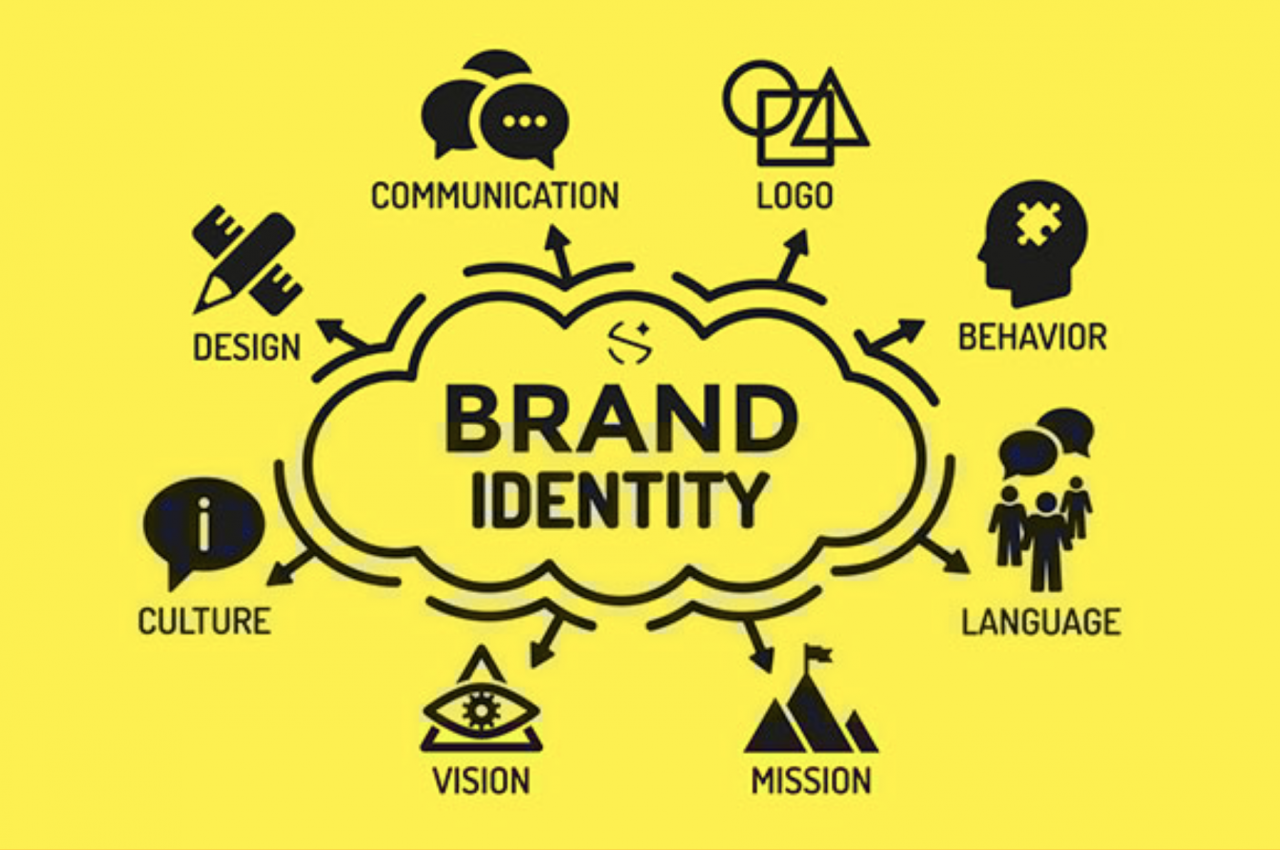
  • Brand Identity: This encompasses the visual elements, messaging, and overall personality that define a brand. A well-defined brand identity allows consumers to easily recognize and associate with the brand. Examples include the iconic Coca-Cola red and white logo, or the sleek, minimalist design of Apple products.
  • Brand Equity: This is the overall value a brand holds in the market. It’s a combination of factors like brand awareness, perceived quality, brand associations, and customer loyalty. Strong brand equity translates into higher prices, increased sales, and a stronger market position. A recognizable example is the premium price commanded by luxury brands like Gucci or Chanel.
  • Brand Loyalty: This refers to the consistent preference of customers for a specific brand over others. Cultivating brand loyalty requires consistently exceeding customer expectations and building lasting relationships. Companies like Amazon have fostered customer loyalty through consistent reliability, exceptional customer service, and extensive product offerings.

Different Perspectives on Brand Management

Various theoretical frameworks contribute to our understanding of brand management.

  • Marketing Mix Approach: This approach emphasizes the “4Ps” (product, price, place, promotion) in building a brand. A strong brand strategy aligns the “4Ps” with the target audience’s needs and desires.
  • Relationship Marketing Approach: This perspective focuses on building long-term relationships with customers. Building trust and loyalty through exceptional customer service is a cornerstone of this approach. Examples include loyalty programs and personalized customer interactions.
  • Brand Equity Approach: This framework emphasizes the value derived from a strong brand. Building brand equity is a long-term investment that can yield significant returns in terms of increased market share and profitability. Consider the high market valuation of companies like Apple, largely attributed to their strong brand equity.

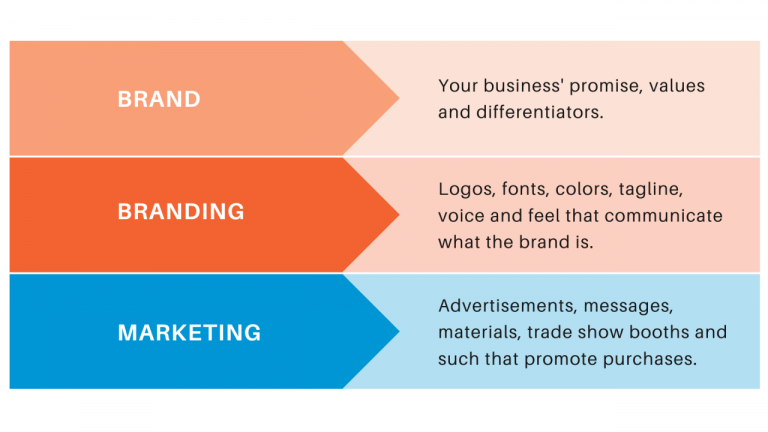
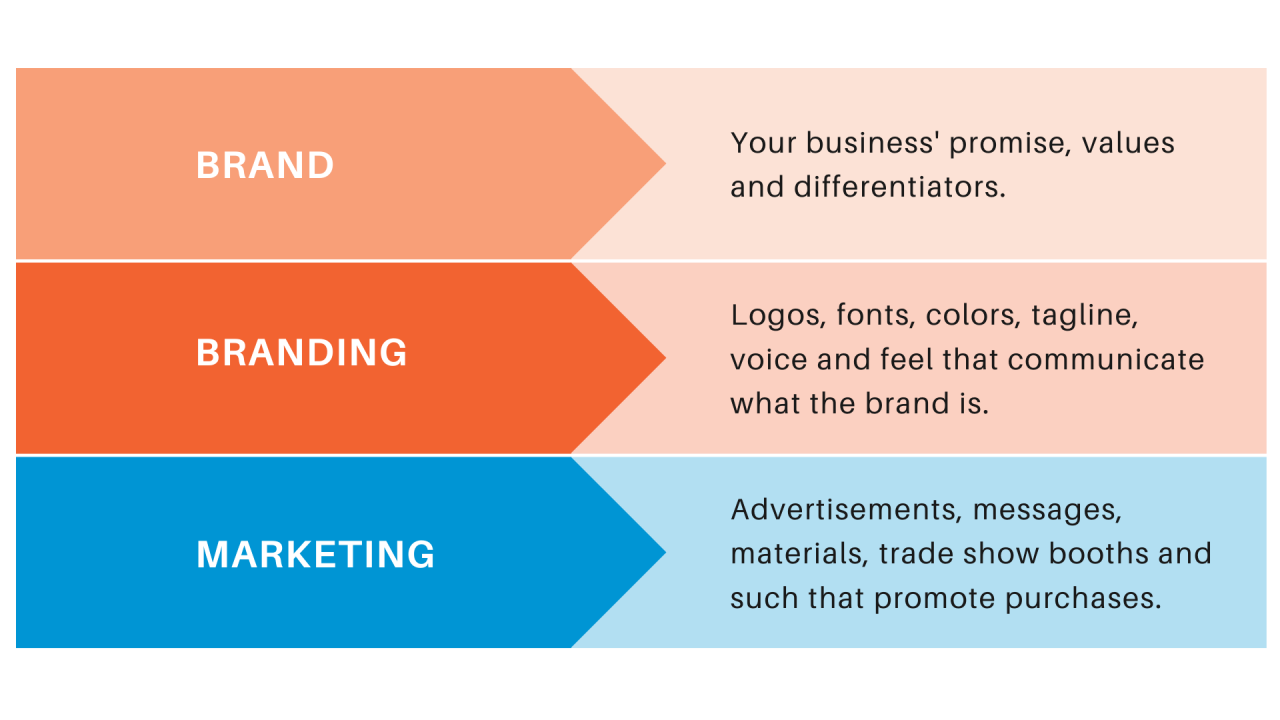
Brand Management vs. Marketing

Understanding the differences between brand management and marketing is essential for effective strategic planning.

Feature Brand Management Marketing
Focus Building and maintaining a strong brand identity and reputation Promoting specific products or services to generate sales
Scope Long-term, encompassing all aspects of the brand Short-term, focused on achieving specific marketing objectives
Goal Creating brand awareness, loyalty, and equity Increasing sales, driving traffic, and generating leads
Perspective Holistic, encompassing all touchpoints with customers Tactical, focused on specific marketing campaigns

Key Elements of Brand Management

Effective brand management is paramount for achieving long-term success in today’s competitive market. It’s not just about creating a logo or a catchy slogan; it’s about crafting a holistic strategy that resonates with the target audience and drives brand loyalty. This involves meticulous planning, understanding market dynamics, and consistently delivering a compelling brand experience.Understanding the crucial factors influencing effective brand management is fundamental.

This involves a deep dive into the target audience, aligning brand values with consumer needs, and adapting to evolving market trends. Effective brand management also requires the ability to strategically differentiate a brand from competitors, ensuring it occupies a unique position in the market.

Target Audience and Brand Values

Identifying and understanding the target audience is critical for successful brand management. This includes demographic data, psychographic traits, and the values that resonate with the consumer segment. Aligning brand values with consumer needs fosters a strong emotional connection, which is key to driving brand loyalty. This alignment builds trust and fosters a sense of belonging, driving consistent customer engagement.

Brand Management Strategies

Brand management strategies encompass a variety of approaches, each tailored to specific objectives. Strategies focused on building brand awareness often employ targeted advertising campaigns and public relations initiatives. Strategies emphasizing brand image rely on visual consistency, strong messaging, and creating a desirable perception. Brand experience strategies center on providing positive and memorable interactions with the brand at every touchpoint.

Brand Management Plan Development

A successful brand management plan involves several key steps. First, conducting a comprehensive market analysis is essential for understanding the competitive landscape and identifying opportunities. Next, defining clear brand objectives and strategies is critical for aligning efforts and ensuring consistent messaging. Implementing and monitoring the plan is equally crucial, involving continuous evaluation and adaptation based on performance metrics.

Examples of Successful Brand Management

Several brands excel in brand management by consistently implementing strong strategies. Apple, for example, fosters a unique brand experience, creating a sense of community and aspiration through meticulous product design and marketing. Nike emphasizes brand values of athleticism and empowerment, creating a strong emotional connection with its target audience through powerful storytelling. Starbucks has successfully created a recognizable brand experience through its retail environment, personalized service, and a focus on high-quality coffee.

These brands demonstrate how understanding the target audience, consistent brand messaging, and delivering a positive experience contribute to long-term success.

Brand Management in Action

Brand management isn’t just about creating a logo and a catchy slogan; it’s a dynamic process that significantly impacts a company’s success. Effective brand management is crucial for establishing a competitive edge, building enduring customer relationships, and navigating market shifts. It translates intangible brand attributes into tangible business results.Implementing a robust brand management strategy enables businesses to stand out in crowded markets.

This is achieved by clearly articulating a brand’s unique value proposition and consistently communicating it across all touchpoints. By strategically managing brand assets, businesses cultivate lasting customer loyalty and create a powerful engine for growth.

Branding and Competitive Advantage

A strong brand acts as a powerful differentiator in the marketplace. It allows businesses to command premium pricing and build a loyal customer base. By associating a specific set of values, attributes, and experiences with a brand, companies can create a competitive advantage that transcends mere product or service differentiation. A strong brand evokes trust and recognition, driving customer preference and increasing market share.

For instance, Apple’s brand consistently positions it as a leader in innovation and design, commanding premium prices and attracting a loyal customer base.

Brand Management and Customer Relationships

Brand management fosters strong customer relationships by creating a consistent and positive brand experience. This encompasses everything from product quality to customer service, marketing communications, and the overall brand personality. Companies that effectively manage their brand cultivate trust and loyalty, leading to increased customer lifetime value and positive word-of-mouth referrals. For example, companies like Amazon, with its focus on customer convenience and satisfaction, have cultivated incredibly strong customer relationships, leading to their global dominance.

Brand Management and Navigating Market Challenges

Brand management plays a critical role in helping businesses adapt and thrive during periods of market disruption. By maintaining a clear brand identity and adapting messaging to align with changing customer needs and expectations, companies can successfully navigate challenges. A well-defined brand provides a stable foundation during times of uncertainty, enabling the company to communicate effectively and maintain trust with its stakeholders.

For instance, during economic downturns, brands that have consistently delivered on their promises of value and quality tend to fare better.

Brand Management Approaches Across Industries

Industry Brand Management Approach Focus Key Considerations
Technology Innovation, cutting-edge features, and a sleek design aesthetic. Staying ahead of the curve in technological advancements, focusing on user experience, and demonstrating strong commitment to security and privacy.
Fashion Trendsetting designs, high-quality materials, and a strong sense of style. Understanding and responding to evolving fashion trends, maintaining brand consistency across different product lines, and establishing a strong visual identity.
Food Quality ingredients, taste, and a focus on customer experience, often emphasizing sustainability or ethical sourcing. Maintaining food safety standards, ensuring consistent product quality, and communicating brand values related to health and wellness. Emphasis on a compelling story and strong sensory experiences.

A well-defined brand management approach tailored to the specific industry ensures a consistent message and strengthens the brand’s impact on customers and stakeholders. Each industry has unique characteristics and customer expectations that need careful consideration.

Branding Strategy and Brand Management

A strong brand strategy is fundamental to successful brand management. It provides a roadmap for how a brand will position itself in the market, interact with customers, and evolve over time. A well-defined strategy informs all brand management activities, ensuring consistency and maximizing brand equity.A robust branding strategy directly influences brand management efforts by establishing clear objectives, target audiences, and messaging.

This alignment ensures that all brand-related actions – from product development to customer service – contribute to a cohesive and compelling brand experience. The success of brand management hinges on the effective implementation of a meticulously crafted strategy.

Relationship Between Branding Strategy and Brand Management

Branding strategy serves as the guiding principle for brand management. It Artikels the brand’s unique value proposition, target audience, and desired brand personality. Brand management, in turn, puts this strategy into action by implementing consistent brand experiences across all touchpoints. A strong strategy is crucial for successful brand management as it ensures all activities are aligned with the overall brand vision.

How a Strong Branding Strategy Contributes to Brand Management Success

A well-defined branding strategy contributes significantly to brand management success by:

  • Creating a Consistent Brand Identity: A clear strategy establishes a unified brand identity across all platforms, ensuring that the brand is perceived consistently by customers, regardless of the interaction point.
  • Driving Brand Awareness and Recognition: A well-defined strategy facilitates the development of effective marketing campaigns that generate brand awareness and recognition, increasing visibility and memorability among target audiences.
  • Building Brand Loyalty: A cohesive brand strategy enables the cultivation of strong customer relationships by providing a positive and consistent brand experience, which fosters loyalty and advocacy.
  • Enhancing Brand Value: A strong brand strategy enhances the perceived value of a brand, leading to a higher brand equity and greater market share.

Steps Involved in Creating a Comprehensive Branding Strategy

Creating a comprehensive branding strategy involves several key steps:

  1. Market Research and Analysis: Understanding the target market, competitors, and industry trends is crucial for identifying opportunities and developing a relevant strategy.
  2. Brand Positioning Definition: Defining the brand’s unique value proposition, target audience, and desired brand personality are essential for establishing a strong market position.
  3. Brand Messaging Development: Crafting compelling and consistent messaging that resonates with the target audience is critical for building brand awareness and recognition.
  4. Brand Identity Design: Developing a visual identity, including logo, colors, and typography, creates a memorable and recognizable brand presence.
  5. Brand Experience Design: Designing a positive and consistent brand experience across all touchpoints ensures a strong customer relationship and brand loyalty.
  6. Implementation and Monitoring: Implementing the strategy and continuously monitoring its effectiveness are crucial for achieving desired outcomes.

Framework for Evaluating Branding Strategy Effectiveness

Evaluating the effectiveness of a branding strategy involves assessing its impact on various metrics, including:

  • Brand Awareness: Measuring the level of recognition and recall among target audiences.
  • Brand Perception: Assessing how the target audience perceives the brand in terms of its attributes and values.
  • Brand Loyalty: Determining the level of customer loyalty and advocacy for the brand.
  • Sales and Revenue Growth: Analyzing the correlation between the implementation of the branding strategy and business performance indicators.
  • Customer Feedback: Gathering customer feedback through surveys and other channels to assess the effectiveness of the brand experience.

Factors Influencing Brand Positioning and Impact on Brand Management

Various factors influence brand positioning, impacting brand management strategies:

  • Target Audience Preferences: Understanding and catering to the specific needs and preferences of the target audience is crucial for successful brand positioning.
  • Competitive Landscape: Analyzing the competitive landscape and identifying opportunities to differentiate the brand from competitors are key for successful brand positioning.
  • Market Trends: Adapting to changing market trends and customer preferences is vital for maintaining a relevant and effective brand positioning.
  • Economic Conditions: Economic conditions can impact consumer behavior and purchasing decisions, requiring brands to adapt their strategies accordingly.

Branding Strategies and Corresponding Brand Management Approaches

Branding Strategy Brand Management Approach
Differentiation Strategy Focus on creating a unique brand identity and value proposition to stand out from competitors.
Value-Based Strategy Highlight the brand’s core values and mission to connect with customers who share similar values.
Customer-Centric Strategy Prioritize customer needs and preferences, creating personalized brand experiences.
Brand Extension Strategy Leverage existing brand equity to introduce new products or services under the same brand name.

Brand Management Challenges and Opportunities

Brand management is a dynamic field, constantly adapting to evolving consumer preferences and market trends. Successfully navigating these shifts requires proactive strategies to address challenges and capitalize on emerging opportunities. This section explores the key obstacles and advantages facing modern brand managers.Brand management faces a multitude of challenges, primarily centered around maintaining relevance and trust in a competitive landscape.

Adapting to rapidly changing consumer preferences, managing brand reputation in a digital age, and leveraging technology effectively are crucial for sustained success. Opportunities exist in embracing emerging trends, like personalization and social media engagement, to foster deeper connections with consumers.

Common Brand Management Challenges

Maintaining a consistent brand image while adapting to shifting consumer preferences is a significant challenge. Consumers today are more discerning and demanding, seeking authenticity and a brand’s alignment with their values. Successfully adapting to these changing preferences requires brands to conduct ongoing market research, understand evolving consumer behaviors, and adjust their messaging and strategies accordingly. Maintaining a positive brand reputation is also paramount.

Negative reviews, social media controversies, or crises can rapidly damage a brand’s image and erode consumer trust. Proactive reputation management strategies, including monitoring social media, addressing concerns promptly, and fostering transparency, are essential to mitigate potential damage.

Emerging Trends and Opportunities

Personalization is a powerful tool for strengthening customer relationships. Brands can leverage data to tailor experiences, products, and communications to individual preferences. This approach fosters stronger customer loyalty and drives sales by addressing specific needs and desires. Social media engagement presents another significant opportunity. Brands can interact directly with customers, gather feedback, and build communities around their products or services.

Successful engagement strategies involve creating interactive content, responding to customer inquiries promptly, and fostering genuine dialogue.

Successful Brand Management Initiatives

Numerous brands have successfully navigated challenges by implementing innovative strategies. For example, Nike’s focus on athlete empowerment and its strong social media presence have resonated with a broad audience. Similarly, Patagonia’s commitment to environmental sustainability has cultivated a loyal customer base who value ethical and responsible practices. These initiatives demonstrate the power of aligning brand values with consumer values.

Effective crisis management is another critical area. Consider how Tylenol successfully recovered from a tampering incident in the 1980s. Their swift response, transparency, and commitment to product safety rebuilt consumer trust and strengthened their brand image.

The Role of Technology in Brand Management

Technology plays an increasingly vital role in shaping brand management strategies. Data analytics tools provide insights into consumer behavior and preferences, allowing brands to tailor their messaging and campaigns more effectively. E-commerce platforms facilitate direct interactions with customers, enabling brands to build stronger relationships and gather valuable feedback. Furthermore, social media analytics tools provide insights into brand perception and sentiment, allowing brands to proactively address issues and engage with their audience effectively.

This data-driven approach enables brands to adjust their strategies in real-time, respond to market fluctuations, and make data-backed decisions.

Brand Management Tools and Techniques

Tool/Technique Description Purpose
Brand Audits Systematic evaluations of a brand’s performance, including its identity, positioning, and reputation. Assess brand strength and identify areas for improvement.
Market Research Gathering data about target audiences, competitors, and market trends. Understand consumer needs and preferences, and identify opportunities.
Social Listening Monitoring online conversations and feedback related to a brand. Identify potential issues, understand public perception, and engage with customers.
Brand Guidelines Comprehensive documents outlining brand identity, visual elements, and messaging. Maintain brand consistency across all platforms.
Content Marketing Creating valuable and engaging content to attract and retain customers. Build brand awareness, establish thought leadership, and nurture customer relationships.

Measuring Brand Management Success

Brand management success isn’t solely about creating a memorable logo or catchy slogan. It necessitates a robust system for tracking progress and quantifying the return on investment (ROI) of various initiatives. This involves understanding how effectively a brand resonates with its target audience and drives desired outcomes.A comprehensive approach to measuring brand management success necessitates a blend of qualitative and quantitative methods.

These methods help gauge brand awareness, loyalty, and equity, providing crucial insights for strategic decision-making and future planning.

Brand Awareness Measurement

Understanding how familiar consumers are with a brand is paramount. Brand awareness surveys are a key tool for this purpose. These surveys typically employ various questioning techniques, such as recognition (e.g., “Have you seen or heard of Brand X?”) and recall (e.g., “What brands of [product category] come to mind?”). The results provide a clear picture of the brand’s visibility and recognition within its target market.

Furthermore, analyzing website traffic and social media engagement can offer valuable data on brand visibility.

Sales Data Analysis for Brand Performance

Sales data provides a direct reflection of brand performance. By examining sales figures, trends, and market share, companies can identify the impact of brand management initiatives on revenue generation. Sales data analysis also helps pinpoint specific product lines or regions where the brand performs exceptionally well or faces challenges. This data allows for informed adjustments to marketing strategies and resource allocation.

Brand Equity Assessment

Brand equity represents the overall value of a brand, encompassing various aspects such as reputation, customer loyalty, and perceived quality. Brand equity metrics often include customer lifetime value (CLTV) and brand strength scores. Analyzing customer reviews, social media sentiment, and market research reports helps gauge brand perception and value.

Brand Loyalty Evaluation

Customer loyalty is a critical aspect of brand success. It indicates the likelihood of customers continuing to purchase from the brand over time. Customer retention rates, repeat purchase rates, and customer satisfaction scores (CSAT) are crucial metrics for assessing brand loyalty. Analysis of customer feedback mechanisms like loyalty programs and surveys can also reveal insights into customer loyalty and brand perception.

Return on Investment (ROI) Framework

Measuring the ROI of brand management initiatives requires a structured framework. This framework should define specific objectives, allocate budgets, and track key performance indicators (KPIs) aligned with those objectives. Tracking website traffic, conversion rates, and customer acquisition costs (CAC) can help assess the return on marketing investments. By calculating the ratio of profit to cost, companies can ascertain the profitability of specific brand management campaigns.

Customer Feedback and Reviews

Customer feedback and reviews are invaluable sources of information about brand management effectiveness. Analyzing customer reviews across various platforms, such as online review sites and social media, provides insights into customer experiences and identifies areas for improvement. Understanding the sentiment expressed in reviews (positive, negative, neutral) allows for proactive adjustments to address customer concerns and enhance the overall brand experience.

Last Recap

In conclusion, successful brand management is a dynamic process that requires a deep understanding of the market, the target audience, and the brand itself. By implementing effective strategies and adapting to changing consumer preferences, companies can build strong brands that drive customer loyalty and achieve sustainable growth. The key is understanding the relationship between branding and brand management, and continuously measuring and adapting to achieve the desired results.

Popular Questions

What are some common challenges in brand management?

Adapting to changing consumer preferences and managing brand reputation are common challenges. Maintaining brand consistency across different channels and platforms while staying relevant to target audiences is also crucial.

How does technology impact brand management?

Technology plays a significant role in shaping brand management strategies and approaches. Social media, online reviews, and data analytics tools are just a few examples of how technology has revolutionized the field.

What metrics are used to measure brand management success?

Brand awareness surveys, sales data analysis, and metrics assessing brand equity and loyalty are used. Analyzing customer feedback and reviews provides crucial insights for continuous improvement.

What’s the difference between brand management and marketing?

While both are intertwined, brand management focuses on the overall brand identity and long-term value, while marketing focuses on short-term promotional activities to achieve specific goals.

Branding iron letters are a fascinating tool that brings a personal touch to various items, allowing for unique marking and identification. Whether you’re a business owner looking to enhance your brand or a DIY enthusiast eager to personalize your creations, understanding how these letters function can open up a world of possibilities.

From their composition to their diverse applications, branding iron letters serve not only as a means of branding but also as a creative outlet in arts and crafts. This guide explores the nuances of branding iron letters, their applications, and the craftsmanship behind them.

Understanding Branding Iron Letters

Branding iron letters are an essential tool for businesses and artisans looking to create a unique identity through their branding. These letters are typically heated and pressed onto materials to leave a permanent mark, showcasing logos, initials, or other identifying features. They not only serve a functional purpose but also add a distinctive touch to products, making them instantly recognizable.The manufacturing of branding iron letters involves various materials, each chosen for its durability and effectiveness in heat retention.

Commonly used materials include steel, brass, and aluminum. Steel is favored for its strength and ability to withstand high temperatures, ensuring clear impressions. Brass offers excellent heat conductivity and a classic look, while aluminum is lightweight and resistant to rust, making it a suitable option for lighter applications.

Types of Branding Iron Letters

There are various types of branding iron letters available in the market, each catering to different needs and preferences. The choice of branding iron often depends on the material being marked and the design complexity. Below are the main types:

  • Manual Branding Irons: These are traditional tools that require a heat source, usually a flame or electric heater, and must be applied manually. They are ideal for small-scale operations and personalized items.
  • Electric Branding Irons: These irons heat up using electricity, providing a consistent temperature for clear and even branding. They are suitable for larger batches and more intricate designs.
  • Custom Branding Irons: Custom-made branding irons can be designed to fit specific logos or fonts, allowing businesses to establish a unique brand identity. These can be produced in various sizes and styles.
  • Cold Branding Irons: Unlike traditional branding, cold branding utilizes the freezing process to create a permanent mark without the heat, minimizing damage to heat-sensitive materials.

The type of branding iron selected has a significant impact on the quality of the mark and the efficiency of the branding process. It is important to consider the intended use and the visual effects desired when making a purchase.

Choosing the right branding iron type is essential for achieving both aesthetic and functional branding goals.

Applications of Branding Iron Letters

Branding iron letters have found their way into various industries and creative applications, showcasing their versatility and significance. From traditional uses in agriculture to modern crafting, these tools serve to personalize and authenticate products across multiple domains.Numerous industries utilize branding iron letters for both functional and decorative purposes. Their applications extend far beyond mere identification; they represent a commitment to quality and craftsmanship.

Here are a few industries where branding iron letters play a crucial role:

Industries Utilizing Branding Iron Letters

Understanding the industries that rely on branding iron letters illustrates their broad applicability. Below are some key sectors and examples of items they commonly mark:

  • Agriculture: Farmers use branding iron letters to mark livestock, ensuring ownership and tracking of animals across vast pastures.
  • Manufacturing: Factories often use branding iron letters to label machinery and equipment, enhancing accountability and safety.
  • Culinary Arts: Chefs and bakers frequently brand their products, such as wooden utensils or cheese boards, to showcase their unique brands and create a personal touch.
  • Crafting and DIY: Crafters utilize branding iron letters to personalize items like leather goods, wooden crafts, or even textiles, adding a bespoke quality to their creations.
  • Retail and Sales: Retailers may brand their merchandise, like bags or clothing tags, reinforcing brand identity and customer loyalty.

Products and Items Marked with Branding Iron Letters

Branding iron letters can be applied to a wide array of products, enhancing their appeal or functionality. The following showcases some specific items where branding iron letters leave a mark:

  • Leather Goods: Items such as wallets, belts, and bags are often embossed with initials or logos, providing a sense of exclusivity.
  • Wooden Furniture: Craftsmen may brand tables, chairs, or decorative items, ensuring the pieces are recognized as unique, handcrafted items.
  • Farm Equipment: Tools and machinery can be marked to prevent theft and ensure ownership within agricultural settings.
  • Artisan Products: Crafts like handmade soaps or candles can be branded for aesthetic appeal, promoting the maker’s identity.
  • Sports Equipment: Custom branding on items such as surfboards or bicycles helps differentiate products in a competitive market.

Unique Use Cases and Creative Applications

The versatility of branding iron letters lends itself to unique and artistic applications, especially in crafts and DIY projects. Here are some creative uses that illustrate their potential:

  • Customized Gifts: Personalizing gifts with branding iron letters, such as engraved cutting boards or initials on coasters, elevates them to cherished keepsakes.
  • Art Projects: Artists incorporate branding iron letters into mixed media works, combining text and texture to produce visually engaging pieces.
  • Home Décor: Branding iron letters can be used to create one-of-a-kind wall art by branding wood panels with personal quotes or family names.
  • Event Decor: For weddings or parties, branding iron letters can mark personalized items such as wine boxes or custom signage, enhancing the aesthetic of the event.
  • Educational Tools: Educators may use branding iron letters to create custom flashcards or classroom materials that encourage engagement through tactile learning.

Branding iron letters not only serve practical purposes but also evoke a sense of artistry and personalization that resonates across various fields.

Manufacturing Branding Iron Letters

Creating custom branding iron letters is a fascinating blend of artistry and precision engineering. This process not only involves crafting letters but also ensures that each piece meets the specific requirements of the customer while maintaining high standards of quality. Understanding the manufacturing process gives insight into how these tools can make a significant impact in various industries.The manufacturing of branding iron letters typically begins with designing the desired font and size.

Once the design is finalized, the next step is to create a mold, which serves as the base for forging the letters. Skilled artisans use high-quality steel, and the forging process involves heating the metal to a malleable state before shaping it into the designed letters. This method ensures durability and effectiveness, as branding irons must withstand high temperatures during usage.

Forging Techniques for Branding Iron Letters

The forging of branding iron letters employs several techniques that ensure strength and precision. Each technique contributes uniquely to the final product’s quality and performance. The primary techniques include:

  • Hot Forging: This technique involves heating metal to a temperature where it can be easily shaped. The heated metal is then placed into a die to form the letter. Hot forging enhances the grain structure of the metal, making it more robust.
  • Cold Forging: Used for finishing touches, cold forging occurs at room temperature, ensuring dimensional accuracy and surface finish. This is often applied after the initial forging to refine the details of the letters.
  • Electroforming: For more intricate designs, electroforming can be utilized. This process involves depositing layers of metal onto a model, allowing for the creation of highly detailed branding irons.

Quality Control Measures during Production

Quality control in the manufacturing of branding iron letters is critical to ensure reliability and effectiveness. Various measures are implemented throughout the production process to maintain high standards. These measures typically include:

  • Material Inspection: Before production begins, the raw materials are thoroughly inspected for quality and consistency. This step ensures that only high-grade steel is used, impacting the longevity of the branding irons.
  • Dimensional Accuracy Checks: Throughout the forging process, frequent measurements are taken to ensure that the dimensions of the letters match the specifications. This prevents discrepancies that could affect the branding quality.
  • Heat Treatment Verification: After forging, the letters undergo heat treatment processes. Quality control checks ensure that the correct temperatures and times are adhered to, enhancing the material’s hardness and durability.
  • Final Product Inspection: Before shipment, each branding iron letter is carefully inspected for any defects, ensuring that the finished product meets the established quality standards.

The combination of careful design, skilled forging techniques, and rigorous quality control measures ensures that branding iron letters are not only functional but also reliable tools for various branding needs.

Choosing the Right Branding Iron Letters

Selecting the appropriate branding iron letters is crucial for achieving clear, professional, and effective branding. The size, style, and quality of these letters can significantly influence the final impression on your product or project. Understanding the nuances involved in making the right choice will help ensure that your branding efforts are both aesthetically pleasing and functionally effective.

Comparison of Sizes and Styles

When choosing branding iron letters, there are various sizes and styles available, each suited for specific applications. The decision should be based on the intended use, material being branded, and the desired visual impact. For example, larger letters are generally more visible from a distance, making them ideal for outdoor signs or banners, while smaller letters might be better for intricate designs or detailed items.

The style of the letters can range from block letters to script fonts, each imparting a different character to the branding.

  • Sizes:
    Larger sizes (e.g., 3-5 inches) are perfect for prominent branding, while smaller sizes (1-2 inches) suit detailed work or smaller items.
  • Styles:
    Block letters offer a bold and straightforward look, whereas script fonts can convey elegance and creativity.
  • Material Compatibility:
    Consider the surface of the material being branded; rough surfaces may require larger letters to ensure clarity.

Factors to Consider for Selection

When selecting branding iron letters, several factors are crucial to ensure functionality and effectiveness. Each aspect impacts not only how the letters will perform but also the overall impression they create.

  • Brand Identity:
    The style of letters should align with your brand’s message and ethos.
  • Application Surface:
    Different materials (wood, leather, metal) require different types of branding letters for optimal results.
  • Heat Capacity:
    Ensure the letters can withstand the temperature required for effective branding without warping or losing integrity.

Quality Assessment Guide

Before making a purchase, assessing the quality of branding iron letters is essential to ensure longevity and effectiveness. High-quality letters not only perform better but also provide a more professional appearance.

  • Material Quality:
    Look for letters made from durable metals like stainless steel or brass, which resist rust and wear.
  • Craftsmanship:
    Examine the precision of the letters; well-crafted letters should have clean edges and consistent spacing.
  • Brand Reputation:
    Consider purchasing from well-reviewed manufacturers known for quality branding tools.
  • Warranty/Guarantee:
    A product that comes with a warranty is often a sign of confidence in quality from the manufacturer.

Maintenance and Care for Branding Iron Letters

Maintaining your branding iron letters is essential for ensuring their longevity and effectiveness. Proper care not only preserves the quality of the letters but also enhances their performance when used for branding. Regular attention to cleaning, storage, and addressing any issues that arise can significantly extend the lifespan of these tools.

Cleaning and Maintaining Branding Iron Letters

Keeping branding iron letters clean is crucial to avoid contamination and ensure clear impressions. Here are some best practices for cleaning:

Post-Use Cleaning

After each branding session, allow the letters to cool down. Use a soft cloth or a brush to remove any residue or charred material. For stubborn debris, soak the letters in warm soapy water for a few minutes before wiping them clean.

Avoid Harsh Chemicals

Stick to mild detergents for cleaning. Harsh chemicals can corrode the metal and cause damage over time.

Dry Thoroughly

After cleaning, make sure the letters are dried properly to prevent rusting. A soft towel or air drying is recommended.

Regular cleaning helps maintain the integrity and performance of your branding iron letters.

Storage of Branding Iron Letters

Proper storage of branding iron letters is vital for preventing damage and prolonging their lifespan. Here are some tips for effective storage:

Use a Protective Case

Invest in a sturdy storage case that can accommodate the letters without allowing them to move around. This minimizes the risk of scratches or dents.

Keep Away from Moisture

Store the letters in a dry environment to prevent rust. Consider using silica gel packs or rust inhibitors in the storage area.

Organize by Size and Type

Arrange your branding iron letters systematically, ideally by size or type. This not only simplifies access but also reduces the chances of misplacing letters.

Common Issues and Solutions for Branding Iron Letters

Branding iron letters can encounter a few common issues over time. Addressing these problems promptly can help maintain their functionality:

Warping

If letters become warped due to excessive heat, they may not make a clean impression. To remedy this, avoid overheating the letters during use and allow them to cool gradually after branding.

Rust Formation

Rust can form if the letters are not properly dried or stored in a humid environment. If rust appears, use fine steel wool to gently scrub the affected area and then apply a light coat of oil to protect against future corrosion.

Loss of Sharpness

Over time, the edges of the letters may become dull. Regularly inspect the letters and consider lightly filing the edges to maintain sharpness, ensuring clear branding.

Regular maintenance and prompt attention to issues can significantly improve the performance and longevity of branding iron letters.

Enhancing Branding with Iron Letters

Integrating branding iron letters into a business’s branding strategy can significantly enhance visibility and recognition. These unique letters not only add a tactile element to branding but also resonate with consumers on an emotional level, fostering a strong connection between the brand and its audience.A well-thought-out strategy for incorporating branding iron letters involves several key components. First, businesses should assess their brand identity and target audience to ensure that the style of the iron letters reflects the desired image and message.

Next, these letters can be used in various applications such as storefront signage, interior decor, or product branding. This omnipresence reinforces brand recognition and establishes a cohesive visual identity.

Successful Branding Campaigns Utilizing Branding Iron Letters

Many brands have successfully employed branding iron letters in their marketing campaigns. For instance, a popular coffee shop chain integrated iron letters into their shop design to create an inviting atmosphere that reflects their rustic and artisanal brand ethos. This choice not only attracted customers but also encouraged social media sharing, further amplifying their brand reach.Another example is a boutique clothing store that employed large iron letters as part of their window display.

This striking visual element drew in passersby and created a memorable first impression, leading to increased foot traffic and sales. The tactile nature of the iron letters added a touch of authenticity, further cementing the store’s brand image.The impact of branding iron letters on customer perception and brand loyalty is profound. A study showed that unique and well-crafted signage significantly influences consumer behavior, often leading to increased dwell time and enhanced emotional responses.

Customers tend to associate quality and craftsmanship with brands that utilize materials like iron, fostering a sense of trust and loyalty. Incorporating branding iron letters also allows businesses to convey their story and values visually. For example, a local brewery used branding iron letters to highlight their commitment to craftsmanship and local sourcing, establishing a deeper connection with their community.

This connection not only boosts customer retention but also encourages word-of-mouth marketing, further solidifying brand loyalty.

“Businesses that create an emotional connection with their customers through unique branding elements are more likely to foster long-term loyalty.”

DIY Projects with Branding Iron Letters

Themed Fonts – Branding Irons Unlimited

Branding iron letters offer a unique way to personalize items, making them special and memorable. Whether you’re crafting gifts for friends or enhancing your home decor, these letters can add a touch of creativity and individuality to your projects. This section delves into exciting DIY projects you can undertake using branding iron letters, providing step-by-step instructions, innovative ideas, and a comprehensive list of tools and materials needed.

Step-by-Step Guide for a Personalized Wooden Sign

Creating a personalized wooden sign is a fantastic way to showcase your creativity while utilizing branding iron letters. Follow these steps to make your own:

1. Select Your Wood

Choose a piece of untreated wood that suits the size you desire for your sign. Popular options are pine, cedar, or oak.

2. Prepare the Surface

Sand the wood surface to ensure it is smooth and free of splinters.

3. Design Your Message

Plan out what you want to brand onto the wood. This could be a name, a quote, or a symbol.

4. Heat the Branding Iron

Heat your branding iron letters according to the manufacturer’s instructions. It’s crucial to get the right temperature for a clean imprint.

5. Position the Letters

Once heated, carefully position the branding iron letters on the wood where you want them.

6. Brand the Wood

Press the branding iron firmly onto the wood for about 10-15 seconds, ensuring even contact. Repeat for each letter.

7. Finish the Sign

Once the branding is complete, you can paint or stain the wood to enhance its look. Optionally, apply a protective finish to seal your design.

“A personalized wooden sign can transform your space and make thoughtful gifts.”

Innovative Ideas for Personalizing Gifts and Home Decor

Branding iron letters can be used in a variety of ways to create personalized gifts or enhance your home decor. Here are some innovative ideas:

Customized Coasters

Use cork or wooden coasters to brand initials or short messages, making them perfect for housewarming gifts.

Personalized Keychains

Small wooden or leather keychains can be branded with names or meaningful symbols, adding a personal touch to everyday items.

Decorative Picture Frames

Brand a meaningful quote or date on a picture frame, making a cherished memory even more special.

Garden Markers

Create custom garden markers by branding plant names onto small wooden stakes, adding charm and organization to your garden.

Tools and Materials Needed for DIY Applications of Branding Iron Letters

Before starting your DIY projects, gather the following tools and materials to ensure a smooth crafting experience:

Branding Iron Letters

Choose a set that fits your desired font and style.

Wood or Other Surfaces

Select suitable materials like wood, leather, or cork for branding.

Sandpaper

For smoothing surfaces before branding.

Heat Source

A butane torch or electric branding iron to heat the letters.

Protective Gear

Heat-resistant gloves and safety goggles to ensure safety while working.

Finishing Supplies

Wood stain or paint, and a clear sealant for added protection and aesthetics.

“Gathering the right tools and materials can significantly enhance your DIY experience.”

Final Thoughts

In conclusion, branding iron letters offer a versatile and impactful way to express identity and creativity. Whether used in professional branding or personal projects, these tools enhance the aesthetic value of any item they touch, making them an essential addition to your toolkit. Embrace the art of branding iron letters and discover the endless possibilities they bring.

FAQ Compilation

What materials are used to make branding iron letters?

Branding iron letters are typically made from metals like stainless steel, brass, or aluminum for durability and heat resistance.

Can I use branding iron letters on any material?

Branding iron letters work best on wood, leather, and some types of plastics, but results may vary depending on the material’s composition.

How do I properly care for my branding iron letters?

Cleaning them after each use with a soft cloth and storing them in a dry place will help prolong their lifespan.

Are there custom options for branding iron letters?

Yes, many manufacturers offer customizable branding iron letters to suit specific needs or preferences.

What are some creative uses for branding iron letters?

They can be used for personalizing gifts, creating custom home decor, or even branding products for small businesses.

Branding iron gif is an exciting fusion of traditional branding techniques and modern digital expressions. It showcases how the historical significance of branding irons can seamlessly transition into the dynamic world of GIFs, providing a unique way to enhance brand storytelling. With the power of visual media, businesses can leverage branding iron gifs to leave a memorable impact on their audience.

As digital communication continues to evolve, branding iron gifs emerge as a captivating means for brands to convey their identity and values. By integrating animated visuals into their marketing strategies, companies can create engaging content that resonates with consumers and builds lasting connections.

Understanding Branding Irons

Branding irons are tools that imprint a distinctive mark onto various materials, primarily used for identification or decorative purposes. They have played a crucial role in marking ownership and enhancing the visibility of brands across different industries. The functionality of branding irons lies in their ability to create a lasting impression, often symbolizing quality and authenticity.Historically, branding has been significant in various industries, including agriculture, leather goods, and manufacturing.

Farmers used branding irons to mark livestock, ensuring ownership and preventing theft. In the leather industry, brands were stamped onto products to signify quality and craftsmanship. This practice has evolved into modern branding, where companies utilize logos and symbols to differentiate their products in a competitive market.

Materials Used for Branding Irons

Branding irons are made from several materials, each chosen for its durability and heat retention properties. The most common materials include:

  • Steel: The most widely used material due to its high heat tolerance and strength, steel branding irons can maintain their shape and effectiveness over time.
  • Brass: Often used for smaller branding irons or for decorative purposes, brass provides a distinctive look while retaining heat effectively.
  • Aluminum: Lightweight and corrosion-resistant, aluminum is suitable for less demanding applications, often used for temporary or promotional branding.

The choice of material affects the quality and longevity of the brand, thus impacting the branding process’s overall effectiveness. Branding irons also come in various styles depending on the application, from simple designs for livestock to intricate patterns for leather goods and other products.

“The mark of authenticity is often sealed with a branding iron, signifying quality and trust.”

The Concept of GIFs

GIFs, or Graphics Interchange Formats, have become a staple in the digital world, renowned for their ability to convey emotions, humor, and context in a mere few seconds. As a media format, GIFs combine the benefits of static images with the dynamic nature of video, allowing for short, looping animations. This unique combination makes them ideal for capturing attention in a fast-paced digital environment, where users scroll through content rapidly.The popularity of GIFs in digital communication can be attributed to their versatility and ease of sharing across various platforms.

They serve as an effective form of expression, allowing users to communicate complex emotions or reactions succinctly. In addition, GIFs often enhance user engagement, making them a go-to choice for social media interactions, storytelling, and memes. With platforms like Giphy and Tenor providing extensive libraries and integration options, the ease of access to GIFs has only fueled their widespread use.

Characteristics of GIFs as a Media Format

GIFs possess distinct characteristics that set them apart from other media formats. They are typically small in file size, which allows for quick loading and seamless sharing. Their ability to loop endlessly makes them engaging, as users can watch the animation repeatedly without interruption. Furthermore, GIFs support transparency, enabling them to blend seamlessly into various backgrounds, an aspect that enhances their aesthetic appeal.GIFs can also incorporate vivid colors and simple animations, making them visually striking despite their limited frame rate.

This format is particularly effective for capturing short moments, such as reactions or highlights from longer videos, and is widely used in messaging apps, social media posts, and online forums.

Effective Uses of GIFs in Marketing and Branding

The use of GIFs in marketing and branding has proven to be highly effective in conveying messages quickly and memorably. Brands leverage GIFs to create engaging content that resonates with their audience, often tapping into current trends or pop culture references. Here are some examples of how brands effectively use GIFs:

1. Promotional Campaigns

Brands like Taco Bell use GIFs to showcase new menu items or promotions in a fun, eye-catching manner. The GIF format allows them to highlight the product’s features dynamically, grabbing users’ attention.

2. Social Media Engagement

Companies such as Buzzfeed utilize GIFs in their posts to drive interaction and engagement. By incorporating humor or relatable content, they encourage users to share and comment, expanding their reach organically.

3. Event Highlights

Sports and entertainment brands often create GIFs from key moments in games or events, allowing fans to relive thrilling highlights. For instance, the NBA frequently shares GIFs of amazing plays on social media to keep fans engaged.

4. Customer Interactions

GIFs are also used in customer service chats by companies like Mailchimp, where they can provide a visual response to common queries. This adds a layer of personality to interactions, making the brand feel more approachable.In summary, the characteristics of GIFs, coupled with their popularity in digital communication, make them a powerful tool for brands looking to enhance their marketing strategies.

Employing GIFs effectively can lead to increased engagement, brand recognition, and customer loyalty.

Creating a Branding Iron GIF

Creating a Branding Iron GIF can be an exciting way to showcase your brand’s identity and leave a memorable impression. By incorporating motion into your design, you can attract attention and communicate your message more effectively. This section will guide you through the steps to create a captivating GIF that highlights your branding iron.To create a Branding Iron GIF, you need to follow a systematic approach that includes conceptualization, design, and animation.

The process involves choosing the right software tools, developing your design elements, and effectively animating them to bring your branding iron to life. Here’s a breakdown of the key steps involved in this creative endeavor.

Steps to Create a Branding Iron GIF

Begin by understanding the foundational steps to bring your branding iron concept into a dynamic GIF format. The following steps Artikel the process:

  1. Conceptualize Your Design: Start by sketching ideas for your branding iron. Consider the shape, font, and overall aesthetic that will resonate with your brand identity.
  2. Choose Software Tools: Select a suitable software tool for creating your GIF. Popular options include Adobe Photoshop, GIMP, and online platforms like Canva and EZGIF.
  3. Create the Design: Using your chosen software, design the branding iron. Ensure to incorporate vibrant colors and distinctive typography to enhance visibility.
  4. Animate the GIF: Experiment with different animation techniques such as fading, sliding, or bouncing to create movement in your branding iron design.
  5. Export Your GIF: Once satisfied with your animation, export the file as a GIF format, ensuring to optimize it for web use to maintain quality without excessive file size.

Software Tools for Designing GIFs

Choosing the right software can significantly impact the quality and ease of the GIF creation process. Here are some recommended tools:

  • Adobe Photoshop: A powerful graphic design tool that offers advanced features for creating and animating GIFs.
  • GIMP: A free and open-source alternative to Photoshop that provides essential design and animation capabilities.
  • Canva: An intuitive online design platform that enables users to create GIFs easily, perfect for beginners.
  • EZGIF: A simple online tool specifically designed for GIF creation and editing, allowing for quick adjustments and enhancements.

Techniques for Animating Branding Iron Designs

Effectively animating your branding iron design is crucial for creating an engaging GIF. Here are some techniques to consider:

  • Frame Animation: Create a series of frames that depict different stages of the branding iron, allowing for smooth transitions and movement.
  • Timing Adjustments: Adjust the timing between frames to create a more dynamic effect. Shorter intervals can create a sense of urgency, while longer intervals may convey elegance.
  • Looping: Ensure the animation loops seamlessly to maintain viewer engagement. A well-looped GIF can create a mesmerizing effect.
  • Overlay Text: Consider adding overlay text to convey your message or branding elements, ensuring it complements the animation without overpowering it.
  • Color Transitions: Utilize color transitions to enhance visual appeal and draw attention to your branding iron design.

“The effectiveness of a branding iron GIF lies in its ability to combine aesthetic design with engaging motion, resulting in a memorable representation of your brand.”

Branding and Visual Identity

Branding irons serve as a powerful tool in establishing a brand’s visual identity by offering a tangible representation of a company’s values and mission. When a brand incorporates a unique design into its branding iron, it creates an unmistakable mark that communicates its personality and style to consumers. This physical representation can be burned into products, packaging, or promotional materials, leaving a lasting impression that enhances recognition and loyalty among customers.

The storytelling aspect of a brand’s image can be significantly enhanced through the use of GIFs. GIFs can encapsulate brand narratives, emotions, and experiences in a dynamic format that captures attention. They allow brands to convey complex messages in a concise and engaging manner, effectively drawing in the audience and stimulating interest. With the rise of social media, GIFs have become an integral part of digital marketing strategies, providing a means to engage customers in a visually compelling way.

Integration of Branding Iron GIFs into Marketing Strategy

Integrating branding iron GIFs into a marketing strategy can amplify brand visibility and engagement. The following strategies can be employed to leverage these creative assets effectively:

1. Social Media Campaigns

Utilize branding iron GIFs as part of social media posts to showcase the craftsmanship and uniqueness of the products. A well-timed GIF can enhance user engagement and increase shares, expanding the brand’s reach.

2. Website Enhancements

Incorporate GIFs on the brand’s website to provide a visual cue of the branding process or to highlight specific products. This can make the website more interactive, encouraging visitors to explore further.

3. Email Marketing

Use GIFs in email newsletters to grab attention and visually communicate promotional offers. A captivating GIF that illustrates the branding iron in action can increase click-through rates and drive traffic to online stores.

4. Event Promotion

When promoting events or launches, branding iron GIFs can be used in promotional materials to create excitement and anticipation. These visuals can highlight what sets the event apart and attract attendees.

5. Customer Engagement

Encourage customers to create and share their GIFs featuring the branding iron on their own products. This not only fosters community involvement but also provides authentic content for the brand’s marketing efforts.

“Branding irons not only mark products but also tell a story, enhancing the visual identity of the brand.”

Popular Branding Iron GIFs

Branding iron GIFs have evolved into a unique and engaging way for businesses to convey their brand identity. These animated images effectively capture attention and evoke emotions, making them an integral part of modern branding strategies. With their ability to combine visuals and branding messages, they serve as a powerful tool in marketing campaigns.The creative elements of notable branding iron GIFs vary widely, showcasing different styles and approaches.

Some brands use animated logos, while others incorporate playful animations that reflect their brand’s personality. Here are a few notable examples of effective branding iron GIFs:

Notable Examples of Branding Iron GIFs

The following examples highlight the creativity and impact of branding iron GIFs in various marketing campaigns:

  • Starbucks: The animated green mermaid logo gently swaying, reinforcing brand recognition while promoting seasonal beverages.
  • Airbnb: A playful animation of a house icon with moving elements, representing the essence of travel and home.
  • Dropbox: A GIF showcasing a box opening and closing, symbolizing the convenience of storing files effortlessly.

These examples illustrate how branding iron GIFs can encapsulate a brand’s essence while engaging viewers in a fun and memorable way.

Trends in Branding Iron GIF Design

Design trends in branding iron GIFs reflect a balance between creativity and clarity. Modern GIFs are characterized by minimalism, vibrant colors, and smooth animations. The use of micro-interactions has become popular, where elements respond dynamically, enhancing user engagement. Additionally, incorporating brand colors and typography consistently within the GIF design ensures a cohesive visual identity.The effectiveness of these trends is evident in their ability to capture attention quickly and convey messages succinctly.

Brands that successfully implement these design elements often see increased brand recall and interaction rates.

Effectiveness of Selected Branding Iron GIFs

Analyzing the effectiveness of selected branding iron GIFs reveals their significant impact on marketing campaigns. For instance, a well-crafted GIF can enhance social media engagement, increasing shares and likes, which ultimately leads to broader brand exposure. A study showed that posts containing GIFs had 50% more engagement compared to static images. In particular, brands that utilize humor or relatable scenarios in their GIFs tend to create a stronger connection with their audience, leading to an increase in customer loyalty.

“Engagement is key; the more relatable and entertaining the GIF, the higher the interaction rates.”

This analysis underscores the importance of incorporating effective branding iron GIFs into marketing strategies, as they are not merely decorative but serve as dynamic components that can drive brand awareness and customer engagement.

Technical Aspects of GIF Creation

Building a brand strategy: Essentials for long-term success

Creating effective GIFs requires an understanding of several technical specifications and optimization techniques to ensure performance and visual appeal. When making branding iron GIFs, these elements are crucial for maintaining quality while keeping file sizes manageable for online use. The essential technical specifications for GIF creation include file size and dimensions. Optimally, GIFs should be kept under 1MB for faster loading times.

The dimensions depend on where the GIF will be displayed; popular sizes include 480×270 pixels for social media and 800×600 pixels for larger displays.

Optimization Techniques for GIFs

Optimizing GIFs for performance is vital to enhance user experience and ensure quick loading times. Here’s a structured step-by-step guide to achieve this:

1. Select Appropriate Dimensions

Choose dimensions that suit your platform while avoiding excessive resolution, which can increase file size.

2. Limit the Color Palette

Use a maximum of 256 colors. Reducing the color palette can significantly lower the file size while retaining visual quality.

3. Reduce Frame Rate

Lower the frame rate to around 15-20 frames per second. This maintains smooth motion while decreasing file size.

4. Trim Unnecessary Frames

Analyze your GIF for frames that do not contribute meaningfully. Removing these can help streamline the file.

5. Use Compression Tools

Utilize online tools or software like Photoshop or GIMP that provide compression options specifically for GIFs.

6. Test Across Platforms

Ensure that your GIF performs well across various devices and platforms to guarantee consistent quality.

Common Pitfalls in GIF Creation

Avoiding common mistakes can lead to more effective branding iron GIFs. Here are several pitfalls to keep in mind:

Ignoring File Size Limits

Large GIFs can lead to slow loading times, causing viewers to lose interest. Keeping file sizes under 1MB is ideal.

Excessive Color Usage

Using too many colors can bloat file size and make the GIF visually overwhelming. Stick to a simple color scheme.

Over-Animating

Excessive movement can distract from the message. Aim for subtle animations that enhance the branding.

Neglecting Accessibility

Ensure that your GIFs have clear visuals that can be understood by all viewers, including those with visual impairments.

Failing to Test

Always test your GIF on different devices and platforms. A GIF that looks great on a desktop may not perform as well on mobile.

“Effective GIFs balance quality and performance for optimal viewer engagement.”

Branding Iron GIFs in Different Industries

Branding iron GIFs have emerged as a versatile tool across various industries, enhancing brand recognition and engagement. Their unique ability to convey messages quickly and creatively makes them ideal for businesses looking to make a memorable impression. By incorporating motion graphics that reflect their brand identity, companies can effectively communicate their values and offerings.

Industries Benefiting from Branding Iron GIFs

Several industries have successfully adopted branding iron GIFs to enhance their marketing efforts. These industries leverage the dynamic nature of GIFs to attract attention, showcase products, and convey brand messages.

  • Food and Beverage: Restaurants and beverage brands utilize GIFs to display delectable dishes and drinks, enticing customers to visit their establishments. For instance, a popular coffee chain might use a GIF showing a barista skillfully preparing a latte, emphasizing craftsmanship and quality.
  • Fashion and Retail: Apparel brands incorporate GIFs to present outfits in motion, allowing consumers to see how clothing fits and flows. A fashion retailer may showcase a model walking in a GIF, highlighting the versatility of a dress through different angles and movements.
  • Technology: Tech companies often use GIFs to illustrate product features or software interfaces. For example, a smartphone manufacturer might create a GIF demonstrating the ease of use of their new camera features, making it visually appealing and informative.
  • Travel and Hospitality: Travel agencies and hotels use GIFs to create enticing visuals of destinations and accommodations. A GIF featuring stunning beach sunsets or luxurious hotel rooms can evoke emotions and inspire travel plans.
  • Education: Educational institutions and platforms utilize GIFs to make learning materials more engaging. A GIF might depict a science experiment in action, helping students visualize complex concepts in a fun and interactive way.

Case Studies Showcasing Successful Branding Iron GIF Implementations

Several brands have effectively employed branding iron GIFs, leading to increased engagement and brand loyalty. Examining these case studies illustrates the impact of well-executed GIF campaigns.

  • Coca-Cola: Coca-Cola utilized GIFs during their “Share a Coke” campaign, creating animated visuals of personalized bottles being shared among friends. This campaign not only increased customer interaction on social media but also encouraged people to purchase personalized bottles, driving sales significantly.
  • Nike: Nike launched a GIF series demonstrating their new sneaker technology. The animations highlighted unique features and benefits, drawing attention on social media and resulting in higher conversion rates for their online store.
  • Airbnb: Airbnb created GIFs showcasing unique stays and experiences in different locations. These animations sparked interest and shares, significantly boosting their brand visibility and engagement on various platforms.

Effectiveness of Branding Iron GIFs Across Various Sectors

The effectiveness of branding iron GIFs varies across sectors, influenced by audience engagement and the type of content shared. Analyzing their impact reveals significant differences.

  • Engagement Rates: Industries like food and beverage and fashion tend to see higher engagement rates with GIFs, as visuals of products directly appeal to consumer interests. Brands often experience increased shares and likes, enhancing their reach.
  • Brand Recall: Technology and education sectors report improved brand recall when utilizing GIFs. The dynamic nature of GIFs aids in memorability, making it easier for audiences to remember brand features and messages.
  • Conversion Rates: Retail and travel industries experience notable increases in conversion rates through GIFs that highlight promotions or unique offerings. Clear, attractive visuals can drive customers to take action, whether booking a trip or purchasing an item.

“GIFs amplify the storytelling aspect of branding, making messages more relatable and memorable.”

Future of Branding Iron GIFs

As the digital landscape continues to evolve, the role of branding iron GIFs is set to expand significantly. These animated visuals are not just a passing trend; they are becoming a crucial tool in digital branding strategies. The future promises innovative approaches that can enhance brand recognition and customer engagement, making branding iron GIFs a vital asset for businesses looking to stand out in a crowded marketplace.Anticipated trends indicate that branding iron GIFs will increasingly incorporate advanced technologies such as augmented reality (AR) and artificial intelligence (AI).

These innovations will allow for more interactive and personalized branding experiences. For example, a potential trend could involve AR-enabled branding iron GIFs that users can interact with through their mobile devices, creating a unique and immersive experience that reinforces brand identity.

Innovations in Branding Iron Design and Animation

The design and animation of branding iron GIFs are likely to evolve, focusing on creating more dynamic and engaging visuals. This can be achieved by integrating 3D modeling, motion graphics, and user-generated content, allowing brands to curate an interactive experience that resonates with their audience. Several factors will drive these innovations:

  • 3D Animation: As technology advances, brands may begin to utilize 3D animations for their branding iron GIFs, providing a more lifelike representation that captures user attention.
  • Personalization: Future branding iron GIFs could incorporate user data to create tailored animations that reflect individual preferences, making the branding experience more relevant and engaging.
  • Micro-Interactions: Small, subtle animations that respond to user actions (like hovering or clicking) can enhance user engagement. These micro-interactions can make branding iron GIFs feel more interactive and immersive.

Brands that embrace these innovations will likely see increased engagement rates, as more engaging and visually appealing content tends to encourage user interaction and sharing.

Role of Branding Iron GIFs in the Evolving Digital Landscape

As consumers increasingly gravitate towards visual content, branding iron GIFs will play a significant role in shaping marketing strategies. They will be used not only for brand awareness but also as a means to communicate brand values and stories through engaging animations.In the future, we can expect to see branding iron GIFs integrated into various platforms, enhancing their versatility:

  • Social Media Marketing: As platforms like Instagram and TikTok prioritize visual content, branding iron GIFs will become essential for capturing attention in fast-paced feeds.
  • Email Marketing: Incorporating GIFs into email campaigns can boost open and click-through rates, making branding iron GIFs an effective tool for driving engagement.
  • Website Enhancements: Brands may use GIFs as a vibrant element on their websites, making landing pages more appealing and helping convey messages quickly.

By creatively leveraging branding iron GIFs, businesses can maintain relevance and foster a deeper connection with their audiences. As the digital landscape continues to evolve, the demand for innovative, visually appealing content will only increase, making branding iron GIFs a pivotal element of future branding strategies.

Final Conclusion

In conclusion, branding iron gifs represent a creative tool that bridges the gap between history and innovation. They not only enhance visual identity but also enrich the narrative behind a brand. As trends continue to shift, embracing this unique blend of traditional and modern branding will undoubtedly offer businesses a competitive edge in the digital landscape.

Common Queries

What is a branding iron gif?

A branding iron gif is an animated graphic that represents branding irons, used to enhance brand storytelling in a modern digital format.

How can branding iron gifs improve marketing strategies?

They can capture audience attention and convey brand messages effectively, making them an engaging element of digital marketing campaigns.

What software can be used to create branding iron gifs?

Popular tools include Adobe Photoshop, GIMP, and online GIF makers like Canva or EZGIF.

Are there specific dimensions for branding iron gifs?

While the dimensions can vary, optimal sizes typically range from 480×270 pixels to 600×400 pixels for web use.

What industries commonly use branding iron gifs?

Industries such as food and beverage, apparel, and crafts often utilize branding iron gifs to enhance their branding efforts.

With Branding Iron BBQ Menu at the forefront, this culinary experience invites you to explore a world of mouthwatering flavors and rich traditions that define the BBQ culture. Step inside, and you’ll discover not just a menu, but a celebration of taste that tells a story of passion and craftsmanship in every bite.

The Branding Iron BBQ stands out in the crowded BBQ scene, offering a menu that blends classic techniques with modern twists. Its history resonates through its carefully curated dishes, each crafted with love and high-quality ingredients, reflecting the essence of BBQ dining. Get ready to savor the unique offerings that make this establishment a beacon for BBQ lovers everywhere.

Introduction to Branding Iron BBQ

Branding Iron BBQ is not just a name; it’s a legacy steeped in the rich tradition of American barbecue. Established in the heart of BBQ country, the restaurant has been serving up mouthwatering dishes for over a decade. Known for its commitment to authentic flavors and high-quality ingredients, Branding Iron BBQ has become a favorite among locals and visitors alike.

Its blend of time-honored recipes and innovative cooking techniques reflects the restaurant’s dedication to excellence in the BBQ industry.The BBQ menu is a critical element of any barbecue restaurant’s identity, acting as a canvas that showcases the culinary artistry and unique flavor profiles that define the establishment. A well-crafted BBQ menu not only highlights the signature dishes but also embraces the spirit of barbecue culture.

For Branding Iron BBQ, the menu serves as an invitation to experience the rich flavors and hearty portions that keep customers coming back for more.

Unique Features of Branding Iron BBQ

Several aspects set Branding Iron BBQ apart from competitors, making it a standout choice for barbecue enthusiasts. These unique features contribute to its reputation and customer loyalty, ensuring a delightful dining experience.

  • Signature Sauces: The restaurant prides itself on its house-made sauces, each crafted meticulously to complement a variety of meats. From tangy to spicy, these sauces enhance the flavor profiles, making every bite memorable.
  • Quality Ingredients: Sourcing only the freshest, locally-produced meats and vegetables ensures that every dish maintains high standards of quality. This commitment to quality is a cornerstone of Branding Iron BBQ’s philosophy.
  • Wood-Fired Cooking: Utilizing traditional wood-fired pits, the cooking method infuses a smoky essence that is both authentic and irresistible. This technique not only enhances the flavor but also embodies the true spirit of barbecue.
  • Community Engagement: Branding Iron BBQ actively participates in local events and supports community initiatives, fostering a sense of belonging and connection with its patrons.
  • Family-Friendly Atmosphere: The welcoming environment encourages families to enjoy meals together, making it a go-to spot for gatherings and celebrations.

“At Branding Iron BBQ, we believe in creating unforgettable experiences through exceptional food and genuine hospitality.”

Menu Highlights

When it comes to BBQ, the Branding Iron BBQ menu is a feast for the senses. Each dish is crafted to perfection, showcasing the vibrant flavors and rich traditions of barbecue. From tender meats to zesty sauces, every item on our menu comes with a unique twist that sets it apart from the rest. Our culinary team has meticulously curated a selection of signature dishes that not only highlight the best ingredients but also celebrate the diverse influences that make BBQ a beloved cuisine.

Here are some of the standout items that you simply can’t miss.

Signature Items

Explore our signature dishes that define what Branding Iron BBQ is all about. Each dish is made with the freshest ingredients, slow-cooked to enhance the flavors.

  • Smoked Brisket: Juicy, tender brisket smoked for over 12 hours with a blend of mesquite and hickory wood, served with our house-made BBQ sauce.
  • St. Louis Ribs: Fall-off-the-bone ribs coated with a sweet and tangy rub, grilled to perfection and glazed with our signature sauce.
  • Pulled Pork Sandwich: Hand-pulled pork shoulder slow-cooked and tossed in our vinegar-based sauce, served on a toasted bun with coleslaw.
  • BBQ Chicken: Marinated chicken grilled and basted with a smoky BBQ sauce, served with a side of cornbread.
  • Vegetarian BBQ Platter: A delightful mix of grilled vegetables and smoked tofu, served with a tangy BBQ sauce, perfect for our veggie-loving guests.

BBQ Styles Comparison

Our menu showcases an array of BBQ styles, each reflecting regional traditions and flavors. Understanding these styles can help you choose your perfect dish.

BBQ Style Region Flavor Profile Cooking Technique
Texas BBQ Texas Bold, smoky, often beef-centric Long, slow smoking over wood
Kansas City BBQ Kansas City Sweet and tangy, tomato-based sauces Indirect grilling and smoking
Memphis BBQ Memphis Spicy and sweet, often served with dry rub Slow smoking and grilling
Carolina BBQ North and South Carolina Tangy, vinegar-based sauces Slow cooking, often with a focus on pork

Ingredients and Sourcing

At Branding Iron BBQ, we believe that the foundation of exceptional BBQ lies in the quality of its ingredients. Our commitment to sourcing high-quality, fresh ingredients drives our menu and enhances the flavors of our dishes. By partnering with local farms and trusted suppliers, we ensure that every bite is both delicious and sustainable.We take pride in using seasonal ingredients, which not only elevates our BBQ offerings but also supports our local economy.

Fresh, seasonal produce offers superior flavor and nutritional value, allowing us to craft dishes that are vibrant and full of life. By focusing on what is in season, we also minimize our environmental impact and promote sustainable farming practices.

Local Sourcing of Ingredients

Building strong relationships with local farmers and suppliers is a cornerstone of our ingredient sourcing strategy. We prioritize ingredients that are raised or grown within the region, which not only guarantees freshness but also supports local agriculture. Our partnerships allow us to select from a diverse range of meats and produce that are harvested at their peak.

  • Grass-fed beef from nearby ranches, ensuring rich flavor and ethical practices.
  • Heritage breed pork sourced from local farms, known for its superior taste and quality.
  • Seasonal vegetables and herbs from community gardens that add freshness to our BBQ dishes.

Preparation and Marination Techniques

The way we prepare and marinate our meats plays a significant role in enhancing the BBQ flavors that our guests love. We utilize a variety of traditional and innovative techniques to create a depth of flavor that is truly unforgettable.Our marination process often includes a combination of spices, herbs, and acidic components such as citrus juices or vinegars, which help to tenderize the meat.

The marination time varies, allowing each cut to absorb the flavors deeply.

“The art of marination is not just about flavor; it’s about transforming the meat into a succulent masterpiece.”

Some of our key preparation methods include:

  • Dry rubs that infuse the meat with spices and herbs, creating a flavorful crust when grilled.
  • Wet marinades that allow for a juicy interior, balancing acidity with savory notes.
  • Slow smoking techniques that develop complex flavors through low and slow cooking.

Using these techniques ensures that every dish served at Branding Iron BBQ is not only a testament to quality sourcing but also a celebration of flavor and craftsmanship.

Cooking Techniques

At Branding Iron BBQ, we take pride in our diverse cooking techniques that elevate the flavor and tenderness of our meats. Our methods combine tradition with innovation, ensuring each bite delivers an unforgettable experience. From slow smoking to direct grilling, we meticulously craft each dish to showcase the natural flavors of our high-quality ingredients.One of the cornerstone techniques employed at Branding Iron BBQ is smoking.

This method not only tenderizes the meat but infuses it with a depth of flavor that is hard to replicate. We use a variety of wood chips, such as hickory, mesquite, and applewood, each bringing its unique aroma to the final dish.

Signature Smoking Method

To highlight our smoking technique, let’s take a detailed look at how we create our mouthwatering smoked brisket. This step-by-step guide covers the essential equipment, timing, and process.

1. Equipment Needed

Smoker

A quality offset or electric smoker is preferred.

Wood Chips

Choose between hickory or oak for a robust flavor.

Meat Thermometer

Essential for tracking internal temperatures.

Aluminum Foil

For wrapping the brisket during cooking.

2. Ingredient Preparation

10-12 lb brisket

Dry rub

A mix of salt, pepper, garlic powder, and paprika

3. Step-by-Step Process

Preparation

Trim excess fat from the brisket, leaving about 1/4 inch for flavor and moisture.

Apply Rub

Generously coat the brisket with the dry rub, ensuring it is evenly distributed.

Preheat Smoker

Set the smoker to 225°F (107°C), allowing it to come to temperature before adding the meat.

Add Wood Chips

Once at temperature, add your chosen wood chips to create smoke.

Smoke the Brisket

Place the brisket on the smoker grate, fat side up, and close the lid. Smoke for about 1.5 hours per pound or until the internal temperature reaches 195-205°F (90-96°C).

Wrap and Rest

Once done, wrap the brisket in aluminum foil and let it rest for at least one hour before slicing. This allows the juices to redistribute for a tender bite.The difference between traditional and modern BBQ styles is quite pronounced. Traditional techniques often emphasize the use of wood smoke and low temperatures, allowing for deep flavor penetration over extended cooking times.

In contrast, modern methods may integrate high-tech equipment such as pellet smokers and digital thermometers, focusing on precision and control. Modern BBQ enthusiasts sometimes prioritize convenience, utilizing methods like sous-vide cooking prior to finishing on the grill. This contrasts with traditional styles that rely on active cooking and monitoring throughout the entire process, creating a more hands-on experience. Ultimately, both approaches have their merits, and at Branding Iron BBQ, we blend these styles to deliver a rich, authentic barbecue that satisfies all palates.

Pairing Suggestions

When it comes to enjoying BBQ, the right pairings can elevate your dining experience to new heights. Whether you’re savoring smoky ribs or tangy pulled pork, understanding which beverages and sides harmonize with your chosen dish is essential. This section will delve into perfect beverage pairings, complementary side dishes, and the role of sauces and rubs that enhance the flavors of your meal.

Beverage Pairings

Choosing the right beverages is crucial to a well-rounded BBQ experience. The complexity of flavors in BBQ dishes can be beautifully complemented by a thoughtful selection of drinks. Here are some ideal pairings:

  • Smoked Brisket: A robust red wine like Cabernet Sauvignon or a classic American IPA pairs well with the rich, smoky flavor of brisket.
  • Pulled Pork: The sweetness of pulled pork goes well with fruity beverages like a hard cider or a refreshing wheat beer.
  • Spicy Ribs: A cold lager or a sweet tea infused with bourbon can help balance the heat from the spices.
  • Grilled Chicken: A crisp rosé or a light pilsner enhances the subtle flavors of the chicken.
  • Vegetarian BBQ: Pair with a lightly chilled Sauvignon Blanc or a zesty ginger beer for a refreshing kick.

Complementary Side Dishes

Sides play a significant role in rounding out a BBQ meal. They not only provide balance but also enhance the overall flavor profile. Here’s a list of side dishes that complement your BBQ offerings:

  • Coleslaw: A crunchy, tangy coleslaw adds a refreshing contrast to rich meats.
  • Baked Beans: Smoky baked beans with a hint of sweetness are a classic pairing with almost any BBQ dish.
  • Mac and Cheese: Creamy mac and cheese provides a comforting and indulgent balance to spicy BBQ flavors.
  • Grilled Corn: Sweet grilled corn enhances the smoky notes in your BBQ while adding a touch of sweetness.
  • Potato Salad: A cool and creamy potato salad complements the smokiness of grilled meats beautifully.

The Role of Sauces and Rubs

Sauces and rubs are essential components in BBQ cooking, adding layers of flavor and enhancing the overall dining experience. Each one has its own unique profile that can completely change the perception of the dish.

“The right sauce can transform a simple BBQ into a flavor explosion.”

Rubs, often consisting of a blend of spices and herbs, create a flavorful crust on the meat when cooked. They contribute a depth of flavor that enhances the natural smokiness of BBQ dishes. Some popular rubs include:

  • Dry Rub: A mixture of spices such as paprika, garlic powder, and brown sugar that adds a savory kick.
  • Wet Rub: A paste made with oil and vinegar, along with spices, that penetrates the meat for maximum flavor.

BBQ sauces, whether tangy, sweet, or spicy, finish the dish and provide a delightful contrast to the meat. Different styles of BBQ sauces include:

  • Tomato-based Sauce: A classic choice with a balance of sweetness and acidity.
  • Vinegar-based Sauce: Popular in Carolina BBQ, offering a tangy kick that cuts through the richness of the meat.
  • Mustard-based Sauce: Common in South Carolina, it provides a unique flavor that brightens the overall dish.

Customer Experience

At Branding Iron BBQ, the customer experience is more than just a meal; it’s an opportunity to create lasting memories. The restaurant exudes a warm and inviting atmosphere, enhanced by rustic decor that reflects the essence of Southern barbecue culture. Wooden tables, checkered tablecloths, and vintage memorabilia adorn the walls, making every visit feel like a special occasion.The atmosphere is complemented by friendly staff who go above and beyond to ensure that every guest feels at home.

The combination of delicious smoky aromas wafting through the air, laughter, and the sounds of clinking dishes sets the stage for an enjoyable dining experience.

Atmosphere and Decor

The decor at Branding Iron BBQ plays a vital role in enhancing customer enjoyment. The interior is designed to evoke a sense of nostalgia and comfort, inviting patrons to sit back and relish their food. Key features of the atmosphere include:

  • Warm, earthy tones that create a cozy vibe.
  • Handcrafted wooden furniture that enhances the rustic feel.
  • Open kitchen design allowing diners to observe the cooking process.
  • Local artwork and photographs that celebrate the rich history of barbecue culture.

Customer Feedback

Customer testimonials often highlight the standout menu items that have left a lasting impression. Patrons rave about their favorite dishes, sharing their experiences of flavors and satisfaction. Here are some notable quotes:

“The pulled pork is a flavor explosion; I can’t get enough!”

“I love the atmosphere here; it feels like family every time we visit!”

“The ribs are the best I’ve ever had—smoky, tender, and perfectly seasoned!”

Dining Options

Branding Iron BBQ offers various dining options to cater to different preferences and occasions. Here is a table showcasing these options:

Dining Option Description
Dine-In Enjoy a full-service dining experience with an extensive menu and attentive staff in a cozy atmosphere.
Takeout Order your favorites to enjoy in the comfort of your home. Quick and easy pickup ensures you can savor the flavors wherever you are.
Catering Perfect for events and gatherings, Branding Iron BBQ offers catering services to make your occasion delicious and memorable.

Seasonal Specials

5 Proven Ways to Build Brand Authority on Social Media - Caylor Solutions

At Branding Iron BBQ, we believe that the changing seasons offer a unique opportunity to elevate our menu with fresh ingredients and inspired recipes. Our seasonal specials are carefully crafted to reflect the flavors of each season while honoring local traditions and ingredients that resonate with our community. Each dish is designed not only to tantalize your taste buds but also to evoke a sense of nostalgia and celebration.Our seasonal specials allow us to showcase items that resonate with the time of year while drawing inspiration from local culture.

By incorporating regional traditions into our menus, we create a dining experience that feels both personal and tailored to our patrons. This approach not only enriches our menu but also strengthens the connection between our food and the community we serve.

Past Seasonal Specials

Throughout the year, we’ve introduced several seasonal specials that embrace the unique flavors and traditions of our locality. Here’s a glimpse of some past favorites that have delighted our guests:

  • Smoky Maple Glazed Ribs (Fall) – Inspired by the autumn harvest, these tender ribs are glazed with a blend of local maple syrup and our house-made spice rub, capturing the essence of fall festivities.
  • Summer Peach BBQ Chicken (Summer) – This dish features grilled chicken marinated in a peach-infused sauce, celebrating the bountiful summer fruit harvest while bringing a refreshing sweetness to our BBQ offerings.
  • Winter Chili Smoked Brisket (Winter) – A hearty and warming dish, this smoked brisket is served with a rich chili sauce made from seasonal ingredients, reflecting the cozy culinary traditions of winter gatherings.
  • Spring Garden Veggie Platter (Spring) – This vibrant platter showcases seasonal vegetables sourced from local farmers, grilled to perfection and served with a zesty herb dressing that highlights the freshness of spring.

Each of these specials not only provides guests with a delicious meal but also connects them to the seasonal rhythms of our locale, creating cherished memories around the table.

Incorporating Seasonal Themes into Menu Development

To effectively incorporate seasonal themes into our menu development, we focus on a few key strategies that ensure freshness and relevance throughout the year. The process begins with:

Understanding the seasonal produce available and how it can enhance our existing recipes.

This helps us in crafting dishes that not only taste great but also highlight the ingredients at their peak of flavor. Collaborating with local farmers and suppliers is crucial. By sourcing seasonal ingredients directly, we support local agriculture and gain access to the freshest produce, meats, and spices.Another essential aspect is observational dining trends in our community and how they shift seasonally.

For example, as summer approaches, we observe an increased desire for lighter, grilled options, leading us to develop dishes that embrace outdoor cooking and fresh flavors.Ultimately, our goal is to keep the menu exciting and dynamic while celebrating the local culture through each seasonal dish we introduce. This approach creates a vibrant culinary experience that resonates with our guests and reflects the heart of Branding Iron BBQ.

Closing Summary

In conclusion, the Branding Iron BBQ Menu is more than just a list of dishes; it’s an invitation to share in a communal experience that transcends beyond food. From signature items to seasonal specials, every aspect is designed to create memorable moments for diners. So gather your friends and family, and indulge in a BBQ experience that promises to delight your senses and create lasting memories.

FAQ Corner

What types of BBQ styles are featured on the menu?

The menu includes various BBQ styles, such as Texas brisket, Kansas City ribs, and Carolina pulled pork, showcasing regional influences and techniques.

Are there vegetarian options available?

Yes, Branding Iron BBQ offers several vegetarian dishes, including grilled vegetables and a unique BBQ jackfruit sandwich.

Can I order takeout or delivery?

Absolutely! The restaurant provides takeout and delivery services, making it easy to enjoy BBQ at home.

Are there gluten-free options on the menu?

Yes, many items on the menu can be customized to be gluten-free, including various meats and sides.

What are the hours of operation?

Branding Iron BBQ is open daily from 11 AM to 10 PM, providing ample opportunity to satisfy your BBQ cravings.

Legal administration office serves as the backbone of the legal system, ensuring that various processes are executed smoothly and efficiently. This essential component facilitates communication, document management, and overall coordination within legal practices, making it a critical entity in navigating the complexities of law.

From managing cases to maintaining compliance with ethical standards, legal administration offices play a pivotal role in supporting legal professionals. Understanding the structure, procedures, and challenges faced by these offices provides valuable insight into their integral function within the broader legal framework.

Overview of Legal Administration Offices

Legal administration offices are pivotal components within the legal system, serving as the backbone that supports legal professionals in their operations. These offices handle a myriad of administrative tasks that facilitate the efficient functioning of law firms, courts, and other legal entities. Their work ensures that legal processes run smoothly and that all necessary documentation, communication, and logistical elements are managed effectively.In the broader legal system, legal administration plays a crucial role by providing essential support services that enhance the overall efficiency of legal proceedings.

These offices manage critical information flow, coordinate schedules, and maintain records that are vital for case management and compliance with legal regulations. Their contributions are often behind the scenes, but they are indispensable to the successful outcome of legal matters.

Primary Functions and Responsibilities

The key responsibilities of a legal administration office encompass various administrative tasks that ensure the legal process operates seamlessly. Below are the primary functions performed by these offices:

  • Document Management: Legal administration involves the preparation, filing, and organization of legal documents, ensuring that all paperwork is accurate and submitted in a timely manner.
  • Case Management: These offices track case progress, maintain calendars, and ensure that deadlines are met, thereby enabling attorneys to focus on legal strategy rather than administrative tasks.
  • Client Communication: Legal administrators often serve as the first point of contact for clients, managing inquiries and maintaining client relationships through effective communication.
  • Financial Administration: Responsibilities include managing billing, invoicing, and financial reporting to ensure the firm’s financial health and compliance with financial regulations.

Key Personnel in Legal Administration Offices

Legal administration offices comprise a team of skilled professionals, each with distinct roles that contribute to the overall efficiency of legal operations. The following personnel are typically found in these offices:

  • Legal Administrators: They oversee daily operations, manage administrative staff, and ensure that the office runs smoothly.
  • Paralegals: Working under the supervision of attorneys, paralegals assist with legal research, drafting documents, and case preparation.
  • Legal Secretaries: These professionals handle clerical tasks such as scheduling appointments, managing correspondence, and maintaining organized files.
  • Office Managers: They ensure that the office environment is efficient and equipped to handle the administrative demands of legal work.

“Legal administration is the unsung hero of the legal world, ensuring that the complexities of law are navigated with precision and care.”

Structure and Organization

The organizational structure of a legal administration office plays a crucial role in its effectiveness and efficiency. It establishes clear lines of authority, communication, and responsibility, ensuring that tasks are carried out smoothly and that clients receive consistent service. Understanding the common structure helps in grasping how various departments work together to support legal practices.In a typical legal administration office, the structure is often divided into several key departments or divisions, each with distinct responsibilities.

This not only enhances specialization but also streamlines operations. Below is an overview of typical departments commonly found within a legal administration office:

Typical Departments in a Legal Administration Office

These departments collaborate to ensure the office functions effectively, each focusing on specific operational aspects necessary for legal practices.

  • Legal Support Services: This department is responsible for the preparation of legal documents, managing case files, and providing general assistance to attorneys. They ensure that all paperwork is accurate and meets legal standards.
  • Client Relations: The client relations team manages communications with clients, ensuring they are informed and satisfied with the services provided. They play a critical role in maintaining relationships and facilitating feedback.
  • Finance and Billing: This division oversees all financial transactions, including billing clients, processing payments, and managing budgets. They ensure that the financial aspects of the practice are handled efficiently and transparently.
  • Human Resources: The HR department manages recruitment, employee relations, training, and compliance with employment laws. They are essential in fostering a positive workplace culture and ensuring that the office attracts and retains talent.
  • IT Support: The IT department is responsible for managing the office’s technology infrastructure, including software, hardware, and cybersecurity protocols. They ensure that all technological resources are up-to-date and functioning smoothly.
  • Research and Development: This division focuses on legal research, monitoring changes in laws, and developing new legal strategies to benefit the practice and its clients. Their work informs the attorneys about emerging trends and potential legal issues.

Hierarchy and reporting lines are fundamental in a legal administration office. A well-defined hierarchy ensures that every employee understands their role and who they report to, which is essential for effective decision-making and accountability. In most offices, there is a clear chain of command, typically starting from the office manager or director down to various department heads and their respective teams.

This structure not only facilitates communication but also allows for efficient problem resolution and task delegation.

Effective organizational structure in a legal administration office leads to improved productivity and higher client satisfaction.

Essential Procedures and Processes

In the dynamic landscape of a legal administration office, establishing essential procedures and processes is crucial for maintaining efficiency and accuracy. These foundational elements ensure that legal professionals can navigate complex casework and client interactions smoothly. Understanding and implementing standard procedures for document management, case management, and appointment scheduling can significantly enhance a legal office’s effectiveness.

Standard Procedures for Document Management

Document management is vital in legal administration, as it involves handling sensitive information that requires meticulous organization and accessibility. Implementing standard procedures helps avoid errors and ensures compliance with legal regulations. The following steps Artikel typical procedures for document management within a legal administration office:

  • Document Creation: All legal documents must be drafted using standardized templates to ensure consistency.
  • Review and Approval: Each document should be reviewed by a designated attorney or supervisor before it is finalized.
  • Digital Archiving: All approved documents should be scanned and stored in a secure, organized digital archive.
  • Version Control: Maintain a systematic version control process to track changes and updates to documents over time.
  • Access Control: Implement access rights to sensitive documents to ensure that only authorized personnel can view or edit them.
  • Regular Audits: Schedule periodic audits of document management practices to ensure compliance and identify areas for improvement.

Case Management and Tracking Process

Effective case management is essential in a legal administration office to monitor progress and deadlines, ensuring that cases move forward efficiently. A structured approach to case tracking helps legal teams stay organized and responsive.The case management process typically includes the following steps:

  1. Intake Process: Collect all relevant information from clients to initiate the case.
  2. Case Assignment: Assign the case to an attorney or a legal assistant based on expertise and workload.
  3. Documentation: Gather all necessary documents and evidence related to the case.
  4. Tracking Deadlines: Utilize case management software to set and monitor critical deadlines and court dates.
  5. Regular Updates: Hold weekly meetings to review case status and make necessary adjustments to strategies.
  6. Client Communication: Maintain regular contact with clients, providing updates and addressing concerns promptly.

Scheduling and Managing Appointments

Scheduling and managing appointments is a critical function in legal administration, impacting client relations and overall office efficiency. A systematic approach ensures that appointments are organized and that time is allocated effectively.Here is a step-by-step guide for scheduling and managing appointments in a legal context:

  1. Initial Request: Clients request appointments through phone, email, or an online booking system.
  2. Availability Check: Verify attorney or staff availability before confirming an appointment.
  3. Appointment Confirmation: Confirm the appointment time and date with the client via email or phone.
  4. Preparation: Prepare any necessary documents or materials that will be needed for the meeting.
  5. Reminder Notifications: Send reminder notifications to clients a day prior to the appointment.
  6. Post-Appointment Follow-Up: After the meeting, follow up with the client to recap discussions and Artikel next steps.

Technology Utilization

The integration of technology in legal administration offices is not just a luxury; it’s a necessity in today’s fast-paced legal environment. Technology streamlines processes, reduces human error, and enhances communication, ultimately leading to increased productivity and efficiency. By leveraging various software solutions, legal administration offices can manage their workloads more effectively, ensuring that they meet client needs promptly while maintaining high standards of service.The role of technology in legal administration offices includes automating routine tasks, facilitating communication, and managing documentation.

With the right tools, legal professionals can minimize time spent on administrative work and focus more on substantive legal tasks. This technological shift has fundamentally transformed how law firms operate, allowing for better collaboration and easier access to information.

Common Software Tools in Legal Administration

Numerous software tools are available that cater specifically to the needs of legal administration offices, each offering unique functionalities that enhance operational efficiency. Here are some of the most commonly used tools:

  • Case Management Software: Helps in organizing and tracking case details, deadlines, and documents. Examples include Clio and PracticePanther.
  • Document Management Systems: Facilitates the storage, retrieval, and sharing of documents securely. Tools like iManage and NetDocuments are popular in this category.
  • Billing and Time Tracking Software: Assists in managing billing processes and tracking time spent on various client matters. TimeSolv and Bill4Time are widely used.
  • Legal Research Tools: Provides access to a vast array of legal resources and case law. Westlaw and LexisNexis are leaders in this field.
  • E-Discovery Tools: Streamlines the process of gathering and analyzing electronic information for legal cases. Relativity and Logikcull offer comprehensive solutions.

The selection of the right software can significantly impact the operational success of a legal administration office. Below is a comparative table highlighting the advantages of different legal management systems.

Legal Management System Advantages
Clio Cloud-based, user-friendly interface, robust case management features.
PracticePanther Automated billing features, client portal for easy communication, customizable workflows.
iManage Strong document management capabilities, excellent security features, integration with other tools.
Westlaw Comprehensive legal research database, continuous updates to case law and statutes.
Relativity Powerful e-discovery tools, advanced analytics, customizable to fit different case needs.

“Investing in the right technology can transform legal administration offices, leading to greater efficiency and improved client satisfaction.”

Compliance and Ethical Standards

Legal administration offices play a vital role in ensuring adherence to compliance and ethical standards within the legal framework of their jurisdiction. These standards not only govern the operations of the office but also affect the integrity and trustworthiness of the legal profession as a whole. Understanding the compliance requirements and ethical responsibilities is crucial for legal administrative staff.

Compliance Requirements Across Jurisdictions

Legal administration offices must navigate a complex landscape of compliance requirements that vary significantly from one jurisdiction to another. These requirements are influenced by various factors, including local laws, regulations, and the specific nature of the legal work being conducted. It is essential for legal administrative staff to stay informed about the following key compliance areas:

  • Regulatory Compliance: Offices must adhere to industry-specific regulations, such as those governing data protection (e.g., GDPR in Europe or HIPAA in the U.S.) and anti-money laundering laws.
  • Licensing and Certification: Ensuring that all staff members are appropriately licensed and certified according to the jurisdiction’s legal requirements is essential for compliance.
  • Reporting Obligations: Many jurisdictions mandate reporting on specific legal activities, which may require offices to maintain accurate records and report certain transactions to regulatory bodies.
  • Audit Compliance: Regular audits may be required to ensure that practices align with legal standards, necessitating thorough documentation and adherence to established procedures.

Ethical Responsibilities of Legal Administrative Staff

Legal administrative staff bear significant ethical responsibilities that are foundational to the legal profession. Their conduct can impact not only their office but also clients and the broader community. Key ethical responsibilities include:

  • Integrity: Staff must act with honesty and uphold the integrity of the legal profession, avoiding any activities that could be perceived as unethical or improper.
  • Conflicts of Interest: Identifying and addressing potential conflicts of interest is crucial. Staff must be vigilant in avoiding situations where their duties may compromise their impartiality.
  • Professionalism: Maintaining a high standard of professionalism in all interactions, whether with clients, colleagues, or external parties, is essential for fostering trust and respect.

Best Practices for Confidentiality and Data Protection

Confidentiality and data protection are critical within legal administration offices, given the sensitive nature of the information handled. Adopting best practices can greatly enhance the safeguarding of confidential information:

  • Access Controls: Implement strict access controls to ensure that only authorized personnel can access sensitive data. This may involve using password protection and encryption.
  • Training Programs: Regular training on data protection policies and confidentiality protocols should be provided to all staff members to foster a culture of awareness and compliance.
  • Document Management: Establishing a secure document management system can help in organizing and storing sensitive information safely, reducing the risk of data breaches.
  • Incident Response Plan: Having a clear incident response plan in place can prepare the office to handle data breaches or confidentiality violations effectively and promptly.

Maintaining compliance and ethical standards is not just a legal obligation; it is a commitment to uphold the trust and integrity of the legal profession.

Training and Development

Training and development play a crucial role in the growth and efficiency of legal administration professionals. As the legal landscape continues to evolve, so too must the skills and knowledge of those working within it. Continuous professional development ensures that legal administration staff are equipped with the latest tools, techniques, and regulatory knowledge to perform their duties effectively.

Overview of Training Programs

Various training programs are available for legal administration professionals to enhance their skills and stay updated with industry standards. These programs cover a range of topics from legal research to office management and regulatory compliance. Notable training initiatives include in-house workshops, online courses, and seminars conducted by legal education organizations.

Importance of Continuous Professional Development

The legal field is dynamic, necessitating ongoing learning and adaptation. Continuous professional development is essential for career advancement and ensures that legal administration professionals remain competitive. It also positively impacts job performance, fostering a culture that values knowledge and adaptability. Employees who engage in lifelong learning are often more effective in their roles, which contributes to the overall efficiency of the legal office.

Essential Skills and Competencies

To excel in legal administration, professionals must cultivate a diverse set of skills and competencies. These skills not only enhance individual performance but also support the operational goals of the legal office. The following list highlights essential skills required for legal administration staff:

  • Organizational Skills: Ability to manage multiple tasks and maintain order in a fast-paced environment.
  • Communication Skills: Proficiency in both written and verbal communication to interact effectively with clients and colleagues.
  • Legal Research Ability: Competence in conducting thorough research to support legal processes and decision-making.
  • Attention to Detail: Precision is critical to avoid costly mistakes in legal documentation and case management.
  • Technological Proficiency: Familiarity with legal software and technology to streamline processes and improve efficiency.
  • Compliance Knowledge: Understanding of relevant laws and regulations to ensure adherence in all administrative tasks.
  • Problem-Solving Skills: Capability to analyze situations and devise effective solutions to challenges that arise.
  • Interpersonal Skills: Ability to build relationships and work collaboratively within a diverse team.

“The foundation of effective legal administration lies in the continuous development of skills and knowledge.”

Challenges Faced by Legal Administration Offices

Legal administration office

Legal administration offices often navigate a complex landscape filled with numerous challenges that can impact their efficiency and effectiveness. These challenges can stem from various factors, including budget constraints, workload management, and the dynamic nature of the legal environment. Understanding these difficulties is crucial for developing strategies that can help legal administration professionals maintain a high level of service in their organizations.

Common Challenges Encountered in Legal Administration

Legal administration offices frequently face several challenges that can hinder their operations. These challenges include managing volumes of paperwork, ensuring timely communication, and adapting to regulatory changes. To address these issues, legal administrators can implement the following strategies:

  • Streamlining processes through automation can significantly reduce the time spent on repetitive tasks.
  • Establishing clear communication protocols enhances collaboration within the team and with external stakeholders.
  • Regular training on compliance and updates in regulations ensures that staff are equipped to handle changes effectively.

Impact of Budget Constraints on Operations

Budget limitations can severely restrict the capabilities of legal administration offices. These constraints often lead to a reduction in resources, impacting staff size, technological investments, and overall operational efficiency. The following points illustrate how budget constraints can affect legal administration:

  • Reduced staffing levels can lead to increased workloads for existing team members, resulting in burnout.
  • Limited funds can restrict the adoption of advanced technology, hindering productivity and efficiency.
  • Inadequate resources may impair the office’s ability to maintain compliance with legal standards, exposing the organization to potential risks.

Strategies for Managing Workload and Stress

The fast-paced nature of legal administration requires effective strategies to manage workload and alleviate stress. Legal administrators can adopt several methods to create a balanced work environment:

  • Prioritizing tasks based on urgency and importance helps in managing time effectively.
  • Encouraging regular breaks and promoting wellness initiatives can enhance employee morale and reduce stress levels.
  • Utilizing project management tools can assist in tracking deadlines and responsibilities, enabling better workload distribution.

“Efficient management of workload not only enhances productivity but also promotes a healthier work environment for legal administration staff.”

Future Trends in Legal Administration

As the landscape of legal administration continues to evolve, it’s essential to stay ahead of emerging trends and technologies that are poised to reshape the profession. The interplay between innovation and efficiency will define the practices of legal administration offices in the coming years, affecting everything from workflows to client interactions. Embracing these changes will be crucial for maintaining a competitive edge and meeting the dynamic needs of clients.The integration of technology in legal administration is accelerating, with artificial intelligence (AI) and automation at the forefront.

These advancements are streamlining workflows, enhancing data management, and improving the accuracy of legal research. AI-powered tools can analyze vast amounts of legal documents quickly, allowing legal administrators to focus on more complex tasks that require human judgment and creativity. Additionally, the rise of cloud-based solutions is facilitating remote access to files and collaboration among teams, enabling legal offices to operate more efficiently regardless of location.

Emerging Technologies Impacting Legal Administration

The adoption of certain technologies is transforming how legal administration operates. Key technologies that are becoming increasingly influential include:

  • Artificial Intelligence: AI helps in predictive analytics, contract review, and legal research, allowing for enhanced decision-making and efficiency.
  • Blockchain: This technology ensures data integrity and security, particularly in transactions and document management.
  • Cloud Computing: Facilitates collaboration and remote access to legal documents, improving flexibility and responsiveness.
  • Legal Management Software: Comprehensive platforms streamline practice management, case tracking, and billing processes.

The impact of remote work on legal administration practices cannot be understated. The pandemic has accelerated the shift toward remote and hybrid work models, prompting legal administrators to rethink traditional workflows. Practices that once relied heavily on in-person collaboration are now adapting to digital tools for communication and project management. This shift presents both challenges and opportunities, as offices navigate issues related to security, confidentiality, and team dynamics.

Adapting to Changing Client Expectations

Legal administration offices must also align with evolving client expectations. Clients today demand greater transparency, quicker responses, and a more personalized experience. To meet these demands, legal administrators can implement several strategies:

  • Enhanced Communication: Utilizing client portals and regular updates fosters transparency and keeps clients informed throughout the legal process.
  • Personalized Services: Tailoring services to meet unique client needs demonstrates commitment and builds trust.
  • Feedback Mechanisms: Regularly soliciting client feedback helps offices identify areas for improvement and adapt services accordingly.
  • Emphasis on Technology: Leveraging modern tech solutions can enhance service delivery and client satisfaction.

In this rapidly evolving environment, legal administration offices must be proactive in embracing new trends and adapting to the changing landscape. By harnessing technology and focusing on client needs, legal administrators can enhance their operational effectiveness and ensure long-term success.

Closure

In conclusion, the legal administration office is more than just a support structure; it is a vital part of the legal system that enables law professionals to focus on their core responsibilities. As the landscape of legal practice continues to evolve, so too will the roles and technologies that define legal administration, ensuring that these offices remain efficient and effective in meeting the demands of modern legal practice.

Questions and Answers

What are the primary functions of a legal administration office?

The primary functions include document management, case tracking, scheduling appointments, and ensuring compliance with legal standards.

What technology is commonly used in legal administration?

Common technology includes legal management software, document management systems, and communication tools that enhance efficiency.

How does a legal administration office ensure confidentiality?

Confidentiality is maintained through strict adherence to ethical guidelines, data protection policies, and secure document handling procedures.

What training is available for legal administration professionals?

Training programs often include courses on legal procedures, software training, compliance regulations, and skills development for administrative tasks.

What challenges do legal administration offices face?

Challenges include budget constraints, managing workloads, and adapting to technological advancements while maintaining quality and efficiency.

Kansas Business Awards sets the stage for this enthralling narrative, offering readers a glimpse into a story that is rich in detail and brimming with originality from the outset.

This prestigious event recognizes the outstanding achievements of businesses across Kansas, highlighting their significant contributions to the local economy and community. With a rich history and a commitment to promoting entrepreneurship, the Kansas Business Awards honors excellence and innovation in various sectors. The awards serve not only to celebrate success but also to inspire other businesses to strive for greatness.

Overview of Kansas Business Awards

The Kansas Business Awards have established themselves as a prestigious recognition platform within the state’s vibrant business community. Launched in the early 2000s, these awards were designed to honor outstanding achievements in various sectors, showcasing the innovation and dedication of local businesses. Over the years, the awards have grown in importance, becoming a benchmark for excellence and a symbol of success among Kansas enterprises.The selection process for the Kansas Business Awards is rigorous and well-defined.

Awards categories span a wide range of industries, including Small Business of the Year, Innovation Award, Community Impact Award, and many others. Each category has specific criteria that nominees must meet, such as revenue growth, job creation, community involvement, and innovative practices. This structured approach ensures that all businesses, regardless of size or industry, have the opportunity to be recognized for their contributions.

Awards Criteria and Categories

The Kansas Business Awards operate with predetermined criteria that not only highlight outstanding businesses but also promote best practices and inspire others in the community. Below are the primary categories and their significance:

  • Small Business of the Year: Recognizes a small business demonstrating exceptional growth and community engagement.
  • Innovation Award: Celebrates businesses that have implemented unique solutions or products, showcasing creativity and forward-thinking.
  • Community Impact Award: Acknowledges organizations that have made significant contributions to the local community through charitable efforts or services.
  • Business Leader of the Year: Honors an individual who has shown exemplary leadership and has positively influenced the business landscape in Kansas.

Each of these categories serves to inspire others in the business community while providing visibility and recognition for those making meaningful impacts. The awards not only highlight successful business practices but also encourage collaboration among different sectors, fostering a spirit of entrepreneurship and community support.

“The Kansas Business Awards are more than just accolades; they are a celebration of the hard work and commitment that drive our local economy forward.”

The objectives of the Kansas Business Awards extend beyond simply recognizing successful businesses. They aim to promote a culture of excellence within the state, encouraging businesses to strive for higher standards. The positive impact on local businesses is profound; award winners often experience increased visibility, customer trust, and ultimately, growth in revenue. By showcasing exemplary practices, the awards inspire other businesses to adopt similar strategies, contributing to a stronger economic foundation throughout Kansas.

Application Process for Kansas Business Awards

The Kansas Business Awards celebrate the outstanding achievements and contributions of businesses across the state. For businesses looking to secure a nomination, understanding the application process is crucial. This guide will walk you through the steps required to successfully apply for these prestigious awards, ensuring you are well-prepared to showcase your business’s accomplishments.The application process for the Kansas Business Awards involves several key steps that businesses must follow.

By adhering to these steps and submitting the necessary documentation, applicants can enhance their chances of receiving a nomination. Here’s how to navigate the application process seamlessly.

Step-by-Step Application Process

The application process is structured to allow businesses to provide comprehensive and relevant information. Here are the steps to follow:

  1. Review Eligibility Criteria: Before starting the application, ensure that your business meets all eligibility requirements Artikeld for the awards. These may include the type of business, size, and operational history.
  2. Gather Required Documents: Prepare all necessary documents that support your application. This could include financial statements, business plans, and any other relevant paperwork.
  3. Complete the Application Form: Fill out the application form carefully, ensuring all sections are completed and accurate. Pay attention to any specified guidelines regarding format and length.
  4. Provide Supporting Materials: Include any additional materials that can help to illustrate your business’s achievements, such as case studies, testimonials, or media coverage.
  5. Submit the Application: Once you are satisfied with your application, submit it by the specified deadline. Make sure to confirm the submission through the appropriate channels.

Key Documents and Information Required

To put your best foot forward in the application, it’s essential to know what documents and information will be needed. The following list highlights the critical items you should prepare:

“A strong application is often backed by solid documentation and well-presented information.”

  • Business Profile: A brief overview of your business, including its mission, vision, and key milestones.
  • Financial Statements: Recent financial records that reflect the health and growth of your business.
  • Achievements and Awards: A list of any previous awards or recognitions your business has received.
  • Impact Statements: Explanation of how your business has positively impacted the community or industry.
  • Letters of Recommendation: Testimonials from clients, partners, or industry leaders endorsing your business practices.

Tips for Effective Presentation

Presenting your business effectively in the application can make a significant difference in the final evaluation. Here are some tips to help you stand out:

“A well-crafted narrative can elevate your application and engage the review panel.”

Begin by drafting a compelling narrative that highlights your business’s strengths and unique selling points. When preparing your application, consider the following:

  • Be Concise: Stick to the point and avoid fluff. Clear and direct statements are more impactful.
  • Use Data Effectively: Back up your claims with relevant data and statistics, showcasing your business’s growth and impact.
  • Tailor Your Content: Customize your application to align with the specific criteria of the awards to demonstrate your fit.
  • Proofread: Ensure there are no grammatical errors or typos. A polished application reflects professionalism.
  • Get Feedback: Have someone else review your application for clarity and effectiveness before submission.

Benefits of Winning the Awards

Winning a Kansas Business Award can significantly impact a business’s growth and visibility. The recognition not only serves as a testament to hard work and innovation but also opens up numerous opportunities that can be leveraged for future success. Businesses that achieve this honor often find themselves reaping various rewards that extend beyond the initial accolade.

Marketing Advantages from Winning

The marketing benefits of winning a Kansas Business Award are substantial and can create a ripple effect for a business. Recognition as an award winner enhances brand visibility and can attract a broader customer base. Key advantages include:

  • Increased Brand Awareness: Winning an award elevates the company’s profile, making it more recognizable in the market.
  • Enhanced Credibility: The award acts as a third-party endorsement, assuring customers of the quality and reliability of the products or services offered.
  • Promotional Opportunities: Award winners can leverage their status in marketing campaigns, press releases, and social media, effectively boosting their promotional strategies.

Networking Opportunities at the Awards Ceremony

The Kansas Business Awards ceremony is not just a celebration; it’s a prime networking event. Attendees include influential business leaders, potential clients, and industry peers, creating a unique environment for building connections. The significance of this networking can be highlighted through:

  • Access to Industry Leaders: Engaging with successful entrepreneurs and decision-makers can lead to valuable partnerships and collaborations.
  • Sharing Best Practices: Conversations at the event can facilitate the exchange of ideas and strategies that can benefit all attendees.
  • Potential Investment Opportunities: Exposure to investors looking for promising companies can lead to funding opportunities for growth and expansion.

Enhancing Reputation and Credibility

Winning a Kansas Business Award can significantly enhance a business’s reputation. The recognition not only boosts internal morale but also positions the company favorably in the eyes of consumers and competitors alike. Some of the impacts include:

  • Positive Public Perception: Award-winning businesses are often perceived as leaders in their field, attracting more customers.
  • Trust Building: Recognition fosters trust among consumers, as awards serve as proof of a company’s commitment to excellence.
  • Competitive Edge: Being an award winner differentiates a business from its competitors, giving it an edge in a crowded marketplace.

Winning a Kansas Business Award is not just a trophy; it’s a powerful tool for growth, credibility, and market presence.

Notable Past Winners

The Kansas Business Awards have celebrated numerous exceptional businesses that have significantly impacted the state’s economy and community. These winners not only showcase outstanding achievement and innovation but also serve as inspirations for emerging enterprises across various sectors. Their stories reflect dedication, creativity, and a commitment to excellence in the Kansas business landscape.Many past winners have made remarkable contributions by establishing strong business models that foster growth and community engagement.

Here are some notable winners and the industries they represent, illustrating the diversity and success of Kansas businesses.

List of Notable Past Winners

The following businesses exemplify the spirit of entrepreneurship and innovation that the Kansas Business Awards aim to honor. Each has made strides within their respective sectors and demonstrated substantial growth after receiving recognition.

  • Sporting Kansas City: A professional soccer club that has not only enhanced sports culture in Kansas but also contributed to community development through various outreach programs. Their recognition boosted attendance and merchandise sales, reflecting their growth trajectory.
  • Garmin International: Known for their advancements in GPS technology, Garmin has been a leader in the tech industry. Their award recognition solidified their position in the market and led to increased investments in research and development.
  • Wichita State University Innovation Campus: This initiative has transformed the landscape of education and research in Kansas. Post-award, it has attracted numerous startups and alliances, contributing to local economic growth.
  • Intrust Bank: Recognized for its commitment to community banking, Intrust Bank has expanded its services, significantly enhancing local economic conditions and customer satisfaction following their award win.

Success Stories of Growth Post-Award Recognition

The Kansas Business Awards have proven to be a catalyst for businesses to elevate their operations and visibility. Many past winners have reported significant growth, which underscores the value of such recognition. Their stories highlight how awards can enhance credibility and attract new opportunities.

“Winning the Kansas Business Award was a turning point for us. It opened doors we never thought possible.”

For instance, following their award recognition, a small manufacturing firm reported a 40% increase in revenue, attributed to newfound partnerships and expanded market reach. Another winner, a local restaurant, saw a surge in customer engagement, leading to the launch of new services and menu items that grew their customer base by 30%.

Diversity of Industries Represented Among Winners

The Kansas Business Awards showcase a rich mosaic of industries, reflecting the state’s vibrant economy. From technology and healthcare to agriculture and retail, the diversity among the winners illustrates the multifaceted nature of Kansas’ business landscape.

  • Technology: Companies like Garmin and various startups in the Innovation Campus highlight Kansas as a hub for technological advancements.
  • Healthcare: Organizations like Wesley Medical Center have demonstrated excellence in patient care and innovation in health services.
  • Agriculture: Agriculture remains a cornerstone of Kansas’ economy, with numerous agribusinesses recognized for sustainable practices and innovation.
  • Retail and Hospitality: Local businesses in this sector have thrived, showcasing the importance of community engagement and customer service excellence.

Event Details and Ceremony Insights

Kansas State Data | Population, Symbols, Government, Sports Facts

The upcoming Kansas Business Awards ceremony is set to celebrate the remarkable contributions of businesses within the state. Scheduled for March 15, 2024, the event will take place at the historic Overland Park Convention Center, a venue known for its elegance and spacious accommodations, making it an ideal backdrop for this prestigious occasion.This year’s ceremony will feature a dynamic format that includes keynote speeches from prominent business leaders and industry experts, panel discussions, and networking opportunities.

Attendees can look forward to engaging presentations that highlight the achievements of nominees and winners, as well as insights into the future of business in Kansas. The event will also include interactive segments designed to foster connections among attendees, encouraging collaboration and partnership among local businesses.

Importance of Community Involvement and Attendance

Community involvement plays a pivotal role in the success of the Kansas Business Awards. Attendance at the ceremony not only showcases support for local businesses but also strengthens the business community as a whole. Engaging with fellow entrepreneurs and business leaders enhances networking opportunities and fosters a sense of unity among the participants. The event will also offer various activities aimed at encouraging community participation, including:

  • Networking sessions where attendees can meet and exchange ideas.
  • Interactive workshops led by industry experts to develop practical skills.
  • Opportunities for attendees to share their experiences and insights on business trends.

By attending the Kansas Business Awards, community members contribute to a vibrant business ecosystem, celebrating successes while inspiring future endeavors. “When we come together to recognize our achievements, we build a stronger Kansas,” emphasizes a past winner, highlighting the importance of collective participation in such events.

Impact on Local Economy

The Kansas Business Awards play a pivotal role in positively influencing the local economy by fostering a vibrant entrepreneurial landscape. By recognizing and celebrating the achievements of local businesses, the awards not only elevate the profile of these enterprises but also inspire others to pursue their entrepreneurial dreams. The Kansas Business Awards encourage innovation and healthy competition among businesses, ultimately driving economic growth.

As companies strive for recognition, they invest in new ideas, technologies, and processes that can lead to improved services and products. This climate of competition often results in more job creation and higher consumer spending, both crucial elements of a robust local economy.

Promoting Entrepreneurship and Innovation

The awards act as a catalyst for entrepreneurship and innovation within the community. Here are several ways they contribute to these important economic drivers:

  • Encouragement of Startups: The recognition that accompanies the awards can provide startups with the visibility they need to attract investors and customers.
  • Strengthening Business Networks: Award ceremonies provide networking opportunities that enable businesses to form strategic partnerships, leading to collaborative opportunities.
  • Increased Community Engagement: The awards foster a sense of pride within the community, encouraging local residents to support homegrown businesses.
  • Investment in Workforce Development: Award-winning businesses often invest in training and development, enhancing the local workforce’s skills and employability.
  • Enhancing Business Practices: The competitive nature of the awards encourages businesses to innovate, improving operational efficiency and service delivery.

Statistics illustrate the tangible impact of business awards on regional economic growth. Areas with active business award programs have reported an average economic growth rate of approximately 4.5% higher than regions without such initiatives. This correlation suggests that recognition and competition have a profound effect on local business ecosystems, leading to sustainable economic development.

“The Kansas Business Awards not only recognize excellence but also contribute significantly to the local economy by inspiring innovation and fostering a competitive spirit among businesses.”

Future of Kansas Business Awards

The Kansas Business Awards are poised to evolve in exciting ways that will enhance their significance and relevance within the local business landscape. As the economy shifts and new challenges arise, the awards will adapt to recognize the achievements of businesses that exemplify innovation, sustainability, and community engagement. This evolution is crucial as it ensures that the awards remain a true reflection of the dynamic business environment in Kansas.One anticipated enhancement is the introduction of new categories that align with emerging business trends.

As industries evolve, the criteria for recognition will also shift, focusing on aspects like digital transformation, social responsibility, and sustainability practices. This development reflects a broader understanding of what constitutes business excellence in today’s world.

Emerging Categories and Criteria

The Kansas Business Awards are expected to incorporate categories that resonate with the contemporary challenges and opportunities faced by businesses. Some of the potential new categories include:

  • Innovation in Technology: Recognizing businesses that have successfully integrated cutting-edge technologies to improve operations or customer experiences.
  • Sustainability Leadership: Awards for companies demonstrating significant efforts in sustainable practices and environmental stewardship.
  • Community Impact: Highlighting businesses that have made substantial contributions to local community development and social initiatives.
  • Digital Transformation: Acknowledging companies that have embraced digital solutions to enhance their business model and reach new markets.

Each of these categories signifies a commitment to recognizing the multifaceted nature of modern business success. With the rapid pace of change in the marketplace, the Kansas Business Awards will likely adjust their evaluation criteria to ensure that they are assessing businesses on the most relevant and impactful metrics.Predictions for the long-term impact of the Kansas Business Awards suggest that they will serve as a catalyst for fostering growth and innovation within the state.

Businesses that earn recognition will likely see increased visibility and opportunities for collaboration, leading to a flourishing business ecosystem. Moreover, as the awards continue to highlight successful practices, they will encourage other businesses to strive for excellence, ultimately boosting the overall economic vitality of Kansas.

The Kansas Business Awards will evolve to reflect and celebrate the changing landscape of business, ensuring that every award given is significant and relevant to today’s marketplace.

End of Discussion

In conclusion, the Kansas Business Awards are more than just a ceremony; they represent the collective spirit of the business community in Kansas. By recognizing and celebrating excellence, these awards foster an environment that encourages growth, innovation, and collaboration among businesses. As the awards continue to evolve, they will undoubtedly remain a crucial part of Kansas’s vibrant economic landscape.

FAQs

What are the eligibility criteria for the Kansas Business Awards?

Businesses must operate in Kansas and demonstrate excellence in their respective categories to be eligible for nomination.

How can I nominate a business for the awards?

Nominations can typically be submitted online through the official Kansas Business Awards website during the nomination period.

Are there fees associated with submitting a nomination?

There are generally no fees to submit a nomination for the Kansas Business Awards.

What happens after a business is nominated?

Nominated businesses go through a review process where judges evaluate their applications based on established criteria.

When is the Kansas Business Awards ceremony held?

The ceremony date varies each year, so it’s best to check the official website for the most current information.

Exploring legal analyst jobs remote unveils a world where legal expertise meets the convenience of working from anywhere. Remote positions in this field not only demand a keen understanding of legal principles but also offer unique flexibility that traditional roles may lack.

Legal analysts are key players in various industries, tasked with researching laws, drafting documents, and providing critical analysis to support legal teams. As the demand for remote work increases, the role of legal analysts has evolved, bringing new challenges and opportunities to the forefront.

Overview of Legal Analyst Jobs

Legal analysts play a crucial role in the legal field, providing essential support to attorneys and legal teams. Their work primarily involves researching laws, regulations, and case law, enabling legal professionals to make informed decisions and provide sound legal advice. As remote work opportunities in this field increase, the demand for skilled legal analysts continues to rise.The primary responsibilities of a legal analyst include conducting thorough legal research, drafting legal documents, summarizing case files, and assisting in litigation preparation.

They often review contracts and agreements, evaluate legal risks, and ensure compliance with relevant laws and regulations. By synthesizing legal information, legal analysts help streamline processes and improve the overall effectiveness of legal operations.

Skills and Qualifications

To excel as a legal analyst, a specific set of skills and qualifications is required. These attributes not only enhance performance in the role but also ensure that legal analysts can adapt to the constantly evolving legal landscape.Key skills and qualifications include:

  • Educational Background: A Bachelor’s degree in a relevant field is typically required, with many employers preferring candidates with a degree in law, criminal justice, or a related discipline.
  • Legal Research Skills: Proficiency in legal research methodologies and familiarity with legal databases such as Westlaw or LexisNexis is essential for efficient information gathering.
  • Analytical Skills: The ability to analyze complex legal documents and distill important information is crucial for effective decision-making.
  • Attention to Detail: Precision in reviewing documents and identifying discrepancies can significantly impact legal outcomes.
  • Communication Skills: Strong written and verbal communication skills are necessary for drafting documents and presenting findings to legal teams.
  • Technical Proficiency: Familiarity with legal software and document management systems enhances workflow efficiency.

Industries and Organizations Hiring Legal Analysts

Legal analysts are employed across various industries and organizations, reflecting the diverse applications of legal expertise. Understanding where these positions are typically found can provide insight into potential career paths.Industries that commonly hire legal analysts include:

  • Corporate Sector: Many corporations hire legal analysts to navigate complex regulatory environments, ensuring compliance with laws and internal policies.
  • Government Agencies: Local, state, and federal government entities frequently require legal analysts for policy analysis and legislative research.
  • Non-Profit Organizations: Non-profits often seek legal analysts to assist with advocacy efforts and compliance with relevant regulations.
  • Law Firms: Private law firms employ legal analysts to support various legal practice areas, ranging from corporate law to family law.
  • Healthcare Sector: The healthcare industry employs legal analysts to handle compliance issues related to medical laws and regulations.

“The role of a legal analyst is pivotal in ensuring that legal processes are efficient, compliant, and well-informed.”

Benefits of Remote Legal Analyst Positions

Working remotely as a legal analyst presents a variety of advantages that can significantly enhance both professional and personal life. This modern work arrangement offers legal professionals the opportunity to engage in their careers while enjoying increased flexibility and a more balanced lifestyle. One of the most notable benefits of remote legal analyst positions is the ability to create a work environment that suits individual preferences.

Remote work minimizes the need for a lengthy commute, allowing analysts to allocate that time towards more productive activities or personal pursuits. This flexibility can lead to higher job satisfaction and improved performance.

Work-Life Balance Implications

Remote legal analyst jobs contribute positively to work-life balance by enabling professionals to manage their time effectively. The reduction in commuting time and the ability to structure work hours according to personal commitments are key factors influencing this balance.

  • Legal analysts can schedule work around family obligations, personal appointments, and other responsibilities.
  • The freedom to create a designated workspace at home helps maintain focus and productivity while allowing for comfort.
  • Many remote positions provide opportunities for part-time or flexible hours, accommodating various lifestyles and work styles.

“Achieving a healthy work-life balance is essential for sustained productivity and mental well-being.”

Flexibility and Autonomy in Remote Positions

Remote legal positions inherently offer considerable flexibility and autonomy, which are crucial in today’s fast-paced work environment. The ability to choose when and where to work empowers legal analysts to tailor their work experience to their strengths and preferences.

  • Analysts can select the hours that align best with their peak productivity, often resulting in higher quality work.
  • Remote work allows for a comfortable environment that can reduce stress and enhance creativity.
  • Many analysts utilize this autonomy to engage in continuous learning and professional development, often pursuing additional certifications or training that fits into their schedule.

Overall, these benefits illustrate how remote legal analyst positions can foster a more fulfilling and efficient work experience, ultimately benefiting both professionals and their clients.

Job Search Strategies for Remote Legal Analyst Roles

Finding a remote position as a legal analyst can be both exciting and challenging. With the right strategies in place, job seekers can increase their chances of landing a fulfilling role that allows for flexibility and growth. This section Artikels effective methods for discovering job openings, tailoring your resume, and preparing for virtual interviews in the legal field.

Methods for Finding Remote Legal Analyst Job Openings

Exploring job opportunities in the legal field requires a proactive approach. Utilizing various resources can help uncover hidden openings and provide insights into the market. Here are some effective ways to find remote legal analyst jobs:

  • Job Boards: Websites such as Indeed, Glassdoor, and LinkedIn often have a dedicated section for remote jobs. Use specific s like “remote legal analyst” to filter results.
  • Company Career Pages: Many organizations post job listings directly on their websites. Target companies that align with your interests and regularly check their careers page for openings.
  • Networking: Connect with professionals in the legal industry through platforms such as LinkedIn. Networking can lead to referrals and insider information about unadvertised positions.
  • Legal Recruitment Agencies: Consider partnering with agencies that specialize in legal placements. They often have exclusive deals with firms looking for remote analysts.
  • Social Media: Follow legal groups and organizations on platforms like Facebook and Twitter. These channels frequently share job postings and industry news.

Optimizing a Resume for Remote Legal Analyst Positions

A well-crafted resume can make a significant difference in securing an interview for a remote legal analyst role. Tailoring your resume to highlight relevant skills and experiences is crucial. Below are key strategies to enhance your resume:

  • Highlight Relevant Experience: Focus on past roles or internships that directly relate to legal analysis or remote work. Use specific examples to demonstrate your expertise.
  • Incorporate Remote Work Skills: Emphasize skills that are particularly valuable in a remote environment, such as effective communication, self-discipline, and time management.
  • Use Industry s: Review job descriptions for common phrases and requirements. Including these s can help your resume pass through applicant tracking systems.
  • Quantify Achievements: Whenever possible, use numbers to showcase your accomplishments. For example, “Reduced research time by 30% through streamlined processes.”
  • Professional Formatting: Ensure your resume is visually appealing and easy to read. Use clear headings, bullet points, and consistent formatting.

Checklist for Preparing for Virtual Interviews in the Legal Field

Preparing for a virtual interview requires attention to detail and a strategic approach. The following checklist covers essential steps to ensure you’re ready for your interview:

  • Test Technology: Verify that your computer, camera, and microphone are functioning correctly. Conduct a test run on the platform being used for the interview.
  • Choose a Professional Background: Select a quiet, well-lit space that is free from distractions. A clean and professional backdrop reflects your commitment.
  • Dress Appropriately: Even though the interview is virtual, dressing in professional attire can set the right tone and make a positive impression.
  • Prepare for Common Questions: Review commonly asked interview questions for legal analysts and formulate clear, concise responses that reflect your experiences.
  • Have Documentation Ready: Keep copies of your resume, cover letter, and any relevant work samples accessible during the interview for easy reference.
  • Follow Up: After the interview, send a thank-you email to express appreciation for the opportunity and reiterate your interest in the position.

Tools and Technologies for Remote Legal Analysts

The role of a legal analyst has evolved significantly with the advent of remote work. To thrive in this environment, legal analysts must be equipped with the right tools and technologies. These resources not only enhance productivity but also ensure that analysts can execute their tasks efficiently and securely from any location. Below, we will explore some essential software and tools, cybersecurity measures, and effective collaboration methods for remote legal analysts.

Essential Software and Tools

Familiarity with specific software is crucial for remote legal analysts as they navigate through their daily responsibilities. The following list highlights essential tools that can significantly impact workflow and efficiency:

  • Legal Research Platforms: Tools like Westlaw and LexisNexis provide access to comprehensive legal databases for research purposes.
  • Document Management Systems: Software such as iManage or NetDocuments helps in organizing and managing legal documents securely.
  • Case Management Software: Applications like Clio or MyCase streamline case tracking and client management.
  • Time Tracking and Billing Tools: Tools such as TimeSolv help legal analysts track their hours and generate invoices easily.
  • Collaboration Platforms: Microsoft Teams or Slack facilitate communication and collaboration among team members in real-time.
  • Virtual Meeting Software: Zoom or Microsoft Teams enables face-to-face meetings, maintaining personal connections in a virtual workspace.

Importance of Cybersecurity Measures

Cybersecurity is paramount when working remotely, especially in the legal sector where sensitive information is frequently handled. Remote legal analysts must adopt rigorous cybersecurity measures to protect client confidentiality and comply with legal standards. Key practices include:

  • Use of VPNs: A Virtual Private Network (VPN) encrypts internet connections, safeguarding data from potential breaches.
  • Two-Factor Authentication: Implementing two-factor authentication adds an extra security layer when accessing sensitive accounts.
  • Regular Software Updates: Keeping software up-to-date helps protect against vulnerabilities and exploits.
  • Secure File Sharing: Utilize encrypted file-sharing services, such as Dropbox for Business or ShareFile, to ensure that sensitive documents remain secure.
  • Data Backup Solutions: Regularly backing up critical data to a secure location helps prevent loss from cyber attacks or hardware failures.

Methods for Effective Communication and Collaboration

Effective communication and collaboration are vital components of remote work for legal analysts. The following methods can enhance team interactions and project management:

  • Regular Check-ins: Scheduling frequent one-on-one or team meetings ensures that everyone stays aligned on project goals and deadlines.
  • Utilization of Project Management Tools: Software like Asana or Trello can help in tracking project progress and assigning tasks efficiently.
  • Document Collaboration: Tools such as Google Docs allow multiple users to work on documents simultaneously, improving the efficiency of document drafting and revisions.
  • Clear Communication Channels: Establishing preferred channels for different types of communication (e.g., email for formal correspondence and chat apps for quick questions) helps maintain clarity and reduces confusion.
  • Feedback Mechanisms: Implementing structured feedback processes fosters an environment of continuous improvement and ensures that all team members feel heard and valued.

Professional Development for Remote Legal Analysts

In the fast-evolving legal field, continuous professional development is crucial for remote legal analysts. This not only enhances their skills and knowledge but also strengthens their marketability in a competitive job landscape. By engaging in professional development, legal analysts can stay ahead of industry trends and maintain a high standard of work, which is especially important in a remote setting where collaboration and innovation are key.

Continuing Education and Certification Opportunities

To thrive as a remote legal analyst, pursuing continuing education and relevant certifications is essential. Various programs are designed to enhance expertise and credibility. These can include:

  • Certificate Programs: Institutions like the National Association of Legal Assistants (NALA) offer specialized certification programs that focus on legal analysis and research.
  • Online Courses: Platforms such as Coursera and LinkedIn Learning provide access to courses on legal topics, compliance, and advanced legal research techniques.
  • Webinars and Workshops: Many legal organizations host webinars that cover emerging trends in law and practical skills for legal analysts.
  • Advanced Degrees: Pursuing a Master’s in Legal Studies or related fields can provide in-depth knowledge and enhance career advancement opportunities.

Networking Strategies for Remote Professionals

Building a network in a remote environment can be challenging but is vital for career progression. Effective networking can lead to new job opportunities, collaborations, and mentorship. Here are some strategies for remote legal analysts:

  • Join Online Legal Communities: Engaging in forums and groups on platforms like LinkedIn or legal-specific networks can facilitate connections with peers and industry experts.
  • Attend Virtual Conferences: Participating in legal conferences and seminars online offers opportunities to meet thought leaders and fellow analysts in real-time.
  • Utilize Social Media: Following influential legal professionals on platforms such as Twitter and sharing insights can enhance visibility and foster connections.
  • Informational Interviews: Reaching out to experienced professionals for informal chats can lead to mentorship opportunities and valuable advice for career development.

Resources for Staying Updated on Legal Trends

Staying informed about legal trends and changes in regulations is paramount for remote legal analysts. Several resources can aid in this endeavor:

  • Legal Blogs and Journals: Following authoritative legal blogs such as Above the Law or Law.com can provide insights into current issues and case law updates.
  • Legal News Aggregators: Websites like Lexology and Westlaw allow users to aggregate news and developments in specific areas of law.
  • Government Websites: Regularly checking government agency websites can help analysts stay informed about new regulations and legislative changes that impact their work.
  • Professional Associations: Membership in organizations such as the American Bar Association provides access to exclusive resources, newsletters, and updates on legal practice standards.

Challenges Faced by Remote Legal Analysts

Working remotely as a legal analyst presents unique challenges that can affect both productivity and job satisfaction. While the flexibility of remote work is appealing, it’s essential to recognize and address obstacles that can arise in a virtual environment. This segment delves into common challenges faced by remote legal analysts and offers strategies for overcoming them.

Common Obstacles Encountered by Remote Legal Analysts

Remote legal analysts often confront several hurdles that can impede their effectiveness. Addressing these challenges proactively is crucial for maintaining optimal performance. Some of the prevalent obstacles include:

  • Communication Barriers: The lack of face-to-face interaction can lead to misunderstandings and information gaps. It is vital to utilize robust communication tools for clarity.
  • Time Management Issues: Working from home can blur the lines between professional and personal time, making it challenging to maintain a structured schedule. Implementing a clear daily routine can help manage time effectively.
  • Access to Resources: Remote legal analysts may struggle with access to necessary legal resources or databases. Ensuring that all tools and information are available online is essential for seamless operations.

Impact of Isolation on Remote Legal Professionals

Isolation can significantly impact the mental health and productivity of remote legal analysts. The absence of a collaborative office environment may lead to feelings of loneliness and disconnection from colleagues. To mitigate these feelings, remote legal analysts can adopt the following strategies:

  • Regular Check-Ins: Scheduling frequent virtual meetings with colleagues fosters camaraderie and ensures everyone feels connected.
  • Engagement in Virtual Social Activities: Participating in online team-building exercises or casual virtual hangouts can strengthen relationships and reduce feelings of isolation.
  • Professional Networking: Joining online forums and groups related to legal analysis can provide support and a sense of community beyond the workplace.

Strategies for Maintaining Productivity and Focus While Working from Home

Staying productive while working from home is vital for remote legal analysts. However, distractions can arise easily in a home environment. Implementing effective strategies can help maintain focus:

  • Dedicated Workspace: Establishing a designated work area free from distractions enhances concentration and productivity.
  • Setting Clear Goals: Outlining daily or weekly objectives can provide direction and motivation, allowing for better management of tasks.
  • Utilizing Productivity Tools: Employing task management software and time tracking applications can help remote legal analysts stay organized and on task.

“Creating a structured routine and a conducive workspace are essential components for success in remote legal analysis.”

Future Trends in Remote Legal Analyst Employment

The landscape of remote legal analyst employment is evolving rapidly, driven by technological advancements and changing workplace dynamics. As businesses and law firms alike recognize the benefits of remote work, the demand for skilled legal analysts is expected to grow significantly. This segment delves into anticipated growth trends, employer expectations, and the influence of technology on the role of legal analysts.

Growth and Demand for Remote Legal Analyst Positions

The future of remote legal analyst positions looks promising, with several factors contributing to an increase in demand. As organizations adapt to digital transformations, legal departments are increasingly seeking professionals who can navigate complex legal frameworks and provide strategic insights from a distance. A recent report projected that the legal tech market would reach over $15 billion by 2025, largely due to innovations that streamline legal processes and enhance collaboration.

Key factors driving this growth include:

  • The ongoing shift to hybrid work environments, allowing firms to tap into a broader talent pool regardless of geographic limitations.
  • Increased reliance on compliance and regulatory frameworks, particularly in industries like finance and healthcare, necessitating skilled analysts to ensure adherence to laws and regulations.
  • The rise of data analytics in legal practice, where legal analysts are required to interpret large datasets to identify trends and inform strategic decisions.

Changes in Employer Expectations for Remote Legal Analysts

As the demand for remote legal analysts rises, so too do the expectations from employers. Companies are looking for candidates who not only possess solid legal knowledge but also demonstrate proficiency in remote work practices. The following aspects are becoming critical:

  • Technological proficiency is essential, as employers expect legal analysts to be adept with various legal research tools, case management software, and communication platforms.
  • Strong self-management skills are crucial; employers are prioritizing candidates who can work independently, manage their time effectively, and meet deadlines without direct supervision.
  • Collaboration and communication abilities will continue to be vital, with employers favoring analysts who can engage effectively with team members and clients virtually.

Impact of Technology Advancements on Legal Analyst Roles

Technological advancements are reshaping the role of legal analysts, introducing new tools and methodologies that enhance efficiency and effectiveness in legal work. The integration of artificial intelligence (AI) and machine learning is particularly noteworthy, enabling legal analysts to automate routine tasks and focus on more strategic aspects of their work. The following tools and technologies are expected to significantly impact the future of legal analysts:

  • Document automation tools that allow legal analysts to quickly draft and review contracts, reducing time spent on repetitive tasks.
  • Advanced analytics platforms that provide insights through data visualization, helping analysts identify patterns and make informed recommendations.
  • Collaborative software that facilitates real-time communication and document sharing among remote teams, enhancing productivity and teamwork.

“The future of legal analysis lies in the ability to leverage technology to enhance human expertise, creating a more efficient and effective legal landscape.”

Concluding Remarks

Legal analyst jobs remote

In summary, legal analyst jobs remote provide a promising career path for those looking to balance their professional aspirations with personal flexibility. As the legal landscape continues to adapt to technological advancements and changing work environments, remote legal analysts will play a crucial role in shaping the future of legal practices.

Answers to Common Questions

What qualifications are needed for a legal analyst job?

Typically, a bachelor’s degree in law or a related field is required, along with strong analytical skills and attention to detail.

Can I work part-time as a remote legal analyst?

Yes, many companies offer part-time remote positions in this field, providing flexibility for professionals.

What tools do remote legal analysts use?

Common tools include legal research software, document management systems, and communication platforms like Zoom or Slack.

How can I improve my chances of landing a remote legal analyst job?

Tailor your resume for remote work, network with professionals in the field, and continuously update your legal knowledge and skills.

What are common challenges faced by remote legal analysts?

Challenges include isolation, maintaining productivity, and managing communication effectively in a virtual environment.

With financial analyst resume bullets at the forefront, this element of your job application plays a crucial role in capturing the attention of hiring managers. By skillfully crafting these bullet points, you can effectively highlight your skills and achievements, setting yourself apart in a competitive job market.

A well-structured financial analyst resume not only showcases your qualifications but also demonstrates your ability to communicate complex information clearly. This overview will guide you through essential components, skills, and strategies that can help you create a standout resume that resonates with potential employers.

Resume Structure for Financial Analysts

A well-structured resume is crucial for financial analysts, as it serves as a professional reflection of one’s skills, experiences, and accomplishments. The layout should be clean, organized, and tailored to showcase analytical capabilities, attention to detail, and financial acumen. A strategic approach to resume design can significantly enhance the chances of landing an interview.The ideal structure of a financial analyst resume typically includes several key sections that highlight relevant experiences and qualifications.

These sections should be clearly defined and strategically placed to guide the reader through an impactful narrative of your professional journey.

Essential Sections for a Financial Analyst Resume

In order to create an effective resume, several essential sections should be included. These sections not only provide a comprehensive overview of your qualifications but also emphasize key competencies that are critical in the financial analysis field.

  • Contact Information: Place your name, phone number, email address, and LinkedIn profile at the top of the resume for easy access.
  • Professional Summary: A brief statement that encapsulates your professional background, highlighting your key skills and career objectives.
  • Skills: A bulleted list of relevant skills, such as financial modeling, data analysis, and proficiency in analytical tools like Excel and SQL.
  • Professional Experience: Detailed descriptions of past roles, focusing on responsibilities and achievements within each position.
  • Education: Your academic qualifications, including degrees obtained, institutions attended, and graduation years.
  • Certifications: Relevant certifications, such as CFA or CPA, which can enhance your qualifications in the financial sector.

Effective Use of Bullet Points to Showcase Achievements

Bullet points are a powerful tool to effectively present your accomplishments and experiences in a concise manner. The key is to utilize them to highlight quantifiable achievements that demonstrate your impact in previous roles. When crafting bullet points, consider starting each with an action verb to create a dynamic impression. Focus on metrics and specific outcomes that illustrate your capabilities, such as revenue growth, cost savings, or successful project completions.

“Utilized advanced statistical analysis to improve forecasting accuracy by 30%, leading to more informed decision-making.”

Incorporate relevant s from job descriptions to align your resume with what potential employers are seeking. This approach not only improves readability but also enhances your chances of passing through applicant tracking systems (ATS).

  • Analyzed financial performance data, resulting in a 15% increase in profitability over two quarters.
  • Developed financial models that supported strategic planning initiatives, contributing to a $500,000 budget reduction.
  • Presented findings to stakeholders, improving understanding of market trends and driving investment strategies.

Key Skills and Qualifications

In the competitive field of financial analysis, possessing the right skills and qualifications is essential for success. Financial analysts are required to interpret complex data, provide valuable insights, and contribute to decision-making processes. Highlighting core competencies and relevant certifications can make a significant difference in your resume.An effective presentation of qualifications not only showcases your expertise but also makes your resume more attractive to potential employers.

This includes a blend of technical skills, analytical prowess, and interpersonal abilities that collectively demonstrate your capability to excel in the financial sector.

Core Skills for Financial Analysts

Understanding the essential skills for a financial analyst role is crucial for both aspiring candidates and hiring managers. Here are some key skills that stand out in this profession:

  • Financial Modeling: The ability to create representations of a financial situation to aid in forecasting and analysis.
  • Data Analysis: Proficiency in analyzing financial data to derive actionable insights and support strategic decisions.
  • Excel Proficiency: Advanced skills in Microsoft Excel for data manipulation and analysis, including functions, pivot tables, and macros.
  • Knowledge of Financial Statements: A solid understanding of income statements, balance sheets, and cash flow statements.
  • Risk Assessment: The capability to evaluate financial risks and develop mitigation strategies.
  • Communication Skills: Strong verbal and written communication abilities to present findings clearly to stakeholders.
  • Attention to Detail: Precision in financial reporting and analysis to ensure accuracy and compliance.

Presenting Qualifications Compellingly

Presenting your qualifications compellingly requires a strategic approach. Begin by tailoring your resume to align with the job description, emphasizing relevant skills and experiences. Use action verbs and quantifiable achievements to clearly illustrate your impact in previous roles. Including specific metrics, such as “improved forecasting accuracy by 20%,” can make your accomplishments more tangible.Additionally, structuring your qualifications section with a clear format enhances readability.

Consider organizing qualifications by categories such as “Technical Skills,” “Analytical Skills,” and “Soft Skills,” which allows employers to quickly identify areas of proficiency.

Importance of Certifications

Certifications are vital in the financial analysis field, as they validate your expertise and commitment to professional development. Relevant certifications can distinguish you from other candidates and enhance your credibility. Some notable certifications include the Chartered Financial Analyst (CFA), Financial Risk Manager (FRM), and Certified Management Accountant (CMA).Highlighting these certifications on your resume involves more than just listing them; it’s essential to provide context regarding their relevance.

For example, mentioning that the CFA designation requires passing rigorous exams can convey your dedication and knowledge depth in finance.

“Certifications not only validate your skills but also demonstrate a commitment to the discipline and ongoing professional growth.”

Incorporating certifications into your resume can be done effectively by placing them in a dedicated “Certifications” section or integrating them within your education section. Ensure you include the full name of the certification, the issuing organization, and the year obtained to provide clarity and professionalism.

Accomplishments and Achievements

In the competitive field of financial analysis, showcasing your accomplishments and achievements is essential for making your resume stand out. Employers are eager to see concrete examples of how you’ve contributed to previous organizations, especially when measurable outcomes are presented. Highlighting these achievements can not only illustrate your expertise but also demonstrate your ability to drive results.Quantifying your success in past roles is key to effectively articulating your contributions.

By using metrics, you can clearly communicate the value you brought to your previous employers. Below are some examples of measurable achievements that financial analysts can include in their resumes:

Measurable Achievements

To create a compelling narrative of your accomplishments, consider the following examples that reflect your impact in previous roles:

  • Increased departmental efficiency by 25% through the implementation of a new reporting system that reduced the reporting time from days to hours.
  • Identified cost-saving opportunities that led to a 15% reduction in annual operating expenses, translating to savings of over $500,000 for the organization.
  • Developed financial models that supported a successful merger, resulting in a projected revenue increase of 30% in the first fiscal year post-merger.
  • Streamlined budgeting processes, which improved forecasting accuracy by 40%, thereby enhancing decision-making capabilities for senior management.
  • Conducted rigorous market analysis that contributed to a 20% increase in investment returns over a three-year period.

Articulating your contributions effectively requires clarity and precision. Focus on the actions you took and the positive outcomes that followed. Including specific metrics not only provides context but also emphasizes your ability to produce tangible results. Remember, the more specific you are about your achievements, the more impactful your resume will be.

“What gets measured gets managed.”

Peter Drucker

Industry-Specific Terminology

In the world of finance, the use of industry-specific terminology is crucial for showcasing expertise and understanding of the field. It allows financial analysts to convey complex concepts efficiently, thereby enhancing their credibility and making their resumes stand out. Proper terminology not only reflects a candidate’s knowledge but also demonstrates their ability to communicate effectively in a professional environment where jargon is often part of everyday dialogue.Incorporating technical language into a resume requires a balance; it should be used to affirm expertise without alienating readers who may not be familiar with all the terms.

The key is to ensure that while specific jargon is included, it does not overwhelm the content or obscure the main message. A good strategy is to provide brief contextual explanations for terms that might not be universally understood, allowing readers to appreciate the candidate’s skills without feeling lost.

Examples of Industry Terms

Including relevant industry terms in a resume can enhance credibility and give potential employers insight into a candidate’s knowledge and experience. The following examples demonstrate how specific jargon can positively impact a financial analyst’s resume:

  • Financial Modeling: Refers to the process of creating representations of a financial situation. This skill is essential for forecasting and investment analysis.
  • Variance Analysis: Involves comparing actual financial performance to projected performance, highlighting discrepancies and informing future strategies.
  • Cash Flow Analysis: Focuses on assessing the inflow and outflow of cash to determine liquidity and operational efficiency.
  • Risk Assessment: The process of identifying and analyzing potential risks that could impact financial performance, crucial for decision-making in investment and operational strategies.
  • Portfolio Management: The art of managing a collection of investments to achieve specific financial goals, showcasing strategic thinking and investment acumen.

Using such terminology not only illustrates familiarity with the relevant concepts but also indicates the candidate’s capability to engage in meaningful discussions with colleagues and stakeholders. Adopting these terms can enhance the impact of a resume, making it more compelling for hiring managers in the finance industry.

Tailoring Resumes for Job Applications

Customizing your resume for specific job applications is crucial in standing out to potential employers. Each job posting emphasizes different skills and experiences, and aligning your resume with these requirements increases your chances of getting noticed. This guide covers essential strategies to personalize your resume effectively to match the nuances of various job descriptions.

Identifying Key Phrases in Job Descriptions

Extracting key phrases from job descriptions allows you to mirror the language used by employers, making your resume more relevant. Start by thoroughly reading the job posting and highlighting words and phrases that describe essential skills, qualifications, and experiences.

  • Look for Action Verbs: Words like “analyze,” “manage,” and “develop” show active engagement and can reflect your previous roles effectively.
  • Focus on Required Skills: Identify the top skills mentioned in the posting. For instance, if a job requires “financial modeling,” ensure this is clearly highlighted in your skills section or relevant experiences.
  • Note Industry-Specific Terminology: Industries often have specific jargon. Using terms like “ROI,” “KPIs,” or “regulatory compliance” aligns your expertise with industry standards.

Aligning Skills with Job Requirements

Strategically aligning your skills with job requirements is essential to demonstrate your fit for the role. This involves tailoring the content of your resume to emphasize applicable experiences and skills.

  • Match Job Requirements: Carefully compare the qualifications listed in the job description with your own experiences. Highlight similar experiences prominently.
  • Use Metrics to Support Your Claims: Quantify your achievements. For example, “Increased revenue by 20% through strategic financial planning” provides concrete evidence of your capabilities.
  • Reorganize Content as Needed: Depending on the job emphasis, you may want to prioritize different sections of your resume. Put the most relevant experience at the top of your employment history.

“Tailored resumes significantly increase the chances of landing an interview by ensuring that applicants resonate with the job’s specific needs.”

Common Mistakes to Avoid

Crafting a compelling resume is crucial for financial analysts, as it serves as a key marketing tool to present your professional skills and experiences. However, there are several common pitfalls that can undermine the effectiveness of your resume. Being aware of these mistakes can help you make a stronger impression and increase your chances of landing that coveted interview.One of the major issues in resume writing is the use of vague language, which can dilute the strength of your qualifications.

Specificity is essential in demonstrating your contributions and achievements. This also applies to the consistency of formatting and the necessity of proofreading to eliminate errors. Let’s delve into some frequent mistakes that can detract from your financial analyst resume’s impact.

Frequent Errors in Financial Analyst Resumes

Many candidates overlook certain critical aspects when drafting their resumes. Here’s a list of common mistakes that should be avoided:

  • Using Generic Descriptions: Phrases like “responsible for financial analysis” lack specificity. Instead, use phrases such as “conducted detailed financial modeling to optimize budget allocation, resulting in a 15% cost reduction.” This makes your contributions clearer and more impactful.
  • Ignoring Quantifiable Achievements: Avoid phrases like “helped improve team efficiency.” Instead, specify “implemented a new reporting system that reduced data processing time by 20 hours per month.” Numbers speak volumes in the finance field.
  • Inconsistent Formatting: A resume should have a uniform structure. Ensure that font sizes, bullet styles, and heading formats are consistent throughout. Inconsistent formatting can make your resume appear unprofessional and distract from the content.
  • Neglecting Proofreading: Typos and grammatical errors can diminish your credibility. A single mistake can suggest carelessness. Always proofread your resume multiple times, and consider having a peer review it for additional insight.
  • Being Overly Technical: While industry-specific terminology is important, using too much jargon can make your resume difficult to read for hiring managers. Aim for clarity and conciseness, ensuring your skills are understandable to a wider audience.

Proofreading and consistent formatting not only enhance readability but also reflect a professional approach.

By being mindful of these common mistakes and adopting a more precise, clear writing style, financial analysts can significantly improve their resumes and increase their chances of standing out in a competitive job market.

Additional Sections to Consider

When crafting a financial analyst resume, it’s important to go beyond just work experience and education. Including additional sections can provide employers with a more comprehensive view of your capabilities and interests. These sections can showcase your unique experiences, skills, and personality, making your resume stand out in a competitive job market.Adding optional sections can enhance your resume by highlighting experiences that demonstrate your analytical skills, teamwork, or commitment to the financial industry.

Below are some suggestions for sections that can add valuable context to your application:

Volunteer Work and Relevant Projects

Engaging in volunteer work or relevant projects can illustrate your commitment to the finance field and your ability to apply skills in real-world situations. These experiences can be particularly valuable if you are early in your career or looking to switch industries. Here are some examples:

  • Financial Literacy Programs: Volunteering to teach financial literacy classes at local schools or community centers demonstrates your passion for finance and commitment to educating others.
  • Nonprofit Financial Analysis: Offering your analytical skills to a nonprofit organization can provide you with practical experience while contributing to a cause you care about.
  • Investment Club Participation: Being an active member of an investment club showcases your interest in finance and ability to analyze market trends collaboratively.

Interests and Hobbies Aligned with the Role

Including interests or hobbies that relate to finance can add a personal touch and show potential employers that you have a well-rounded background. These sections can reflect your analytical mindset and enthusiasm for the field. Consider the following options:

  • Stock Market Simulation Games: Participating in stock market simulations or trading competitions can illustrate your strategic thinking and market analysis skills.
  • Finance Blogs or Podcasts: Curating or following finance-related blogs or podcasts can indicate your dedication to staying updated on industry trends and insights.
  • Personal Investment Projects: Sharing examples of your own investment strategies or financial planning endeavors can highlight your practical experience and interest in the financial markets.

Resources for Resume Building

Crafting a compelling resume is essential for standing out in the competitive field of financial analysis. Utilizing the right resources can enhance your resume’s effectiveness and improve your chances of landing interviews. Here, we explore various tools, templates, and platforms that can support you in building a professional financial analyst resume.

Tools and Templates for Financial Analyst Resumes

There are numerous online tools and templates specifically designed for creating financial analyst resumes. These resources provide structured formats and suggestions tailored to the financial industry. Here are some notable options:

  • Canva: Offers customizable resume templates with professional designs, allowing you to make your resume visually appealing.
  • ResumeGenius: Provides a step-by-step resume builder that offers personalized suggestions based on industry standards.
  • Indeed: Features a free resume builder and offers templates that align with current hiring trends in finance.
  • Zety: A user-friendly platform that provides templates and suggestions for crafting content, particularly focused on financial roles.

Books and Websites for Additional Guidance

In addition to templates and tools, several books and websites offer valuable insights into the resume-building process. These resources can help you understand the nuances of writing an effective financial analyst resume:

  • “What Color Is Your Parachute?” by Richard N. Bolles: A classic guide that covers job searching strategies, including resume writing tailored to your skills and experiences.
  • The Muse: A website that offers numerous articles and examples of financial analyst resumes, helping you understand what employers look for.
  • LinkedIn Learning: Provides various courses and tutorials focusing on resume writing and career development, specifically tailored to finance professionals.

Networking for Resume Tips and Feedback

Networking plays a vital role in gathering insights and feedback on your resume. Engaging with industry professionals can yield practical tips and suggestions to enhance your resume:

  • Professional Associations: Join associations like the CFA Institute or the Financial Planning Association. These organizations often provide resources, webinars, and networking opportunities.
  • LinkedIn: Utilize your LinkedIn profile to connect with industry peers and seek their advice on resume best practices.
  • Alumni Networks: Reach out to your university’s alumni network for mentorship and feedback on your resume from individuals already working in finance.

“A well-crafted resume is your ticket to the interview stage; make sure it reflects your expertise and professionalism.”

Final Summary

In conclusion, your financial analyst resume bullets should serve as a powerful tool to communicate your value and expertise. By focusing on your accomplishments and presenting them effectively, you can make a lasting impression. Remember, tailoring your resume for each application will further enhance your chances of landing that coveted interview.

Common Queries

What should I include in my financial analyst resume bullets?

Your bullets should highlight key achievements, skills, and relevant experience, utilizing metrics whenever possible to quantify your contributions.

How can I tailor my resume for different financial analyst positions?

Review job descriptions for specific s and phrases, then incorporate those into your resume to align your skills with the needs of each role.

Is it necessary to include certifications on my resume?

Yes, including relevant certifications can enhance your qualifications and credibility, especially in the finance industry.

How do I avoid common mistakes in my resume?

Proofread carefully to eliminate vague language and formatting inconsistencies, and consider seeking feedback from peers or mentors.

What optional sections can enhance my financial analyst resume?

Consider adding sections for volunteer work, relevant projects, or interests that relate to financial analysis to provide a fuller picture of your background.