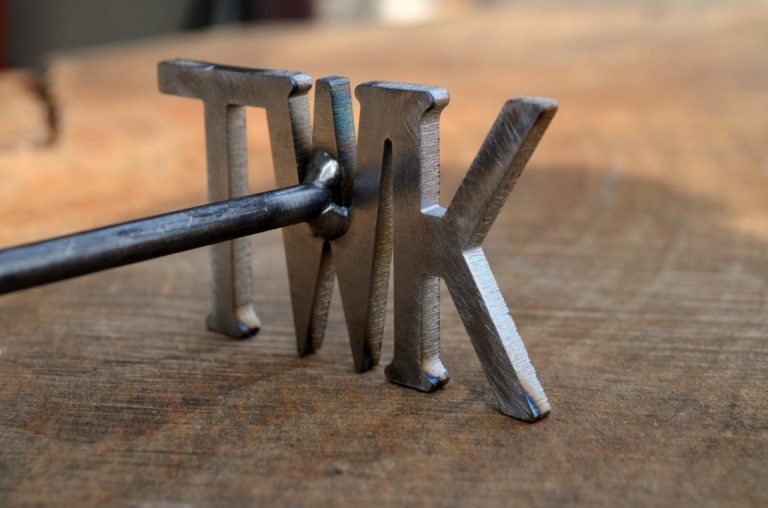
April 18, 2026

branding

Branding iron letters are a fascinating tool that brings a personal touch to various items, allowing for unique marking and identification. Whether you’re a business owner looking to enhance your brand or a DIY enthusiast eager to personalize your creations, understanding how these letters function can open up a world of possibilities.

From their composition to their diverse applications, branding iron letters serve not only as a means of branding but also as a creative outlet in arts and crafts. This guide explores the nuances of branding iron letters, their applications, and the craftsmanship behind them.

Understanding Branding Iron Letters

Branding iron letters are an essential tool for businesses and artisans looking to create a unique identity through their branding. These letters are typically heated and pressed onto materials to leave a permanent mark, showcasing logos, initials, or other identifying features. They not only serve a functional purpose but also add a distinctive touch to products, making them instantly recognizable.The manufacturing of branding iron letters involves various materials, each chosen for its durability and effectiveness in heat retention.

Commonly used materials include steel, brass, and aluminum. Steel is favored for its strength and ability to withstand high temperatures, ensuring clear impressions. Brass offers excellent heat conductivity and a classic look, while aluminum is lightweight and resistant to rust, making it a suitable option for lighter applications.

Types of Branding Iron Letters

There are various types of branding iron letters available in the market, each catering to different needs and preferences. The choice of branding iron often depends on the material being marked and the design complexity. Below are the main types:

  • Manual Branding Irons: These are traditional tools that require a heat source, usually a flame or electric heater, and must be applied manually. They are ideal for small-scale operations and personalized items.
  • Electric Branding Irons: These irons heat up using electricity, providing a consistent temperature for clear and even branding. They are suitable for larger batches and more intricate designs.
  • Custom Branding Irons: Custom-made branding irons can be designed to fit specific logos or fonts, allowing businesses to establish a unique brand identity. These can be produced in various sizes and styles.
  • Cold Branding Irons: Unlike traditional branding, cold branding utilizes the freezing process to create a permanent mark without the heat, minimizing damage to heat-sensitive materials.

The type of branding iron selected has a significant impact on the quality of the mark and the efficiency of the branding process. It is important to consider the intended use and the visual effects desired when making a purchase.

Choosing the right branding iron type is essential for achieving both aesthetic and functional branding goals.

Applications of Branding Iron Letters

Branding iron letters have found their way into various industries and creative applications, showcasing their versatility and significance. From traditional uses in agriculture to modern crafting, these tools serve to personalize and authenticate products across multiple domains.Numerous industries utilize branding iron letters for both functional and decorative purposes. Their applications extend far beyond mere identification; they represent a commitment to quality and craftsmanship.

Here are a few industries where branding iron letters play a crucial role:

Industries Utilizing Branding Iron Letters

Understanding the industries that rely on branding iron letters illustrates their broad applicability. Below are some key sectors and examples of items they commonly mark:

  • Agriculture: Farmers use branding iron letters to mark livestock, ensuring ownership and tracking of animals across vast pastures.
  • Manufacturing: Factories often use branding iron letters to label machinery and equipment, enhancing accountability and safety.
  • Culinary Arts: Chefs and bakers frequently brand their products, such as wooden utensils or cheese boards, to showcase their unique brands and create a personal touch.
  • Crafting and DIY: Crafters utilize branding iron letters to personalize items like leather goods, wooden crafts, or even textiles, adding a bespoke quality to their creations.
  • Retail and Sales: Retailers may brand their merchandise, like bags or clothing tags, reinforcing brand identity and customer loyalty.

Products and Items Marked with Branding Iron Letters

Branding iron letters can be applied to a wide array of products, enhancing their appeal or functionality. The following showcases some specific items where branding iron letters leave a mark:

  • Leather Goods: Items such as wallets, belts, and bags are often embossed with initials or logos, providing a sense of exclusivity.
  • Wooden Furniture: Craftsmen may brand tables, chairs, or decorative items, ensuring the pieces are recognized as unique, handcrafted items.
  • Farm Equipment: Tools and machinery can be marked to prevent theft and ensure ownership within agricultural settings.
  • Artisan Products: Crafts like handmade soaps or candles can be branded for aesthetic appeal, promoting the maker’s identity.
  • Sports Equipment: Custom branding on items such as surfboards or bicycles helps differentiate products in a competitive market.

Unique Use Cases and Creative Applications

The versatility of branding iron letters lends itself to unique and artistic applications, especially in crafts and DIY projects. Here are some creative uses that illustrate their potential:

  • Customized Gifts: Personalizing gifts with branding iron letters, such as engraved cutting boards or initials on coasters, elevates them to cherished keepsakes.
  • Art Projects: Artists incorporate branding iron letters into mixed media works, combining text and texture to produce visually engaging pieces.
  • Home Décor: Branding iron letters can be used to create one-of-a-kind wall art by branding wood panels with personal quotes or family names.
  • Event Decor: For weddings or parties, branding iron letters can mark personalized items such as wine boxes or custom signage, enhancing the aesthetic of the event.
  • Educational Tools: Educators may use branding iron letters to create custom flashcards or classroom materials that encourage engagement through tactile learning.

Branding iron letters not only serve practical purposes but also evoke a sense of artistry and personalization that resonates across various fields.

Manufacturing Branding Iron Letters

Creating custom branding iron letters is a fascinating blend of artistry and precision engineering. This process not only involves crafting letters but also ensures that each piece meets the specific requirements of the customer while maintaining high standards of quality. Understanding the manufacturing process gives insight into how these tools can make a significant impact in various industries.The manufacturing of branding iron letters typically begins with designing the desired font and size.

Once the design is finalized, the next step is to create a mold, which serves as the base for forging the letters. Skilled artisans use high-quality steel, and the forging process involves heating the metal to a malleable state before shaping it into the designed letters. This method ensures durability and effectiveness, as branding irons must withstand high temperatures during usage.

Forging Techniques for Branding Iron Letters

The forging of branding iron letters employs several techniques that ensure strength and precision. Each technique contributes uniquely to the final product’s quality and performance. The primary techniques include:

  • Hot Forging: This technique involves heating metal to a temperature where it can be easily shaped. The heated metal is then placed into a die to form the letter. Hot forging enhances the grain structure of the metal, making it more robust.
  • Cold Forging: Used for finishing touches, cold forging occurs at room temperature, ensuring dimensional accuracy and surface finish. This is often applied after the initial forging to refine the details of the letters.
  • Electroforming: For more intricate designs, electroforming can be utilized. This process involves depositing layers of metal onto a model, allowing for the creation of highly detailed branding irons.

Quality Control Measures during Production

Quality control in the manufacturing of branding iron letters is critical to ensure reliability and effectiveness. Various measures are implemented throughout the production process to maintain high standards. These measures typically include:

  • Material Inspection: Before production begins, the raw materials are thoroughly inspected for quality and consistency. This step ensures that only high-grade steel is used, impacting the longevity of the branding irons.
  • Dimensional Accuracy Checks: Throughout the forging process, frequent measurements are taken to ensure that the dimensions of the letters match the specifications. This prevents discrepancies that could affect the branding quality.
  • Heat Treatment Verification: After forging, the letters undergo heat treatment processes. Quality control checks ensure that the correct temperatures and times are adhered to, enhancing the material’s hardness and durability.
  • Final Product Inspection: Before shipment, each branding iron letter is carefully inspected for any defects, ensuring that the finished product meets the established quality standards.

The combination of careful design, skilled forging techniques, and rigorous quality control measures ensures that branding iron letters are not only functional but also reliable tools for various branding needs.

Choosing the Right Branding Iron Letters

Selecting the appropriate branding iron letters is crucial for achieving clear, professional, and effective branding. The size, style, and quality of these letters can significantly influence the final impression on your product or project. Understanding the nuances involved in making the right choice will help ensure that your branding efforts are both aesthetically pleasing and functionally effective.

Comparison of Sizes and Styles

When choosing branding iron letters, there are various sizes and styles available, each suited for specific applications. The decision should be based on the intended use, material being branded, and the desired visual impact. For example, larger letters are generally more visible from a distance, making them ideal for outdoor signs or banners, while smaller letters might be better for intricate designs or detailed items.

The style of the letters can range from block letters to script fonts, each imparting a different character to the branding.

  • Sizes:
    Larger sizes (e.g., 3-5 inches) are perfect for prominent branding, while smaller sizes (1-2 inches) suit detailed work or smaller items.
  • Styles:
    Block letters offer a bold and straightforward look, whereas script fonts can convey elegance and creativity.
  • Material Compatibility:
    Consider the surface of the material being branded; rough surfaces may require larger letters to ensure clarity.

Factors to Consider for Selection

When selecting branding iron letters, several factors are crucial to ensure functionality and effectiveness. Each aspect impacts not only how the letters will perform but also the overall impression they create.

  • Brand Identity:
    The style of letters should align with your brand’s message and ethos.
  • Application Surface:
    Different materials (wood, leather, metal) require different types of branding letters for optimal results.
  • Heat Capacity:
    Ensure the letters can withstand the temperature required for effective branding without warping or losing integrity.

Quality Assessment Guide

Before making a purchase, assessing the quality of branding iron letters is essential to ensure longevity and effectiveness. High-quality letters not only perform better but also provide a more professional appearance.

  • Material Quality:
    Look for letters made from durable metals like stainless steel or brass, which resist rust and wear.
  • Craftsmanship:
    Examine the precision of the letters; well-crafted letters should have clean edges and consistent spacing.
  • Brand Reputation:
    Consider purchasing from well-reviewed manufacturers known for quality branding tools.
  • Warranty/Guarantee:
    A product that comes with a warranty is often a sign of confidence in quality from the manufacturer.

Maintenance and Care for Branding Iron Letters

Maintaining your branding iron letters is essential for ensuring their longevity and effectiveness. Proper care not only preserves the quality of the letters but also enhances their performance when used for branding. Regular attention to cleaning, storage, and addressing any issues that arise can significantly extend the lifespan of these tools.

Cleaning and Maintaining Branding Iron Letters

Keeping branding iron letters clean is crucial to avoid contamination and ensure clear impressions. Here are some best practices for cleaning:

Post-Use Cleaning

After each branding session, allow the letters to cool down. Use a soft cloth or a brush to remove any residue or charred material. For stubborn debris, soak the letters in warm soapy water for a few minutes before wiping them clean.

Avoid Harsh Chemicals

Stick to mild detergents for cleaning. Harsh chemicals can corrode the metal and cause damage over time.

Dry Thoroughly

After cleaning, make sure the letters are dried properly to prevent rusting. A soft towel or air drying is recommended.

Regular cleaning helps maintain the integrity and performance of your branding iron letters.

Storage of Branding Iron Letters

Proper storage of branding iron letters is vital for preventing damage and prolonging their lifespan. Here are some tips for effective storage:

Use a Protective Case

Invest in a sturdy storage case that can accommodate the letters without allowing them to move around. This minimizes the risk of scratches or dents.

Keep Away from Moisture

Store the letters in a dry environment to prevent rust. Consider using silica gel packs or rust inhibitors in the storage area.

Organize by Size and Type

Arrange your branding iron letters systematically, ideally by size or type. This not only simplifies access but also reduces the chances of misplacing letters.

Common Issues and Solutions for Branding Iron Letters

Branding iron letters can encounter a few common issues over time. Addressing these problems promptly can help maintain their functionality:

Warping

If letters become warped due to excessive heat, they may not make a clean impression. To remedy this, avoid overheating the letters during use and allow them to cool gradually after branding.

Rust Formation

Rust can form if the letters are not properly dried or stored in a humid environment. If rust appears, use fine steel wool to gently scrub the affected area and then apply a light coat of oil to protect against future corrosion.

Loss of Sharpness

Over time, the edges of the letters may become dull. Regularly inspect the letters and consider lightly filing the edges to maintain sharpness, ensuring clear branding.

Regular maintenance and prompt attention to issues can significantly improve the performance and longevity of branding iron letters.

Enhancing Branding with Iron Letters

Integrating branding iron letters into a business’s branding strategy can significantly enhance visibility and recognition. These unique letters not only add a tactile element to branding but also resonate with consumers on an emotional level, fostering a strong connection between the brand and its audience.A well-thought-out strategy for incorporating branding iron letters involves several key components. First, businesses should assess their brand identity and target audience to ensure that the style of the iron letters reflects the desired image and message.

Next, these letters can be used in various applications such as storefront signage, interior decor, or product branding. This omnipresence reinforces brand recognition and establishes a cohesive visual identity.

Successful Branding Campaigns Utilizing Branding Iron Letters

Many brands have successfully employed branding iron letters in their marketing campaigns. For instance, a popular coffee shop chain integrated iron letters into their shop design to create an inviting atmosphere that reflects their rustic and artisanal brand ethos. This choice not only attracted customers but also encouraged social media sharing, further amplifying their brand reach.Another example is a boutique clothing store that employed large iron letters as part of their window display.

This striking visual element drew in passersby and created a memorable first impression, leading to increased foot traffic and sales. The tactile nature of the iron letters added a touch of authenticity, further cementing the store’s brand image.The impact of branding iron letters on customer perception and brand loyalty is profound. A study showed that unique and well-crafted signage significantly influences consumer behavior, often leading to increased dwell time and enhanced emotional responses.

Customers tend to associate quality and craftsmanship with brands that utilize materials like iron, fostering a sense of trust and loyalty. Incorporating branding iron letters also allows businesses to convey their story and values visually. For example, a local brewery used branding iron letters to highlight their commitment to craftsmanship and local sourcing, establishing a deeper connection with their community.

This connection not only boosts customer retention but also encourages word-of-mouth marketing, further solidifying brand loyalty.

“Businesses that create an emotional connection with their customers through unique branding elements are more likely to foster long-term loyalty.”

DIY Projects with Branding Iron Letters
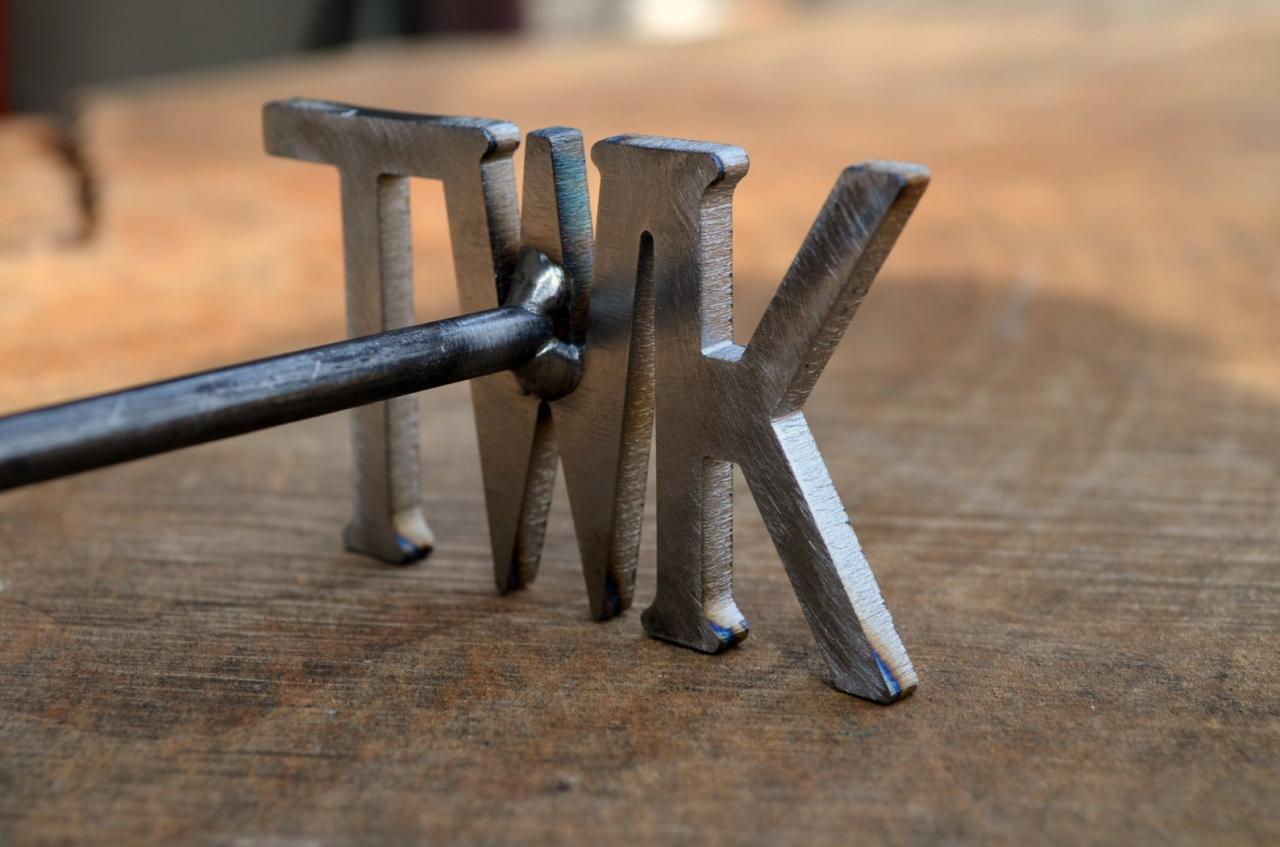
Themed Fonts – Branding Irons Unlimited

Branding iron letters offer a unique way to personalize items, making them special and memorable. Whether you’re crafting gifts for friends or enhancing your home decor, these letters can add a touch of creativity and individuality to your projects. This section delves into exciting DIY projects you can undertake using branding iron letters, providing step-by-step instructions, innovative ideas, and a comprehensive list of tools and materials needed.

Step-by-Step Guide for a Personalized Wooden Sign

Creating a personalized wooden sign is a fantastic way to showcase your creativity while utilizing branding iron letters. Follow these steps to make your own:

1. Select Your Wood

Choose a piece of untreated wood that suits the size you desire for your sign. Popular options are pine, cedar, or oak.

2. Prepare the Surface

Sand the wood surface to ensure it is smooth and free of splinters.

3. Design Your Message

Plan out what you want to brand onto the wood. This could be a name, a quote, or a symbol.

4. Heat the Branding Iron

Heat your branding iron letters according to the manufacturer’s instructions. It’s crucial to get the right temperature for a clean imprint.

5. Position the Letters

Once heated, carefully position the branding iron letters on the wood where you want them.

6. Brand the Wood

Press the branding iron firmly onto the wood for about 10-15 seconds, ensuring even contact. Repeat for each letter.

7. Finish the Sign

Once the branding is complete, you can paint or stain the wood to enhance its look. Optionally, apply a protective finish to seal your design.

“A personalized wooden sign can transform your space and make thoughtful gifts.”

Innovative Ideas for Personalizing Gifts and Home Decor

Branding iron letters can be used in a variety of ways to create personalized gifts or enhance your home decor. Here are some innovative ideas:

Customized Coasters

Use cork or wooden coasters to brand initials or short messages, making them perfect for housewarming gifts.

Personalized Keychains

Small wooden or leather keychains can be branded with names or meaningful symbols, adding a personal touch to everyday items.

Decorative Picture Frames

Brand a meaningful quote or date on a picture frame, making a cherished memory even more special.

Garden Markers

Create custom garden markers by branding plant names onto small wooden stakes, adding charm and organization to your garden.

Tools and Materials Needed for DIY Applications of Branding Iron Letters

Before starting your DIY projects, gather the following tools and materials to ensure a smooth crafting experience:

Branding Iron Letters

Choose a set that fits your desired font and style.

Wood or Other Surfaces

Select suitable materials like wood, leather, or cork for branding.

Sandpaper

For smoothing surfaces before branding.

Heat Source

A butane torch or electric branding iron to heat the letters.

Protective Gear

Heat-resistant gloves and safety goggles to ensure safety while working.

Finishing Supplies

Wood stain or paint, and a clear sealant for added protection and aesthetics.

“Gathering the right tools and materials can significantly enhance your DIY experience.”

Final Thoughts

In conclusion, branding iron letters offer a versatile and impactful way to express identity and creativity. Whether used in professional branding or personal projects, these tools enhance the aesthetic value of any item they touch, making them an essential addition to your toolkit. Embrace the art of branding iron letters and discover the endless possibilities they bring.

FAQ Compilation

What materials are used to make branding iron letters?

Branding iron letters are typically made from metals like stainless steel, brass, or aluminum for durability and heat resistance.

Can I use branding iron letters on any material?

Branding iron letters work best on wood, leather, and some types of plastics, but results may vary depending on the material’s composition.

How do I properly care for my branding iron letters?

Cleaning them after each use with a soft cloth and storing them in a dry place will help prolong their lifespan.

Are there custom options for branding iron letters?

Yes, many manufacturers offer customizable branding iron letters to suit specific needs or preferences.

What are some creative uses for branding iron letters?

They can be used for personalizing gifts, creating custom home decor, or even branding products for small businesses.
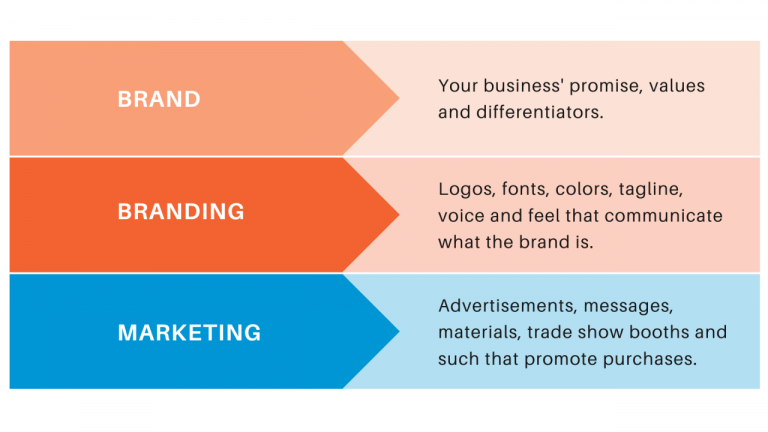
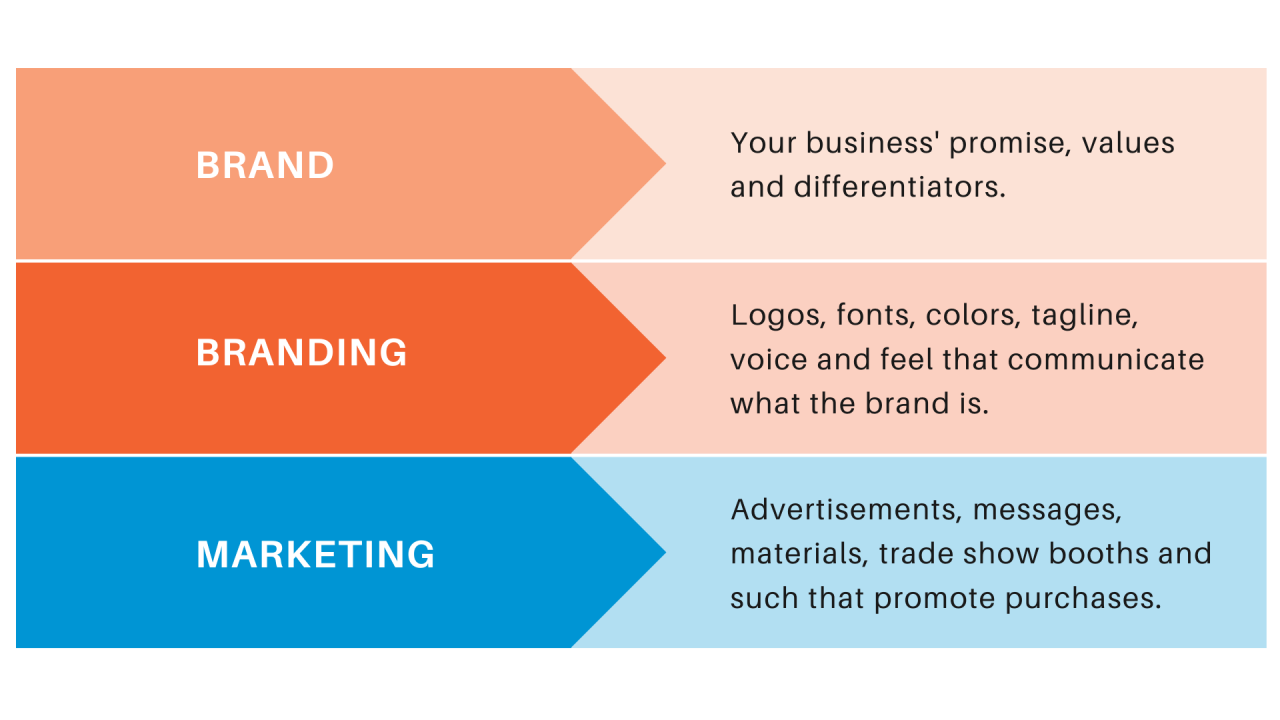
Branding iron gif is an exciting fusion of traditional branding techniques and modern digital expressions. It showcases how the historical significance of branding irons can seamlessly transition into the dynamic world of GIFs, providing a unique way to enhance brand storytelling. With the power of visual media, businesses can leverage branding iron gifs to leave a memorable impact on their audience.

As digital communication continues to evolve, branding iron gifs emerge as a captivating means for brands to convey their identity and values. By integrating animated visuals into their marketing strategies, companies can create engaging content that resonates with consumers and builds lasting connections.

Understanding Branding Irons

Branding irons are tools that imprint a distinctive mark onto various materials, primarily used for identification or decorative purposes. They have played a crucial role in marking ownership and enhancing the visibility of brands across different industries. The functionality of branding irons lies in their ability to create a lasting impression, often symbolizing quality and authenticity.Historically, branding has been significant in various industries, including agriculture, leather goods, and manufacturing.

Farmers used branding irons to mark livestock, ensuring ownership and preventing theft. In the leather industry, brands were stamped onto products to signify quality and craftsmanship. This practice has evolved into modern branding, where companies utilize logos and symbols to differentiate their products in a competitive market.

Materials Used for Branding Irons

Branding irons are made from several materials, each chosen for its durability and heat retention properties. The most common materials include:

  • Steel: The most widely used material due to its high heat tolerance and strength, steel branding irons can maintain their shape and effectiveness over time.
  • Brass: Often used for smaller branding irons or for decorative purposes, brass provides a distinctive look while retaining heat effectively.
  • Aluminum: Lightweight and corrosion-resistant, aluminum is suitable for less demanding applications, often used for temporary or promotional branding.

The choice of material affects the quality and longevity of the brand, thus impacting the branding process’s overall effectiveness. Branding irons also come in various styles depending on the application, from simple designs for livestock to intricate patterns for leather goods and other products.

“The mark of authenticity is often sealed with a branding iron, signifying quality and trust.”

The Concept of GIFs

GIFs, or Graphics Interchange Formats, have become a staple in the digital world, renowned for their ability to convey emotions, humor, and context in a mere few seconds. As a media format, GIFs combine the benefits of static images with the dynamic nature of video, allowing for short, looping animations. This unique combination makes them ideal for capturing attention in a fast-paced digital environment, where users scroll through content rapidly.The popularity of GIFs in digital communication can be attributed to their versatility and ease of sharing across various platforms.

They serve as an effective form of expression, allowing users to communicate complex emotions or reactions succinctly. In addition, GIFs often enhance user engagement, making them a go-to choice for social media interactions, storytelling, and memes. With platforms like Giphy and Tenor providing extensive libraries and integration options, the ease of access to GIFs has only fueled their widespread use.

Characteristics of GIFs as a Media Format

GIFs possess distinct characteristics that set them apart from other media formats. They are typically small in file size, which allows for quick loading and seamless sharing. Their ability to loop endlessly makes them engaging, as users can watch the animation repeatedly without interruption. Furthermore, GIFs support transparency, enabling them to blend seamlessly into various backgrounds, an aspect that enhances their aesthetic appeal.GIFs can also incorporate vivid colors and simple animations, making them visually striking despite their limited frame rate.

This format is particularly effective for capturing short moments, such as reactions or highlights from longer videos, and is widely used in messaging apps, social media posts, and online forums.

Effective Uses of GIFs in Marketing and Branding

The use of GIFs in marketing and branding has proven to be highly effective in conveying messages quickly and memorably. Brands leverage GIFs to create engaging content that resonates with their audience, often tapping into current trends or pop culture references. Here are some examples of how brands effectively use GIFs:

1. Promotional Campaigns

Brands like Taco Bell use GIFs to showcase new menu items or promotions in a fun, eye-catching manner. The GIF format allows them to highlight the product’s features dynamically, grabbing users’ attention.

2. Social Media Engagement

Companies such as Buzzfeed utilize GIFs in their posts to drive interaction and engagement. By incorporating humor or relatable content, they encourage users to share and comment, expanding their reach organically.

3. Event Highlights

Sports and entertainment brands often create GIFs from key moments in games or events, allowing fans to relive thrilling highlights. For instance, the NBA frequently shares GIFs of amazing plays on social media to keep fans engaged.

4. Customer Interactions

GIFs are also used in customer service chats by companies like Mailchimp, where they can provide a visual response to common queries. This adds a layer of personality to interactions, making the brand feel more approachable.In summary, the characteristics of GIFs, coupled with their popularity in digital communication, make them a powerful tool for brands looking to enhance their marketing strategies.

Employing GIFs effectively can lead to increased engagement, brand recognition, and customer loyalty.

Creating a Branding Iron GIF

Creating a Branding Iron GIF can be an exciting way to showcase your brand’s identity and leave a memorable impression. By incorporating motion into your design, you can attract attention and communicate your message more effectively. This section will guide you through the steps to create a captivating GIF that highlights your branding iron.To create a Branding Iron GIF, you need to follow a systematic approach that includes conceptualization, design, and animation.

The process involves choosing the right software tools, developing your design elements, and effectively animating them to bring your branding iron to life. Here’s a breakdown of the key steps involved in this creative endeavor.

Steps to Create a Branding Iron GIF

Begin by understanding the foundational steps to bring your branding iron concept into a dynamic GIF format. The following steps Artikel the process:

  1. Conceptualize Your Design: Start by sketching ideas for your branding iron. Consider the shape, font, and overall aesthetic that will resonate with your brand identity.
  2. Choose Software Tools: Select a suitable software tool for creating your GIF. Popular options include Adobe Photoshop, GIMP, and online platforms like Canva and EZGIF.
  3. Create the Design: Using your chosen software, design the branding iron. Ensure to incorporate vibrant colors and distinctive typography to enhance visibility.
  4. Animate the GIF: Experiment with different animation techniques such as fading, sliding, or bouncing to create movement in your branding iron design.
  5. Export Your GIF: Once satisfied with your animation, export the file as a GIF format, ensuring to optimize it for web use to maintain quality without excessive file size.

Software Tools for Designing GIFs

Choosing the right software can significantly impact the quality and ease of the GIF creation process. Here are some recommended tools:

  • Adobe Photoshop: A powerful graphic design tool that offers advanced features for creating and animating GIFs.
  • GIMP: A free and open-source alternative to Photoshop that provides essential design and animation capabilities.
  • Canva: An intuitive online design platform that enables users to create GIFs easily, perfect for beginners.
  • EZGIF: A simple online tool specifically designed for GIF creation and editing, allowing for quick adjustments and enhancements.

Techniques for Animating Branding Iron Designs

Effectively animating your branding iron design is crucial for creating an engaging GIF. Here are some techniques to consider:

  • Frame Animation: Create a series of frames that depict different stages of the branding iron, allowing for smooth transitions and movement.
  • Timing Adjustments: Adjust the timing between frames to create a more dynamic effect. Shorter intervals can create a sense of urgency, while longer intervals may convey elegance.
  • Looping: Ensure the animation loops seamlessly to maintain viewer engagement. A well-looped GIF can create a mesmerizing effect.
  • Overlay Text: Consider adding overlay text to convey your message or branding elements, ensuring it complements the animation without overpowering it.
  • Color Transitions: Utilize color transitions to enhance visual appeal and draw attention to your branding iron design.

“The effectiveness of a branding iron GIF lies in its ability to combine aesthetic design with engaging motion, resulting in a memorable representation of your brand.”

Branding and Visual Identity

Branding irons serve as a powerful tool in establishing a brand’s visual identity by offering a tangible representation of a company’s values and mission. When a brand incorporates a unique design into its branding iron, it creates an unmistakable mark that communicates its personality and style to consumers. This physical representation can be burned into products, packaging, or promotional materials, leaving a lasting impression that enhances recognition and loyalty among customers.

The storytelling aspect of a brand’s image can be significantly enhanced through the use of GIFs. GIFs can encapsulate brand narratives, emotions, and experiences in a dynamic format that captures attention. They allow brands to convey complex messages in a concise and engaging manner, effectively drawing in the audience and stimulating interest. With the rise of social media, GIFs have become an integral part of digital marketing strategies, providing a means to engage customers in a visually compelling way.

Integration of Branding Iron GIFs into Marketing Strategy

Integrating branding iron GIFs into a marketing strategy can amplify brand visibility and engagement. The following strategies can be employed to leverage these creative assets effectively:

1. Social Media Campaigns

Utilize branding iron GIFs as part of social media posts to showcase the craftsmanship and uniqueness of the products. A well-timed GIF can enhance user engagement and increase shares, expanding the brand’s reach.

2. Website Enhancements

Incorporate GIFs on the brand’s website to provide a visual cue of the branding process or to highlight specific products. This can make the website more interactive, encouraging visitors to explore further.

3. Email Marketing

Use GIFs in email newsletters to grab attention and visually communicate promotional offers. A captivating GIF that illustrates the branding iron in action can increase click-through rates and drive traffic to online stores.

4. Event Promotion

When promoting events or launches, branding iron GIFs can be used in promotional materials to create excitement and anticipation. These visuals can highlight what sets the event apart and attract attendees.

5. Customer Engagement

Encourage customers to create and share their GIFs featuring the branding iron on their own products. This not only fosters community involvement but also provides authentic content for the brand’s marketing efforts.

“Branding irons not only mark products but also tell a story, enhancing the visual identity of the brand.”

Popular Branding Iron GIFs

Branding iron GIFs have evolved into a unique and engaging way for businesses to convey their brand identity. These animated images effectively capture attention and evoke emotions, making them an integral part of modern branding strategies. With their ability to combine visuals and branding messages, they serve as a powerful tool in marketing campaigns.The creative elements of notable branding iron GIFs vary widely, showcasing different styles and approaches.

Some brands use animated logos, while others incorporate playful animations that reflect their brand’s personality. Here are a few notable examples of effective branding iron GIFs:

Notable Examples of Branding Iron GIFs

The following examples highlight the creativity and impact of branding iron GIFs in various marketing campaigns:

  • Starbucks: The animated green mermaid logo gently swaying, reinforcing brand recognition while promoting seasonal beverages.
  • Airbnb: A playful animation of a house icon with moving elements, representing the essence of travel and home.
  • Dropbox: A GIF showcasing a box opening and closing, symbolizing the convenience of storing files effortlessly.

These examples illustrate how branding iron GIFs can encapsulate a brand’s essence while engaging viewers in a fun and memorable way.

Trends in Branding Iron GIF Design

Design trends in branding iron GIFs reflect a balance between creativity and clarity. Modern GIFs are characterized by minimalism, vibrant colors, and smooth animations. The use of micro-interactions has become popular, where elements respond dynamically, enhancing user engagement. Additionally, incorporating brand colors and typography consistently within the GIF design ensures a cohesive visual identity.The effectiveness of these trends is evident in their ability to capture attention quickly and convey messages succinctly.

Brands that successfully implement these design elements often see increased brand recall and interaction rates.

Effectiveness of Selected Branding Iron GIFs

Analyzing the effectiveness of selected branding iron GIFs reveals their significant impact on marketing campaigns. For instance, a well-crafted GIF can enhance social media engagement, increasing shares and likes, which ultimately leads to broader brand exposure. A study showed that posts containing GIFs had 50% more engagement compared to static images. In particular, brands that utilize humor or relatable scenarios in their GIFs tend to create a stronger connection with their audience, leading to an increase in customer loyalty.

“Engagement is key; the more relatable and entertaining the GIF, the higher the interaction rates.”

This analysis underscores the importance of incorporating effective branding iron GIFs into marketing strategies, as they are not merely decorative but serve as dynamic components that can drive brand awareness and customer engagement.

Technical Aspects of GIF Creation

Building a brand strategy: Essentials for long-term success

Creating effective GIFs requires an understanding of several technical specifications and optimization techniques to ensure performance and visual appeal. When making branding iron GIFs, these elements are crucial for maintaining quality while keeping file sizes manageable for online use. The essential technical specifications for GIF creation include file size and dimensions. Optimally, GIFs should be kept under 1MB for faster loading times.

The dimensions depend on where the GIF will be displayed; popular sizes include 480×270 pixels for social media and 800×600 pixels for larger displays.

Optimization Techniques for GIFs

Optimizing GIFs for performance is vital to enhance user experience and ensure quick loading times. Here’s a structured step-by-step guide to achieve this:

1. Select Appropriate Dimensions

Choose dimensions that suit your platform while avoiding excessive resolution, which can increase file size.

2. Limit the Color Palette

Use a maximum of 256 colors. Reducing the color palette can significantly lower the file size while retaining visual quality.

3. Reduce Frame Rate

Lower the frame rate to around 15-20 frames per second. This maintains smooth motion while decreasing file size.

4. Trim Unnecessary Frames

Analyze your GIF for frames that do not contribute meaningfully. Removing these can help streamline the file.

5. Use Compression Tools

Utilize online tools or software like Photoshop or GIMP that provide compression options specifically for GIFs.

6. Test Across Platforms

Ensure that your GIF performs well across various devices and platforms to guarantee consistent quality.

Common Pitfalls in GIF Creation

Avoiding common mistakes can lead to more effective branding iron GIFs. Here are several pitfalls to keep in mind:

Ignoring File Size Limits

Large GIFs can lead to slow loading times, causing viewers to lose interest. Keeping file sizes under 1MB is ideal.

Excessive Color Usage

Using too many colors can bloat file size and make the GIF visually overwhelming. Stick to a simple color scheme.

Over-Animating

Excessive movement can distract from the message. Aim for subtle animations that enhance the branding.

Neglecting Accessibility

Ensure that your GIFs have clear visuals that can be understood by all viewers, including those with visual impairments.

Failing to Test

Always test your GIF on different devices and platforms. A GIF that looks great on a desktop may not perform as well on mobile.

“Effective GIFs balance quality and performance for optimal viewer engagement.”

Branding Iron GIFs in Different Industries

Branding iron GIFs have emerged as a versatile tool across various industries, enhancing brand recognition and engagement. Their unique ability to convey messages quickly and creatively makes them ideal for businesses looking to make a memorable impression. By incorporating motion graphics that reflect their brand identity, companies can effectively communicate their values and offerings.

Industries Benefiting from Branding Iron GIFs

Several industries have successfully adopted branding iron GIFs to enhance their marketing efforts. These industries leverage the dynamic nature of GIFs to attract attention, showcase products, and convey brand messages.

  • Food and Beverage: Restaurants and beverage brands utilize GIFs to display delectable dishes and drinks, enticing customers to visit their establishments. For instance, a popular coffee chain might use a GIF showing a barista skillfully preparing a latte, emphasizing craftsmanship and quality.
  • Fashion and Retail: Apparel brands incorporate GIFs to present outfits in motion, allowing consumers to see how clothing fits and flows. A fashion retailer may showcase a model walking in a GIF, highlighting the versatility of a dress through different angles and movements.
  • Technology: Tech companies often use GIFs to illustrate product features or software interfaces. For example, a smartphone manufacturer might create a GIF demonstrating the ease of use of their new camera features, making it visually appealing and informative.
  • Travel and Hospitality: Travel agencies and hotels use GIFs to create enticing visuals of destinations and accommodations. A GIF featuring stunning beach sunsets or luxurious hotel rooms can evoke emotions and inspire travel plans.
  • Education: Educational institutions and platforms utilize GIFs to make learning materials more engaging. A GIF might depict a science experiment in action, helping students visualize complex concepts in a fun and interactive way.

Case Studies Showcasing Successful Branding Iron GIF Implementations

Several brands have effectively employed branding iron GIFs, leading to increased engagement and brand loyalty. Examining these case studies illustrates the impact of well-executed GIF campaigns.

  • Coca-Cola: Coca-Cola utilized GIFs during their “Share a Coke” campaign, creating animated visuals of personalized bottles being shared among friends. This campaign not only increased customer interaction on social media but also encouraged people to purchase personalized bottles, driving sales significantly.
  • Nike: Nike launched a GIF series demonstrating their new sneaker technology. The animations highlighted unique features and benefits, drawing attention on social media and resulting in higher conversion rates for their online store.
  • Airbnb: Airbnb created GIFs showcasing unique stays and experiences in different locations. These animations sparked interest and shares, significantly boosting their brand visibility and engagement on various platforms.

Effectiveness of Branding Iron GIFs Across Various Sectors

The effectiveness of branding iron GIFs varies across sectors, influenced by audience engagement and the type of content shared. Analyzing their impact reveals significant differences.

  • Engagement Rates: Industries like food and beverage and fashion tend to see higher engagement rates with GIFs, as visuals of products directly appeal to consumer interests. Brands often experience increased shares and likes, enhancing their reach.
  • Brand Recall: Technology and education sectors report improved brand recall when utilizing GIFs. The dynamic nature of GIFs aids in memorability, making it easier for audiences to remember brand features and messages.
  • Conversion Rates: Retail and travel industries experience notable increases in conversion rates through GIFs that highlight promotions or unique offerings. Clear, attractive visuals can drive customers to take action, whether booking a trip or purchasing an item.

“GIFs amplify the storytelling aspect of branding, making messages more relatable and memorable.”

Future of Branding Iron GIFs

As the digital landscape continues to evolve, the role of branding iron GIFs is set to expand significantly. These animated visuals are not just a passing trend; they are becoming a crucial tool in digital branding strategies. The future promises innovative approaches that can enhance brand recognition and customer engagement, making branding iron GIFs a vital asset for businesses looking to stand out in a crowded marketplace.Anticipated trends indicate that branding iron GIFs will increasingly incorporate advanced technologies such as augmented reality (AR) and artificial intelligence (AI).

These innovations will allow for more interactive and personalized branding experiences. For example, a potential trend could involve AR-enabled branding iron GIFs that users can interact with through their mobile devices, creating a unique and immersive experience that reinforces brand identity.

Innovations in Branding Iron Design and Animation

The design and animation of branding iron GIFs are likely to evolve, focusing on creating more dynamic and engaging visuals. This can be achieved by integrating 3D modeling, motion graphics, and user-generated content, allowing brands to curate an interactive experience that resonates with their audience. Several factors will drive these innovations:

  • 3D Animation: As technology advances, brands may begin to utilize 3D animations for their branding iron GIFs, providing a more lifelike representation that captures user attention.
  • Personalization: Future branding iron GIFs could incorporate user data to create tailored animations that reflect individual preferences, making the branding experience more relevant and engaging.
  • Micro-Interactions: Small, subtle animations that respond to user actions (like hovering or clicking) can enhance user engagement. These micro-interactions can make branding iron GIFs feel more interactive and immersive.

Brands that embrace these innovations will likely see increased engagement rates, as more engaging and visually appealing content tends to encourage user interaction and sharing.

Role of Branding Iron GIFs in the Evolving Digital Landscape

As consumers increasingly gravitate towards visual content, branding iron GIFs will play a significant role in shaping marketing strategies. They will be used not only for brand awareness but also as a means to communicate brand values and stories through engaging animations.In the future, we can expect to see branding iron GIFs integrated into various platforms, enhancing their versatility:

  • Social Media Marketing: As platforms like Instagram and TikTok prioritize visual content, branding iron GIFs will become essential for capturing attention in fast-paced feeds.
  • Email Marketing: Incorporating GIFs into email campaigns can boost open and click-through rates, making branding iron GIFs an effective tool for driving engagement.
  • Website Enhancements: Brands may use GIFs as a vibrant element on their websites, making landing pages more appealing and helping convey messages quickly.

By creatively leveraging branding iron GIFs, businesses can maintain relevance and foster a deeper connection with their audiences. As the digital landscape continues to evolve, the demand for innovative, visually appealing content will only increase, making branding iron GIFs a pivotal element of future branding strategies.

Final Conclusion

In conclusion, branding iron gifs represent a creative tool that bridges the gap between history and innovation. They not only enhance visual identity but also enrich the narrative behind a brand. As trends continue to shift, embracing this unique blend of traditional and modern branding will undoubtedly offer businesses a competitive edge in the digital landscape.

Common Queries

What is a branding iron gif?

A branding iron gif is an animated graphic that represents branding irons, used to enhance brand storytelling in a modern digital format.

How can branding iron gifs improve marketing strategies?

They can capture audience attention and convey brand messages effectively, making them an engaging element of digital marketing campaigns.

What software can be used to create branding iron gifs?

Popular tools include Adobe Photoshop, GIMP, and online GIF makers like Canva or EZGIF.

Are there specific dimensions for branding iron gifs?

While the dimensions can vary, optimal sizes typically range from 480×270 pixels to 600×400 pixels for web use.

What industries commonly use branding iron gifs?

Industries such as food and beverage, apparel, and crafts often utilize branding iron gifs to enhance their branding efforts.

Dive into the world of BBQ branding irons, where artistry meets culinary precision. These versatile tools transform ordinary barbeque into a captivating spectacle, adding a unique touch to your grilling creations. From crafting the perfect sear to expressing your personal style, branding irons offer endless possibilities for enhancing your BBQ experience.

This guide explores everything from the history and design principles of branding irons to practical application techniques and even future trends. We’ll cover various types, materials, sizes, and the cultural significance they hold within BBQ traditions. Prepare to elevate your grilling game with expert insights and practical advice.

BBQ Branding Iron Overview

Branding irons for barbeque grills are specialized tools used to create custom markings on food, typically meat. These tools are a popular choice for adding a unique touch to grilled dishes and for showcasing a chef’s signature style. They are available in various materials, sizes, and shapes to cater to diverse preferences and culinary needs.The versatility of branding irons extends beyond aesthetics.

The heat transfer from the iron can sear the surface of the food, creating a distinctive texture and enhancing the overall flavor profile. By using a branding iron, you can add an extra layer of visual appeal and culinary sophistication to your barbecue creations.

Types of Branding Irons

Branding irons come in different materials, each with its own characteristics. Common choices include metal and wood. Metal irons are more common due to their durability and ability to withstand high temperatures. Wood irons, while less common, offer a unique aesthetic and can be a good option for those seeking a more rustic look.

Materials Used in Construction

Branding irons are crafted from various materials, each affecting the tool’s performance and appearance. Common materials include high-carbon steel, stainless steel, and even some specialized alloys. High-carbon steel is often preferred for its ability to hold a sharp, consistent heat, essential for creating clean impressions. Stainless steel offers a corrosion-resistant advantage, making it a suitable choice for repeated use.

Sizes and Shapes

Branding irons are available in a range of sizes and shapes, allowing for a variety of designs. The size directly correlates to the area of the impression on the food. Small, intricate designs are achievable with smaller irons, while larger irons can be used for bolder, more extensive patterns. Shapes can vary significantly, allowing for customization and creativity.

Popular shapes include simple circles, intricate scrolls, or personalized monograms.

Common Uses and Applications

Branding irons are used to create unique designs on food, enhancing the visual appeal of dishes. They can be used to mark meat, such as steaks, chicken, or pork. Additionally, they can be used on vegetables like potatoes or corn to add a decorative touch. Branding irons also serve as a means of showcasing the chef’s artistry, adding a distinctive element to the presentation of the food.

Comparison Table of Branding Irons

Type Material Typical Size Common Uses
Metal High-carbon steel, stainless steel 1-6 inches Marking meat, poultry, vegetables
Wood Hardwoods like maple, oak Variable, often smaller Decorative markings on vegetables, adding a rustic touch

Design and Functionality

Designing a branding iron for optimal BBQ use requires careful consideration of multiple factors. A well-designed iron not only ensures a clean and precise mark but also contributes significantly to the overall user experience and the longevity of the tool itself. The process encompasses everything from material selection and heat distribution to the crucial aspects of shape and size.Effective BBQ branding irons are not merely tools; they are an extension of the chef’s artistic expression, transferring a unique mark onto the food.

Careful design principles translate to a professional and enjoyable branding experience.

Material Selection and Heat Distribution

The choice of material significantly impacts the iron’s performance. High-quality carbon steel is often preferred for its ability to retain heat efficiently and transfer it effectively to the food. Stainless steel, while resistant to rust, may not provide the same level of heat retention as carbon steel. The material’s thickness also plays a crucial role in heat distribution.

A thicker material will retain heat longer, allowing for a more controlled branding process, but may take longer to heat up initially. A strategically designed heat sink can also be integrated to improve heat distribution and minimize the risk of overheating.

Shape and Size Considerations

The shape and size of the branding iron directly influence the type of mark produced. A simple, geometric shape, such as a circle or a square, creates a clean, straightforward design. More intricate shapes, like a logo or a custom design, require more precision in the iron’s construction. The size of the iron determines the size of the mark, and the scale of the design should be considered.

A smaller iron might be suitable for smaller cuts of meat, while a larger one is better for larger portions.

Effect of Different Designs on Branding

The shape of the branding iron significantly impacts the quality of the mark. A smooth, even surface on the iron creates a clean and crisp imprint. However, a textured or patterned surface can produce a more visually appealing or personalized mark. Irregular shapes can add depth and complexity to the branding, while sharp edges can create more defined lines.

A correctly sized iron will allow for the mark to be placed precisely, while an oversized iron can potentially cause uneven or poorly defined imprints.

Durability and Longevity

Durability is crucial for any BBQ branding iron. The material should be resistant to warping and deformation during use. Appropriate heat treatment and hardening processes ensure the iron can withstand repeated high-temperature applications. Proper handling, including careful storage and cleaning procedures, further extends the iron’s lifespan. Regular maintenance, such as cleaning the iron with a steel wool after use, helps to maintain its structural integrity and prolong its service life.

Importance of Heat Distribution

Even heat distribution is essential for consistent branding. Uneven heat distribution can result in a blurred or uneven mark, negatively impacting the aesthetic appeal and potentially damaging the food. Proper heat distribution is crucial for maintaining the quality and aesthetic appeal of the brand. Careful consideration of the material, its thickness, and the design of the iron’s heat sink are vital to ensure even heat transfer.

Branding Iron Design Comparison

Design Advantages Disadvantages
Simple Geometric (Circle/Square) Clean, crisp marks; easy to use; relatively inexpensive to produce Limited design options; may not be suitable for intricate designs
Intricate Design (Logo/Custom) Unique and personalized marks; strong branding statement More complex to produce; may require more specialized heat treatment; potentially higher cost
Textured/Patterned Visually appealing; creates unique design Can be more challenging to maintain consistent branding; potential for uneven marks if not properly heated

Application and Techniques

Mastering the application of a branding iron requires careful consideration of both technique and safety. Proper heat control and application are paramount to achieving desirable results, ensuring a professional and aesthetically pleasing outcome on your BBQ creations. This section details the various techniques for using a branding iron on different foods, including considerations for optimal branding results.Applying heat to food with a branding iron is a precise art.

Achieving a beautiful, clear brand depends on consistent heat and the right application method. Factors such as the type of meat, desired design, and the iron’s temperature all play crucial roles in the outcome.

Branding Techniques on Various Foods

Understanding the appropriate application method for different food types is key to success. This involves considering the food’s thickness and the iron’s temperature to prevent burning or under-branding.

  • Steak Branding: For achieving intricate designs on steaks, preheating the iron to the appropriate temperature is essential. A higher temperature is generally needed for thicker cuts. Apply the iron with controlled, steady pressure to create the desired brand. Avoid lingering on a single spot to prevent scorching. The most effective way to achieve this is with consistent, even pressure, focusing on creating a clean, even design.

    A well-seasoned steak will render the best result.

  • Burger Branding: The lower temperature of the iron is crucial for branding burgers. Overheating will result in an uneven, charred look. Employ a quick, light touch to create a subtle yet appealing design on the exterior of the burger. The application must be controlled to avoid a burnt effect, and the design will be best if applied on the patty’s exterior, before the patty reaches the desired doneness.

  • Other Meats: The application of a branding iron to other meats, such as chicken or pork, will depend on the cut and thickness. Generally, a lower temperature and shorter contact time are recommended. Maintaining consistent pressure and movement will yield a professional outcome.

Heat Control and Application

Precise heat control is vital for optimal results. Using an appropriate temperature setting for the particular food item is essential to prevent under-branding or burning.

  • Temperature Control: A heat-resistant glove or tongs are essential tools to safely handle the hot branding iron. The temperature of the iron should be carefully monitored, especially for delicate foods. Begin with a lower temperature and adjust as needed.
  • Application Timing: Maintaining a consistent application time is important for producing consistent results. Too short, and the brand may not be clear. Too long, and the food may burn. The precise time will vary depending on the type of food and the desired result.

Safety Considerations

Ensuring safety is paramount when using a branding iron. Proper handling and awareness of potential hazards are crucial.

  • Protective Gear: Always wear heat-resistant gloves and appropriate protective gear to prevent burns. Never handle the iron without proper safety equipment.
  • Surface Protection: Ensure the surface on which you’re working is heat-resistant to prevent damage or fire hazards. A heat-resistant surface is essential to prevent accidents.
  • Supervision: If working with children or inexperienced users, ensure proper supervision. Adult supervision is vital for proper safety procedures.

Branding Iron Technique Table

This table provides a guide for branding different food items, including preparation and cooking times. The figures are estimates and can vary depending on individual preferences and equipment.

Food Item Preparation Cooking Time (approx.) Branding Iron Temperature (approx.)
Steak (1-inch thick) Pat dry, season 3-5 minutes 500-550°F (260-290°C)
Burger Patty Season 3-4 minutes per side 400-450°F (200-230°C)
Chicken Breast Season 4-6 minutes 400-450°F (200-230°C)

Branding Iron and BBQ Culture

Branding irons, more than just tools for marking meat, hold a significant place in barbecue traditions worldwide. Their use reflects cultural values, craftsmanship, and the deep-rooted connection people have with the art of grilling. From the intricate designs to the stories passed down through generations, branding irons are an integral part of the overall barbecue experience.The cultural significance of branding irons extends beyond their practical application.

They are symbols of tradition, skill, and the unique culinary heritage of different barbecue communities. These tools have evolved alongside the development of various barbecue styles, reflecting the specific preferences and aesthetics of each region.

Cultural Significance in Barbecue Traditions

Branding irons are more than just tools for marking meat. They embody a cultural heritage deeply intertwined with barbecue traditions. The process of using a branding iron isn’t merely about marking; it’s about craftsmanship, heritage, and the deep connection people have with the art of grilling.

Examples of Different Branding Iron Designs

Different cultures have developed distinct branding iron designs, often reflecting their artistic traditions and historical influences. For instance, some designs might feature tribal patterns, incorporating elements of local folklore or symbolism. Others might be more straightforward, using geometric shapes or stylized images.

  • In some regions, branding irons might be designed with family crests or monograms, showcasing lineage and pride in one’s heritage. This personal touch enhances the sense of individuality and craftsmanship in the grilling process.
  • Conversely, other designs might focus on more abstract symbols, reflecting the region’s history and artistic expression. This abstract style can evoke a sense of mystery and tradition.

Role of Branding in the Overall BBQ Experience

Branding meat, while functional, also adds an aesthetic dimension to the barbecue experience. The distinctive marks created by the iron can serve as a visual reminder of the cook’s skill and the unique flavors of the dish. The process of branding also adds a ceremonial element, symbolizing the completion of a culinary journey.

History of Using Branding Irons in BBQ

The practice of branding meat with irons dates back centuries. In the early days, it wasn’t just for aesthetic appeal; it served practical purposes like identifying ownership and ensuring quality control. The development of branding irons reflected the evolution of barbecue techniques and cultural values. It often went hand in hand with livestock management practices and local customs.

Stories and Anecdotes Related to Branding Irons and BBQ Culture

Numerous stories surround the use of branding irons in barbecue traditions. Some might involve tales of skilled cooks using these tools to create intricate designs, passing down their knowledge and techniques through generations. Other stories might highlight the cultural significance of these tools, recounting how they symbolize the pride and passion of a community or family.

  • One anecdote might focus on a particular cook whose branding iron designs were legendary, recognized throughout the region for their artistry and skill.
  • Another story might highlight how a family’s branding iron designs were passed down through generations, representing a legacy of culinary excellence.

Cultural Associations with Branding Irons

The table below illustrates the different cultural associations with branding irons in various barbecue traditions. It showcases how these tools have evolved to reflect the unique aspects of each culture’s barbecue practices.

Culture Common Branding Iron Designs Cultural Significance
Texas BBQ Often feature simple, bold designs like initials, family crests, or simple geometric patterns. Branding irons in Texas BBQ often represent the cook’s skill and personal touch, adding a unique aesthetic to the barbecue.
Southern BBQ May include more elaborate designs, sometimes incorporating floral or animal motifs. The use of branding irons in Southern BBQ often reflects a rich culinary heritage and a strong sense of community and family.
African American BBQ Variations exist, often showcasing intricate patterns and symbols reflecting African cultural influences. Branding irons in African American BBQ traditions often represent cultural pride and a deep-rooted connection to family and community.

Branding Strategy for BBQ Branding Irons

Crafting a compelling brand identity for BBQ branding irons is crucial for success in a competitive market. This strategy will Artikel a comprehensive approach, targeting specific customer segments and highlighting the unique benefits of the product. A strong brand presence fosters recognition and trust, ultimately driving sales and market share.

Target Market Identification

This segment encompasses various groups with distinct needs and preferences. The primary target market includes professional pitmasters, passionate home cooks, and enthusiasts participating in BBQ competitions. Secondary targets are individuals seeking unique gifts for BBQ enthusiasts, or those looking for a high-quality, durable product for their own use. Understanding these diverse customer segments is key to tailoring the brand messaging and marketing efforts.

Key Selling Points

The unique selling propositions (USPs) of BBQ branding irons lie in their ability to create personalized and visually appealing designs on food. The precision and durability of the irons are key factors. High-quality materials, ensuring longevity and reliable performance, contribute to the value proposition. A strong brand message emphasizing craftsmanship and quality will resonate with the target market.

Ease of use and intuitive design are also essential.

Marketing Strategy

A multi-faceted marketing approach is necessary. Social media platforms, such as Instagram and Facebook, are crucial for showcasing visually appealing branding iron designs and usage examples. Collaborations with prominent BBQ influencers and competitions can expose the product to a wider audience. Partnerships with BBQ supply stores and retailers will ensure broader product visibility and accessibility. Content marketing, such as informative blog posts and instructional videos, will establish the brand as a leader in the industry.

Brand Name and Logo Concepts

A brand name should be memorable, evocative, and relevant to the product. Potential names include “FlameMark,” “GrillCraft,” or “EmberEtch.” Logo concepts should reflect the brand personality, using elements that symbolize craftsmanship, quality, and precision. A stylized flame or a unique grill design integrated with a bold font could be considered. Consideration should be given to using color palettes that resonate with the BBQ culture, such as warm tones like red, orange, and brown.

Branding Messages

Brand Message Target Audience Supporting Points
Exceptional Craftsmanship Professional pitmasters, home cooks High-quality materials, precision design, durability
Personalized Expressions Home cooks, enthusiasts Unique designs, customization options, memorable branding
Uncompromising Quality All segments Long-lasting performance, reliable results, value for money
Passion for BBQ All segments Connecting with the BBQ community, showcasing culinary artistry

Comparative Analysis of Branding Irons

Choosing the right BBQ branding iron can significantly impact the presentation and quality of your creations. Understanding the strengths and weaknesses of different brands allows you to make informed decisions based on your specific needs and budget. This analysis will delve into various brands, their features, performance, and pricing, enabling you to select the optimal branding iron for your BBQ endeavors.A thorough comparison considers not just the initial cost but also the long-term value proposition.

Factors such as material quality, construction, ease of use, and overall durability play a crucial role in determining the best brand for your requirements.

Brand Performance and Durability

Different brands exhibit varying levels of performance and durability. Some irons maintain consistent heat distribution, ensuring even and crisp branding results, while others may experience uneven heating or warping over time. Durability is equally important; a high-quality iron will withstand repeated use without compromising its structural integrity or imprinting quality.

Pricing Strategies and Customer Reviews

Pricing strategies differ significantly among brands. Some brands focus on affordability, offering budget-friendly options, while others emphasize premium materials and craftsmanship, leading to higher price points. Customer reviews provide valuable insights into the real-world performance and durability of different branding irons. Positive feedback often highlights ease of use, consistent results, and long-term value. Conversely, negative feedback might point to issues with heat distribution, durability, or customer service.

Comparative Table of BBQ Branding Irons

Brand Material Heat Distribution Durability Ease of Use Price (USD) Customer Reviews (Summary)
Brand A High-carbon steel Excellent Very Good Average $50 Consistent results, good value for the price, some issues with handle design.
Brand B Stainless steel Good Excellent Excellent $80 High-quality build, even heating, some users find the design a bit bulky.
Brand C Cast iron Average Very Good Average $75 Durable, good for heavy use, inconsistent heat distribution in some models.
Brand D Titanium alloy Excellent Excellent Excellent $120 Premium build, exceptional heat retention, high price point.

Future Trends in BBQ Branding Irons

The BBQ branding iron market is constantly evolving, mirroring broader trends in the culinary and consumer goods industries. Innovations in design, materials, and technology are shaping the future of this specialized tool. Understanding these trends is crucial for businesses to adapt and cater to evolving consumer preferences.Emerging technologies and changing consumer preferences are driving the evolution of branding irons.

Sustainability, ease of use, and personalized experiences are key factors in shaping the future of this specialized tool. This exploration will delve into potential future directions for branding iron design, considering technological advancements and the changing demands of BBQ enthusiasts.

Potential Materials and Designs

A variety of materials and designs are likely to emerge, reflecting a blend of traditional craftsmanship and modern functionality. These materials and designs aim to improve the longevity, ease of use, and aesthetic appeal of the irons.

  • High-performance alloys: Advanced alloys with enhanced heat retention and durability will become more prevalent, enabling precise and consistent branding. This allows for deeper, longer-lasting imprints. Examples include heat-resistant stainless steels or specialized composites.
  • Sustainable materials: Growing consumer demand for environmentally friendly products will push for the use of sustainable materials. Recycled metals and bio-based polymers will gain traction. This is a direct response to consumer awareness and concerns about environmental impact.
  • Ergonomic designs: Improved ergonomics will enhance user comfort and control during the branding process. This includes designs that reduce strain on the user’s hand and wrist, especially for prolonged use.
  • Smart branding irons: Integration of smart technology, such as temperature sensors and digital displays, will offer greater control and precision in the branding process. This enables users to monitor the temperature in real time and adjust as needed.

Emerging Technologies

Integrating advanced technologies will be crucial to improving branding iron functionality and user experience. The incorporation of technology also caters to the growing demand for precise and customizable branding.

  • Temperature control systems: Smart temperature control systems will provide precise temperature regulation, ensuring consistent branding results. This enhances the quality of the branding and reduces the risk of damaging the meat.
  • Digital displays: Digital displays on the iron will provide real-time temperature readings and user-friendly settings, simplifying the branding process. This simplifies the process for novice users and enhances the user experience.
  • Bluetooth connectivity: Bluetooth connectivity will enable remote control and data logging, facilitating precise temperature management and potential integration with BBQ apps. This allows users to monitor and control the irons remotely.

Future of Branding in the BBQ Industry

The practice of branding is deeply intertwined with BBQ culture, often serving as a personal expression and a way to mark a particular BBQ. Future trends in branding will likely evolve to accommodate the changing tastes and preferences of consumers.

  • Personalized branding: Consumers will seek more personalized branding experiences, with options for custom designs and intricate patterns. This includes individual designs and logos.
  • Creative branding styles: There will be a shift towards more creative branding styles, reflecting evolving preferences in aesthetics and artistic expressions. This will also include more intricate and detailed designs.
  • Branding as a culinary statement: Branding will increasingly be seen as a way to add a unique touch to the BBQ experience, marking a particular piece of meat or showcasing a specific culinary style.

Evolving Consumer Preferences

The desires of BBQ enthusiasts are evolving, leading to new demands for BBQ branding irons. These changes include a focus on ease of use, aesthetic appeal, and a greater emphasis on the overall BBQ experience.

  • Convenience and ease of use: Ease of use and simplified operation are becoming increasingly important. Consumers desire products that are easy to handle and maintain.
  • Aesthetic appeal: Aesthetic appeal and design are also gaining importance. Consumers are increasingly drawn to attractive and stylish products that complement their BBQ equipment.
  • Value-oriented products: Consumers are looking for products that offer excellent value for their price point, balancing performance and affordability.

Impact of Sustainability

Sustainability considerations will play a more significant role in the design and production of BBQ branding irons. The industry is adapting to growing consumer awareness of environmental issues.

  • Sustainable materials: The use of sustainable materials will be more common. These will reduce the environmental footprint of the products.
  • Recyclable packaging: Recyclable packaging and responsible manufacturing processes will be essential to minimize waste and promote eco-friendliness.
  • Reduced energy consumption: Design features that reduce energy consumption will gain prominence, contributing to a more sustainable product.

Final Conclusion

In conclusion, BBQ branding irons are more than just tools; they are an embodiment of culinary creativity and cultural heritage. This guide has illuminated the multifaceted world of these fascinating implements, offering a comprehensive overview of their design, application, and historical context. Armed with this knowledge, you can now confidently select, use, and appreciate the artistry of branding irons in your own BBQ endeavors.

FAQs

What are the different materials used in constructing BBQ branding irons?

Common materials include high-carbon steel, stainless steel, and sometimes even wood or cast iron, depending on the desired heat retention and durability.

What are some safety considerations when using a branding iron?

Always use caution when handling hot branding irons. Ensure proper heat control, use heat-resistant gloves, and supervise children closely. Keep the iron away from flammable materials.

How do I choose the right size and shape of branding iron for my needs?

Consider the size and shape of the food you plan to brand. Smaller irons are ideal for smaller cuts of meat or intricate designs. Larger irons are suitable for larger cuts or bold patterns.

What are some common applications of BBQ branding irons?

Beyond the obvious use of branding meats, you can also use them to create designs on vegetables, cheese, and even fruits. Creativity knows no bounds!

Branding decisions are crucial for any business, shaping its image and connection with customers. From choosing a name and logo to crafting messaging, every choice impacts how a company is perceived. This guide dives deep into the world of branding decisions, exploring their significance, the factors that influence them, and the process of making effective ones.

Understanding branding decisions is key to success in today’s competitive market. By carefully considering the various aspects of branding, businesses can cultivate a strong brand identity that resonates with their target audience, leading to increased customer loyalty and profitability. We’ll examine the different types of branding decisions, their impact, and the factors to consider when making them.

Defining Branding Decisions

Branding decisions are crucial for establishing a company’s identity and resonating with its target audience. These choices shape the perception of a brand, impacting everything from customer loyalty to market share. Effective branding decisions are a cornerstone of a successful business strategy.A branding decision encompasses a range of choices that collectively define how a company presents itself to the world.

These decisions are not isolated choices but rather interconnected elements that work together to create a cohesive brand image. Understanding the components and types of these decisions is essential for making strategic choices that align with business objectives.

Components of a Branding Decision

A comprehensive branding decision involves various interconnected elements. These elements need careful consideration and alignment to create a cohesive and effective brand strategy. These components are interdependent and work together to build a strong brand identity.

Types of Branding Decisions

Branding decisions encompass a broad spectrum of choices, from the fundamental aspects like brand name and logo to the more nuanced elements of messaging and brand personality. These choices, when made strategically, can significantly impact the brand’s success and perception in the marketplace.

Element Description Impact Example
Brand Name The name that identifies the company or product. Creates immediate recognition and establishes initial brand perception. Apple, Nike, Coca-Cola
Logo A visual representation of the brand, often incorporating a symbol or graphic. Provides visual recognition and reinforces brand identity. The swoosh for Nike, the Apple logo
Brand Messaging The articulation of the brand’s values, personality, and unique selling proposition. Communicates the brand’s essence and differentiates it from competitors. “Just do it” (Nike), “Think Different” (Apple)
Brand Personality The human-like characteristics assigned to the brand, influencing how customers perceive it. Creates an emotional connection with customers, building brand loyalty. Friendly (e.g., Disney), sophisticated (e.g., Chanel)
Brand Values The principles and beliefs that guide the brand’s actions and decisions. Establishes trust and builds a strong ethical reputation. Sustainability (e.g., Patagonia), innovation (e.g., Tesla)
Brand Visual Identity The overall visual presentation of the brand, encompassing colors, fonts, and imagery. Creates a consistent and recognizable visual experience across all touchpoints. Using a specific color palette (e.g., Tiffany Blue), a particular typeface
Brand Positioning The place the brand occupies in the market relative to competitors. Defines the brand’s target audience and competitive advantages. Luxury brand (e.g., Gucci), budget-friendly (e.g., Walmart)

Importance of Branding Decisions

Strategic branding decisions are pivotal for a company’s long-term success. A strong brand fosters customer loyalty, drives market share, and ultimately, contributes to profitability. Well-defined brands resonate with target audiences, creating a lasting impression that differentiates the company from competitors. Conversely, poor branding choices can erode trust, damage reputation, and lead to significant financial losses.Effective branding decisions encompass more than just a logo or tagline.

They deeply influence customer perception, shaping their understanding of the company’s values, products, and services. These decisions dictate how the brand communicates with its audience, and how customers feel about the brand. Understanding the profound impact of branding is crucial for any business seeking to thrive in a competitive market.

Significance of Strategic Branding Decisions

Strategic branding decisions are fundamental to a company’s overall success. They establish a clear identity that resonates with the target market, fostering trust and loyalty. A well-defined brand acts as a powerful asset, allowing the company to command premium pricing, attract top talent, and enhance investor confidence. Consistent brand messaging across all platforms builds recognition and reinforces a positive image, increasing market share.

Negative Impacts of Poor Branding Decisions

Poor branding decisions can have a detrimental effect on a company’s bottom line and reputation. Inconsistency in messaging can confuse customers, leading to a lack of trust and ultimately, decreased sales. A poorly designed logo or brand identity can leave a negative first impression, hindering the company’s ability to attract new customers. Misaligned branding with market trends can lead to a loss of relevance and market share.

This can be further exacerbated by negative brand associations that stem from poor customer service or product quality.

Examples of Successful and Unsuccessful Branding Strategies

Successful branding strategies often leverage a deep understanding of the target audience, creating a brand identity that aligns with their values and needs. Examples include Apple, whose minimalist design and user-friendly products cultivate a strong brand image of innovation and elegance. Similarly, Nike’s focus on athleticism and empowerment has created a loyal customer base through consistent messaging and a strong brand personality.Unsuccessful branding strategies, on the other hand, often fail to connect with the target audience or misinterpret market trends.

A notable example is the case of the once-popular brand “New Coke,” which, despite its innovative approach, failed to resonate with consumers, leading to a significant backlash. Another example is a company that tries to appeal to too broad of an audience, resulting in a diluted brand identity that lacks impact.

Impact of Good and Bad Branding Decisions on Customer Perception

Aspect Good Branding Decisions Bad Branding Decisions
Customer Perception Strong brand recognition, trust, loyalty, positive associations, perceived value, premium pricing potential. Confusion, lack of trust, negative associations, perceived low value, difficulty attracting new customers, potential loss of market share.
Customer Behavior Increased brand advocacy, repeat purchases, willingness to pay premium prices, positive word-of-mouth marketing, active participation in brand community. Decreased customer engagement, brand abandonment, difficulty attracting new customers, negative word-of-mouth marketing, reduced brand loyalty.
Financial Impact Increased revenue, higher profit margins, strong market share, brand equity, attracting top talent, positive investor sentiment. Reduced revenue, lower profit margins, declining market share, damage to brand equity, difficulty attracting top talent, negative investor sentiment.

Factors Influencing Branding Decisions

Branding decisions are not arbitrary choices; they are strategic maneuvers deeply rooted in a company’s context. Understanding the interplay of internal and external forces is crucial for developing a robust and effective brand strategy. These factors, from market trends to customer preferences, shape the identity and perception of a brand in the marketplace.

External Factors

External factors represent the forces beyond a company’s direct control, yet they exert significant influence on branding decisions. Market conditions, competitor actions, and societal trends all play a pivotal role in shaping a brand’s trajectory.

  • Market Trends: Analyzing current and projected market trends is paramount. Emerging technologies, shifting consumer preferences, and economic fluctuations directly impact the viability and relevance of a brand’s positioning. For instance, the rise of e-commerce has necessitated adaptations in branding strategies for brick-and-mortar retailers. Likewise, growing concerns about sustainability have prompted many companies to incorporate eco-friendly practices into their brand image.

  • Competitor Analysis: A thorough understanding of competitors’ branding strategies is essential. Observing their strengths, weaknesses, and market positioning allows companies to identify opportunities and avoid pitfalls. This competitive analysis informs decisions regarding brand messaging, pricing, and distribution channels.
  • Economic Conditions: Economic downturns or booms can significantly alter consumer behavior and spending patterns. During periods of economic uncertainty, brands may need to adjust their pricing strategies or emphasize value-based messaging to maintain customer loyalty.
  • Social and Cultural Trends: Societal shifts, cultural values, and evolving social norms profoundly affect consumer preferences. Brands must remain attuned to these trends to ensure their messaging resonates with target audiences. A brand’s approach to diversity, inclusion, or environmental issues, for example, will be judged against prevailing social values.

Internal Factors

Internal factors are the elements within a company’s control that directly influence branding decisions. These factors, often deeply intertwined with the company’s mission and values, shape the core of its brand identity.

  • Company Mission and Values: A company’s core values and mission statement are fundamental to its brand identity. Brands built on strong ethical foundations tend to attract loyal customers who share similar values. For example, a company committed to environmental sustainability will likely incorporate this value into its brand messaging and practices.
  • Company Resources: A company’s financial, human, and technological resources significantly impact its branding capabilities. A company with limited resources may need to adopt a more focused and cost-effective branding strategy compared to a company with substantial resources.
  • Company Culture: A company’s culture, including its employee values and work environment, significantly influences its brand’s perceived image. A company known for its employee satisfaction and positive work environment may project a more appealing brand image.
  • Brand Heritage: A brand’s history and past experiences can influence its present branding decisions. Building upon a legacy of quality or innovation can be a powerful asset in developing a brand strategy.

Target Audience Influence

Understanding the target audience is critical for developing an effective branding strategy. The target audience’s needs, preferences, and aspirations are paramount in shaping brand messaging and identity.

  • Customer Needs and Preferences: A deep understanding of the target audience’s needs, desires, and pain points is vital for crafting a brand that resonates. Identifying and addressing these needs helps create a brand that is perceived as helpful and relevant.
  • Customer Expectations: Knowing what customers expect from a brand helps in setting realistic goals and ensuring that the brand’s image and performance align with their expectations.
  • Customer Segmentation: Dividing the target audience into segments allows for a more tailored approach to branding. By recognizing diverse needs within the audience, brands can tailor their messaging and offerings to specific segments.

Branding Decision-Making Flowchart

The following flowchart illustrates a simplified decision-making process for branding, incorporating both external and internal factors.

(A visual flowchart would be presented here, if it were possible. The flowchart would depict a process starting with an analysis of external factors and internal factors, then moving through target audience analysis and finally concluding with brand strategy formulation.)

Branding Decisions and Strategy

Branding decisions are not isolated choices; they are integral components of a broader branding strategy. A well-defined strategy provides a roadmap for all branding actions, ensuring consistency and alignment across various touchpoints. Effective branding strategies anticipate market trends and customer needs, shaping the brand’s perception and achieving its objectives.

Relationship Between Branding Decisions and Strategy

Branding decisions are directly influenced by, and in turn, influence the overall branding strategy. A coherent strategy acts as a framework for making informed decisions about brand positioning, messaging, visual identity, and customer experience. Each decision should contribute to the overarching goals Artikeld in the strategy. Misaligned decisions can weaken the brand’s image and hinder its ability to achieve strategic targets.

How Branding Decisions Support or Hinder Strategic Goals

Branding decisions can significantly impact the achievement of strategic goals. Decisions aligned with the strategy bolster brand recognition, strengthen customer loyalty, and drive sales growth. Conversely, misaligned decisions can damage brand reputation, alienate customers, and ultimately impede progress toward strategic objectives. For instance, launching a product line that contradicts the brand’s core values may result in a negative consumer response.

A strong brand identity, consistent messaging, and a customer-centric approach are crucial for supporting strategic goals.

Comparison of Branding Strategies

Different branding strategies offer various approaches to market positioning and brand development. A key distinction lies in how they manage the brand’s image and its relationship with customers. Brand extension involves leveraging an existing brand name to introduce new products or services, potentially reaching new markets and expanding market share. Rebranding, on the other hand, involves a complete or partial reimagining of a brand’s identity to reposition it in the market, often due to shifting market dynamics or a desire to appeal to a new target audience.

Examples of Alignment and Deviation

Consider a sportswear company committed to sustainability. A decision to introduce eco-friendly materials for apparel directly aligns with the company’s sustainability-focused brand strategy, supporting its commitment to environmental responsibility. In contrast, launching a line of luxury accessories that use non-sustainable materials would deviate from this strategy, potentially damaging the brand’s image and customer trust. A clear understanding of the desired brand perception and market positioning is critical for making decisions that consistently support the strategy.

Branding Decisions and Strategy Alignment

Branding Strategy Key Branding Decisions Expected Outcomes
Brand Extension Introducing a new product line under an established brand name; Adapting existing brand messaging to resonate with the new product Increased market reach; Expanded customer base; Potential for faster market penetration
Rebranding Redefining brand values and mission; Updating visual identity and messaging; Targeting a new or refined customer segment Enhanced brand image; Improved brand equity; Re-energized customer engagement
Brand Revitalization Focusing on improving brand reputation and perception; Identifying and addressing shortcomings in the current brand identity Increased brand awareness; Renewed customer loyalty; Potential for improved financial performance

Process of Making Branding Decisions

Effective branding decisions are crucial for a company’s success in the competitive marketplace. These decisions must be carefully considered, meticulously researched, and aligned with overall business objectives. The process involves a series of steps, each contributing to a robust and well-defined brand strategy.The process of making branding decisions is not a one-time event but an iterative journey. Understanding the intricacies of the process, including market research, option evaluation, and risk assessment, allows companies to craft a brand that resonates with their target audience and drives sustainable growth.

Steps Involved in Making Effective Branding Decisions

A well-structured approach to branding decisions ensures a strong brand identity. This involves a series of interconnected steps, each building upon the previous one. A systematic approach ensures that the brand aligns with the company’s objectives and resonates with its target market.

  • Define Brand Objectives: Clearly outlining the desired outcomes of the branding effort is paramount. What does the brand need to achieve? Is it to increase market share, enhance brand recognition, or create a strong emotional connection with customers? These objectives serve as the guiding principles throughout the entire process.
  • Conduct Comprehensive Market Research: Thorough market research provides critical insights into the target audience, competitors, and the overall market landscape. Analyzing customer needs, preferences, and behaviors helps tailor the brand messaging and identity to effectively resonate with the target audience.
  • Identify and Evaluate Potential Branding Options: A wide range of branding options should be considered. This involves examining various names, logos, taglines, and visual identities to determine which best aligns with the brand’s objectives and target audience. Prototypes and mockups can assist in visualizing these different options.
  • Develop a Brand Strategy: This involves outlining a plan for how the brand will be communicated and experienced by the target audience. This encompasses the brand’s voice, personality, values, and unique selling propositions. This step requires a clear understanding of the market position and competitive landscape.
  • Develop Brand Guidelines: These detailed guidelines ensure consistent brand representation across all channels. They dictate how the brand should be used in marketing materials, website design, social media presence, and customer interactions. Consistent application is vital for building a strong and recognizable brand.
  • Implement and Monitor Brand Decisions: Putting the brand into action involves executing the chosen strategy and monitoring its effectiveness. Tracking key metrics, gathering customer feedback, and making necessary adjustments ensure the brand strategy remains aligned with market needs and objectives.

Importance of Market Research in the Decision-Making Process

Market research is a cornerstone of effective branding decisions. Understanding the target audience, competitive landscape, and market trends is crucial for crafting a brand that resonates and achieves desired outcomes. Thorough research reduces the risk of misalignment with market needs and increases the likelihood of success.

“Market research is not just about gathering data; it’s about understanding the nuances of consumer behavior and the competitive landscape. This understanding allows for the development of targeted and effective branding strategies.”

Evaluating Different Branding Options

A systematic approach to evaluating branding options is essential. Consider the following factors:

  • Target Audience Relevance: Does the branding option resonate with the target audience’s values, preferences, and aspirations? Consider focus groups and surveys to gauge the audience’s reaction.
  • Competitive Advantage: Does the branding option differentiate the company from its competitors? Highlighting unique aspects is critical for market positioning and success.
  • Memorability and Recognition: Does the branding option create a lasting impression? Consider how easily the brand name, logo, and tagline can be remembered and recognized. Testing recall rates with focus groups can provide insights.
  • Consistency with Brand Values: Does the branding option align with the company’s core values and mission statement? Consistency is paramount for building trust and credibility.

Step-by-Step Guide to Making Branding Decisions

A structured approach ensures well-informed and effective decisions.

  1. Define Objectives: Clearly Artikel the desired outcomes of the branding effort.
  2. Conduct Market Research: Gather data on target audience, competitors, and market trends. Surveys, interviews, and competitive analysis are useful.
  3. Develop Branding Options: Create multiple branding concepts, including names, logos, taglines, and visual identities.
  4. Evaluate Options: Assess each option based on relevance to the target audience, competitive advantage, memorability, and alignment with brand values.
  5. Develop a Comprehensive Strategy: Artikel the plan for communicating the brand and fostering customer engagement.
  6. Create Brand Guidelines: Develop detailed guidelines for consistent brand representation across all channels.
  7. Implement and Monitor: Execute the chosen strategy, track key metrics, and make necessary adjustments based on feedback.
  8. Risk Assessment: Evaluate potential risks associated with each branding option, including market reception, competitor reactions, and financial implications. Scenario planning and contingency strategies are beneficial.

Illustrative Examples of Branding Decisions

Branding decisions, when executed effectively, can significantly impact a company’s market presence and profitability. These decisions shape consumer perception, influence purchasing behavior, and ultimately define a brand’s identity in the competitive landscape. A well-considered branding strategy can lead to a loyal customer base and sustainable growth.

Successful Branding Decisions in Various Industries

Companies across diverse sectors have employed successful branding strategies. These examples highlight the diverse applications of effective branding decisions and the importance of tailoring strategies to specific market conditions. The decisions, from rebranding efforts to the creation of new brands, showcase the adaptability and importance of strategic thinking in branding.

Example 1: Netflix’s Shift to Premium Streaming

Netflix’s transition from a DVD rental service to a premium streaming platform exemplifies a strategic rebranding. The decision to invest heavily in original content, creating exclusive shows and movies, was pivotal. This strategy effectively positioned Netflix as a content powerhouse, differentiating itself from competitors. The key factor in this success was understanding and responding to evolving consumer viewing habits.

The market response was immediate and positive, with subscribers flocking to the service, highlighting the impact of a well-executed branding strategy. The decision emphasized premium quality and content diversity, leading to significant subscriber growth and a strengthened brand identity.

Example 2: Apple’s Emphasis on Design and Innovation

Apple’s consistent emphasis on design aesthetics and technological innovation has fostered a strong brand identity. The decision to focus on user experience and high-quality materials, combined with meticulous attention to detail in product design, resulted in a loyal customer base. The key factors driving this success include brand consistency, innovative product offerings, and a strong emphasis on quality.

This decision has resonated with a market valuing both cutting-edge technology and sophisticated design. The impact is evident in Apple’s dominance in the technology sector, with a consistently high market valuation and brand recognition.

Example 3: Dove’s Campaign for Real Beauty

Dove’s campaign for “Real Beauty” reflects a shift in branding strategy towards inclusivity and representation. The decision to challenge conventional beauty standards and showcase diverse body types and ethnicities resonated deeply with a significant portion of the target market. The campaign’s key factors were authenticity, social responsibility, and a clear understanding of consumer values. This strategy significantly boosted Dove’s brand image, creating a positive and socially conscious brand identity.

The market response was highly favorable, as consumers responded positively to the campaign’s message of self-acceptance and inclusivity.

Example 4: Starbucks’ Focus on Experience and Community

Starbucks’ emphasis on creating a welcoming atmosphere and a sense of community in its stores has fostered a strong brand loyalty. The decision to cultivate a customer experience that extends beyond the transactional aspect of purchasing coffee has created a unique brand identity. The key factors in this success include consistent brand messaging, superior customer service, and a well-defined brand personality.

The impact on the market is demonstrated by Starbucks’ continued success in capturing a significant share of the coffee market and establishing itself as a global brand. The market response has been strong, consistently showing customer satisfaction and repeat business.

Evaluating the Effectiveness of Branding Decisions

Assessing the effectiveness of branding decisions is crucial for understanding the return on investment (ROI) and making informed adjustments. This evaluation process provides insights into how well branding strategies resonate with target audiences and contribute to overall business objectives. Accurate evaluation methods allow businesses to adapt and optimize their branding efforts for greater success.Evaluating brand effectiveness is not a one-time exercise; it’s an ongoing process that requires consistent monitoring and analysis.

Changes in market trends, competitor actions, and consumer preferences necessitate regular reassessments of branding strategies to ensure they remain relevant and impactful. By closely monitoring key metrics and adapting strategies accordingly, businesses can maintain a strong brand presence and achieve desired outcomes.

Methods for Assessing Brand Effectiveness

Various methods exist for assessing the efficacy of branding decisions. These methods encompass quantitative and qualitative approaches, providing a comprehensive understanding of brand performance. Quantitative methods rely on measurable data, while qualitative methods delve into consumer perceptions and experiences. Combining both approaches provides a more holistic view of the brand’s impact.

Metrics for Evaluating Brand Success

Several key metrics are used to evaluate the success or failure of branding decisions. These metrics help gauge the effectiveness of brand initiatives in driving desired outcomes. The choice of metrics should align with specific business objectives and target audiences. For example, increased brand awareness might be a primary goal, whereas brand loyalty and customer lifetime value (CLTV) are crucial for long-term success.

Measuring Impact on KPIs

A vital aspect of evaluating branding effectiveness is measuring the impact on key performance indicators (KPIs). This involves correlating brand activities with changes in KPIs to understand the relationship between branding efforts and business outcomes. For example, an increase in brand awareness might lead to a subsequent rise in website traffic, sales, or customer acquisition. Tracking these correlations helps identify the most effective branding strategies.

Measuring Impact on Customer Engagement

Customer engagement is a critical metric for evaluating the success of branding decisions. Brand engagement can be measured through various channels and activities, such as social media interactions, website visits, customer reviews, and participation in brand-related events. Metrics like social media engagement rates, website bounce rates, and customer feedback scores can offer insights into how well the brand resonates with customers.

Table of Metrics for Assessing Branding Effectiveness

Metric Description How to Measure
Brand Awareness Percentage of target audience who recognize the brand. Surveys, brand recall studies, social media mentions.
Brand Perception Public perception of the brand, its attributes, and values. Surveys, focus groups, social listening tools.
Customer Engagement Level of interaction and involvement with the brand. Social media interactions, website visits, customer reviews.
Website Traffic Number of visitors to the brand’s website. Website analytics tools.
Sales Revenue Total revenue generated from brand products or services. Sales data reports.
Customer Acquisition Cost (CAC) Cost incurred to acquire a new customer. Marketing spend divided by new customer acquisition.
Customer Lifetime Value (CLTV) Total revenue generated by a customer throughout their relationship with the brand. Predictive modeling using historical data.

Closing Summary

In conclusion, making effective branding decisions is a multifaceted process requiring careful consideration of internal and external factors. Understanding the relationship between branding decisions and overall strategy is paramount to achieving desired outcomes. By evaluating the effectiveness of these decisions, businesses can refine their strategies and enhance their brand’s impact on the market. This guide has provided a thorough overview of the crucial elements involved in successful branding decision-making.

Answers to Common Questions

What are some examples of poor branding decisions?

Poor branding decisions can range from a confusing brand message to a visually unappealing logo that fails to resonate with the target audience. In some cases, a brand might alienate customers with insensitive marketing campaigns or inappropriate product choices.

How can market research inform branding decisions?

Market research helps identify target audience preferences, understand competitor strategies, and gauge potential customer responses to different branding elements. It provides valuable insights into consumer perceptions and preferences, guiding the decision-making process.

What are the key performance indicators (KPIs) used to evaluate branding effectiveness?

KPIs for evaluating branding decisions include brand awareness, customer engagement, sales figures, and customer retention rates. Tracking these metrics provides quantifiable data to measure the impact of branding choices on business performance.

How does a brand extension affect existing branding?

Brand extensions can either enhance or dilute an existing brand depending on how well the new product or service aligns with the core brand identity. Careful consideration must be given to avoid confusing or alienating existing customers.