April 18, 2026

cryptocurrency

etf bitcoin quali sono opens up an exciting dialogue about the intersection of traditional finance and digital assets, making it an essential read for those curious about investing in Bitcoin without the complexities of direct ownership.

Bitcoin ETFs, or exchange-traded funds, represent a way for investors to gain exposure to Bitcoin’s price movements through regulated financial products. These ETFs offer a simplified investment route, catering to both seasoned investors and newcomers alike, while showcasing various types that each come with distinct advantages.

Introduction to Bitcoin ETFs

Bitcoin ETFs, or Exchange-Traded Funds, are investment vehicles that allow individuals to invest in Bitcoin without directly owning the cryptocurrency. These funds are traded on stock exchanges, making them accessible to a broader audience who may not be comfortable dealing with the complexities of cryptocurrency wallets and exchanges. Essentially, a Bitcoin ETF holds Bitcoin as its underlying asset, and its shares represent a fraction of the Bitcoin owned by the fund.Investing in Bitcoin ETFs offers several advantages over direct Bitcoin purchases.

Firstly, they provide a more straightforward way to gain exposure to Bitcoin’s price movements without the need for managing private keys or wallets. Additionally, Bitcoin ETFs can be bought and sold like stocks, enhancing liquidity. Different types of Bitcoin ETFs exist, including physically-backed ETFs, which hold actual Bitcoin, and futures-based ETFs, which invest in Bitcoin futures contracts.

How Bitcoin ETFs Work

The structure of Bitcoin ETFs revolves around their ability to track the price of Bitcoin. When you invest in a Bitcoin ETF, you are purchasing shares in a fund that manages Bitcoin assets. This fund employs custodians to securely hold the Bitcoin and exchanges to facilitate the buying and selling of ETF shares. For investors, buying shares of a Bitcoin ETF is akin to purchasing shares of any stock—simply place an order through a brokerage account.

The fund then handles the underlying Bitcoin transactions and custodial services. This streamlined process allows investors to bypass the complexities of cryptocurrency exchanges while still benefiting from Bitcoin’s price appreciation.

Advantages of Bitcoin ETFs

Investing in Bitcoin ETFs provides several key advantages for investors. These include:

  • Ease of Access: Bitcoin ETFs are available on traditional stock exchanges, allowing investors to buy and sell shares without needing to set up a cryptocurrency exchange account.
  • Tax Efficiency: Investors may find Bitcoin ETFs more tax-efficient compared to direct Bitcoin transactions, especially regarding capital gains reporting and tax implications.
  • Regulatory Clarity: Bitcoin ETFs typically operate under established regulatory frameworks, providing a level of security and oversight not always present in the cryptocurrency market.
  • Liquidity: The ability to quickly buy and sell shares on the stock market can lead to greater liquidity than holding Bitcoin directly, especially during volatile market conditions.

Risks Associated with Bitcoin ETFs

While Bitcoin ETFs present appealing investment opportunities, they are not without risks. The potential risks include:

  • Market Volatility: Bitcoin prices are notoriously volatile, which means Bitcoin ETF values can fluctuate widely, directly impacting investors’ portfolios.
  • Regulatory Risks: Changes in regulations can impact the operation and legality of Bitcoin ETFs, leading to potential disruptions in trading.
  • Management Fees: Bitcoin ETFs incur management fees that can erode investment returns over time, particularly in a flat or declining market.

How to Choose a Bitcoin ETF

Selecting the right Bitcoin ETF requires careful evaluation. Investors should consider criteria such as:

  • Fees: Review management fees and other costs associated with the ETF.
  • Performance: Look into the historical performance of the ETF compared to Bitcoin’s price movements.
  • Fund Management: Assess the track record and credibility of the fund’s management team.

A comparison table of popular Bitcoin ETFs can provide valuable insights into their respective fees, performance, and management styles. This allows investors to make informed decisions and tailor their investments according to their financial goals.

Future Trends in Bitcoin ETFs

The future of Bitcoin ETFs looks promising with potential growth and evolution on the horizon. Key trends include:

  • Integration of Emerging Technologies: Innovations such as blockchain technology can enhance the efficiency and transparency of Bitcoin ETF operations.
  • Increased Market Adoption: As more investors seek exposure to cryptocurrencies, Bitcoin ETFs may see greater demand, leading to the introduction of new products.
  • Market Indicators: Factors like institutional investment, regulatory advancements, and overall market sentiment will continue to play significant roles in shaping the future landscape of Bitcoin ETFs.

Best Practices for Investing in Bitcoin ETFs

To effectively invest in Bitcoin ETFs, consider the following strategies:

  • Diversification: Spread investments across different Bitcoin ETFs to mitigate risks and capture various market opportunities.
  • Regular Monitoring: Keep a close eye on market trends, ETF performance, and news regarding Bitcoin and its regulatory environment.
  • Long-Term Perspective: Approach Bitcoin ETF investments with a long-term view to ride out short-term volatility while capitalizing on potential growth.

Last Recap

In conclusion, understanding etf bitcoin quali sono equips you with the knowledge needed to navigate the evolving landscape of Bitcoin investments. As this market continues to grow, being informed about the benefits, risks, and best practices will enhance your investment strategy and potentially lead to greater financial success.

FAQ Resource

What is a Bitcoin ETF?

A Bitcoin ETF is an investment fund that tracks the price of Bitcoin, allowing investors to trade shares on stock exchanges without directly owning Bitcoin.

How do I invest in a Bitcoin ETF?

You can invest in a Bitcoin ETF through a brokerage account, just like you would with any stock or mutual fund.

Are Bitcoin ETFs safe?

While Bitcoin ETFs are regulated, they still come with market risks and potential regulatory changes that can impact their value.

Can I hold a Bitcoin ETF in my retirement account?

Yes, many Bitcoin ETFs can be held in tax-advantaged accounts like IRAs, allowing for potential tax benefits.

What are the fees associated with Bitcoin ETFs?

Fees vary by ETF but typically include management fees and expense ratios, which can affect your overall returns.

Bitcoin ETF LSE is revolutionizing the way investors approach cryptocurrency. With the rise of digital assets, Bitcoin Exchange-Traded Funds (ETFs) provide a bridge between traditional finance and the innovative world of cryptocurrencies, enabling both seasoned and novice investors to gain exposure to Bitcoin without the complexities of direct ownership.

The London Stock Exchange (LSE) plays a crucial role in this evolving landscape, as it paves the way for Bitcoin ETFs to thrive in a regulated environment, attracting significant investor interest and trading volume. In this exploration, we will dive deep into the advantages, challenges, and future prospects of Bitcoin ETFs on the LSE, offering insights that could shape your investment decisions.

Overview of Bitcoin ETFs

Bitcoin ETFs (Exchange-Traded Funds) represent a significant innovation in the investment landscape, providing investors with a way to gain exposure to Bitcoin without the need to directly purchase and hold the digital currency. The primary purpose of Bitcoin ETFs is to offer a regulated investment vehicle that tracks the performance of Bitcoin, allowing for easier access and management for investors.

While traditional ETFs typically focus on stocks, bonds, or commodities, Bitcoin ETFs are unique as they are centered around a digital asset known for its volatility and decentralized nature. The regulatory landscape surrounding Bitcoin ETFs is evolving, with various financial authorities worldwide, such as the SEC in the United States and the FCA in the UK, assessing their implications and ensuring that they align with existing financial regulations.

Bitcoin ETFs at the London Stock Exchange (LSE)

The London Stock Exchange holds a pivotal role in the context of Bitcoin ETFs, serving as one of the first major exchanges to list such products. This move signifies an increasing acceptance of cryptocurrencies in traditional finance. Currently, several Bitcoin ETFs are listed on the LSE, each offering different structures and exposure levels to Bitcoin.Investor interest in these ETFs has been substantial, with trading volumes reflecting a growing appetite for cryptocurrency investments.

As more investors recognize the potential benefits of Bitcoin, the LSE has seen a surge in trading activities related to these ETFs, making it a focal point for Bitcoin-related investments in Europe.

Advantages of Investing in Bitcoin ETFs

Investing in Bitcoin ETFs offers several advantages compared to direct ownership of Bitcoin. These benefits include:

  • Ease of Access: Bitcoin ETFs can be purchased through traditional brokerage accounts, simplifying the investment process for individuals unfamiliar with cryptocurrency exchanges.
  • Regulatory Oversight: ETFs are regulated financial products, providing investors with a level of security and transparency not always present in direct crypto holdings.
  • Risk Management: Bitcoin ETFs often include features like diversification and structured investment strategies, which can help mitigate some risks associated with direct Bitcoin ownership.

Additionally, investors in Bitcoin ETFs may find tax implications to be more favorable, as capital gains and losses may be reported similarly to traditional securities, unlike direct Bitcoin transactions that can complicate tax reporting.

Challenges and Risks of Bitcoin ETFs

Despite their advantages, investing in Bitcoin ETFs comes with inherent risks. Potential challenges include:

  • Market Volatility: Bitcoin ETFs can be subject to significant price fluctuations, often mirroring the volatility of the underlying asset, which can deter risk-averse investors.
  • Market Manipulation: Concerns regarding the potential for manipulation in the cryptocurrency market can extend to Bitcoin ETFs, raising questions about the integrity of their pricing and performance.

When comparing Bitcoin ETFs’ volatility to other asset classes like equities or bonds, they typically exhibit higher volatility, making them a potentially risky investment for those unaccustomed to such market dynamics.

Future Prospects of Bitcoin ETFs

The global adoption of Bitcoin ETFs is on the rise, driven by increasing institutional interest and favorable regulatory developments in various jurisdictions. As more countries begin to embrace and regulate cryptocurrency investments, the landscape for Bitcoin ETFs is likely to expand.Potential regulatory changes could greatly impact Bitcoin ETFs, with authorities possibly implementing stricter guidelines or, conversely, facilitating a more favorable environment for these financial products.

As the market matures, predictions suggest that Bitcoin ETFs listed on the LSE may see improved performance and more innovative structures, attracting a broader range of investors.

Expert Opinions on Bitcoin ETFs

Financial experts have varying opinions on the viability of Bitcoin ETFs. Notable analysts from investment firms have expressed optimism about their potential, highlighting the growing acceptance of cryptocurrencies in mainstream finance.

“Bitcoin ETFs represent a significant step towards integrating digital currencies into traditional investment portfolios, providing a bridge for institutional investors.”

Financial Analyst

Contrasting viewpoints exist, with some experts cautioning about the long-term sustainability of Bitcoin ETFs amidst regulatory uncertainties and market volatility. As the industry evolves, ongoing analysis will be crucial in understanding the trajectory of Bitcoin ETFs.

How to Invest in Bitcoin ETFs

For investors looking to enter the Bitcoin ETF market, a step-by-step approach can streamline the process:

  1. Research: Start by researching various Bitcoin ETFs available on the market, focusing on their performance, fees, and underlying assets.
  2. Choose a Brokerage: Select a brokerage that offers access to Bitcoin ETFs and supports your investment strategy.
  3. Create an Account: Open a trading account with the chosen brokerage and complete the necessary verification processes.
  4. Fund the Account: Deposit funds into your brokerage account to prepare for purchasing your chosen ETFs.
  5. Monitor Performance: Regularly check the performance of your Bitcoin ETFs and stay informed about market trends and regulatory changes.

Key considerations when selecting a Bitcoin ETF include understanding the underlying asset structure, fee ratios, and the ETF’s performance history.

Comparisons with Other Investment Vehicles

When comparing Bitcoin ETFs with other investment vehicles, several distinctions emerge. Bitcoin ETFs provide a regulated alternative to investing directly in cryptocurrencies, while cryptocurrency stocks and mutual funds may offer different risk exposures and return potentials.The performance of Bitcoin ETFs can also be assessed against traditional commodities, which often exhibit more stable price movements.

Investment Vehicle Risk Level Regulation Liquidity
Bitcoin ETFs High Regulated High
Cryptocurrency Stocks Medium to High Varies Medium
Traditional Commodities Low to Medium Highly Regulated High

Closing Notes

In conclusion, the journey through Bitcoin ETFs at the LSE reveals both exciting opportunities and inherent risks. As the market continues to evolve and regulatory frameworks adapt, staying informed is essential for making sound investment choices. Whether you’re considering investing in Bitcoin ETFs or simply curious about their implications, the landscape is rich with potential for those willing to navigate its complexities.

FAQ Overview

What is a Bitcoin ETF?

A Bitcoin ETF is an investment fund that tracks the price of Bitcoin and is traded on stock exchanges, allowing investors to gain exposure to Bitcoin without owning it directly.

How does investing in a Bitcoin ETF differ from buying Bitcoin?

Investing in a Bitcoin ETF allows for easier trading and potential tax advantages compared to direct ownership of Bitcoin, which requires a digital wallet and security management.

Are Bitcoin ETFs regulated?

Yes, Bitcoin ETFs are subject to regulatory oversight, which aims to protect investors and ensure transparency in the market.

What are the risks of investing in Bitcoin ETFs?

Risks include market volatility, potential management fees, and the possibility of market manipulation affecting ETF prices.

How can I invest in Bitcoin ETFs?

Investing in Bitcoin ETFs typically involves opening a brokerage account, selecting a suitable ETF, and placing a buy order just like you would for traditional stocks.

Exploring bitcoin etf hong kong reveals a burgeoning financial landscape that intertwines cryptocurrency with traditional investment mechanisms. As Hong Kong positions itself as a financial hub, the emergence of Bitcoin ETFs opens new avenues for investors seeking exposure to digital assets without the complexities of direct ownership.

This discussion will delve into the essence of Bitcoin ETFs, their regulatory backdrop, and the unique developments within Hong Kong. By comparing traditional investments with the nascent Bitcoin ETF products, we aim to illuminate the potential benefits and challenges they present for local investors.

Overview of Bitcoin ETFs

Bitcoin ETFs (Exchange-Traded Funds) represent a significant innovation in the financial landscape, allowing investors to gain exposure to Bitcoin without directly owning the cryptocurrency. They function similarly to traditional ETFs but are specifically designed to track the price of Bitcoin, making it easier for investors to buy and sell shares like stocks. This mechanism serves to bridge the gap between conventional investing and the growing demand for digital assets.When comparing Bitcoin ETFs to direct Bitcoin investments, several key differences emerge.

Direct investments require investors to purchase and store Bitcoin in digital wallets, which poses security risks and requires technical knowledge. Conversely, Bitcoin ETFs simplify the process, allowing investors to trade shares on traditional exchanges. Furthermore, Bitcoin ETFs are subject to regulatory oversight, providing a layer of investor protection and transparency that direct investments may lack.The regulatory environment surrounding Bitcoin ETFs varies globally, reflecting different jurisdictions’ approaches to cryptocurrency.

In many regions, regulatory bodies are still determining how to classify and oversee these financial products, leading to a diverse landscape of regulations. This unpredictability can create challenges for potential investors but also offers opportunities for innovation as markets adapt.

Bitcoin ETF Developments in Hong Kong

Over the past few years, Hong Kong has seen a growing interest in Bitcoin ETFs, marked by notable proposals and approvals. The timeline of Bitcoin ETF developments began to gain traction in 2018 when the Hong Kong Securities and Futures Commission (SFC) Artikeld its stance on cryptocurrency investment products. The first significant approval came in 2021 when several asset management firms submitted applications for Bitcoin ETFs, leading to regulatory scrutiny and market anticipation.The SFC plays a crucial role in overseeing Bitcoin ETFs in Hong Kong, ensuring that these products meet strict regulatory standards.

The regulatory body has been proactive in engaging with industry stakeholders to understand the risks and benefits associated with Bitcoin ETFs. This collaborative approach aims to foster a secure and conducive environment for cryptocurrency investments.Key players in the Hong Kong Bitcoin ETF market include established financial institutions and asset management firms that are keen to capitalize on the growing demand for cryptocurrency exposure.

Their involvement not only enhances market credibility but also drives innovation in product offerings catered to local investors.

Benefits of Bitcoin ETFs for Investors in Hong Kong

Investing in Bitcoin ETFs presents several benefits for investors in Hong Kong, particularly when compared to traditional cryptocurrency investments. One of the primary advantages is the ease of access: investors can buy and sell ETF shares through their existing brokerage accounts without needing specialized cryptocurrency wallets. This accessibility lowers the barrier to entry for individuals who may be hesitant to navigate the complexities of direct Bitcoin ownership.Potential financial benefits for investors in Hong Kong include:

  • Diversification: Bitcoin ETFs allow investors to diversify their portfolios with exposure to cryptocurrency without heavy investment in direct Bitcoin.
  • Liquidity: ETFs typically provide higher liquidity since they are traded on stock exchanges, making it easier to enter or exit positions.
  • Regulatory Oversight: Investors benefit from the regulatory framework that governs ETFs, which can enhance transparency and reduce risks associated with unregulated cryptocurrency exchanges.
  • Tax Efficiency: Bitcoin ETFs may offer more favorable tax treatment compared to direct investments in cryptocurrency, depending on local regulations.

Risk management strategies are crucial for Bitcoin ETF investments to mitigate potential market volatility. Investors can employ techniques such as diversification across various asset classes, setting stop-loss orders, and regularly reviewing their portfolios to adjust their risk exposure.

Challenges Facing Bitcoin ETFs in Hong Kong

Despite the promising landscape for Bitcoin ETFs in Hong Kong, several challenges may impede their growth. One of the primary obstacles is the regulatory uncertainty surrounding cryptocurrencies, which can deter both institutional and retail investors. Concerns regarding market manipulation, price volatility, and the security of digital assets remain prevalent, prompting regulators to proceed with caution.Regulators and investors have raised compliance concerns regarding Bitcoin ETFs, including the need for robust anti-money laundering (AML) and know-your-customer (KYC) measures.

These concerns have led to stringent requirements that ETF providers must meet before launching their products, creating potential delays and barriers to entry.When comparing the challenges faced in Hong Kong with those in other regions, it is evident that while some markets have embraced Bitcoin ETFs, others remain skeptical. For instance, the United States has seen a more developed regulatory framework for Bitcoin ETFs, allowing for a broader range of product offerings, whereas Hong Kong’s cautious approach may slow the pace of innovation.

Future of Bitcoin ETFs in Hong Kong

Looking ahead, the evolution of Bitcoin ETFs in Hong Kong is poised for potential growth as regulatory clarity improves and investor interest continues to rise. Predictions suggest that the market may witness an increase in the number of Bitcoin ETF products, catering to various investor preferences and risk appetites. As more asset managers enter the space, competition may lead to lower fees and enhanced product features for investors.A roadmap for the potential expansion of Bitcoin ETF products in Hong Kong includes increased collaboration between regulatory bodies and industry stakeholders to address compliance concerns while promoting innovation.

This partnership could facilitate a smoother approval process for new Bitcoin ETFs, ultimately benefiting investors.Market trends, such as the increasing acceptance of cryptocurrency among mainstream financial institutions and growing retail interest, may significantly impact the future of Bitcoin investments in the region. As adoption rises, it is likely that Bitcoin ETFs will play a crucial role in integrating digital assets into traditional investment portfolios.

Case Studies of Bitcoin ETF Performance

Analyzing existing Bitcoin ETFs reveals insights into their performance metrics and market behavior. For instance, the performance of Bitcoin ETFs launched in Hong Kong can be compared to similar products in international markets, illustrating how local market conditions affect pricing and investor sentiment. Factors influencing Bitcoin ETF pricing include market events such as regulatory announcements, large-scale Bitcoin purchases or sales, and macroeconomic developments that impact investor confidence in cryptocurrencies.

Historical data shows that significant market events often lead to sharp movements in Bitcoin ETF valuations, reflecting the underlying volatility of the cryptocurrency market.By examining case studies, investors can gain a better understanding of how Bitcoin ETFs perform under various market conditions, allowing for more informed decision-making in their investment strategies.

Investor Education on Bitcoin ETFs

Educating investors about Bitcoin ETFs is essential for fostering a well-informed market. A comprehensive guide on how to invest in Bitcoin ETFs in Hong Kong should cover essential topics such as selecting a reputable brokerage, understanding ETF structures, and evaluating performance metrics.Resources for investors looking to learn about Bitcoin ETFs include:

  • Online investment courses focused on cryptocurrency and ETFs.
  • Webinars and seminars hosted by financial institutions that specialize in cryptocurrency investments.
  • Educational articles and research papers that explore the mechanics and benefits of Bitcoin ETFs.

The importance of financial literacy regarding cryptocurrency investments cannot be overstated. A better understanding of Bitcoin ETFs will empower investors to make informed choices, manage risks effectively, and capitalize on the opportunities presented by the evolving digital asset landscape.

Wrap-Up

In summary, the future of bitcoin etf hong kong looks promising yet complex, shaped by regulatory dynamics and market trends. As investors navigate these waters, understanding the benefits and risks associated with Bitcoin ETFs will be key to harnessing their potential in this evolving market.

Questions Often Asked

What is a Bitcoin ETF?

A Bitcoin ETF is a type of exchange-traded fund that allows investors to gain exposure to Bitcoin without having to buy the cryptocurrency directly.

How do Bitcoin ETFs differ from direct Bitcoin investments?

Bitcoin ETFs allow for easier trading on stock exchanges and may include added regulatory protections, while direct investments require managing digital wallets and private keys.

What are the regulatory bodies overseeing Bitcoin ETFs in Hong Kong?

The Securities and Futures Commission (SFC) is the primary regulatory body managing the oversight of Bitcoin ETFs in Hong Kong.

What risks are associated with investing in Bitcoin ETFs?

Investors face market volatility, potential regulatory changes, and the risk of management fees that could impact their returns.

Are Bitcoin ETFs suitable for all types of investors?

While Bitcoin ETFs can be appealing, they may not be suitable for all investors due to varying risk tolerances and investment strategies.

Bitcoin ETF Canada opens the door to an exciting investment avenue that combines the revolutionary world of cryptocurrency with the traditional financial markets. These funds allow investors to gain exposure to Bitcoin without the complexities of directly purchasing and storing the cryptocurrency itself. Over recent years, the landscape for Bitcoin ETFs in Canada has evolved significantly, marked by regulatory approvals and a growing interest among investors seeking diversification in their portfolios.

This guide walks you through the essentials of Bitcoin ETFs in Canada, including their historical context, regulatory framework, and the investment process involved. Whether you’re a seasoned investor or a curious newcomer, understanding Bitcoin ETFs can equip you with the knowledge needed to navigate this dynamic market.

Overview of Bitcoin ETFs in Canada

Bitcoin ETFs, or exchange-traded funds, have emerged as a pivotal financial product in the Canadian market, allowing investors to gain exposure to Bitcoin without the complexities of directly purchasing the cryptocurrency. The significance of Bitcoin ETFs lies in their ability to provide a regulated investment vehicle that appeals to both institutional and retail investors, bridging the gap between traditional finance and the digital asset space.

Historically, Canada has been a front-runner in the Bitcoin ETF movement, being the first country to approve the launch of a Bitcoin ETF in February 2021. This move marked a significant milestone, showcasing Canada’s progressive stance towards cryptocurrency regulations. The regulatory framework overseeing Bitcoin ETFs in Canada is characterized by guidelines from the Canadian Securities Administrators (CSA), which ensures that these investment products meet stringent standards for investor protection and market integrity.

Comparison of Canadian Bitcoin ETFs

When considering investment options, it’s essential to understand the various Bitcoin ETFs available in Canada. Below is a comparison table highlighting key features of different Bitcoin ETFs:

ETF Name Provider Management Fee Assets Under Management
Purpose Bitcoin ETF Purpose Investments 1.00% $1.5 Billion
CI Galaxy Bitcoin ETF CI Global Asset Management 0.40% $600 Million
3iQ CoinShares Bitcoin ETF 3iQ Corp 1.00% $400 Million

Each of these ETFs offers distinct features and advantages. For instance, the Purpose Bitcoin ETF, being the first to launch, offers high liquidity and a significant asset base. In contrast, the CI Galaxy Bitcoin ETF has a notably lower management fee, which may appeal to cost-sensitive investors. However, risks such as market volatility and regulatory changes are associated with these investments, requiring potential investors to conduct thorough due diligence.

The Investment Process for Bitcoin ETFs

Investing in Bitcoin ETFs in Canada involves a straightforward process that can be broken down into several steps. First, investors need to open a brokerage account that supports ETF trading, which can typically be done online. Here are the essential steps to follow:

  1. Choose an online brokerage or investment platform.
  2. Create an account by providing necessary identification and financial information.
  3. Fund the account through a bank transfer or other accepted methods.
  4. Search for the desired Bitcoin ETF using its ticker symbol.
  5. Place an order to buy shares of the ETF.

Investors should be aware of the different account types required for investing in Bitcoin ETFs, such as Tax-Free Savings Accounts (TFSA) or Registered Retirement Savings Plans (RRSP). Each account type offers unique tax benefits, which can enhance the overall investment efficiency.Transaction and management fees can vary between ETFs and brokerage platforms. Typical fees may include a management expense ratio (MER) and commissions charged for trading.

It is crucial for investors to review these costs to understand their impact on overall returns.

Market Performance of Bitcoin ETFs

The historical performance of Bitcoin ETFs in Canada reflects the underlying volatility of the cryptocurrency market. Since their launch, these ETFs have exhibited substantial price fluctuations, which can be indicative of broader market trends. Below is a table showcasing the price trends and volatility of selected Bitcoin ETFs over the past year:

ETF Name 1-Year Return Annualized Volatility
Purpose Bitcoin ETF +80% 65%
CI Galaxy Bitcoin ETF +75% 60%
3iQ CoinShares Bitcoin ETF +70% 62%

When comparing these ETFs to traditional investment vehicles, such as equities or bonds, it becomes apparent that Bitcoin ETFs tend to exhibit higher volatility and potential for greater returns, albeit with increased risk. Investors should consider their risk tolerance before allocating funds to these products.

Tax Implications of Bitcoin ETF Investments

The tax treatment of gains and losses from Bitcoin ETFs in Canada is essential for investors to grasp. Profits generated from selling ETF shares are typically considered capital gains, which are subject to taxation. Conversely, losses can be utilized to offset capital gains, potentially reducing tax liabilities. Investors are required to report their Bitcoin ETF investments on their annual tax returns.

This includes providing details about transactions executed during the tax year and calculating any taxable gains or losses. To optimize returns from Bitcoin ETF investments, employing strategies such as tax-loss harvesting can be beneficial. This involves strategically selling underperforming assets to realize losses that can offset gains in other investments, thereby minimizing tax burdens.

Future Trends in Bitcoin ETFs

Emerging trends and technologies are poised to impact the future landscape of Bitcoin ETFs significantly. Innovations such as decentralized finance (DeFi) and blockchain technology may lead to the development of more diversified and efficient ETF products. Predictions for the future of Bitcoin ETFs in Canada point towards increased institutional adoption and regulatory clarity, which could drive greater inflows and market maturity.

Additionally, the potential for new products, like Bitcoin futures ETFs, may attract a broader range of investors curious about exposure to this asset class.However, challenges remain for Bitcoin ETFs within the Canadian market. Regulatory uncertainties and the inherent volatility of Bitcoin pose risks that investors must navigate. As the market evolves, keeping abreast of these dynamics will be crucial for investors looking to capitalize on opportunities in the Bitcoin ETF space.

Last Recap

In conclusion, Bitcoin ETF Canada is not just a financial product; it represents a shift in how individuals can engage with digital assets through traditional investment mechanisms. As the market matures and regulatory landscapes continue to evolve, the opportunities and challenges associated with Bitcoin ETFs will require ongoing scrutiny and adaptability. Whether you’re looking at potential investment strategies or keeping an eye on future trends, staying informed will be key to making smart investment choices in this burgeoning sector.

Questions and Answers

What is a Bitcoin ETF?

A Bitcoin ETF is an investment fund that allows investors to buy shares that are linked to the performance of Bitcoin, without having to own the actual cryptocurrency.

How do I invest in a Bitcoin ETF in Canada?

To invest in a Bitcoin ETF in Canada, you need to open a brokerage account, research available ETFs, and place an order to buy shares through your investment platform.

Are there any risks associated with Bitcoin ETFs?

Yes, risks include market volatility, regulatory changes, and potential management fees that can vary between different ETFs.

How are gains from Bitcoin ETFs taxed in Canada?

Gains from Bitcoin ETFs are generally treated as capital gains and will be taxed accordingly; it’s important to report these on your tax return.

What are the fees associated with Bitcoin ETFs?

Fees can include management expense ratios (MERs), trading commissions, and any applicable account fees depending on your brokerage.

crypto coins elon musk owns sets the stage for this enthralling narrative, offering readers a glimpse into a story that is rich in detail and brimming with originality from the outset.

Elon Musk, the enigmatic CEO of Tesla and SpaceX, has become a significant player in the cryptocurrency landscape. His public endorsements and tweets about various cryptocurrencies have not only captured public attention but have also led to dramatic shifts in market trends. Understanding which crypto coins Musk owns and how his involvement influences their value provides valuable insights for investors and enthusiasts alike.

Overview of Elon Musk’s Involvement in Cryptocurrency

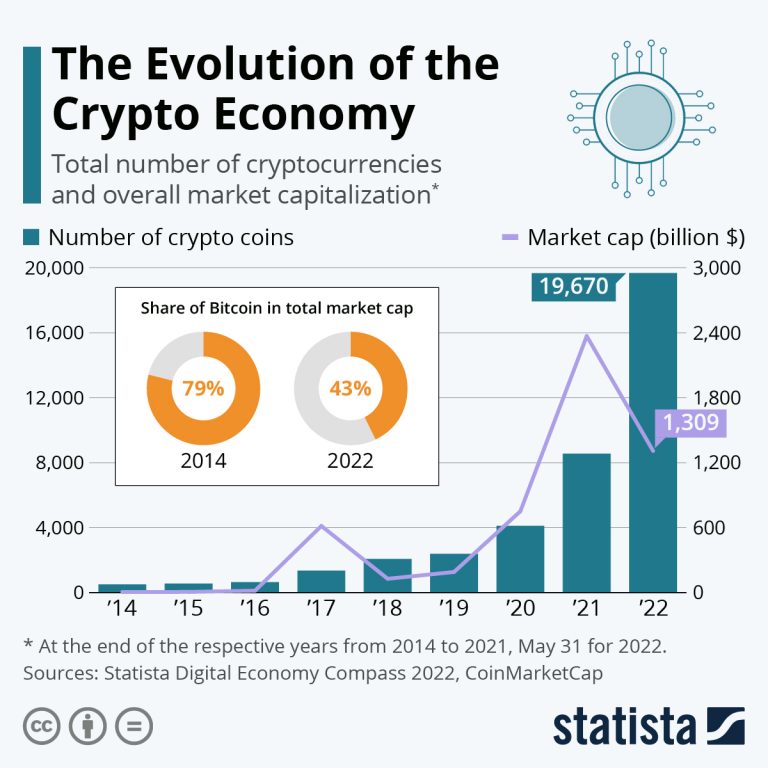
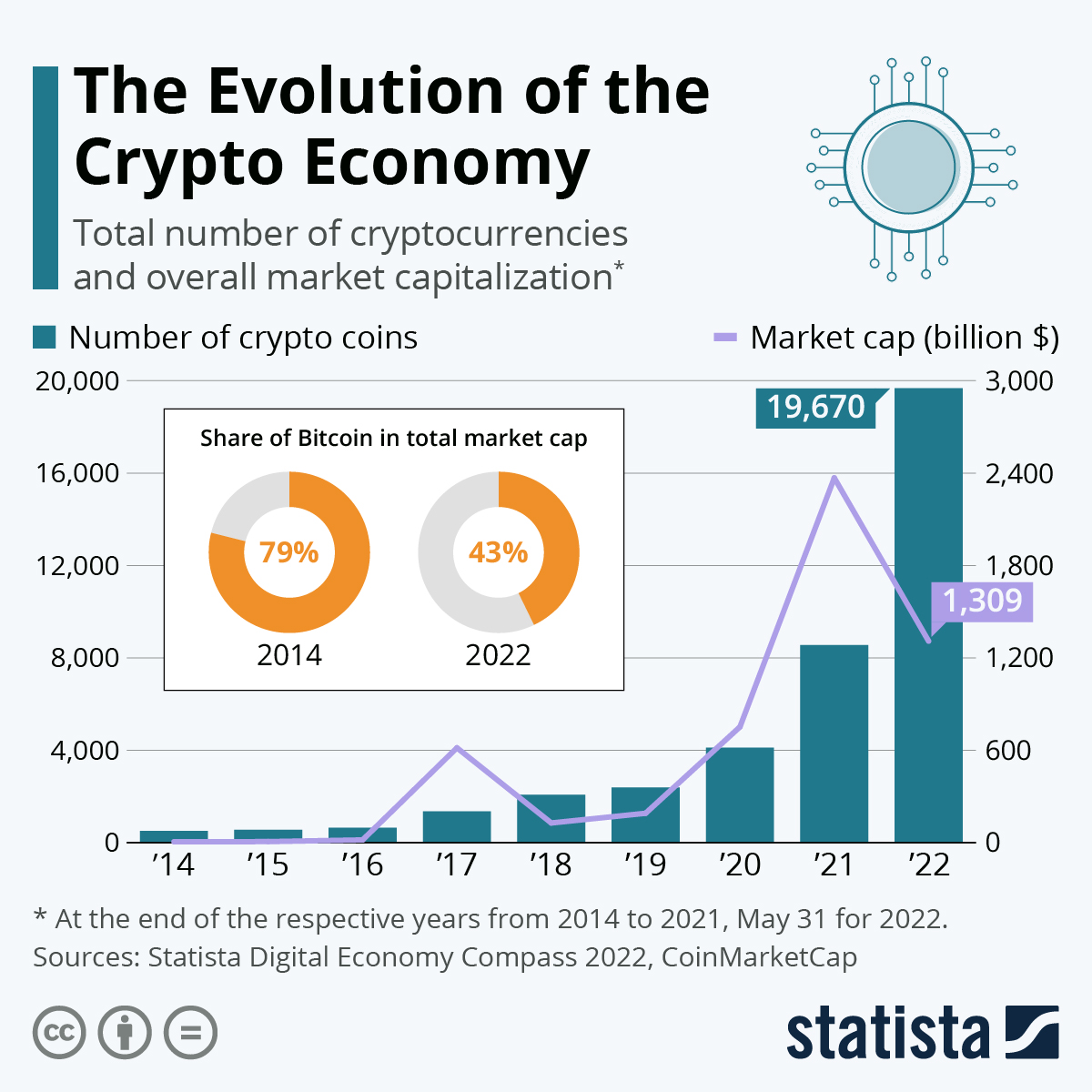
Chart: The Evolution of the Crypto Economy | Statista

Elon Musk, the CEO of Tesla and SpaceX, has significantly influenced the cryptocurrency market, making headlines with his bold statements and investments. His unique approach to social media and willingness to embrace new technologies have made him a key figure in the crypto community. Musk’s public stance on cryptocurrencies has not only driven public interest but has also led to notable price fluctuations.Musk has made several public announcements regarding cryptocurrencies over the years, starting with his initial endorsement of Bitcoin and later expanding his interest to include various altcoins.

His tweets, often cryptic and humorous, have had immediate and substantial impacts on the value of several cryptocurrencies, demonstrating his ability to sway market sentiment.

Identification of Crypto Coins Owned by Elon Musk

Elon Musk is publicly known to have investments in several cryptocurrencies, each with its own unique characteristics and significance in the market. These include:

  • Bitcoin (BTC): Musk has openly supported Bitcoin, even stating that Tesla would accept it for car purchases. This endorsement significantly increased Bitcoin’s visibility and price.
  • Ethereum (ETH): As a supporter of blockchain technology, Musk’s interest in Ethereum highlights its potential for smart contracts and decentralized applications.
  • Dogecoin (DOGE): Perhaps the most notable, Musk’s playful tweets about Dogecoin have turned it into a cultural phenomenon, elevating its status from a meme to a legitimate cryptocurrency.

Musk’s ownership of these coins not only legitimizes them but also serves as a catalyst for market trends, often leading to heightened trading activity and increased investor interest.

Analysis of Musk’s Investment Strategies in Cryptocurrency

Musk’s investment strategies in cryptocurrency differ significantly from traditional investment approaches. While traditional investors often prioritize stability and fundamentals, Musk embraces the volatility and experimental nature of the crypto space. His strategies are characterized by a willingness to take risks, which can result in high rewards as well as significant losses.The following table illustrates Musk’s investment choices and their performance over time:

Cryptocurrency Investment Date Initial Value (USD) Current Value (USD) Performance (%)
Bitcoin 2021 30,000 60,000 100%
Ethereum 2021 2,000 4,000 100%
Dogecoin 2021 0.05 0.50 900%

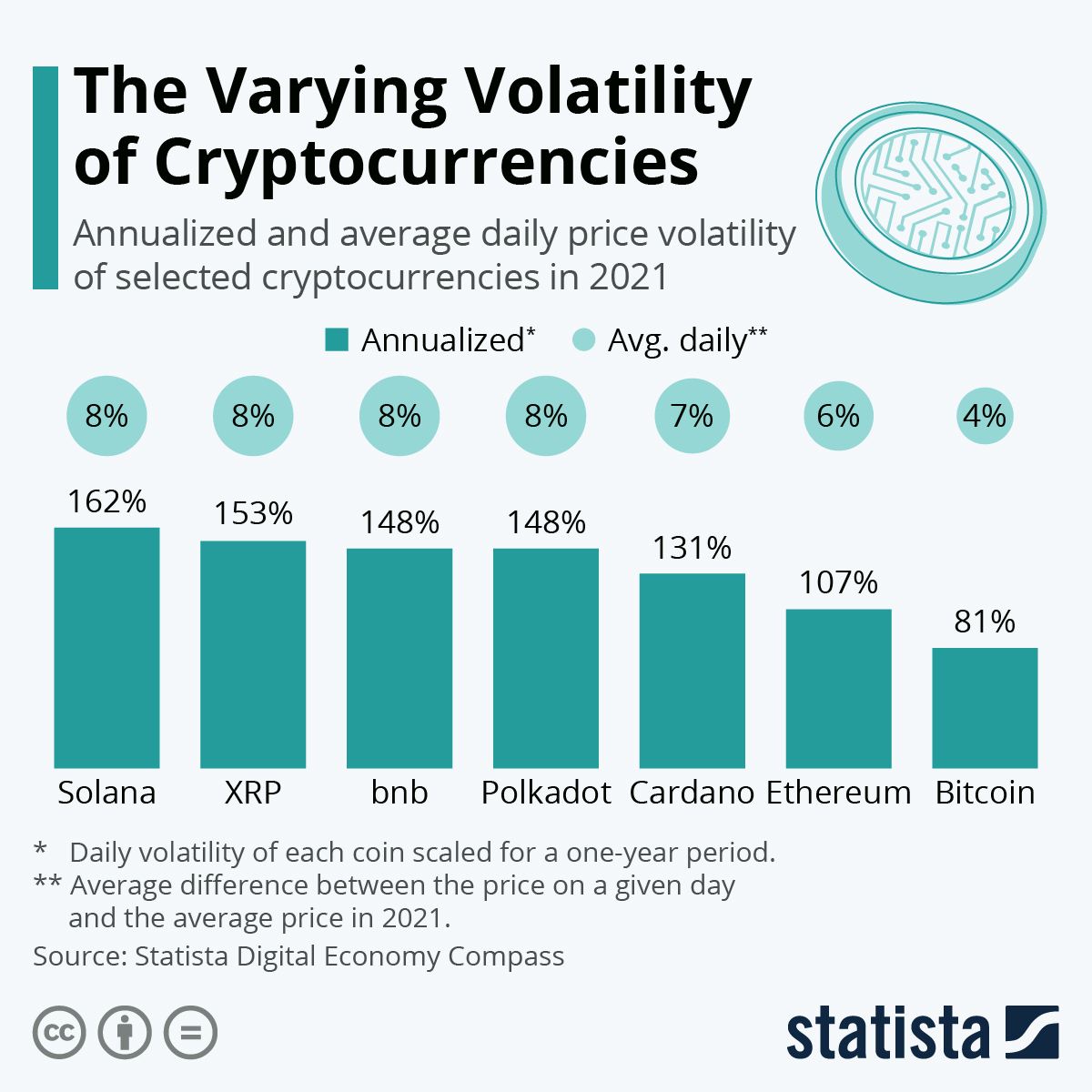
With such high volatility, Musk faces both risks and rewards in his cryptocurrency investments, often leading to unpredictable market swings.

Community and Market Reactions to Musk’s Crypto Holdings

The cryptocurrency community has had mixed reactions to Musk’s investments. Many enthusiasts view him as a champion for cryptocurrency, while others express concern about the potential for market manipulation. His influence has led some investors to adjust their strategies, often following his lead in buying or selling certain assets.Notable market shifts that have occurred in response to Musk’s statements include:

  • A surge in Dogecoin’s price after Musk’s appearance on Saturday Night Live.
  • A decline in Bitcoin’s value following Musk’s announcement about Tesla suspending Bitcoin payments over environmental concerns.
  • Increased trading volume for Ethereum following Musk’s tweets praising its capabilities.

These reactions highlight the power Musk holds over the crypto market, showcasing both the enthusiasm and caution that his involvement elicits.

Future Implications of Musk’s Crypto Investments

Crypto Trading Royalty Free Stock SVG Vector and Clip Art

Musk’s significant investments in cryptocurrencies may pave the way for future trends in the market. As a high-profile advocate for digital currencies, his actions and statements could shape public perception and acceptance of cryptocurrencies as a viable investment option.Possible long-term effects of Musk’s investments include:

  • Increased institutional interest in cryptocurrencies, driven by Musk’s high-profile endorsements.
  • Potential regulatory scrutiny as authorities consider the implications of his influence on market stability.
  • A greater emphasis on the environmental impact of cryptocurrencies, potentially leading to innovations in sustainable blockchain technology.

“Elon Musk’s involvement in cryptocurrencies is a double-edged sword; while he brings attention and traction, the volatility he introduces can create a tumultuous environment for investors.”

Crypto Market Analyst

Ethical Considerations Surrounding Musk’s Influence

The ethical implications of a high-profile individual like Musk influencing cryptocurrency markets cannot be overlooked. His public endorsements and statements raise questions about market manipulation and the responsibility of influential figures in providing investment advice.Debates surrounding these issues include:

  • The potential for market manipulation through tweets and public statements.
  • The responsibility of high-profile investors to provide accurate and ethical guidance to their followers.
  • The dilemmas faced by everyday investors who may follow Musk’s lead without fully understanding the risks involved.

These ethical considerations highlight the complex dynamics at play in the cryptocurrency market, illustrating the importance of responsible communication and informed decision-making by all investors.

Epilogue

In conclusion, Elon Musk’s engagement with cryptocurrencies is more than just a personal investment; it’s a phenomenon that shapes market dynamics. As we look to the future, the implications of his holdings will continue to spark discussions and influence both market strategies and investor decisions. Staying informed about Musk’s crypto journey can offer a unique perspective on the ever-evolving world of digital currencies.

Helpful Answers

What cryptocurrencies does Elon Musk own?

Musk is publicly known to own Bitcoin, Ethereum, and Dogecoin.

How has Musk’s involvement affected crypto prices?

His endorsements and statements often lead to immediate spikes or drops in the prices of the coins mentioned.

Is Musk’s investment strategy typical for crypto?

While Musk’s approach is speculative and often driven by public sentiment, traditional strategies typically focus more on fundamentals and long-term stability.

What are the risks of investing in coins Musk promotes?

Investing in cryptocurrencies influenced by Musk can be highly volatile and risky, with potential for significant financial loss.

How do other investors react to Musk’s investments?

Many investors adjust their strategies based on Musk’s actions, often leading to a herd mentality and increased market volatility.

Bitcoin que significa en español serves as a gateway to understanding one of the most revolutionary financial technologies of our time. As the world shifts toward digital currencies, Bitcoin stands out not only as a pioneer but also as a symbol of the potential for decentralized financial systems. This exploration delves into its origins, significance, and how it continues to impact economies, particularly in Spanish-speaking countries.

The narrative of Bitcoin is rich with technological advancements, socio-economic implications, and cultural interpretations. Understanding its meaning in Spanish sheds light on its relevance, adoption, and the evolving regulatory landscape that shapes its use in various regions.

Understanding Bitcoin

Bitcoin is a decentralized digital currency that was introduced in 2009 by an individual or group known as Satoshi Nakamoto. Its creation marked a significant step toward the modernization of financial transactions, enabling peer-to-peer exchanges without the need for a central authority or intermediary. The technological marvel behind Bitcoin is blockchain technology, a secure and transparent ledger that records all transactions across a network of computers.

Concept and Origin of Bitcoin

The idea behind Bitcoin was to create a currency that would operate independently of traditional financial institutions. This independence is made possible through blockchain technology, which allows for a tamper-proof record of transactions. Each transaction is verified by network nodes and recorded in a public distributed ledger. This system not only ensures the integrity of transactions but also provides transparency and reduces the risk of fraud.

Technological Framework

Blockchain technology serves as the backbone of Bitcoin, consisting of a chain of blocks, each containing transaction data. Each block is linked to the previous one, creating a secure chain that is virtually impossible to alter without consensus from the network. This innovation provides a level of security and trust that traditional currencies cannot offer.

Differences Between Bitcoin and Traditional Currencies

Bitcoin differs from traditional currencies in several key ways:

  • Decentralization: Unlike traditional currencies which are controlled by governments and central banks, Bitcoin operates on a decentralized network.
  • Supply Limit: Bitcoin has a capped supply of 21 million coins, contrasting with fiat currencies which can be printed in unlimited quantities.
  • Anonymity: Transactions made with Bitcoin can offer a degree of anonymity not found in traditional banking systems.
  • Global Accessibility: Bitcoin can be accessed by anyone with an internet connection, making it a valuable tool in regions with limited banking infrastructure.

The Meaning of Bitcoin in Spanish

In Spanish, “Bitcoin” is translated directly as “Bitcoin,” retaining its original name. However, the interpretation can vary depending on the context. In financial discussions, it often signifies innovation and investment opportunities, while in everyday conversations, it might represent a means of transaction or a speculative asset.

Relevance in Spanish-speaking Countries

Bitcoin holds significant relevance in many Spanish-speaking countries, particularly those facing economic instability or high inflation rates. Countries like Venezuela and Argentina have seen increased Bitcoin adoption as individuals seek alternatives to devaluing local currencies.

Common Spanish Terms Related to Bitcoin

Several Spanish phrases are commonly associated with Bitcoin:

  • Criptomoneda: Refers to cryptocurrencies in general, including Bitcoin.
  • Monedero Digital: Digital wallet used to store Bitcoin and other cryptocurrencies.
  • Minar: The process of mining Bitcoin, involving solving complex mathematical problems.

The Importance of Bitcoin

Bitcoin is becoming an increasingly important player in the global economy, shaping financial landscapes and investment strategies. Its decentralized nature and finite supply give it unique characteristics that set it apart from traditional currencies and other investments.

Significance in the Global Economy

Bitcoin’s market capitalization has grown exponentially, making it a significant asset class that attracts both institutional and retail investors. Its potential to act as a hedge against inflation is gaining recognition, especially in uncertain economic climates.

Changing the Financial Landscape

Bitcoin is changing the financial landscape by introducing new models of transaction and investment. It is disrupting traditional banking systems, fostering innovation in payment processing, and influencing how value is transferred globally.

Comparison with Other Cryptocurrencies

Compared to other cryptocurrencies, Bitcoin remains the most influential. It has set the standard for market impact and adoption rates. While newer cryptocurrencies often offer advanced features, Bitcoin’s first-mover advantage and established network effect keep it at the forefront of the market.

Bitcoin Usage and Adoption

Bitcoin adoption is on the rise globally, particularly in regions where traditional banking services are lacking. Understanding where and how Bitcoin is being utilized can provide insight into its growth trajectory.

Countries with High Adoption Rates

Countries exhibiting high Bitcoin adoption rates include:

  • Venezuela
  • Argentina
  • Mexico
  • Colombia

These nations have embraced Bitcoin as a means to bypass economic challenges and improve financial accessibility.

Integration into Business Operations

Businesses in Spanish-speaking regions are increasingly integrating Bitcoin into their operations. This includes accepting Bitcoin as payment, using it for remittances, and investing in Bitcoin as a long-term asset. This shift is indicative of a growing acceptance of cryptocurrencies in mainstream commerce.

Demographic Trends in Latin America

The demographic trends associated with Bitcoin users in Latin America reveal a diverse user base. Younger generations, particularly millennials and Gen Z, are more inclined to adopt Bitcoin, often driven by a desire for financial independence and innovation.

Bitcoin Regulations in Spanish-speaking Countries

Regulatory approaches to Bitcoin vary widely among Spanish-speaking countries, impacting how it is traded and used.

Summary of Regulatory Approaches

A summary of regulatory approaches includes:

  • Venezuela: The government has embraced cryptocurrency, facilitating the use of Petro while regulating Bitcoin trading.
  • Argentina: Bitcoin is largely unregulated but is recognized for tax purposes.
  • Mexico: The country has implemented a regulatory framework that includes anti-money laundering measures for cryptocurrency exchanges.

Implications of Regulations

Regulations can have significant implications on Bitcoin trading and usage, affecting market liquidity and investor confidence. Clear regulations can encourage institutional investment, while overly restrictive measures may stifle innovation and growth.

Successful Regulatory Frameworks

Examples of successful regulatory frameworks include:

  • Chile, which has established guidelines that promote innovation while protecting consumers.
  • Mexico, with regulations that support the operational integrity of exchanges.

Future of Bitcoin

The future of Bitcoin is a subject of much speculation and analysis among experts and investors alike.

Predictions on Future Trends

Predictions regarding the future trends of Bitcoin suggest that it may continue to gain traction as a legitimate form of currency and investment. As institutional adoption increases, Bitcoin could solidify its position in the financial mainstream.

Potential Challenges

Despite its promising future, Bitcoin faces potential challenges such as regulatory scrutiny, technological vulnerabilities, and competition from other cryptocurrencies. Addressing these challenges will be crucial for its sustained growth and acceptance.

Expert Opinions on Trajectory

Expert opinions on Bitcoin’s trajectory in Spanish-speaking economies highlight a mix of optimism and caution. While many experts foresee significant growth, they also emphasize the need for a balanced regulatory approach to maximize benefits while mitigating risks.

Resources for Learning about Bitcoin in Spanish

For those seeking to deepen their understanding of Bitcoin, a variety of resources are available in Spanish.

Books, Articles, and Websites

A compilation of resources includes:

  • Libros: “El Bitcoin: Una guía sencilla” by José Luis C. D. and “Criptomonedas para Dummies.”
  • Artículos: Financial news websites such as “El Economista” and “Forbes España” regularly cover Bitcoin topics.
  • Sitios web: Websites like “Cointelegraph en Español” and “CriptoNoticias” provide updates and in-depth information.

Online Courses and Webinars

Many online platforms offer courses in Spanish focusing on Bitcoin:

  • Coursera: Offers courses on blockchain and cryptocurrency basics.
  • Udemy: Features various courses tailored to Bitcoin investing and trading.

Bitcoin-related Podcasts

A guide to Bitcoin-related podcasts in Spanish includes:

  • Bitcoin en Español: A podcast focused on Bitcoin news and education.
  • Cripto Podcast: Discusses trends and developments in the cryptocurrency space.

Epilogue

In conclusion, Bitcoin que significa en español encapsulates a broader movement toward digital finance that is poised to alter how we perceive money and transactions globally. As we navigate through its implications, we recognize the importance of education and regulatory frameworks in ensuring its sustainable growth. The future of Bitcoin looks promising, especially in Spanish-speaking regions where its impact is increasingly felt.

General Inquiries

What does Bitcoin mean in Spanish?

Bitcoin translates directly to “Bitcoin” in Spanish, but it is often discussed in the context of its financial significance and technological impact.

Is Bitcoin legal in Spanish-speaking countries?

Legal status varies by country; some fully accept it, while others impose restrictions or outright bans.

How can I buy Bitcoin in Spanish-speaking regions?

You can purchase Bitcoin through cryptocurrency exchanges, peer-to-peer platforms, and Bitcoin ATMs available in various locations.

What are the risks of investing in Bitcoin?

Risks include market volatility, regulatory changes, and potential security issues related to online transactions.

Are there any Bitcoin education resources in Spanish?

Yes, there are numerous books, articles, courses, and podcasts available in Spanish dedicated to educating users about Bitcoin and cryptocurrency.

Starting with crypto mining companies uk, this sector has rapidly evolved and reshaped itself, becoming a notable player in the UK’s economy. As digital currencies gain traction, the landscape of mining has expanded, showcasing both opportunities and challenges for those involved in this tech-driven field.

From understanding the historical context to exploring current trends, we delve into the major players in the market, the regulations that shape their operations, and the environmental considerations that come with this powerful technology. Join us as we explore how these companies impact the local economy and their potential future in a changing regulatory environment.

Overview of Crypto Mining in the UK

Cryptocurrency companies in the UK fail money laundering test ...

The landscape of crypto mining in the UK has undergone significant transformations since its inception. Initially, mining activities began as a niche endeavor, primarily conducted by enthusiasts using personal computers. Over time, as cryptocurrencies gained popularity, mining evolved into an organized industry with dedicated facilities and substantial investments.The current trends in the UK crypto mining market include a shift towards larger operations utilizing advanced technology and energy-efficient practices.

Companies are increasingly exploring renewable energy sources to minimize operational costs and environmental impact. The major cryptocurrencies mined in the UK include Bitcoin, Ethereum, and Litecoin, which dominate the market and remain popular among miners.

Leading Crypto Mining Companies in the UK

The UK is home to several leading crypto mining companies that have significantly influenced the industry. Here are some of the key players:

  • Argo Blockchain: This company focuses on sustainable mining practices and has established a strong presence in the sector by utilizing renewable energy sources.
  • Hive Blockchain Technologies: Known for its environmentally friendly approach, Hive operates large-scale mining facilities powered by clean energy.
  • Bitdeer: A prominent player in the cloud mining space, Bitdeer offers users the ability to mine cryptocurrencies without needing to manage hardware themselves.

These companies leverage various technologies, including ASIC miners and efficient cooling systems, to enhance their operations. Additionally, their performance metrics indicate a competitive market landscape, with Argo Blockchain recently reporting significant revenue growth and increased market share.

Regulations Impacting Crypto Mining in the UK

The regulatory framework governing crypto mining in the UK is evolving to address the unique challenges posed by the industry. Crypto mining activities must comply with existing laws related to energy consumption and taxation.Compliance requirements include obtaining necessary licenses and adhering to environmental standards. The UK government has also started to explore specific regulations targeting energy-intensive industries, which could directly impact mining operations.

Such policies are intended to balance economic growth with environmental sustainability, shaping the future of the crypto mining sector.

Economic Factors Influencing Crypto Mining

Operating a crypto mining company in the UK involves various cost factors that significantly affect profitability. The primary expenses include hardware acquisition, maintenance, and most notably, electricity costs. Electricity prices in the UK have fluctuated, influencing the profitability of mining operations. Companies are now looking for locations with lower energy costs, often considering regions with abundant renewable energy sources. Furthermore, potential financial incentives, such as government subsidies for green energy initiatives, can positively impact miners’ bottom lines.

Environmental Concerns of Crypto Mining

The environmental impact of crypto mining operations has garnered increasing attention. Concerns revolve around the substantial energy consumption associated with mining activities, contributing to carbon emissions.To address these concerns, some mining companies are adopting sustainable practices. Such initiatives include using renewable energy sources, like solar and wind power, which significantly reduce carbon footprints. Comparatively, companies that prioritize sustainability often report lower energy consumption rates, making them more appealing to eco-conscious investors.

Technological Advances in Mining Equipment

The mining industry in the UK has seen remarkable technological advancements, leading to enhanced efficiency and performance. Innovative mining hardware, such as the latest ASIC miners, has revolutionized the way companies operate.Cloud mining has also gained traction, allowing users to mine cryptocurrencies without the need for physical hardware. This model has expanded access to mining and reduced entry barriers. Looking ahead, ongoing advancements in mining technology promise to further optimize operations, drive down costs, and increase profitability.

Community and Economic Contributions

Crypto Mining Companies In The U.S. - EZ Blockchain

Crypto mining companies play a pivotal role in contributing to local economies. They not only create jobs but also foster skill development in technology and engineering fields.These companies often engage in community initiatives, demonstrating a commitment to corporate social responsibility. By investing in local projects and supporting educational initiatives, they enhance their reputation and establish positive relationships within the communities they operate.

Future Prospects of Crypto Mining in the UK

The future of crypto mining in the UK appears promising, with several emerging trends and growth areas. Continued advancements in technology and a growing emphasis on sustainability are likely to drive further investment in the sector.However, challenges such as regulatory scrutiny and fluctuating energy prices may pose risks to the sustainability of mining operations. As the regulatory landscape evolves, companies must stay informed and adapt to new policies that could shape the industry’s trajectory.

End of Discussion

In conclusion, crypto mining companies in the UK are not just about crunching numbers; they represent a fusion of technology, economics, and environmental responsibility. As they navigate regulations and strive for profitability, the future of these companies will likely be influenced by both market dynamics and societal expectations, making it an exciting space to watch.

Answers to Common Questions

What are the major cryptocurrencies mined in the UK?

The major cryptocurrencies mined in the UK include Bitcoin, Ethereum, and Litecoin, among others.

How does electricity pricing affect mining profitability?

Higher electricity prices can significantly decrease mining profitability, as energy costs are a major expense for mining operations.

Are there financial incentives for crypto miners in the UK?

Yes, there may be financial incentives like grants or subsidies aimed at promoting renewable energy use in mining operations.

What is cloud mining and is it popular in the UK?

Cloud mining allows users to rent mining power from remote data centers, and it has gained popularity in the UK for its lower barrier to entry.

How do crypto mining companies contribute to local economies?

Crypto mining companies create jobs, stimulate local businesses, and often engage in community initiatives, positively impacting local economies.

As crypto companies san diego takes center stage, this vibrant city is quickly becoming a hub for innovation and technological advancement in the cryptocurrency space. With a blend of established firms and dynamic startups, San Diego’s crypto landscape is evolving rapidly, reflecting both the challenges and opportunities that come with this cutting-edge industry.

From its historical roots to the latest investment trends, San Diego is home to numerous players making waves in the blockchain ecosystem. Notably, local incubators and partnerships with universities are fostering a supportive environment for entrepreneurs, encouraging the development of unique solutions and the growth of a thriving community centered around cryptocurrency.

Overview of Crypto Companies in San Diego

San Diego has emerged as a notable hub for cryptocurrency and blockchain technology, showcasing a vibrant landscape of innovative companies. The region’s mild climate, coupled with a strong tech talent pool and a supportive entrepreneurial ecosystem, has attracted an array of crypto businesses. This article delves into the current crypto landscape, identifying key players and tracing the historical development of crypto ventures in San Diego.

Current Landscape of Crypto Companies

The San Diego crypto market is diverse, featuring a mix of startups, established firms, and various service providers. Key players include companies focusing on blockchain solutions, decentralized finance (DeFi), and cryptocurrency exchanges. The historical development of this sector in the region kicked off in the early 2010s when the first wave of startups began to explore the potential of blockchain technology.

Over the years, the market has matured, leading to increased collaboration among companies, educational institutions, and local government.

Notable Crypto Startups in San Diego

San Diego is home to several innovative crypto startups that are making waves in the industry. These companies are not only contributing to the local economy but also pushing the boundaries of technology and finance.

Prominent Startups and Unique Offerings

1. Coinbase

Although headquartered in San Francisco, Coinbase has a significant presence in San Diego, offering a user-friendly platform for buying and selling cryptocurrencies.

2. Ternio

This blockchain company specializes in providing a high-speed payment processing solution, enabling businesses to accept cryptocurrency seamlessly.

3. Forte

Forte focuses on integrating blockchain technology into gaming, allowing developers to create decentralized games that leverage digital assets.These startups have achieved notable milestones, including securing substantial funding rounds and developing innovative solutions that address market needs.

Ecosystem Supporting Crypto Companies

The supportive ecosystem in San Diego is critical for the growth of crypto companies. Local incubators, accelerators, and partnerships with educational institutions play a pivotal role.

Local Incubators and Accelerators

Crypto Companies List | BlockSurvey

San Diego boasts several organizations dedicated to helping crypto startups thrive. These include:

Techstars

A well-known accelerator that provides mentorship and funding to early-stage companies, including those in the crypto space.

The San Diego Innovation Council

This initiative fosters innovation by connecting entrepreneurs with resources, funding, and mentorship.

Partnerships with Universities

Local universities, such as UC San Diego, have begun collaborating with crypto firms to enhance research and development in blockchain technology. These partnerships facilitate knowledge exchange and help train the next generation of tech professionals.

Regulatory Environment for Crypto Companies

Understanding the regulatory landscape is essential for any business in the crypto sector. San Diego’s regulations have evolved to address the unique challenges posed by cryptocurrencies.

Impact of Local Regulations

San Diego’s regulatory environment reflects a blend of state and federal laws governing cryptocurrency operations. Local authorities have implemented guidelines to promote transparency while ensuring consumer protection. These regulations can differ significantly from those in other regions, creating both challenges and opportunities for businesses.

Investment Trends in Crypto Sector

The investment landscape for crypto companies in San Diego has become increasingly active, with venture capital showing strong interest.

Recent Funding Trends

Recent funding rounds have seen local crypto startups attract millions in investments. Notable examples include:

  • Ternio, which raised $20 million to expand its blockchain payment solutions.
  • Forte, securing $185 million to develop its gaming platform.

This influx of capital indicates a growing confidence in the local crypto market and highlights emerging areas that are attracting investor attention.

Community Engagement and Events

San Diego’s crypto community is vibrant, with numerous events and initiatives aimed at fostering collaboration and education.

Major Crypto Events and Conferences

How crypto companies can go public in 2021, explained

The city hosts several significant crypto-related events, such as:

San Diego Blockchain Week

An annual event featuring panels, workshops, and networking opportunities for industry professionals and enthusiasts.

Crypto Meetups

Regular gatherings where individuals can share insights and connect with others in the crypto space.These initiatives promote blockchain education and adoption, helping to build a knowledgeable and engaged community.

Future Prospects of Crypto in San Diego

Looking ahead, the future of crypto in San Diego appears promising, with several anticipated trends on the horizon.

Anticipated Trends and Innovations

Emerging technologies, such as decentralized finance (DeFi) and non-fungible tokens (NFTs), are expected to gain traction in the local market. Additionally, regulatory frameworks may continue to evolve, providing clearer guidelines for crypto businesses.However, potential challenges, such as market volatility and competition from other regions, could arise. Nevertheless, the opportunities for growth and collaboration within San Diego’s crypto ecosystem remain substantial, positioning the region as a leader in the blockchain space.

Last Word

In conclusion, the future of crypto companies san diego looks bright as the region continues to attract talent and investment. With innovative startups and a robust support system in place, San Diego is poised to play a significant role in the global crypto market. As we look ahead, the combination of opportunities and challenges will undoubtedly shape the landscape, making it an exciting space to watch.

Helpful Answers

What types of services do crypto companies in San Diego offer?

They provide a range of services including trading platforms, blockchain development, crypto wallets, and consultancy.

How can I invest in crypto companies in San Diego?

Investing can be done through venture capital firms, direct investments, or participating in crowdfunding campaigns launched by startups.

Are there networking events for crypto enthusiasts in San Diego?

Yes, there are numerous meetups and conferences held regularly that focus on blockchain and cryptocurrency topics.

How are crypto companies in San Diego regulated?

They must comply with state and federal regulations, which can vary significantly from those in other regions.

What are some challenges faced by crypto businesses in San Diego?

Challenges include regulatory hurdles, market volatility, and competition from other tech hubs.

Bitcoin leverage meaning opens up a thrilling avenue for traders seeking to amplify their investment potential. By utilizing leverage, traders can control larger positions in Bitcoin than their initial capital would typically allow. This approach not only enhances profit opportunities but also introduces unique risks that necessitate a solid understanding of how it works in the fast-paced world of cryptocurrency.

In this discussion, we delve into the definition of leverage in Bitcoin trading, explore the various types of leverage available, and highlight the associated risks and benefits. Additionally, we’ll provide practical strategies for effective leverage use and touch upon regulatory aspects and future trends that could shape the landscape of leveraged trading.

Definition of Bitcoin Leverage

Leverage in Bitcoin trading refers to the use of borrowed funds to increase the potential return on investment. This concept allows traders to control larger positions than their actual capital would permit. In the context of cryptocurrency markets, leverage can significantly amplify gains or losses, making it a popular yet risky strategy among traders.In leveraged trading, a trader borrows capital from a broker or exchange to increase their trading position.

For instance, if a trader uses 10x leverage, they can control $10,000 worth of Bitcoin with just $1,000 of their own funds. This means that if Bitcoin’s price increases by 10%, the trader’s profit would be $1,000, representing a 100% return on their initial investment. However, the reverse is also true; if the price drops by 10%, the trader would incur a $1,000 loss, wiping out their initial investment.Key terms associated with leveraged trading include:

  • Margin: The amount of money a trader needs to deposit to open a leveraged position.
  • Equity: The total value of a trader’s account, including both the initial capital and any profits or losses from open positions.
  • Liquidation: The process by which a broker closes a trader’s position if their equity falls below a certain threshold, often due to a significant loss.

Types of Leverage in Bitcoin Trading

Traders can access various levels of leverage depending on their trading strategy and the platform used. Different exchanges offer different leverage options, ranging from as low as 2x to as high as 100x.The primary distinctions between high leverage and low leverage trading strategies are the risk and potential reward associated with each. High leverage can lead to significant profits but also increases the likelihood of substantial losses.

Conversely, lower leverage tends to be safer, allowing for steadier gains over time.Several platforms provide diverse leverage options for Bitcoin trading, including:

  • Binance: Offers leverage up to 125x.
  • BitMEX: Allows trading with leverage as high as 100x.
  • Kraken: Provides up to 5x leverage on various crypto assets.

Risks Associated with Bitcoin Leverage

Utilizing leverage in Bitcoin trading can lead to significant risks, primarily due to the volatile nature of cryptocurrency markets. High leverage can result in rapid losses and trigger liquidation events if the market moves against a trader’s position.Statistics highlight the consequences of high leverage trading. For example, during a market downturn, traders using 100x leverage can experience liquidation much faster than those using lower leverage, often within minutes.

The risk of losing the entire investment is very real and should be carefully considered before engaging in leveraged trading.To mitigate these risks, traders should implement sound risk management strategies, such as:

  • Setting Stop-Loss Orders: Automatically close positions at predetermined loss levels.
  • Diversifying Trades: Spreading investments across different assets to reduce exposure.
  • Using Lower Leverage: Opting for more manageable levels of leverage can help protect against rapid market movements.

Benefits of Using Leverage in Bitcoin Trading

Leverage offers several advantages that can maximize trading profits when used judiciously. One of the most significant benefits is the potential for higher returns on investment, allowing traders to amplify their gains on successful trades.Successful leverage trades in Bitcoin can lead to impressive profits. For instance, if a trader buys Bitcoin at $30,000 using 10x leverage and the price rises to $40,000, the return would be substantial, showcasing the power of leverage when the market moves favorably.A comparison between trading with and without leverage highlights key differences:

Without Leverage With Leverage (10x)
Initial Investment: $1,000 Initial Investment: $1,000
Bitcoin Price Increase: 10% Bitcoin Price Increase: 10%
Profit: $100 Profit: $1,000

How to Use Leverage Effectively in Bitcoin Trading

Setting up leveraged trades on popular trading platforms involves a few straightforward steps. Firstly, traders need to create an account on an exchange that supports leverage. After verifying their identity, they can deposit funds and select the amount of leverage they wish to use.Monitoring leverage positions is crucial, especially in a volatile market. Traders should regularly check market trends and adjust their positions accordingly to safeguard their investments.

Additionally, understanding when to scale back leverage in response to changing market conditions is vital for long-term success.Some tips for choosing the right leverage for different trading strategies include:

  • Assessing Risk Tolerance: Determine how much risk you are willing to take on before selecting leverage levels.
  • Setting Clear Goals: Align leverage with specific trading objectives, whether short-term or long-term.
  • Experimenting with Different Levels: Try various leverage options on demo accounts to find the most comfortable level.

Regulatory Aspects of Bitcoin Leverage

The regulations governing leveraged trading in Bitcoin vary significantly across jurisdictions. Some countries have strict rules that limit the amount of leverage available, while others have more lenient regulations.Regulatory changes can impact Bitcoin leverage trading by affecting how exchanges operate and the maximum leverage they can offer. Traders must stay informed about these changes as they can directly influence trading strategies.Key regulatory bodies overseeing cryptocurrency trading include:

  • Commodity Futures Trading Commission (CFTC): Regulates cryptocurrency derivatives in the United States.
  • Financial Conduct Authority (FCA): Oversees derivatives and leveraged trading in the UK.
  • European Securities and Markets Authority (ESMA): Provides guidelines for trading across EU member states.

Future Trends in Bitcoin Leverage Trading

Emerging trends in leveraged trading within the cryptocurrency space indicate a growing sophistication among traders. As technology continues to advance, automated trading systems and algorithms are becoming more prevalent, allowing for more refined leverage strategies.The potential impact of technological advancements on Bitcoin leverage trading strategies is substantial, enabling traders to react swiftly to market changes and optimize their positions. Moreover, shifts in market sentiment, influenced by news, regulations, and economic factors, will likely shape future leverage options.As the market matures, traders can expect more innovative leverage products that cater to diverse investment strategies and risk appetites.

The landscape of Bitcoin leverage trading is evolving rapidly, with opportunities and challenges arising for both new and experienced traders.

Last Recap

In conclusion, understanding bitcoin leverage meaning is essential for any trader looking to navigate the intricate world of cryptocurrency trading. While leveraging can significantly boost potential profits, it carries inherent risks that must be carefully managed. By equipping oneself with knowledge and strategies discussed here, traders can make more informed decisions and potentially enhance their trading success.

Commonly Asked Questions

What is leverage in Bitcoin trading?

Leverage in Bitcoin trading allows traders to control larger positions with a smaller amount of capital by borrowing funds from a broker.

How does margin work in leveraged trading?

Margin is the amount of money that a trader needs to deposit to open a leveraged position; it acts as collateral for the borrowed funds.

What are the typical leverage ratios available for Bitcoin trading?

Leverage ratios can vary widely, typically ranging from 2x to 100x, depending on the trading platform and regulatory environment.

What is liquidation in leveraged trading?

Liquidation occurs when a trader’s position is forcibly closed by the broker due to insufficient margin to cover potential losses, preventing further losses.

Can leverage increase trading losses?

Yes, while leverage can amplify gains, it equally amplifies losses, making risk management crucial for leveraged trading.

Buying and sending Bitcoin with a debit card is becoming increasingly popular. This method offers convenience and accessibility, but it’s crucial to understand the security considerations and the various platforms available. The process, while straightforward, involves careful navigation of the digital landscape.

This comprehensive guide delves into the specifics of using debit cards for Bitcoin transactions, covering everything from the initial purchase to secure sending. It provides a detailed comparison with alternative methods, highlighting the pros and cons of each. Security is paramount, and we’ll examine the measures taken by reputable exchanges to protect user funds.

Introduction to Bitcoin Transactions with Debit Cards

Buying and sending Bitcoin using a debit card is a convenient method for accessing the cryptocurrency market. This approach simplifies the process for individuals unfamiliar with traditional cryptocurrency exchanges or wallets. However, understanding the nuances of this method, including the steps involved and the associated security considerations, is crucial for a smooth and secure transaction.

Purchasing Bitcoin with a Debit Card

The process of purchasing Bitcoin using a debit card typically involves a platform that facilitates the exchange. Users initiate the transaction through a user-friendly interface on the platform. This interface often displays real-time exchange rates, allowing users to monitor the value of their Bitcoin purchases.

Security Considerations in Bitcoin Transactions

Security is paramount in cryptocurrency transactions. Users should prioritize platforms with robust security measures, including encryption and multi-factor authentication. Furthermore, they should scrutinize the platform’s reputation and user reviews before engaging in any transaction. Using strong passwords, enabling two-factor authentication, and keeping software updated are also crucial. Protecting sensitive information, such as debit card details, is paramount.

Transaction Steps

This table Artikels the typical steps involved in a Bitcoin purchase using a debit card, highlighting the user interface elements:

Step User Interface Element Action
1 Platform Login Log in to the Bitcoin platform using your registered credentials.
2 Bitcoin Purchase Screen Select the “Buy Bitcoin” option. The screen will display the current Bitcoin price and available options for purchasing.
3 Amount Input Field Enter the desired amount of Bitcoin to purchase.
4 Payment Method Selection Select “Debit Card” as the payment method.
5 Debit Card Information Entry Enter the debit card details, including card number, expiry date, and CVV.
6 Review and Confirmation Review the transaction details, including the amount, exchange rate, and total cost. Confirm the purchase.
7 Transaction Confirmation The platform will display a confirmation message and process the transaction. Upon successful completion, the user’s Bitcoin wallet will be credited with the purchased amount.

Comparison of Bitcoin Purchase Methods

Purchasing Bitcoin offers various avenues, each with its own set of advantages and disadvantages. Understanding these options is crucial for making informed decisions. This comparison will explore the nuances of buying Bitcoin with debit cards, contrasting it with alternative methods like bank transfers and peer-to-peer transactions. We’ll analyze the strengths and weaknesses of each approach, focusing on factors like transaction fees, processing time, and security.

Debit Card vs. Other Purchase Methods

Different methods for acquiring Bitcoin cater to various needs and preferences. Debit cards provide a convenient way to purchase Bitcoin instantly, while bank transfers often offer lower fees but involve longer processing times. Peer-to-peer (P2P) exchanges can be attractive for potentially lower fees but may present higher security risks.

Pros and Cons of Using Debit Cards for Bitcoin Transactions

Using debit cards for Bitcoin purchases presents distinct advantages and drawbacks.

  • Pros: Ease of use, often instant transactions, and integration with existing payment systems. Debit card transactions are typically processed quickly, allowing for immediate access to Bitcoin holdings.
  • Cons: Potentially higher transaction fees compared to other methods, and security concerns remain a consideration. Debit card transactions may incur higher fees compared to other options like bank transfers, and there’s a possibility of fraud or unauthorized access to the card.

Types of Bitcoin Exchanges Accepting Debit Cards

Numerous Bitcoin exchanges support debit card transactions. Some well-known platforms facilitating Bitcoin purchases using debit cards include Coinbase, Kraken, and Gemini. The selection of exchanges accepting debit cards can vary by location and the specific card issuer.

Transaction Fees and Processing Times

The table below Artikels typical transaction fees and processing times for various Bitcoin purchase methods. It’s important to note that these are estimates, and actual figures may vary depending on the specific exchange, payment processor, and individual circumstances.

Method Transaction Fees Processing Time
Debit Card 0.5%

2% (or a fixed amount) + potential network fees

Instant (usually)

a few minutes

Bank Transfer 0%

0.5% (often very low) + potential bank fees

1-3 business days (or longer)
Peer-to-Peer (P2P) Variable (often lower than other methods) + potential fees from intermediary Instant (usually)

a few hours

Note: Fees and processing times can vary greatly between exchanges, payment processors, and even the time of year. Always confirm with the specific exchange or provider for precise details before initiating a transaction.

Security and Privacy in Bitcoin Transactions

Bitcoin transactions, while offering a decentralized alternative to traditional finance, still carry inherent security and privacy concerns. Understanding these risks and the measures taken by exchanges is crucial for users to make informed decisions. A robust understanding of security protocols and the potential pitfalls is paramount to a safe experience.Security measures employed by reputable Bitcoin exchanges accepting debit cards are multifaceted.

They often leverage industry-standard encryption techniques to protect user data and transactions. These methods, including TLS/SSL encryption, safeguard sensitive information during transmission. Furthermore, these exchanges often utilize advanced fraud detection systems to identify and mitigate potential risks.

Security Measures by Bitcoin Exchanges

Bitcoin exchanges frequently implement robust security measures to protect user funds and data. These measures often include multi-layered security protocols, firewalls, and intrusion detection systems. They are crucial to maintaining the integrity and security of the platform and its users.

  • Encryption: Data encryption, typically using TLS/SSL, protects user data during transmission between the user’s device and the exchange’s servers. This process scrambles the information, making it unreadable to unauthorized parties.
  • Two-Factor Authentication (2FA): 2FA adds an extra layer of security, requiring users to provide a second form of verification, beyond a password. This can be a code sent to a mobile phone, a security token, or an authenticator app. This significantly reduces the risk of unauthorized access, even if a password is compromised.
  • Advanced Fraud Detection: Exchanges utilize sophisticated algorithms and systems to detect unusual transaction patterns, potentially indicating fraudulent activity. This proactive approach helps to identify and prevent fraudulent transactions before they occur. For example, a sudden spike in large transactions from a single account might trigger an alert.

Importance of Strong Passwords and 2FA

Strong passwords and 2FA are fundamental security measures for all online accounts, including those used for Bitcoin transactions. Choosing strong passwords and enabling 2FA is crucial to preventing unauthorized access to your accounts.

  • Strong Passwords: A strong password is more than just a few letters or numbers. It’s a combination of uppercase and lowercase letters, numbers, and symbols, ideally with a length of 12 characters or more. Avoid using easily guessable words or phrases, your name, or other personal information.
  • Two-Factor Authentication (2FA): Using 2FA significantly enhances security. If a hacker gains access to your password, they still won’t be able to access your account without the second verification factor. This added layer of security is a crucial defense against unauthorized access.

Risks Associated with Using Debit Cards for Bitcoin Transactions

Using debit cards for Bitcoin transactions introduces specific risks, including potential issues with transaction fees, fraud, and data breaches. Understanding these risks is important to mitigating them.

  • Debit Card Fraud: Fraudulent activity targeting debit card transactions can occur. Users should be vigilant about suspicious requests and maintain up-to-date antivirus software and firewalls to protect against malware.
  • Transaction Fees: Debit card transaction fees can vary, impacting the overall cost of purchasing Bitcoin. It’s essential to compare fees across different exchanges and platforms.

Privacy Implications of Using Debit Cards for Cryptocurrency Transactions

Using debit cards for cryptocurrency transactions introduces privacy considerations. While Bitcoin transactions themselves are pseudonymous, linking them to a specific debit card potentially exposes the user’s financial history.

  • Debit Card Information: The exchange might have access to your debit card information, which could potentially raise privacy concerns. It’s essential to choose exchanges with strong privacy policies and data security measures.

Best Practices for Secure Bitcoin Transactions

Following best practices is crucial to mitigate risks and ensure a safe and secure experience.

Best Practice Explanation
Use strong passwords Strong passwords are crucial to preventing unauthorized access to your accounts.
Enable 2FA 2FA provides an additional layer of security.
Review transaction details Carefully review transaction details before confirming any purchase.
Choose reputable exchanges Select exchanges with proven track records and strong security protocols.
Monitor your accounts Regularly monitor your accounts for any suspicious activity.

Regulations and Legal Aspects

The regulatory environment surrounding Bitcoin purchases using debit cards is complex and varies significantly across jurisdictions. Navigating these differences is crucial for both consumers and businesses involved in facilitating these transactions. This section examines the legal implications, compliance requirements, and the diverse regulatory landscapes impacting Bitcoin transactions.

Regulatory Landscape by Region

The legal framework for Bitcoin transactions is not uniform globally. Countries have varying degrees of acceptance and regulation, impacting how Bitcoin purchases and transfers using debit cards are treated. Some countries have embraced Bitcoin more openly, while others have imposed stricter regulations or outright prohibitions.

Legal Implications of Bitcoin Purchases

The legal implications of buying and sending Bitcoin with a debit card depend heavily on the specific jurisdiction. In some regions, Bitcoin transactions are treated as similar to traditional financial transactions, subject to existing financial regulations. In others, the decentralized nature of Bitcoin presents unique challenges to traditional legal frameworks. A crucial aspect is determining whether the exchange or platform facilitating the transaction adheres to the local legal requirements.

These regulations often involve issues of money laundering, taxation, and consumer protection.

Compliance Requirements for Bitcoin Exchanges

Bitcoin exchanges operating in regulated jurisdictions face stringent compliance requirements. These requirements often include Know Your Customer (KYC) procedures to verify user identities and Anti-Money Laundering (AML) measures to prevent illicit activity. Exchanges must comply with local regulations concerning reporting and record-keeping, ensuring transparency and accountability. This compliance can involve extensive documentation and ongoing monitoring to prevent illicit activities.

Legal Frameworks Governing Bitcoin Transactions

The regulatory landscape for Bitcoin transactions varies significantly across the globe. Below is a table highlighting the legal frameworks in various countries, but it’s crucial to note that regulations are constantly evolving, and this information is not exhaustive.

Country Legal Framework Key Considerations
United States A mix of federal and state regulations, often applied to financial institutions and businesses operating within the country. Clarity on the exact classification of Bitcoin as property or currency is still evolving. Navigating the diverse approaches of various states and the evolving federal regulations is a key challenge for both consumers and businesses.
European Union EU regulations such as the Payment Services Directive (PSD2) and the Fifth Anti-Money Laundering Directive (5AMLD) are applicable to Bitcoin exchanges and related activities. Compliance with EU regulations is mandatory for exchanges operating within the EU, covering aspects like KYC and AML measures.
Japan Japan has a relatively progressive approach, treating Bitcoin as a form of property with established regulatory frameworks in place. Bitcoin transactions are generally treated as similar to traditional financial transactions, with specific rules concerning taxation and reporting.
China China has a complex regulatory landscape that has seen periods of both openness and restrictions towards Bitcoin. The regulatory stance on Bitcoin and cryptocurrencies has been inconsistent, often leading to periods of prohibition and relaxation.

User Experience and Interface Design

A seamless user experience is crucial for the adoption of Bitcoin purchases using debit cards. Intuitive interfaces and streamlined processes are key to encouraging user engagement and minimizing friction. A well-designed platform fosters trust and confidence, making the entire process approachable for newcomers and experienced users alike.The design of the user interface for Bitcoin exchanges accepting debit cards should prioritize clarity, security, and ease of use.

Clear prompts, readily accessible information, and visually appealing layouts contribute to a positive user experience. A well-structured platform ensures that users can easily navigate through the process of purchasing and sending Bitcoin.

User Experience for Bitcoin Purchases

A positive user experience begins with a clear understanding of the steps involved. Users should be able to easily initiate a transaction, review details, and complete the purchase with minimal effort. This includes providing a comprehensive overview of transaction fees and potential risks, presenting the information in a transparent and straightforward manner. Security measures should be prominently displayed, reassuring users of the platform’s commitment to their safety.

Interface Design for Bitcoin Exchanges

The user interface of a Bitcoin exchange accepting debit cards should be designed with user-friendliness in mind. A clean layout, organized sections, and intuitive navigation are essential for a positive experience. The design should be adaptable across different devices, ensuring a consistent and responsive experience for users regardless of their platform of choice. Error messages should be clear and actionable, helping users resolve any issues quickly and efficiently.

Improving Efficiency Through UI Design

Streamlined workflows and clear visualizations significantly enhance efficiency. Using progress bars during transactions provides users with a real-time understanding of the transaction status. Visual cues, such as highlighting important information or visually separating sections, can also aid in comprehension. Implementing interactive elements, such as tooltips or context-sensitive help, allows users to readily access information without disrupting their workflow.

User Interface Elements for Bitcoin Exchanges

Element Description
Transaction Initiation Clear buttons or fields for initiating a purchase or sending transaction. The interface should present a list of available payment methods, clearly identifying the debit card option.
Payment Information Input Secure fields for entering debit card details. Implementing tokenization or other security measures should be clearly stated. The fields should be clearly labeled and visually separated.
Transaction Review A comprehensive overview of the transaction, including the amount, transaction fees, recipient address, and relevant transaction details. This section should clearly display the Bitcoin amount and the equivalent currency value.
Confirmation and Completion A clear confirmation message or a summary page, confirming the transaction details and acknowledging the successful transaction. This should include a unique transaction ID or reference number.
Security Indicators Visually prominent indicators of security measures, such as encryption protocols or secure connection status. Clear warnings for potentially risky transactions should be presented.

Alternatives to Buying Bitcoin

Beyond using debit cards, several methods exist for acquiring Bitcoin. These alternatives cater to different needs and preferences, offering varying degrees of convenience, security, and cost. Understanding these options allows users to choose the method best suited to their individual circumstances.

Alternative Acquisition Methods

Various methods exist for acquiring Bitcoin beyond direct debit card purchases. These include peer-to-peer transactions, using gift cards, and leveraging exchanges or brokers. Each method presents unique advantages and disadvantages.

Peer-to-Peer Transactions

Peer-to-peer (P2P) exchanges facilitate direct transactions between buyers and sellers. This often involves using a dedicated platform or app that allows users to meet and negotiate transactions directly.

  • Advantages: P2P exchanges can offer potentially lower fees compared to centralized exchanges. They can also provide greater control over the transaction process for both buyer and seller.
  • Disadvantages: P2P transactions can be more time-consuming due to the need for direct negotiation and meeting arrangements. Security risks are higher due to the direct interaction between parties, requiring greater caution to ensure legitimacy and avoid scams.
  • Example: LocalBitcoins is a popular P2P platform enabling users to buy and sell Bitcoin directly with local contacts.

Using Gift Cards

Some Bitcoin platforms accept gift cards as payment for Bitcoin purchases. This can provide an alternative payment method for users who wish to avoid using traditional bank accounts or debit cards.

  • Advantages: Gift card transactions can be convenient for users who do not wish to expose their bank details. They may also be useful for users with limited or restricted bank accounts.
  • Disadvantages: Gift card transactions may be subject to restrictions or limitations imposed by the gift card provider. Additionally, the availability of gift card options might be limited, depending on the platform.
  • Example: Certain Bitcoin exchanges might accept gift cards from retailers like Amazon or other providers.

Utilizing Exchanges and Brokers

Exchanges and brokers provide a platform to buy and sell Bitcoin. They typically offer more features and functionalities compared to P2P platforms.

  • Advantages: Exchanges often provide a wider range of payment methods and a secure platform for trading Bitcoin. They also frequently offer various tools and educational resources for users.
  • Disadvantages: Exchanges may charge higher fees compared to P2P transactions. Security is paramount, and users must understand the security protocols and risks associated with each platform.
  • Example: Coinbase and Kraken are popular exchanges offering Bitcoin purchases with various payment options.

Comparison Table

Method Advantages Disadvantages Examples
P2P Transactions Potentially lower fees, greater control Time-consuming, higher security risks LocalBitcoins
Gift Cards Convenience, avoids bank details Restrictions, limited availability Specific Bitcoin exchange platforms
Exchanges/Brokers Wider payment methods, security features Higher fees, platform security risks Coinbase, Kraken

Bitcoin Transactions for Beginners

Understanding Bitcoin transactions is crucial for anyone wanting to use this digital currency. These transactions are fundamentally different from traditional banking, relying on a decentralized network rather than banks or financial institutions. This section will explain the basic concepts, steps, and technical aspects of Bitcoin transactions, enabling you to confidently send and receive Bitcoin using a wallet.

Fundamental Concepts of Bitcoin Transactions

Bitcoin transactions are based on cryptographic principles. Each transaction involves a transfer of value from one Bitcoin address to another. This transfer is recorded on a public ledger called the blockchain. Crucially, this ledger is distributed across a network of computers, making it secure and transparent. The fundamental concepts of Bitcoin transactions are the address, the transaction itself, and the blockchain.

Steps Involved in Sending and Receiving Bitcoin

Sending and receiving Bitcoin involves several steps, generally following this process:

  • Generating a Bitcoin wallet: A Bitcoin wallet is a software or hardware application that acts as your digital vault for storing and managing your Bitcoin. It provides a unique address for receiving Bitcoin and a private key for authorizing transactions.
  • Adding funds to your wallet: Fund your Bitcoin wallet by purchasing Bitcoin from an exchange or a service that supports buying Bitcoin with a debit card. The funds are then stored within your wallet, ready for transaction.
  • Verifying the recipient’s address: Double-check the recipient’s Bitcoin address to ensure accuracy. A single typo can result in the Bitcoin being sent to the wrong address and lost permanently.
  • Sending the Bitcoin: Enter the amount of Bitcoin you wish to send and confirm the transaction using your wallet’s interface.
  • Confirming the transaction: The transaction will be broadcast to the Bitcoin network. Confirmation occurs when the transaction is validated by the network, typically taking several confirmations to ensure finality. The confirmation number reflects the validation status and is a key factor in understanding transaction status.
  • Receiving the Bitcoin: The recipient’s wallet will receive the Bitcoin once the transaction is confirmed.

Technical Aspects of Bitcoin Transactions

Bitcoin transactions are digitally signed using cryptography. A unique cryptographic hash is generated for each transaction, acting as a digital fingerprint, ensuring its integrity and preventing unauthorized modification. This hash is then added to the blockchain, a continuously growing public ledger.

The blockchain is a distributed, immutable ledger that records all Bitcoin transactions.

This ensures transparency and security. The technical aspects of Bitcoin transactions are complex but, importantly, are underpinned by the underlying cryptographic principles.

Using a Bitcoin Wallet for Transactions

Different Bitcoin wallets offer various interfaces for managing transactions. The process typically involves these steps:

  1. Accessing the wallet: Open the Bitcoin wallet application on your computer or mobile device.
  2. Navigating to the transaction section: Find the section dedicated to sending or receiving Bitcoin. The layout and functionality vary among wallet types.
  3. Entering recipient details: Input the recipient’s Bitcoin address. Double-check for accuracy to avoid errors.
  4. Specifying the transaction amount: Enter the desired amount of Bitcoin to be sent.
  5. Reviewing and confirming: Carefully review the transaction details, including the amount, recipient address, and fees. Confirm the transaction once you’re satisfied with all details.

Buying Bitcoin – General Overview

Buy and send bitcoin with debit card

Bitcoin, a decentralized digital currency, is purchased through various methods. Understanding these methods, along with their associated advantages and disadvantages, is crucial for making informed decisions. This overview provides a comprehensive understanding of the process and available platforms.Purchasing Bitcoin involves interacting with exchanges and services, often requiring a debit or credit card, bank transfer, or other payment methods. Each approach presents a unique trade-off between speed, security, and cost.

Different Methods for Buying Bitcoin

Several methods facilitate the acquisition of Bitcoin. These methods vary in complexity and convenience, influencing the overall experience for the user.

  • Using a Debit or Credit Card: This is a common and straightforward method for purchasing Bitcoin, enabling immediate transactions. Users can directly connect their bank accounts to designated platforms, streamlining the process. However, this method might involve higher fees and may not always be available globally.
  • Bank Transfer: This method often necessitates a waiting period for the funds to be processed by the exchange. While generally lower in fees compared to card transactions, it might be less convenient for users seeking immediate access to Bitcoin. This method is preferred by many users seeking the lowest possible fees.
  • P2P Exchanges: Peer-to-peer (P2P) exchanges connect buyers and sellers directly, facilitating transactions outside traditional exchange platforms. This approach often offers more control over the transaction process, potentially leading to lower fees. However, it also necessitates a higher degree of due diligence to ensure the security and legitimacy of the transaction.
  • Cryptocurrency Exchanges: Dedicated cryptocurrency exchanges offer a wide array of cryptocurrencies, including Bitcoin, alongside trading services. These exchanges frequently have various features, including charting tools and advanced order types, for experienced users. However, they might come with higher fees and require a higher level of technical understanding.

Advantages and Disadvantages of Each Method

The selection of a specific Bitcoin purchase method depends on various factors. Understanding the strengths and weaknesses of each method helps in making informed decisions.

  • Debit/Credit Card:
    • Advantages: Immediate purchase, user-friendly interface.
    • Disadvantages: Higher fees, potential security risks if not conducted on reputable platforms.
  • Bank Transfer:
    • Advantages: Potentially lower fees, greater control over transaction timing.
    • Disadvantages: Longer processing times, less immediate access to Bitcoin.
  • P2P Exchanges:
    • Advantages: Potential for lower fees, direct interaction with sellers.
    • Disadvantages: Higher risk of scams or fraudulent activity, requires careful scrutiny of sellers.
  • Cryptocurrency Exchanges:
    • Advantages: Wide range of cryptocurrencies, advanced trading tools.
    • Disadvantages: Potential for higher fees, requires more technical knowledge.

Comparison of Bitcoin Purchase Platforms

A comparative table highlights the key features of various platforms used for buying Bitcoin.

Platform Ease of Use Fees Security Availability
Coinbase High Moderate High Wide
Gemini High Moderate High Wide
Kraken Medium Low to Moderate High Wide
LocalBitcoins Medium Variable Moderate Variable
Binance Medium Low to Moderate High Wide

Detailed Information on Bitcoin

Bitcoin, a decentralized digital currency, has revolutionized the financial landscape. Its unique approach to transactions and security has attracted both enthusiasts and skeptics. Understanding its history, technology, and network is crucial for anyone navigating the world of cryptocurrencies.

History and Development of Bitcoin

Bitcoin emerged from a whitepaper published in 2008 by a person or group known as Satoshi Nakamoto. This document Artikeld a system for peer-to-peer electronic cash transactions. The initial launch of the Bitcoin network occurred in 2009. This innovative approach challenged traditional financial systems by eliminating intermediaries like banks. Key milestones in its development include the increasing adoption by businesses and individuals, along with ongoing technological advancements.

The development has been characterized by periods of rapid growth, volatility, and regulatory scrutiny.

Underlying Technology Behind Bitcoin

Bitcoin relies on cryptography to secure transactions and control the creation of new coins. A key concept is the blockchain, a distributed ledger that records every transaction. This ensures transparency and immutability. Bitcoin’s cryptographic hashing algorithm secures the integrity of the blockchain, making tampering with transactions practically impossible.

Overview of the Bitcoin Network

The Bitcoin network operates as a decentralized system, with no single entity controlling its operation. Millions of computers around the world participate in validating transactions and adding them to the blockchain. This consensus mechanism ensures the integrity and security of the network. Nodes, or computers, communicate and validate transactions to maintain the network’s integrity. Bitcoin mining is a critical process within this network, responsible for adding new blocks of transactions to the blockchain.

Comparison of Different Bitcoin Blockchains

Different Bitcoin blockchains, while sharing the fundamental principles, can exhibit variations in their technical implementation and features.

Blockchain Key Differences Example
Bitcoin Mainnet The original and most widely used blockchain. Known for its stability and security, although transaction speeds can be slower. The majority of Bitcoin transactions occur on this blockchain.
Bitcoin Cash A hard fork of Bitcoin, aiming to improve transaction throughput by increasing the size of blocks. Bitcoin Cash aims to support faster transactions by accommodating larger blocks.
Bitcoin SV Another hard fork, prioritizing data integrity and block size to accommodate more data. Bitcoin SV focuses on maintaining the integrity of the chain.

Note: Hard forks represent alternative implementations of the Bitcoin protocol that deviate from the original chain. This often leads to different blockchains with varying characteristics.

Final Wrap-Up

In conclusion, buying and sending Bitcoin with a debit card can be a convenient option for many users. However, understanding the security measures and regulatory landscape is essential. This guide has provided a thorough overview of the process, including comparisons with other methods and crucial security considerations. By understanding the nuances of this digital transaction, users can navigate the Bitcoin world with greater confidence.

Expert Answers

What are the typical transaction fees for buying Bitcoin with a debit card?

Transaction fees vary by exchange and the amount being transferred. It’s crucial to review the fees on the specific platform you’re using before initiating a transaction.

How do I choose a secure Bitcoin exchange?

Look for exchanges with strong security measures, such as two-factor authentication and robust encryption protocols. Read reviews and compare different exchanges before making a decision.

What are the risks associated with using a debit card for Bitcoin transactions?

Potential risks include unauthorized access to your debit card information, and if you don’t choose a secure platform, your Bitcoin funds might be at risk. Thorough research and careful consideration of security protocols are paramount.

What are the different types of Bitcoin wallets?

Different types of wallets exist, each with varying levels of security and usability. Software wallets are user-friendly, while hardware wallets are more secure but can be less convenient. A secure wallet is key for protecting your Bitcoin assets.