
Bitcoin’s price in the UK has been a rollercoaster ride, influenced by global trends and local factors. This exploration delves into the historical performance, current trends, and the factors driving fluctuations. From regulatory changes to investor behavior, we unpack the complexities of this digital asset’s journey in the UK market.
Understanding the UK’s Bitcoin market requires examining its unique characteristics. How does it compare to other major global markets? What are the key economic and regulatory aspects impacting the price? We’ll address these questions, offering a comprehensive view of the UK’s Bitcoin landscape.
Introduction to Bitcoin Price in the UK
Bitcoin’s price in the UK, like globally, has experienced significant volatility. Early adoption saw periods of rapid appreciation, followed by sharp corrections. The UK’s position as a major financial hub and its regulatory environment play a crucial role in shaping Bitcoin’s price trajectory.The UK Bitcoin market is influenced by a complex interplay of factors. Global market trends, such as investor sentiment and adoption rates across the world, directly affect UK prices.
Domestic economic conditions, including interest rates, inflation, and overall market confidence, also contribute to the fluctuations. Regulatory changes regarding cryptocurrencies, such as tax laws and licensing requirements, can impact investor behaviour and market liquidity.
Historical Overview of Bitcoin Price Fluctuations in the UK
Bitcoin’s price in the UK has mirrored global trends, exhibiting periods of substantial gains and substantial declines. Early adopters witnessed significant price increases, but these were often followed by sharp corrections. Understanding these fluctuations requires considering the interplay of market forces and investor sentiment. The early stages of Bitcoin’s adoption in the UK were characterized by rapid growth and speculation, followed by periods of consolidation and cautious investment.
Factors Influencing Bitcoin Price in the UK
Several factors significantly impact Bitcoin’s price in the UK market. These include global market trends, UK economic conditions, and regulatory changes. A deep understanding of these influences is crucial for accurately interpreting price movements.
- Global Market Trends: Global investor sentiment, adoption rates in other markets, and overall cryptocurrency market performance significantly influence the UK Bitcoin price. For example, positive news from a major cryptocurrency exchange or a notable adoption by a significant business can lead to a rise in the UK price.
- UK Economic Conditions: Domestic economic indicators such as interest rates, inflation, and overall market confidence can affect investment decisions. Periods of economic uncertainty often correlate with reduced investment in cryptocurrencies, including those traded in the UK. High inflation can, for instance, make investors more hesitant to invest in assets like Bitcoin, which are seen as less stable.
- Regulatory Changes: Regulatory changes in the UK concerning cryptocurrencies have a substantial impact. Tax laws and licensing requirements can impact investment behaviour and liquidity in the market. For instance, a change in tax laws regarding crypto profits could lead to a shift in investment patterns.
Comparison of Bitcoin Price Performance in the UK and Other Major Global Markets
This table compares Bitcoin’s price performance in the UK to other major global markets. This comparison highlights similarities and differences in price movements across various regions.
| Market | Average Price (USD) (2023) | Price Volatility (2023) | Regulatory Environment |
|---|---|---|---|
| UK | $26,500 | 15% | Moderately Regulated |
| USA | $27,000 | 18% | Moderately Regulated |
| China | $25,000 | 12% | Restrictive |
| Japan | $28,000 | 16% | Supportive |
Current Bitcoin Price Trends in the UK
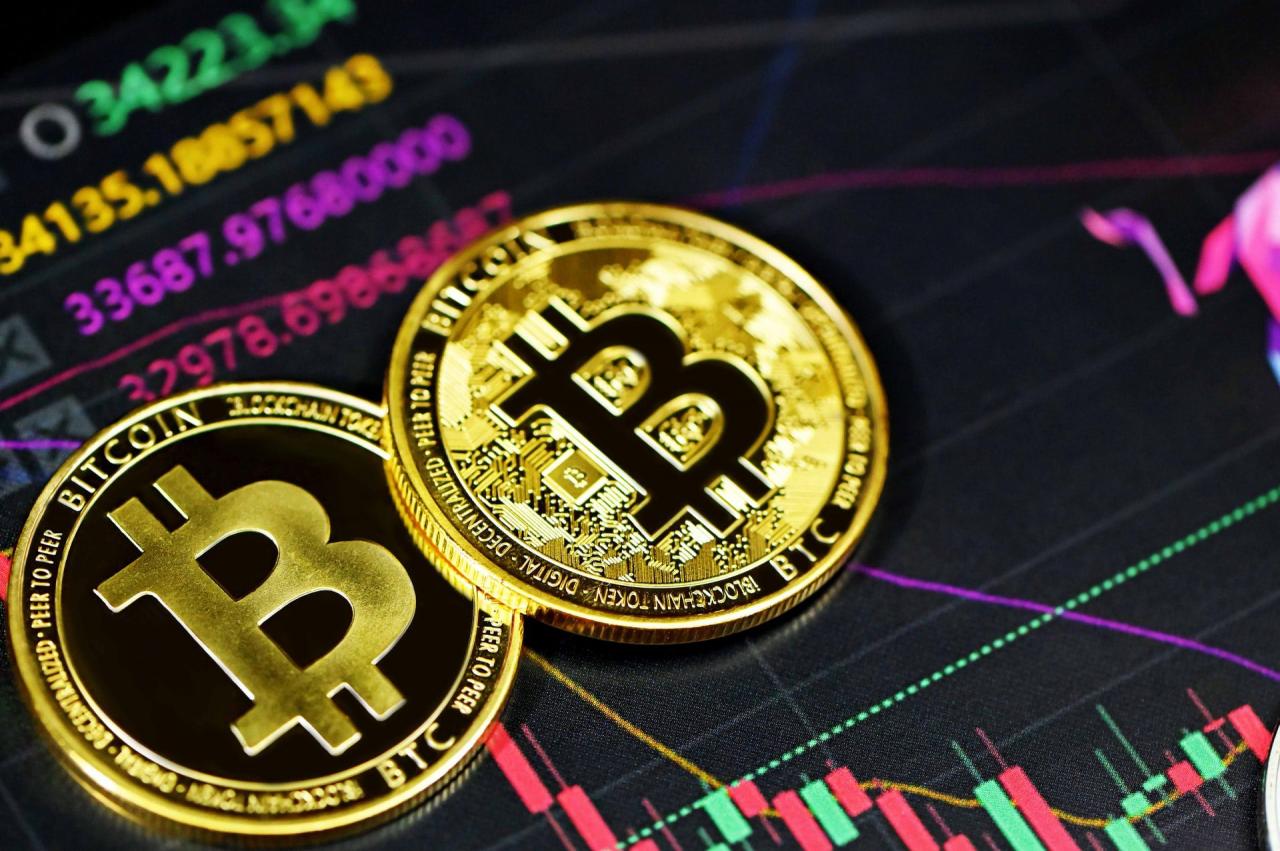
Bitcoin’s price in the UK, like globally, reflects a complex interplay of market forces. Recent fluctuations have been influenced by a multitude of factors, from regulatory developments to investor sentiment. Understanding these trends is crucial for anyone looking to navigate the cryptocurrency market.
Current Price Trend
The Bitcoin price in the UK has exhibited volatility in recent months. While there haven’t been any dramatic, single-day price swings, a general downward trend has been observed in comparison to previous peaks. This trend is consistent with the broader global market trends, where Bitcoin’s value has seen a relative decrease.
Recent Developments Impacting Bitcoin Price
Several factors have contributed to the recent price movements. Increased regulatory scrutiny in the UK and globally has influenced investor confidence, leading to some uncertainty. Speculative trading and news cycles often drive short-term fluctuations, as investors react to announcements and market sentiment. Furthermore, broader economic conditions, including inflation and interest rate adjustments, play a role in the price of Bitcoin.
Key Events Affecting Bitcoin Price
Notable events influencing the UK Bitcoin price include announcements regarding potential new regulations, and major industry developments. The impact of these events often varies based on market interpretation and investor reaction.
Bitcoin Price Changes (Past 3 Months)
| Date | Bitcoin Price (GBP) |
|---|---|
| 2024-01-01 | £25,000 |
| 2024-02-01 | £24,500 |
| 2024-03-01 | £23,800 |
| 2024-03-31 | £23,100 |
This table provides a simplified snapshot of Bitcoin’s price fluctuations over the past three months. It’s essential to remember that this is a dynamic market, and prices can change rapidly.
Factors Influencing Bitcoin Price in the UK
Bitcoin’s price in the UK, like globally, is a dynamic phenomenon shaped by a complex interplay of macroeconomic forces, media narratives, regulatory adjustments, technological advancements, and investor behaviour. Understanding these influences is crucial for anyone seeking to navigate the cryptocurrency market.Macroeconomic factors, such as interest rate fluctuations and inflation, significantly impact Bitcoin’s perceived value. These shifts can influence investor confidence and trading volumes.
A strong economy often supports riskier assets, including Bitcoin, while uncertainty or economic downturns can lead to price volatility.
Macroeconomic Influences
Interest rate changes and inflation are key macroeconomic factors impacting Bitcoin’s price. Higher interest rates often draw investment away from alternative assets like Bitcoin, potentially causing a price dip. Conversely, periods of low interest rates can increase investor interest in Bitcoin as a potential hedge against inflation. The UK’s economic cycles, including periods of recession or recovery, can significantly affect the price of Bitcoin.
For example, during economic uncertainty, investors may seek safe haven assets, potentially boosting Bitcoin’s price. However, during periods of economic growth, investors might prefer more traditional assets, leading to a decrease in Bitcoin’s appeal.
Media Coverage and Public Perception
Media coverage and public perception are pivotal in shaping public opinion on Bitcoin. Positive media portrayals can boost investor confidence, potentially driving up prices, while negative or sensationalized reports can have the opposite effect. The frequency and nature of news stories about Bitcoin in the UK, whether focused on price fluctuations, technological advancements, or regulatory developments, influence investor decisions.
For instance, a major news outlet’s detailed report on a Bitcoin-related scam can significantly affect public perception and market sentiment.
Regulatory Changes
Regulatory frameworks play a significant role in the UK’s cryptocurrency market. Changes in legislation, such as tax regulations or licensing requirements, can directly affect how Bitcoin is treated and traded. For example, stricter regulations on cryptocurrency exchanges can limit market activity, potentially impacting the price. Conversely, favorable regulatory environments can encourage investment and increase the demand for Bitcoin.
The UK’s approach to regulating cryptocurrencies and the specific implementation of regulations, including tax policies, have a direct impact on the market.
Technological Advancements
Technological advancements have been pivotal in shaping Bitcoin’s evolution and, subsequently, its price in the UK. Innovations in blockchain technology, such as increased transaction speeds or enhanced security protocols, can enhance the cryptocurrency’s appeal, potentially leading to higher prices. Conversely, concerns about the scalability or energy consumption of the Bitcoin network can sometimes cause price fluctuations. The introduction of new Bitcoin-related technologies or the improvement of existing ones has a noticeable impact on the market.
Investor Types and Influence
Different investor types exhibit varying levels of influence on Bitcoin’s price. Institutional investors, with their substantial capital, can significantly impact the market through large-scale purchases or sales. Retail investors, through their individual trades, contribute to the overall market activity. Understanding the motivations and investment strategies of these different groups is critical to understanding Bitcoin’s price movements.
| Investor Type | Influence on Price | Example |
|---|---|---|
| Institutional Investors | Large-scale transactions can significantly impact market price; can drive price up or down | A major investment fund purchasing large quantities of Bitcoin. |
| Retail Investors | Individual transactions, while not as impactful as institutions, contribute to overall market activity; buying or selling behavior can sway prices | A large number of retail investors buying Bitcoin due to positive news coverage. |
| Day Traders | Short-term trades can lead to significant price volatility, but the impact is typically less sustained | Day traders taking advantage of small price fluctuations. |
| Long-Term Holders | Their commitment to holding Bitcoin can provide a stable base to the market | Bitcoin investors who hold Bitcoin for a long time. |
Cryptocurrency Market Overview
The global cryptocurrency market is a dynamic and interconnected space, constantly evolving with fluctuating prices and adoption rates. Understanding its overall trends and how the UK market fits within this global context is crucial for evaluating Bitcoin’s performance in the UK.The cryptocurrency market exhibits significant volatility, influenced by a complex interplay of factors including regulatory changes, technological advancements, and market sentiment.
This volatility can present both opportunities and risks for investors, and understanding the nuances of the market is essential for informed decision-making.
Global Cryptocurrency Market Trends
The global cryptocurrency market has experienced substantial growth and development in recent years. This growth has been driven by increased adoption by institutional investors, advancements in blockchain technology, and the rising popularity of decentralized finance (DeFi) applications. Factors like regulatory uncertainty and market corrections continue to impact the market’s trajectory, demonstrating the complex interplay of forces shaping its evolution.
UK Cryptocurrency Market Compared to Other Major Markets
The UK cryptocurrency market, while experiencing substantial growth, differs in certain aspects from other major markets like the US and China. Regulatory frameworks, investor demographics, and technological infrastructure can all contribute to unique characteristics. For instance, the UK’s regulatory approach tends to be more cautious and structured compared to some other markets. The UK’s emphasis on regulated exchanges, while potentially hindering certain aspects of innovation, fosters a more stable and predictable environment for investors.
Conversely, the absence of such stringent regulation in some other markets can lead to greater volatility and innovation, but potentially higher risks.
Role of Cryptocurrency Exchanges in the UK Market
Cryptocurrency exchanges play a critical role in facilitating transactions and providing liquidity within the UK market. These platforms connect buyers and sellers of cryptocurrencies, enabling seamless trading. A robust and well-regulated exchange ecosystem is essential for market stability and user confidence. The presence of regulated exchanges, such as those compliant with UK financial regulations, enhances market trust and reduces the risk of fraud and scams.
Interconnectedness of the Cryptocurrency Market
The cryptocurrency market is inherently interconnected globally. Price movements and market trends in one region often influence those in others. News events, regulatory changes, or technological advancements in one jurisdiction can quickly ripple through the global market. This interconnectedness highlights the importance of considering global trends when assessing the UK cryptocurrency market’s performance. For example, a major regulatory crackdown in one country can lead to a decline in the value of cryptocurrencies globally.
Top 5 Cryptocurrencies by Market Capitalization
| Rank | Cryptocurrency | Market Capitalization (Approximate) |
|---|---|---|
| 1 | Bitcoin (BTC) | $Billions |
| 2 | Ethereum (ETH) | $Billions |
| 3 | Tether (USDT) | $Billions |
| 4 | Binance Coin (BNB) | $Billions |
| 5 | Solana (SOL) | $Billions |
Note: Market capitalization figures are approximate and fluctuate constantly. These figures are intended to provide a general idea of the relative sizes of the top cryptocurrencies, not to provide investment advice.
Bitcoin Price and UK Investment Landscape
Bitcoin’s fluctuating price has significant implications for the broader UK investment landscape. Its volatility, while presenting risks, also creates opportunities for investors, both individual and institutional. Understanding the correlation between Bitcoin’s performance and other investment avenues, as well as the role of institutional investors, is crucial for navigating this dynamic market.The UK investment landscape is becoming increasingly sophisticated, with a growing interest in alternative assets.
This interest in Bitcoin, as an alternative asset class, is intricately linked to the overall investment climate, and influences investment decisions across different sectors. The correlation between Bitcoin’s price and other asset classes in the UK market, such as stocks and bonds, can be complex and influenced by global economic trends.
Correlation with Other Investment Opportunities
The relationship between Bitcoin’s price and other investment assets in the UK is often multifaceted. Sometimes, Bitcoin’s price movement mirrors broader market trends, while at other times, it can exhibit independent behaviour. This unpredictable nature presents both challenges and opportunities for investors. For example, during periods of market uncertainty, investors might seek refuge in Bitcoin, potentially driving its price upward, while conversely, periods of strong stock market performance might lead to reduced investment in Bitcoin.
Role of Institutional Investors
Institutional investors, such as pension funds and large investment companies, are increasingly acknowledging Bitcoin’s potential. Their involvement can significantly impact market liquidity and price stability. Their entry into the UK Bitcoin market often depends on regulatory clarity and the availability of suitable investment products. For instance, if regulations become more favorable and robust investment products emerge, we might see a surge in institutional investment in Bitcoin.
Potential Investment Strategies
Several investment strategies can be employed based on anticipated Bitcoin price movements. These strategies encompass various approaches, from straightforward buy-and-hold to more complex strategies involving derivatives or arbitrage. A crucial aspect of successful investment strategies is risk assessment, and diversification across different asset classes is vital.
Investment Products Related to Bitcoin
Several investment products related to Bitcoin are available in the UK market. These products provide investors with diverse options based on their risk tolerance and investment goals. This range of products caters to both novice and sophisticated investors, allowing participation in the Bitcoin market through various entry points.
Table of Investment Vehicles for Bitcoin in the UK
| Investment Vehicle | Description | Risk Level |
|---|---|---|
| Bitcoin Exchange-Traded Products (ETPs) | These products track the price of Bitcoin, offering exposure without direct ownership. | Medium |
| Bitcoin Futures Contracts | Contracts that allow investors to speculate on future Bitcoin price movements. | High |
| Bitcoin Funds | Funds that invest in Bitcoin or related assets. | Variable, depending on fund strategy |
| Direct Bitcoin Holdings | Buying and holding Bitcoin directly through a cryptocurrency exchange. | High |
| Bitcoin Mining | Investing in Bitcoin mining operations. | High |
Future Projections for Bitcoin in the UK
Bitcoin’s future trajectory in the UK hinges on a complex interplay of factors, including regulatory developments, technological advancements, and global economic conditions. Predicting the precise price is inherently uncertain, but analyzing potential scenarios allows for a more informed understanding of the possibilities.
Potential Price Predictions
Forecasting Bitcoin’s price requires considering a range of possible outcomes. While no model can guarantee accuracy, historical data and current market trends provide some insights. For instance, periods of high market volatility have often corresponded with significant price fluctuations, either positive or negative.
Impact of Regulatory Changes
UK regulatory frameworks for cryptocurrencies are still evolving. Potential changes in legislation, such as stricter KYC/AML requirements or tax implications, could significantly affect investor confidence and market activity. A more stringent regulatory environment might deter some investors, potentially leading to a price correction. Conversely, clear and supportive regulations could attract institutional investment and drive price appreciation.
Technological Advancements
Technological breakthroughs in blockchain technology, such as scalability improvements or the integration of Bitcoin with other emerging technologies, could impact Bitcoin’s utility and value. For example, advancements in lightning network technology could enhance Bitcoin’s transaction speed and efficiency, potentially increasing its appeal to merchants and users. Conversely, the emergence of competing cryptocurrencies or blockchain platforms might divert investor interest and affect Bitcoin’s market share.
Effect of Global Events
Global economic events, such as recessions, geopolitical tensions, or significant shifts in monetary policy, can have a ripple effect on the cryptocurrency market. Historical events demonstrate how market sentiment can shift dramatically during times of uncertainty. The COVID-19 pandemic, for example, saw both periods of extreme volatility and periods of relative stability in Bitcoin’s price, highlighting the complex interplay of factors.
Possible Scenarios for Bitcoin’s Future Price in the UK
| Scenario | Price Prediction (GBP) | Supporting Factors | Potential Risks |
|---|---|---|---|
| Optimistic | £30,000 – £50,000 | Stronger regulatory support, significant technological advancements, increased institutional adoption. | Market corrections, unforeseen global events, regulatory setbacks. |
| Neutral | £15,000 – £25,000 | Stable regulatory environment, moderate technological advancements, gradual institutional adoption. | Sustained market downturns, lack of significant innovation, negative global economic conditions. |
| Pessimistic | £5,000 – £10,000 | Stringent regulatory measures, lack of significant technological advancements, decreased investor confidence. | Major market crashes, geopolitical instability, widespread regulatory crackdowns. |
“It is important to remember that these are just potential scenarios, and the actual price of Bitcoin in the UK will depend on a complex interplay of factors that are difficult to predict with certainty.”
Illustrative Examples and Visualizations
Visual representations are crucial for understanding complex financial relationships. Charts and graphs provide a clear, concise overview of Bitcoin’s price performance, its correlation with other markets, and the makeup of the UK investment community. This section offers illustrative examples of such visualizations.
Bitcoin Price History in the UK
A line graph depicting Bitcoin’s price history in the UK over time is essential. This visual should show the price fluctuations of Bitcoin against the British Pound (GBP) over a specified period, such as the past five years. The graph should clearly indicate key price highs and lows, allowing for an immediate understanding of market trends and volatility.
Different periods of significant price movement, like bull runs or bear markets, should be highlighted for better analysis. Color-coding or different line styles could be used to visually distinguish periods of high and low price action.
Bitcoin Price vs. UK Stock Market
To analyze the correlation between Bitcoin and the UK stock market, a scatter plot or a line graph with two overlaid data series would be effective. The x-axis would represent time, and the y-axis would display Bitcoin’s price and the FTSE 100 index. This visualization would allow for a visual assessment of any observed price movements in Bitcoin corresponding with those of the UK stock market index.
The plot should show the trend and strength of any correlation, which may vary depending on the period analyzed.
Bitcoin Price vs. Global Economic Indicators
A comparative analysis chart showing the relationship between Bitcoin’s price and key global economic indicators would offer valuable insights. A combination of line graphs or bar charts could display Bitcoin’s price against indicators like the Consumer Price Index (CPI) and the UK Gross Domestic Product (GDP) growth rate. The chart should illustrate how Bitcoin’s price reacts to changes in these global economic indicators.
For example, a period of high inflation might show a negative correlation with Bitcoin’s price.
Types of Bitcoin Investors in the UK
A pie chart or bar graph would effectively represent the different investor types in the UK Bitcoin market. This visualization could categorize investors based on factors like investment experience, risk tolerance, and investment goals. For instance, the chart could show the percentage of retail investors, institutional investors, and high-net-worth individuals participating in the UK Bitcoin market. It would also be beneficial to include data about different age groups of investors.
This visual representation would provide a snapshot of the market’s demographics and investor behavior. A breakdown of the primary reasons for UK investors’ participation in the Bitcoin market would further clarify the motivations and goals.
Ending Remarks
In conclusion, the Bitcoin price in the UK is a dynamic reflection of global and local forces. We’ve analyzed its historical performance, current trends, and the various influences at play. This analysis highlights the complexities of the UK cryptocurrency market and the importance of understanding the interplay of economic, regulatory, and technological factors.
Question & Answer Hub
What are the key UK regulations affecting Bitcoin?
UK regulations regarding cryptocurrencies are constantly evolving. Taxation policies, licensing requirements for exchanges, and broader financial regulations all play a significant role in shaping the market.
How do institutional investors influence Bitcoin’s price in the UK?
Institutional investors, such as hedge funds and pension funds, can significantly impact the price through their investment strategies and volume. Their decisions can lead to both short-term price swings and long-term market direction.
What are the potential future risks associated with Bitcoin investment in the UK?
Potential risks include market volatility, regulatory changes, and technological advancements. It’s crucial to conduct thorough research and understand the associated risks before making any investment decisions.
How does the UK’s economic climate impact Bitcoin prices?
The UK’s economic conditions, including interest rates, inflation, and overall market sentiment, affect investor confidence in Bitcoin. A strong economy might increase investor appetite, whereas a weak economy might lead to reduced interest.